Can You Wear a Night Guard After Teeth Whitening? Best Timing and Tips

Teeth whitening feels exciting because your smile looks brighter and more refreshed. A night guard also feels reassuring because it protects your teeth from clenching and grinding while you sleep. The best results come from combining whitening and night-guard use with smart timing, gentle habits, and a calm routine that supports comfort. This guide explains how to wear a night guard after teeth whitening, how to handle sensitivity in a tooth-friendly way, and how to keep everything clean and fresh with simple steps.
Teeth Whitening and a Night Guard: What’s the Goal?
Teeth whitening works best when your enamel stays protected, and your mouth feels comfortable. A night guard supports that goal by creating a protective barrier that helps reduce the effects of nighttime clenching. Many people use whitening and a night guard in the same week with smooth results when they follow a clear plan.If you use a custom night guard like an OkiGuards guard, you also get a fit that feels stable and comfortable, which helps your nights feel more restful and consistent.
Best Timing: When to Wear a Night Guard After Whitening
1) Same-night use can feel great with the right routine
Many people comfortably wear a night guard the same night as whitening when they finish whitening earlier in the evening and keep things gentle afterward. A supportive plan includes rinsing with water, avoiding very hot or very cold drinks for a bit, and giving your mouth a calm transition into sleep.
2) A short “cool-down window” often feels smoother
A simple approach is to finish whitening, then give yourself 30–60 minutes of “comfort time” before you insert your night guard. This timing feels pleasant because saliva flow normalizes and your teeth settle into a relaxed, hydrated state.
3) If your teeth feel sensitive, you can still protect them
Sensitivity after whitening is common, and many people still enjoy wearing their night guard because it helps prevent clenching-related pressure. If your teeth feel tender, a softer-feeling option can feel especially comfortable, and a balanced design can feel supportive for moderate grinders.
With OkiGuards, many people like:
- Soft Night Guard for comfort-focused clenching protection
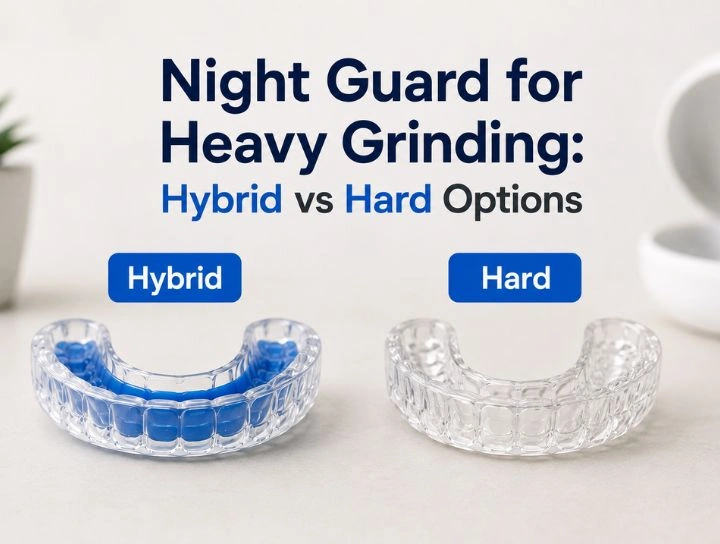
- Hybrid Night Guard for a comfortable feel with extra strength for moderate grinding
- Hard Night Guard for strong protection when grinding feels heavy and intense
Does Teeth Whitening Cause Sensitivity?
Teeth whitening can make teeth feel temporarily sensitive, and that sensitivity often improves quickly with gentle care. You can create a comfortable experience by pairing whitening with habits that support enamel and calm the nerves in your teeth.
Positive ways to reduce sensitivity after teeth whitening
- You can use a sensitivity-friendly toothpaste consistently for a few days.
- You can brush with a soft-bristle brush and light pressure.
- You can keep drinks lukewarm and soothing.
- You can sip water throughout the day to support saliva and comfort.
- You can keep your bedtime routine calm because relaxed sleep supports recovery.
Teeth Whitening Night Guard: How to Use Both Safely
Option A: Whitening first, then wear your night guard.
This option feels simple and effective:
- You complete whitening as directed.
- You gently rinse with water.
- You wait 30–60 minutes for comfort.
- You insert your night guard for sleep.
Option B: Separate nights for whitening and heavy grinding
If your grinding feels very strong, you can schedule whitening on lighter-stress evenings. This approach feels empowering because you stay in control of both comfort and protection, and your mouth gets a consistent rhythm.
Can I Use My Night Guard to Whiten My Teeth?
Many people wonder if a night guard can double as a whitening tray. A custom night guard is designed to protect against clenching and grinding, and whitening trays are designed to hold gel in a specific way. You get the best experience when you use the right tool for the right job.
A simple, positive guideline is:
- Use whitening trays for whitening when gel is involved.
- Use your night guard for grinding protection while you sleep.
If you love the idea of one device for both, your dentist can guide you toward a safe setup that fits your teeth and your whitening plan.
What Is a Teeth Night Guard?
A mouthguard is a protective dental appliance worn while sleeping. It supports your smile by creating a barrier between upper and lower teeth. This barrier helps reduce enamel wear from grinding and helps lower stress on teeth and jaw muscles during clenching episodes.
A well-fitting custom night guard often feels smoother than a generic guard because it sits comfortably and stays in place. OkiGuards custom guards are made to match your impressions, which supports a secure fit and easy nightly use.
Best Tips for Wearing a Night Guard After Whitening
1) Keep the fit comfortable
A comfortable fit supports better sleep and easier nightly consistency. If your guard feels snug and supportive, that is often a great sign. If you ever want an even smoother feel, focus on gentle insertion and removal, and keep the guard clean and dry between uses.
2) Choose the right material for your whitening week
Your whitening week can feel more comfortable with the right level of softness:
- Soft feels gentle and cushioned for clenching-focused nights
- Hybrid feels balanced for comfort plus durability
- Hard feels strong and stable for heavy grinding patterns
3) Create a calming bedtime sequence
A short routine supports relaxed jaw muscles:
- Warm water rinse
- Light face and jaw massage for 30 seconds
- Slow nasal breathing for 60 seconds
- Insert a night guard
- This sequence feels soothing and supports a calm transition into sleep.
4) Protect your enamel with a gentle diet pattern
Whitening results look brighter when you keep your routine enamel-friendly. Many people enjoy lighter-colored foods and soothing drinks for a day or two, and they enjoy how clean and refreshed their smile looks.
How to Clean Teeth Whitening Mouth Guard and Night Guard
Clean appliances feel fresh, look clear, and support healthier nightly use. Cleaning is also easy when you use gentle methods.
Daily cleaning routine
- Rinse your guard with cool or lukewarm water.
- Brush it gently with a soft toothbrush.
- Use mild soap if you like a fresher feel.
- Rinse again thoroughly.
- Let it air-dry fully before storing.
Weekly deep-clean routine
- Use a gentle retainer or night guard cleaning tablet as directed.
- Rinse well and air-dry completely.
Storage tips that keep the fit stable
- Store in a ventilated case.
- Keep it away from heat and direct sunlight.
- Keep it dry before closing the case.
Frequently Asked Questions
Teeth whitening night guard: Can I wear it right after whitening?
Yes, many people do, and it feels best with a short comfort window and a gentle rinse.
How to reduce sensitivity after teeth whitening?
Use sensitive toothpaste, gentle brushing, lukewarm drinks, and a calm bedtime routine for a smooth experience.
Can I use my night guard to whiten my teeth?
Most people get the best results by using a dedicated whitening tray for gel and using their night guard for grinding protection.

Final note
Conclusion
Teeth whitening feels best when your enamel stays protected and your mouth stays comfortable through the whole process. A simple timing routine, like finishing whitening earlier and using a short 30–60 minute comfort window, supports smooth night guard wear and a calmer bedtime feel. Gentle sensitivity care, steady hydration, and clean appliance habits support brighter results and a fresher mouth in the morning. A custom OkiGuards night guard supports confident protection on whitening nights by keeping teeth cushioned from clenching and grinding, and it supports consistent sleep comfort while you enjoy your brighter smile.