Mouth Breathing and Teeth Grinding: What’s the Connection?

A healthy sleep routine supports the teeth, jaw, and overall comfort of the mouth in many positive ways. When someone notices both mouth breathing and teeth grinding at night, it often opens the door to a useful question about how these two habits may be connected. The encouraging news is that this connection is worth understanding because it can guide better sleep support, better oral comfort, and a more confident daily routine.Many people are surprised to learn that breathing patterns during sleep can influence how the mouth feels overnight. When breathing happens through the mouth instead of the nose, the oral environment can feel different, the jaw posture can shift, and nighttime comfort can change. These patterns can help explain why teeth grinding sometimes appears alongside mouth breathing.
Understanding Mouth Breathing in a Positive Way
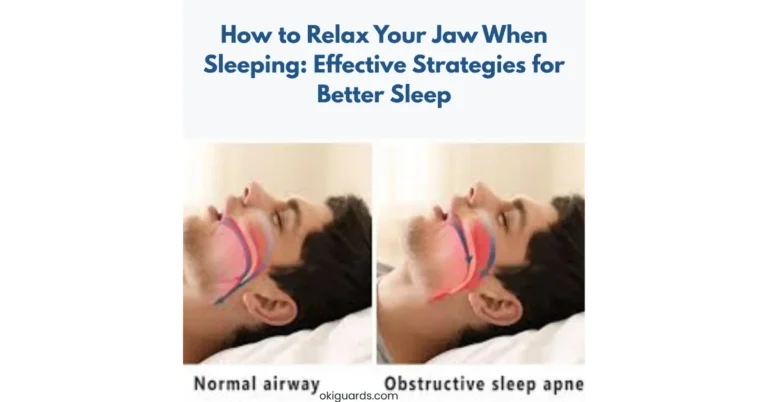
Mouth breathing means that a person breathes through the mouth instead of the nose for part or all of sleep. This pattern can happen for many understandable reasons, and noticing it is already a strong first step. Awareness creates the opportunity to support a more comfortable bedtime routine and a healthier sleep experience.Breathing patterns matter because the position of the lips, jaw, and tongue all play a role in overnight comfort. When the mouth stays open during sleep, the jaw may rest differently, and the oral tissues may feel less hydrated in the morning. That is one reason the mouth breathing effects on sleep and oral comfort are so useful to explore.
How Teeth Grinding at Night Fits Into the Picture
Teeth grinding at night often happens when the jaw stays active during sleep. This activity can show up as clenching, pressing, or grinding, and it can place extra pressure on the teeth and surrounding muscles. The positive part is that once the pattern is recognized, supportive solutions can make a real difference.When mouth breathing and grinding appear together, the connection may involve the way the jaw rests during sleep. A more open-mouth posture can influence muscle activity and bite pressure. This makes the mouth feel more active overnight and can contribute to grinding patterns in some people.
Mouth Breathing and Teeth Grinding: What’s the Connection?
The connection between mouth breathing and teeth grinding often comes down to sleep posture, jaw position, and oral comfort. When the mouth stays open during sleep, the jaw may settle in a different position than it does during relaxed nasal breathing. That shift can influence the muscles of the face and jaw, which may encourage more nighttime activity in the bite.
This connection is helpful because it shows that breathing and bite patterns work together. A more supported sleep routine can improve both. Better awareness of breathing habits can help people understand the full picture behind the causes of teeth grinding and choose more complete solutions.
Mouth Breathing Effects on the Teeth and Jaw
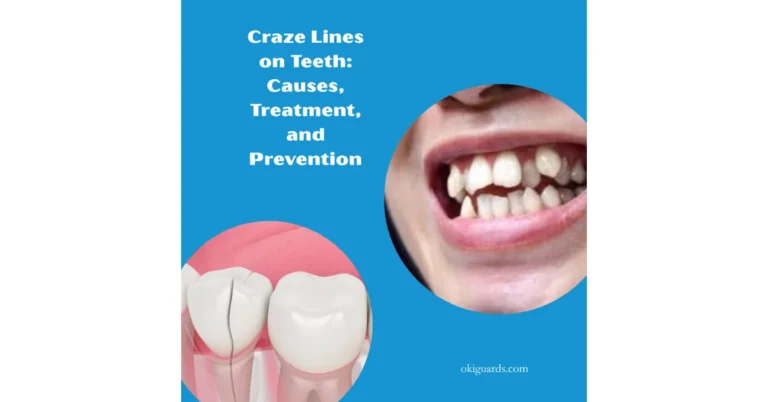
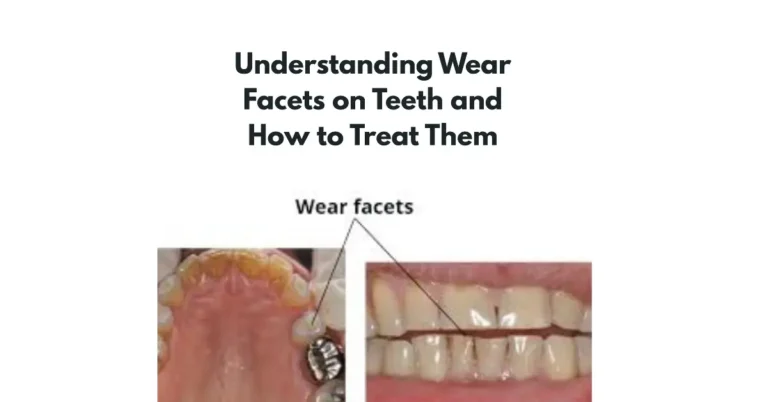
The mouth breathing effects on oral comfort can be significant in a very understandable way. When the mouth stays open during sleep, people may notice a drier feeling in the mouth, more awareness of the teeth in the morning, or a tighter feeling around the jaw. These signs offer helpful clues about how the mouth is functioning overnight.A drier oral environment can make the teeth and gums feel more sensitive in the morning. At the same time, a more active jaw position can create extra pressure on the bite. Together, these patterns can make teeth grinding at night easier to recognize.
Some people may notice:
- Morning jaw tightness
- dry mouth on waking
- more awareness of bite pressure
- facial muscle fatigue
- sensitivity after sleep
Each of these signs provides useful information and supports a more informed approach to nighttime care.
Common Causes of Teeth Grinding
There are several causes of teeth grinding, and each one offers a chance for improvement. Mouth breathing may be one part of the picture, while other factors can include stress, strong jaw muscle activity, sleep habits, and bite pressure.This is why a full-view approach works so well. Instead of looking at one habit alone, it helps to look at overall sleep comfort, jaw posture, breathing patterns, and oral protection. That broader understanding supports better long-term results.
Why Breathing Patterns Matter During Sleep
Breathing through the nose usually supports a more relaxed oral posture, with the lips together and the jaw in a comfortable resting position. When breathing shifts to the mouth, the lips part and the jaw may settle lower. This different posture can encourage more activity in the jaw muscles for some people.That is why learning about mouth breathing can be such a valuable part of understanding teeth grinding treatment. It helps connect sleep habits with oral comfort in a practical way. The more clearly someone sees that connection, the easier it becomes to build a helpful routine.
How to Stop Teeth Grinding With a More Supportive Routine
Many people want to know how to stop teeth grinding, and the encouraging answer is that supportive habits can make a real difference. The most effective path often combines awareness, comfort, and protection.
Helpful steps may include:
- improving sleep habits
- paying attention to breathing patterns
- keeping the jaw relaxed during the day
- supporting a calm bedtime routine
- using a custom night guard for overnight protection
These steps work well together because they address both the bite and the sleep environment. This kind of whole-routine support often leads to better comfort and more confidence.
Teeth Grinding Treatment and the Role of a Night Guard
A custom night guard can be a very positive part of teeth grinding treatment. It creates a protective barrier between the upper and lower teeth, helps distribute bite pressure more evenly, and supports a more comfortable overnight experience. For people who notice grinding alongside mouth breathing, this kind of protection can be especially valuable.A custom-fit night guard also supports consistency because it feels smoother and more secure than a one-size option. Better fit usually means better comfort, and better comfort makes it easier to stay consistent with nightly wear.
Building Better Overnight Comfort
Better sleep comfort often comes from a combination of small, supportive habits. Paying attention to breathing, supporting hydration, relaxing the jaw, and protecting the teeth all contribute to a stronger routine. This kind of care helps the mouth feel more supported through the night and more refreshed in the morning.The positive takeaway is simple: understanding the link between mouth breathing and teeth grinding creates the opportunity for smarter care. Once the pattern is clear, the next steps become much easier.
Frequently Asked Questions
Can mouth breathing cause teeth grinding at night?
Mouth breathing can be connected with teeth grinding at night because breathing posture may influence jaw position and muscle activity during sleep.
What are the common mouth breathing effects on oral comfort?
Common mouth breathing effects may include dry mouth on waking, more awareness of the bite, and a tighter feeling around the jaw.
What are the main causes of teeth grinding?
Some common causes of teeth grinding include jaw tension, sleep habits, stress, bite pressure, and breathing-related sleep patterns.
How can I stop teeth grinding naturally?
If you want to know how to stop teeth grinding, helpful steps include improving sleep habits, relaxing the jaw, supporting better breathing patterns, and using a custom night guard.
What is a positive treatment for teeth grinding?
A custom night guard is a very supportive option for teeth grinding treatment because it protects the teeth, cushions bite pressure, and supports a more comfortable sleep routine.

Final note
The connection between mouth breathing and teeth grinding at night is meaningful because both habits influence jaw position, oral comfort, and sleep quality. When the mouth stays open during sleep, the jaw may rest differently, and that shift can support more nighttime bite activity. Understanding these mouth breathing effects helps explain one part of the bigger picture behind the causes of teeth grinding.A positive routine that includes better sleep awareness, jaw relaxation, and a custom night guard can support a healthier, more comfortable night. For people exploring how to stop teeth grinding and improve sleep comfort, this connection offers a very useful place to begin. With the right support, teeth grinding treatment can feel practical, encouraging, and highly effective.