How to Manage Pregnancy Jaw Pain

Pregnancy brings many beautiful changes to the body, and the jaw can also become part of this new comfort journey. Many people notice pregnancy jaw pain or extra jaw awareness during this time because the body is adjusting in many ways. With gentle habits, dental guidance, and a calm daily routine, the jaw can feel more supported through each stage of pregnancy.The mouth, teeth, gums, muscles, and jaw joints all work together throughout the day. During pregnancy, hormonal changes, posture changes, sleep changes, and daily muscle tension can influence how the jaw feels.
When someone searches for jaw pain during pregnancy, they are often looking for simple comfort steps that feel safe, practical, and easy to follow.A supportive routine can include soft jaw stretches, warm compresses, relaxed posture, gentle oral care, and a custom night guard when grinding or clenching is part of the routine. OkiGuards custom night guards can support people who grind their teeth at night and want a comfortable at-home option for tooth protection.
A Gentle View of Jaw Comfort During Pregnancy
The jaw is used every day for talking, chewing, smiling, yawning, and resting. During pregnancy, the body may carry itself differently, and the muscles around the face, neck, and shoulders may feel more active. This extra activity can create a need for more jaw care and relaxation.A positive way to understand jaw comfort is to look at the whole body. The jaw connects with the neck, shoulders, posture, sleep, and breathing. When these areas receive gentle support, the jaw often feels more balanced.A dentist, doctor, or pregnancy care provider can help guide the best routine. Professional advice can make every step feel more personal and reassuring.
Why Pregnancy Jaw Pain May Happen
Pregnancy jaw pain can be connected with several body changes. Hormones can influence ligaments and joints. Sleep positions can shift as the body grows. Posture may change as the body balances new weight. Daily stress and tired muscles can also create more jaw activity.
These changes can make the jaw feel tighter or more sensitive. The positive part is that gentle care can help support the muscles and joints. Small habits throughout the day can make the jaw feel calmer and more relaxed.
Common supportive factors to consider include:
- Hormonal changes that affect joint comfort
- Posture changes during pregnancy
- Sleep position adjustments
- Teeth clenching during rest
- Teeth grinding during pregnancy
- Neck and shoulder muscle tension
- Gum and tooth sensitivity
- Daily stress patterns
- A need for softer chewing habits
Each factor can be supported with simple and gentle care.
TMJ During Pregnancy
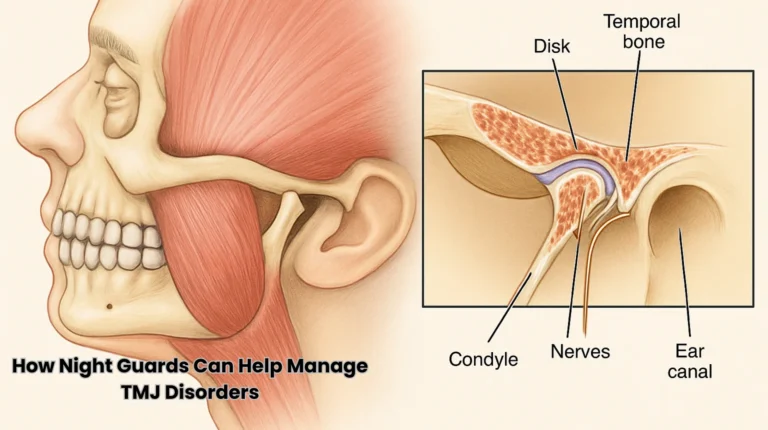
The temporomandibular joint, often called the TMJ, helps the jaw open, close, and move smoothly. TMJ during pregnancy may feel more noticeable when the jaw muscles work harder or when clenching adds pressure during sleep.A TMJ-friendly routine can help the jaw feel more supported. Gentle movement, relaxed posture, and slow breathing can all promote comfort. A warm compress along the cheeks or jawline can also feel soothing during quiet moments.A dental professional can check your bite and jaw movement. This guidance can help you choose the best care plan during pregnancy.
Teeth Grinding During Pregnancy
Teeth grinding during pregnancy can happen when the jaw muscles stay active during sleep. Pregnancy can bring changes in sleep quality, body position, and daily tension, which may influence nighttime clenching or grinding.A custom night guard can help protect the teeth while sleeping. It creates a smooth layer between the upper and lower teeth and supports a more comfortable bite surface. This can be especially helpful when the teeth feel sensitive or the jaw feels sore in the morning.
OkiGuards offers custom night guards designed for different grinding levels, including soft, hard, and hybrid options. A dentist can help confirm which style fits your needs during pregnancy.
Tooth Pain During Pregnancy and Jaw Pressure
Tooth pain during pregnancy may be connected with gum sensitivity, bite pressure, grinding, or regular dental changes. Pregnancy can make oral care feel more important because the gums and teeth may respond more actively to daily habits.Gentle brushing, careful flossing, water intake, and regular dental guidance can support a healthier mouth. If a tooth feels sensitive, a dentist can check the area and guide the best next step. This makes the care plan clear, safe, and personalized.A night guard can also help when tooth sensitivity is connected with grinding or clenching. The guard helps protect the tooth surfaces and supports a calmer nighttime routine.
How to Manage Jaw Pain With Gentle Habits
Learning how to manage jaw pain during pregnancy can feel easier with a calm and steady routine. The goal is to support the jaw, relax the muscles, and protect the teeth in a pregnancy-friendly way.
1. Practice a Relaxed Jaw Position
Keep your lips softly closed and your teeth slightly apart when your mouth is resting. Let your tongue rest gently near the roof of your mouth. This position helps the jaw muscles feel lighter.
2. Use Warmth for Comfort
A warm compress can support muscle relaxation around the jaw and cheeks. Use a comfortable level of warmth and let the jaw area feel calm.
3. Choose Soft, Easy Foods
Soft foods can make chewing feel easier when the jaw needs extra care. Smooth soups, oatmeal, eggs, yogurt, rice, pasta, and cooked vegetables can support a comfortable meal routine.
4. Support Neck and Shoulder Posture
The jaw works closely with the neck and shoulders. Gentle shoulder rolls, upright sitting, and pillow support can help the jaw feel more balanced.
5. Wear a Custom Night Guard When Recommended
A custom night guard can protect the teeth from nighttime grinding and clenching. A dentist can guide the best fit and style during pregnancy.
Jaw Pain Treatment During Pregnancy
Jaw pain treatment during pregnancy works best when it is gentle, personalized, and guided by professionals. A dentist can check the teeth, gums, bite, and jaw movement. A pregnancy care provider can help confirm which comfort steps are best for your stage of pregnancy.
Supportive treatment options may include:
- Custom night guard guidance
- Dental exam and bite review
- Gentle jaw relaxation exercises
- Warm compress routines
- Posture support
- Soft-food choices
- Stress-calming breathing habits
- Regular oral hygiene care
These options can work together to support the mouth and jaw throughout pregnancy.
A Pregnancy-Friendly Jaw Relaxation Routine
A short daily routine can help the jaw feel more comfortable. You can practice this in the morning, during work, or before sleep.Start by sitting comfortably. Let your shoulders rest naturally. Keep your lips together and your teeth slightly apart. Place your tongue gently near the roof of your mouth. Take three slow breaths. Let the cheeks, jaw, and neck feel softer with each breath.This routine can be repeated throughout the day. It helps the jaw remember a relaxed position and gives the body a peaceful pause.
Bedtime Support for Jaw Comfort
A calm bedtime routine can support better jaw comfort and tooth protection. Pregnancy sleep routines often feel better with consistency, pillow support, and gentle preparation.
Try this simple flow:
- Brush gently with a soft toothbrush.
- Floss carefully along the gumline.
- Rinse your mouth with water.
- Place your custom night guard if recommended.
- Rest your shoulders comfortably.
- Breathe slowly for a few moments.
- Let the jaw settle into a relaxed position.
This routine helps the mouth feel clean, the teeth feel protected, and the jaw feels ready for rest.
When to Ask for Professional Guidance
Professional guidance can make jaw care during pregnancy feel reassuring. A dentist can help check tooth sensitivity, gum health, jaw movement, and grinding signs. A doctor or pregnancy care provider can guide comfort choices that fit your overall care plan.
It is helpful to share:
- When jaw discomfort feels most noticeable
- Whether mornings feel different
- Whether chewing feels tiring
- Whether teeth grinding happens during sleep
- Whether tooth sensitivity appears with cold or warm foods
- Whether you already use a night guard
- Which pregnancy stage are you in
These details help your care team create a supportive plan.
Choosing a Night Guard During Pregnancy
A custom night guard can be helpful when grinding or clenching adds pressure to the teeth and jaw. Custom guards are made from impressions of your teeth, which helps them fit securely and comfortably.Soft guards can feel cushioned and gentle. Hard guards can provide firm protection for stronger grinding. Hybrid guards can offer a soft inner feel with a stronger outer surface. A dentist can help you choose the style that matches your comfort needs.A well-fitted guard can make nighttime tooth protection feel simple and consistent.
Frequently Asked Questions
What can support pregnancy jaw pain?
Gentle jaw relaxation, warm compresses, soft foods, posture support, dental guidance, and a custom night guard can support pregnancy jaw pain.
Is jaw pain during pregnancy common?
Jaw pain during pregnancy can happen as the body changes, and gentle care can help the jaw feel more comfortable.
Can TMJ during pregnancy be supported at home?
TMJ during pregnancy can be supported with relaxed jaw posture, warm compresses, slow breathing, soft foods, and professional dental guidance.
Can teeth grinding during pregnancy affect tooth comfort?
Teeth grinding during pregnancy can add pressure to the teeth, and a custom night guard can help protect the smile during sleep.
What is a helpful jaw pain treatment during pregnancy?
A helpful jaw pain treatment plan may include a dental exam, custom night guard guidance, gentle jaw exercises, warmth, posture care, and pregnancy-provider support.

Final note
Jaw pain during pregnancy can be managed with gentle care, supportive habits, and professional guidance. Warm compresses, relaxed jaw posture, soft foods, breathing exercises, and a custom night guard can all help the jaw feel more comfortable.Pregnancy is a special time, and your oral care routine can support your comfort beautifully. With steady habits and the right dental support, your smile, jaw, and daily routine can feel more balanced and cared for.