Craze Lines Teeth: Can Teeth Grinding Cause Them?
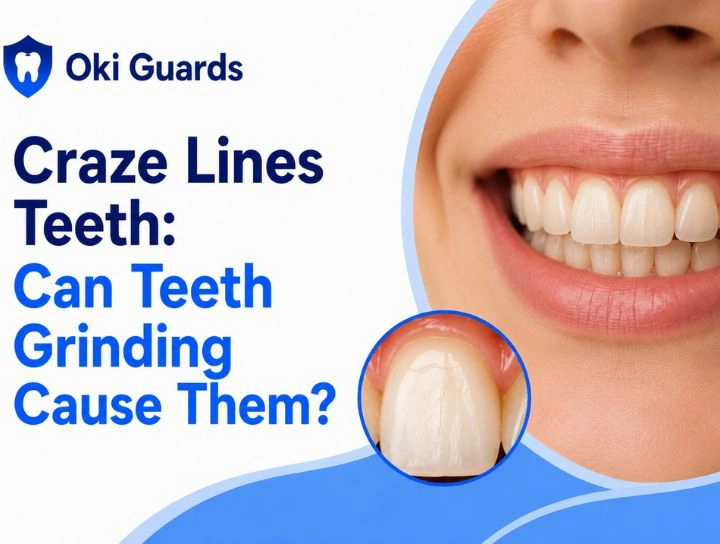
A bright smile can show many natural details, including tiny surface lines that appear on the outer layer of the teeth. These fine lines are often called craze lines in teeth, and many people notice them as small vertical marks on the front teeth. They can look like hairline cracks in teeth, thin enamel lines, or light reflections on the tooth surface. Craze lines are often connected with daily bite pressure, chewing habits, age-related enamel changes, and teeth grinding. When the upper and lower teeth meet with repeated pressure, the enamel surface can show tiny lines over time. These lines can encourage people to learn more about their bite, protect their smile, and build a stronger oral care routine. Teeth grinding can contribute to craze lines because grinding creates repeated tooth contact. This contact can be managed to help support and protect the enamel surface. A custom night guard can support tooth protection by creating a smooth layer between the upper and lower teeth during sleep.
What Are Craze Lines in Teeth?
Craze lines are tiny lines that appear on the enamel, which is the outer surface of the tooth. They often look like vertical lines on teeth, especially on the front teeth. Some lines are easier to see under bright light, while others appear more clearly after drinking coffee, tea, or colored drinks. These small lines on teeth are usually surface-level enamel details. They can be very thin and may look like fine hairline cracks in teeth. Many people notice them while looking closely in the mirror or taking a close-up photo of their smile. Craze lines can appear in one tooth or several teeth. They can run up and down the tooth surface. They can also look slightly white, clear, brown, or gray depending on lighting, enamel shade, and staining from daily foods or drinks.
Can Teeth Grinding Cause Craze Lines?
Teeth grinding can contribute to craze lines because grinding creates repeated pressure on the enamel. Bruxism, or grinding and clenching, can make the teeth meet with more force during sleep or focus time.Protecting the teeth from repeated contact can help maintain a smooth enamel surface over time. A strong bite can also add pressure to certain teeth. Front teeth may show vertical lines because they often guide the bite during jaw movement. Back teeth may show small enamel lines because they handle chewing pressure every day. This connection makes tooth protection helpful. A night guard can create a protective layer between the teeth and support a smoother bite surface during sleep. This layer can help reduce direct tooth-to-tooth contact and support long-term enamel care.
What Causes Craze Lines in Teeth?
Many factors can influence craze lines in teeth. The enamel works every day during chewing, speaking, swallowing, and smiling. Over time, natural pressure and oral habits can create small surface details.
Common contributors include:
- Teeth grinding during sleep
- Daytime clenching during focus
- Chewing pressure over many years
- Bite alignment patterns
- Nail biting or pen chewing habits
- Ice chewing or hard food chewing
- Temperature changes from hot and cold drinks
- Natural enamel aging
- Previous dental work or bite changes
- Strong jaw muscle activity
Each factor can guide you toward better awareness. A dentist can review the enamel surface, bite pattern, and tooth contact areas to help create a care plan that fits your smile.
Hairline Cracks in Teeth vs Craze Lines
Hairline cracks in teeth can describe many types of small tooth lines. Craze lines are usually very fine lines on the enamel surface. They often stay on the outer layer and can look like thin vertical marks. Deeper tooth cracks can involve more tooth structure. A dental professional can look closely and explain the difference. A simple exam can help you understand whether the line is a surface craze line or another type of tooth line. This guidance can bring peace of mind. When you know what type of line you see, you can choose the right care steps with confidence.
Vertical Lines on Teeth
Vertical lines on teeth often appear on front teeth because these teeth are easy to see and reflect light strongly. The lines can run from the top edge toward the gum area. They may look clear in some lighting and softer in other lighting. Front teeth also play a role in biting and guiding jaw movement. This makes them more noticeable when enamel lines appear. People who grind or clench may see vertical lines more clearly because the front teeth can receive repeated contact. A custom night guard can help support front teeth by reducing direct contact during sleep. This support can help keep the enamel surface protected as part of a complete care routine.
Cracks in Tooth Enamel and Daily Habits
Cracks in tooth enamel can appear as tiny surface lines that reflect daily oral habits. Enamel is strong and useful, and it responds to repeated pressure over time. Gentle habits can help support enamel health and keep the smile looking fresh. Daily habits that support enamel include using a soft toothbrush, brushing with light pressure, drinking water, and keeping regular dental visits. A balanced diet can also support overall oral wellness. Avoiding very hard chewing habits can help keep enamel surfaces comfortable. People who grind or clench can benefit from extra protection at night. A night guard can help the teeth rest on a smoother surface and support a more comfortable bite pattern.
Small Lines on Teeth and Smile Appearance
Small lines on teeth can affect how light reflects across the smile. Some lines are very subtle, while others become more visible after pigments from coffee, tea, or colorful foods settle into the enamel surface. Professional cleaning and polishing can help brighten the smile and make surface lines look softer. Cosmetic options can also help improve the look of craze lines. A dentist may suggest polishing, bonding, whitening guidance, or veneers depending on your smile goals. Each option can support a smoother and brighter appearance.
The best choice depends on the depth, color, location, and personal preference. A dental visit can help you choose a plan that matches your comfort and cosmetic goals.
How to Fix Craze Lines in Teeth
Many people ask how to fix craze lines in teeth because they want a smoother and more even smile. The right approach depends on how the lines look and how they feel. A dentist can check the tooth surface and suggest the best option.
Helpful options may include:
- Professional cleaning for a fresher surface
- Polishing for a smoother look
- Whitening guidance for a brighter smile
- Dental bonding for visible surface lines
- Veneers for cosmetic smile enhancement
- Bite adjustment guidance when needed
- A custom night guard for teeth grinding support
A night guard can be especially helpful when grinding contributes to enamel lines. OkiGuards custom night guards are designed to help protect teeth during sleep and support a more comfortable nighttime routine.
How a Night Guard Helps With Craze Lines
A night guard helps by creating a smooth barrier between the upper and lower teeth. This barrier supports enamel protection and helps guide bite pressure during sleep. People who grind or clench can use a night guard to give their teeth a more protected resting surface.
A custom night guard fits closely over the teeth. This close fit helps the guard feel stable and comfortable. A secure fit also supports consistent wear, which makes protection easier to maintain. OkiGuards offers soft, hybrid, and hard custom night guard options for different grinding levels. A soft guard can feel gentle, a hybrid guard can balance comfort and strength, and a hard guard can support stronger clenching patterns.
How to Support Enamel Every Day
Daily enamel care can help your teeth feel strong, clean, and comfortable. A gentle routine can support both the enamel surface and overall oral health. Small habits make long-term protection easier.
Helpful enamel support habits include:
- Brush twice daily with a soft toothbrush
- Use gentle pressure while brushing
- Clean between teeth every day
- Drink water after meals and drinks
- Keep regular dental visits
- Wear a night guard for grinding support
- Choose balanced meals for oral wellness
- Use a retainer or guard as directed
- Keep dental appliances clean
- Practice relaxed jaw posture during the day
These habits can help your smile stay bright and supported. Consistency makes the routine feel natural and easy.
Relaxed Jaw Habits for Teeth Grinding
Relaxed jaw posture can help support enamel and jaw comfort during the day. Keep your lips gently together, your teeth slightly apart, and your tongue resting softly on the roof of your mouth. This position can help the jaw feel calm during work, driving, studying, or screen time.
Breathing breaks can also support a relaxed jaw. Take a few slow breaths and let your shoulders soften. Gentle neck and jaw stretches can help the surrounding muscles feel balanced. A calming bedtime routine can support people who grind at night. Soft lighting, quiet activities, and a custom night guard can help create a more peaceful sleep routine.
When to Ask a Dentist About Craze Lines
A dental professional can help you understand craze lines and choose the best care steps. A dentist can examine the tooth surface, review your bite, check for grinding signs, and explain cosmetic options. A visit can feel especially helpful when lines become more visible, teeth feel sensitive, or grinding symptoms appear. Professional guidance can give you a clear plan for enamel care, smile appearance, and tooth protection. Your dentist can also check your night guard fit and suggest the right guard type for your grinding level.
Frequently Asked Questions
What are craze lines in teeth?
Craze lines are tiny surface lines that appear on the enamel. They often look like thin vertical lines on teeth.
What causes craze lines in teeth?
Craze lines in teeth can come from chewing pressure, teeth grinding, clenching, bite patterns, enamel aging, and daily oral habits.
Can teeth grinding cause craze lines?
Teeth grinding can contribute to craze lines because it creates repeated contact between the upper and lower teeth.
Are hairline cracks in teeth the same as craze lines?
Hairline cracks in teeth can include different types of lines, and craze lines are usually fine surface lines on enamel.
How to fix craze lines in teeth?
A dentist may suggest polishing, whitening guidance, bonding, veneers, bite support, or a custom night guard based on your smile goals.
Can a night guard help with small lines on teeth?
A night guard can help protect teeth from grinding pressure and support enamel care during sleep.

Final note
Craze lines are tiny enamel lines that can appear as vertical lines on teeth, small lines on teeth, or fine hairline cracks in teeth. Teeth grinding can contribute to these lines because repeated tooth contact places extra pressure on the enamel surface. A positive care plan can support your smile beautifully. Gentle brushing, regular dental visits, relaxed jaw posture, and a custom night guard can all help protect enamel and support tooth comfort. With the right routine, your teeth can feel strong, your smile can look bright, and your enamel can stay well supported every day.