Acupuncture for Bruxism: Relieve Teeth Grinding & Jaw Pain

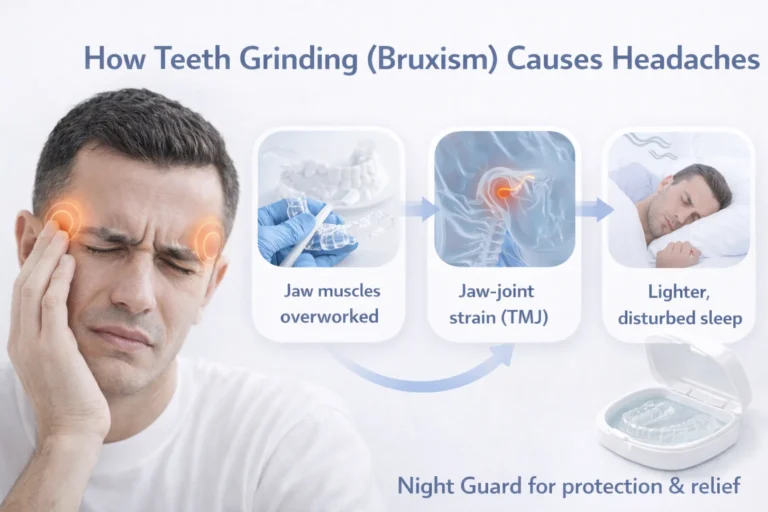
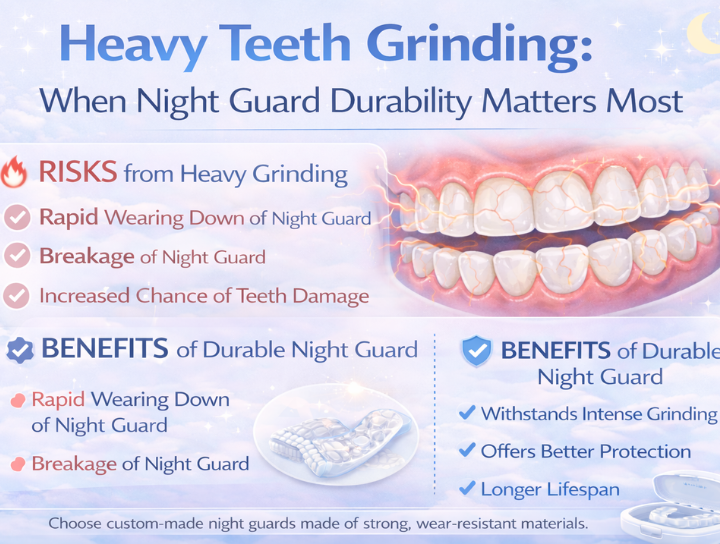
You can tell when the jaw has been on the night shift: you wake up with a tired face, your temples feel squeezed, and your teeth feel like they’ve been sparring. That pattern—point out towards grinding or clenching—is called bruxism. Mouth guards protect the enamel from those forces, but many people still ask, “How do I could get rid to clench?” One answer some folks try is acupuncture.
What acupuncture helps: jaw and temple muscle tightness, aching around the jaw joint, stress arousal that makes clenching more likely, and sleep continuity.
What it won’t do alone: stop tooth wear—only a night guard creates a physical barrier.
Best use: as part of a stack: mouth guard + acupuncture + simple jaw habits + better sleep/stress routine.
Timeline: expect noticeable softening in 2–4 visits for many people; stubborn cases take longer.
What Bruxism Looks Like in Real Life?
Bruxism shows up in two main costumes:
- Sleep bruxism: you don’t plan it; it rides with nighttime arousals and stress.
- Awake bruxism: daytime clench during work, driving, scrolling, or concentrating.
Signs that ring true for many
- Mornings start with a stiff jaw or “worked out” cheek muscles
- Teeth edges look flatter or a bit chipped; sensitivity creeps in
- Headaches land at the temples or behind the eyes
- The jaw joint feels overused, sometimes clicks, sometimes just aches
- A partner hears grinding, or you catch yourself biting down when focused

A dentist should check wear and bite first; then you can build a plan that protects teeth and calms the system that’s doing the clenching.
Why Acupuncture Might Help?
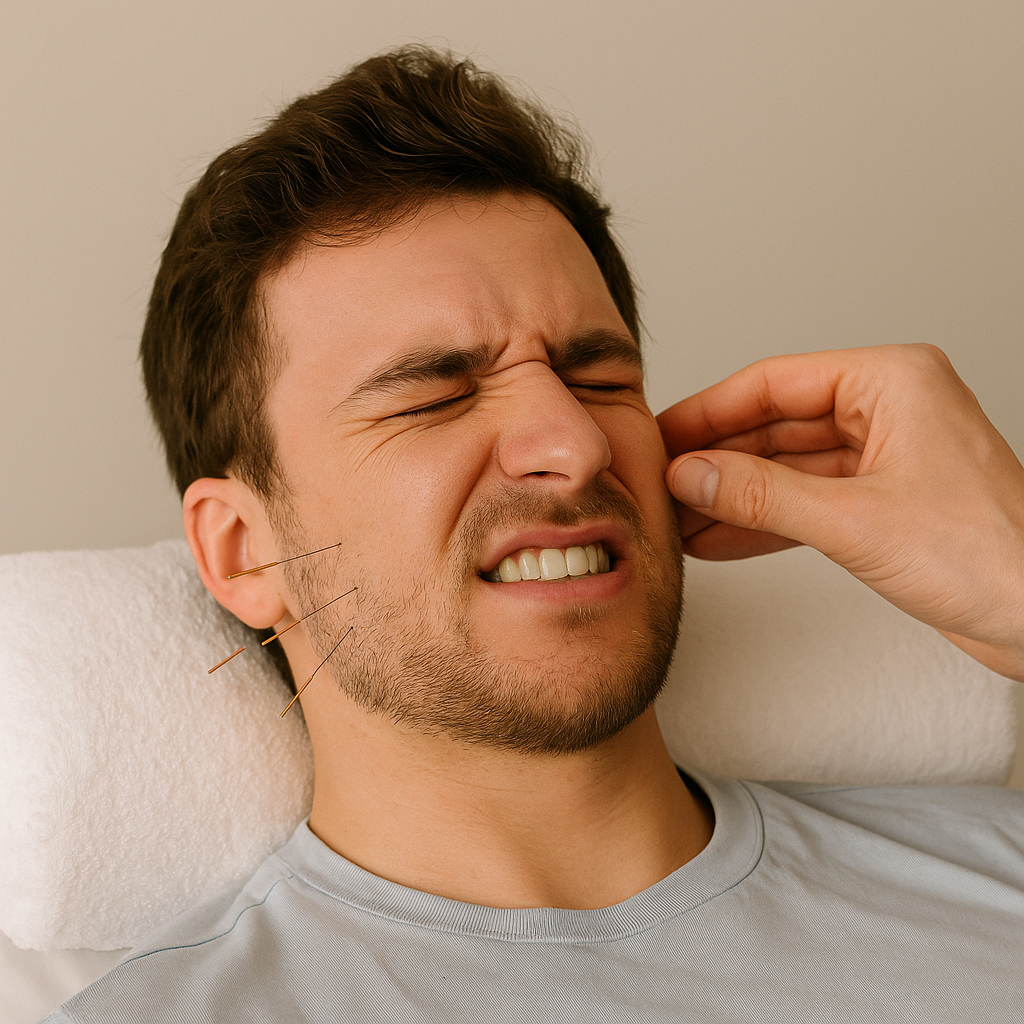
Think of your jaw muscles as employees who refuse to clock out. Acupuncture uses very fine needles at specific points to send two messages: “stand down” to the muscles and “ease up” to the nervous system.
- Muscle release you can feel Masseter (cheek) and temporalis (temple) often carry a background squeeze. Needling those zones can loosen the grip and make chewing, talking, and even resting feel easier.
- Nervous-system downshift Clenching loves stress. When your body stays on high alert, the jaw joins in. Sessions often feel like a reset—less edge, slower breath, easier sleep later that night.
- Pain dial turned down When pain calms, the reflex to guard—aka clench—drops. Less pain, less bracing. It’s a useful feedback loop.
- Better nights, fewer mini-arousals People commonly report they fall asleep faster or wake fewer times after a short series. Fewer bumps in the night can mean fewer grinding bursts.
What a Visit Actually Looks Like
Step 1: A quick story of your jaw
Your practitioner asks about your jaw, headaches, stress, sleep, daytime habits (screens, posture, caffeine), and dental findings. They’ll press along the jaw and neck to map the tender spots.
Step 2: The points
- Local release: along the jawline and temples
- Neck/shoulder assist: to stop the jaw from doing everyone else’s job
- Calming points: to settle the overall “fight/flight” hum
You’ll rest for 15–30 minutes. Sensation is typically a brief pinch or a dull, heavy “ahh” feeling. Lots of people drift off.
Step 3: Aftercare
Your jaw may feel oddly light or warm. A little tenderness at one or two spots is normal for a day. Drink water, and let yourself coast a bit after the first session so you can notice what changed.
How Many Sessions Do People Need?

Acupuncture tends to stack up like gym training—benefits build with a short series.
- Kickoff plan: 4–6 sessions over 3–4 weeks
- Checkpoint: by week 3–4, you want some wins (easier mornings, fewer tension headaches, less urge to clench)
- Stubborn cases: 8–12 sessions, especially if the neck/shoulder chain is tight or bruxism’s been years in the making
- Maintenance: taper to every 2–4 weeks if the jaw keeps behaving
If nothing budges by session 4–6, pause and re-check the plan with your practitioner and your dentist.
What Acupuncture Can Do vs. What It Can’t
Realistic wins
- Eases jaw and temple tightness
- Lowers background pain around the jaw joint
- Softens stress tone and improves wind-down at night
- Makes “teeth apart” rest posture easier to hold
Not its job
- Block tooth-to-tooth contact (that’s your night guard)
- Fill cavities or manage cracked teeth (dentistry)
- Replace medical evaluation when red-flag symptoms are present
Build a Better Stack: Layered Care That Works Together
1) Night guard (non-negotiable for tooth protection)
The guard spreads force and stops wear. It doesn’t change muscle tone by itself, but it shields your enamel while you fix the drivers.
2) Acupuncture (turns down the clench reflex)
Helps the muscles and the nervous system cooperate. Many people say the guard suddenly feels more useful once the jaw stops fighting it.
3) Myofascial / physical therapy (keeps gains)
Hands-on release and simple drills for neck, jaw, and upper back. Think mobility, posture, and education so you don’t slide back.
4) Sleep and stress basics (quiet the triggers)
Earlier caffeine cutoff, a wind-down routine, a room that invites sleep, and short daylight walks. You don’t have to be perfect; consistency wins.
5) Airway screening (when the clues line up)
If you snore loudly, wake gasping, or feel dragged during the day, talk to your doctor. Unseen airway issues can keep the jaw on patrol all night.
At-Home Playbook (Small Habits, Big Difference)
The 60-second jaw reset
- Tongue tip rests on the roof of the mouth, just behind the front teeth
- Lips together, teeth apart
- Breathe in 4 seconds, out 6 seconds, for 6–8 cycles
- You’re teaching the jaw that “neutral” does not include clenching.
Heat to persuade, not force
Warm pack on the cheeks and base of the skull for 10 minutes before bed. Muscles cooperate when they’re warm.
Gentle mobility routine
- Smooth, comfortable mouth opening—no heroics
- Light side-to-side glides
- Chin tucks and easy neck side bends
Keep it lazy and pain-free. The goal is friendliness, not force.
Screen micro-breaks
Every 30–45 minutes: drop your shoulders, unstick your tongue from the roof of your mouth, and let the jaw hang for two slow breaths. Tiny breaks beat heroic workouts.
Smart fuel
Earlier dinners, steadier meals, and no afternoon caffeine for a week—watch what happens to nighttime clenching.
Safety, Side Effects, and When to Modify
Acupuncture is generally low-risk with trained, licensed practitioners using sterile, single-use needles.
- Are pregnant (they’ll adjust positions and point choices)
- Take blood thinners or bruise easily
- Faint with needles or shots (they can go slower and use fewer points)
- Have major medical conditions that need coordination with your care team
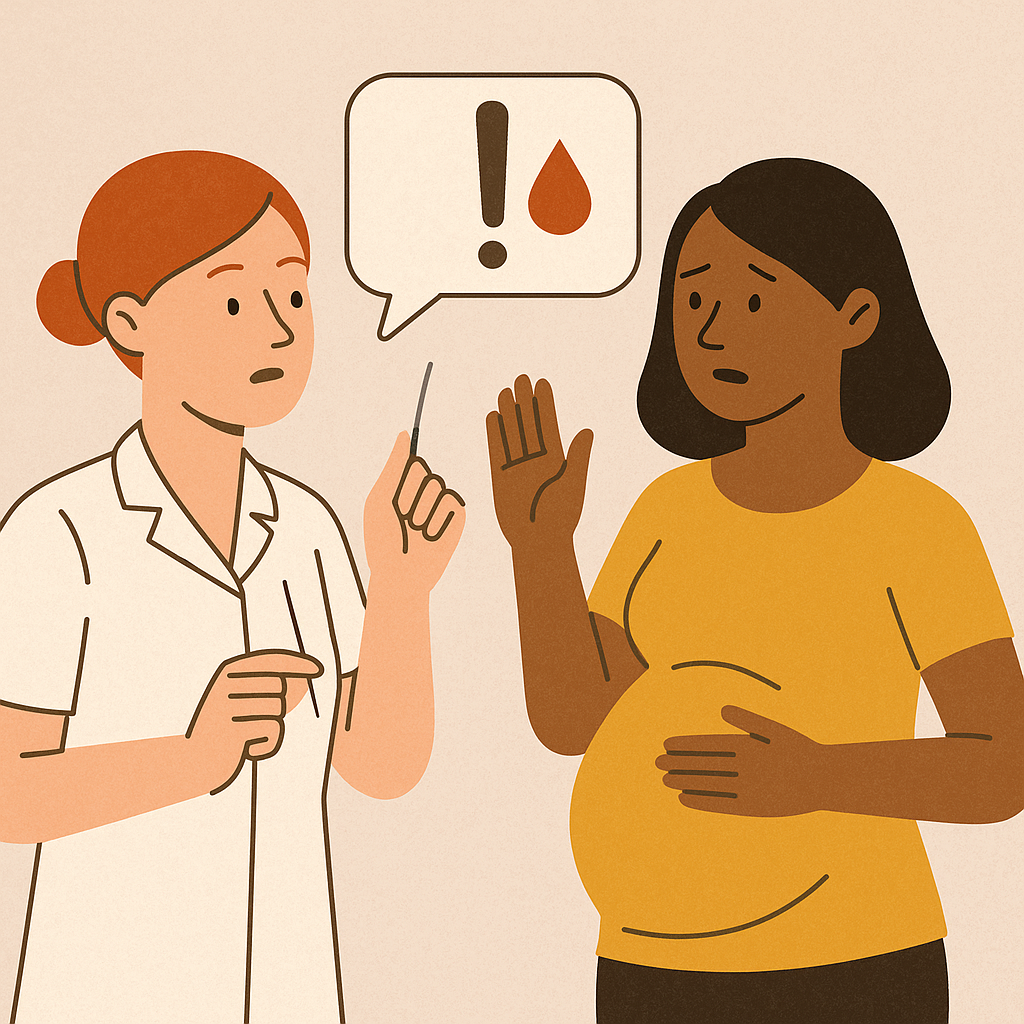
Common, short-lived effects: tiny bruises, a drop of bleeding, brief soreness, or relaxed sleepiness afterward.
Red Flags: Start With a Dentist or Doctor If You Notice These
- Teeth cracking, severe sensitivity, or a tooth that feels “high” when you bite
- Jaw locking open or closed, or mouth opening shrinking suddenly
- Facial swelling, fever, or suspected infection
- Loud snoring, choking/gasping in sleep, or heavy daytime sleepiness
- Sudden jaw pain with chest pain or breathing trouble
Handle urgent stuff first. Then add acupuncture to keep the jaw calm long term.
An 8-Week Starter Plan You Can Actually Use
Weeks 1–2
- Acupuncture: 2×/week
- Start or continue night guard
- Jaw reset twice daily; warm pack before bed
Weeks 3–4
- Acupuncture: 1×/week
- Add gentle mobility routine and screen micro-breaks
- No caffeine after midday
Weeks 5–6
- Acupuncture: weekly or every other week (depends on progress)
- Dental check-in on guard fit and tooth sensitivity
- Keep jaw reset; log morning comfort 1–10
Weeks 7–8
- Taper to every other week or monthly
- Keep the 2–3 habits that obviously help (everyone’s mix is different)
Most people report softer mornings by week 2–3, fewer tension headaches by week 4–5, and steadier nights by week 6–8.
Frequently Asked Questions
Will acupuncture stop my grinding?
It can reduce the drive to clench and the pain that keeps the jaw guarding. Use a guard to block wear while you calm the system.
How fast will I feel anything?
Some feel a difference after visit one; most need 4–6 sessions to judge the trend.
Do I still need the guard?
Yes. The guard is your physical insurance policy. Acupuncture is your muscle-and-nervous-system training.
Can it help TMJ clicking?
It can make the surrounding muscles behave and reduce irritation, which may lower clicking frequency. Structural joint problems still need dental guidance.
Is it safe if I’m pregnant?
Many points are fine with modifications. Tell your acupuncturist and follow your obstetrician’s advice.
What if needles bother me?
Say so. Fewer points, gentler techniques, or some acupressure can still move the needle (pun intended).
Is acupuncture a cure for bruxism?
There isn’t a one-size-fits-all cure. Acupuncture is a solid helper: less tension, less pain, calmer nights. Pair it with a night guard and a few steady habits for the best results.
How many sessions do I really need?
Plan 4–6 to start. If you’re improving, taper. If you’ve had jaw tension for years or you carry stress in your shoulders, expect closer to 8–12 before maintenance.
Can I skip dental treatment if I do acupuncture?
No. Acupuncture doesn’t repair enamel or fillings. Keep your dental appointments and use a guard while you retrain the jaw.
What about dry needling—same thing?
Dry needling targets trigger points; acupuncture uses a broader framework. Both can ease muscle tension. Choose a qualified clinician you’re comfortable with.
Will my insurance cover this?
Policies vary. Some reimburse for pain or TMJ-related visits. Ask your clinic for a receipt you can submit.
Can I do anything at home between sessions?
Yes: jaw reset, heat before bed, a short mobility routine, screen micro-breaks, and a caffeine cutoff. Small, boring changes win.