5 Easy Ways to Clean Your Retainer
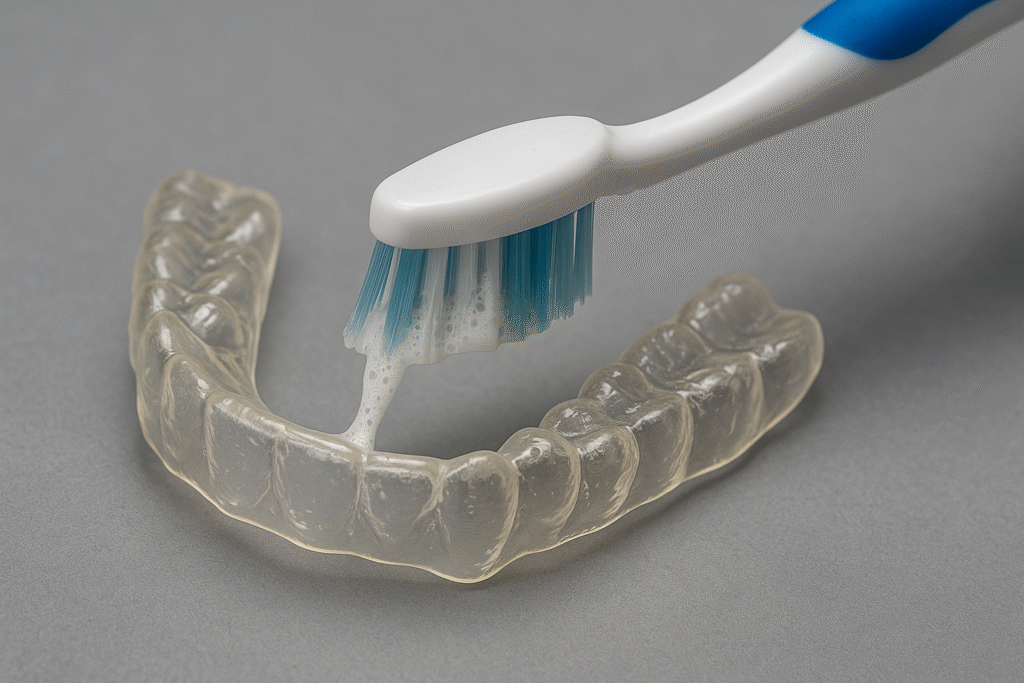
Wearing a retainer is the quiet part of orthodontic treatment—the part that keeps your teeth from going back after braces. But retainers collect plaque, food film, and odors just like teeth do. If your retainer looks cloudy, smells “stale,” or feels slimy, it’s not you—it’s biofilm. The fix isn’t complicated or expensive. You just need a routine that’s gentle, consistent, and matched to your retainer type.
This guide gives you five proven ways to clean retainers (clear trays, Hawley plates, and fixed/bonded wires), exactly what to use, what to avoid, and a simple schedule.
Quick Guide:
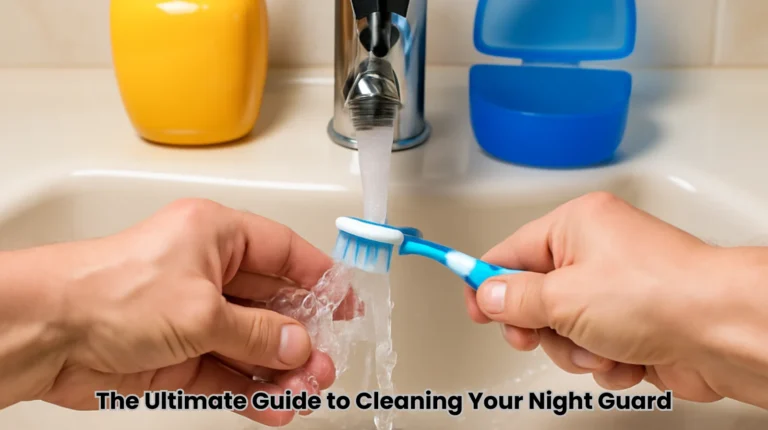
- Rinse the retainer with cool water the moment it comes out of your mouth.
- Brush it lightly with a soft toothbrush plus a drop of mild, fragrance-free soap.
- Rinse until it squeaks clean; set it in a ventilated case to air-dry.
- Brush and floss your teeth before you pop it back in.
Know Your Retainer Type? (So You Clean It Right)

Clear Retainers (Essix/VFR)
Thin, transparent trays that snap over your teeth. They scratch easily. Use no abrasive toothpaste, no hot water, and skip colored mouthwashes that stain.
Hawley Retainers (Acrylic + Wire)
A sturdy acrylic plate with a front wire. It tolerates gentle brushing, but high heat and harsh chemicals can warp acrylic or irritate the metal components.
Fixed/Bonded Retainers (Lingual Wire)
A thin wire bonded behind front teeth. You don’t remove it, so the focus is flossing with threaders or interdental brushes to keep plaque and tartar from hugging the wire.
How to Clean Retainers: 5 Easy Methods
Each method lists materials, steps, timing, and cautions. Mix and match based on your build-up and retainer type.
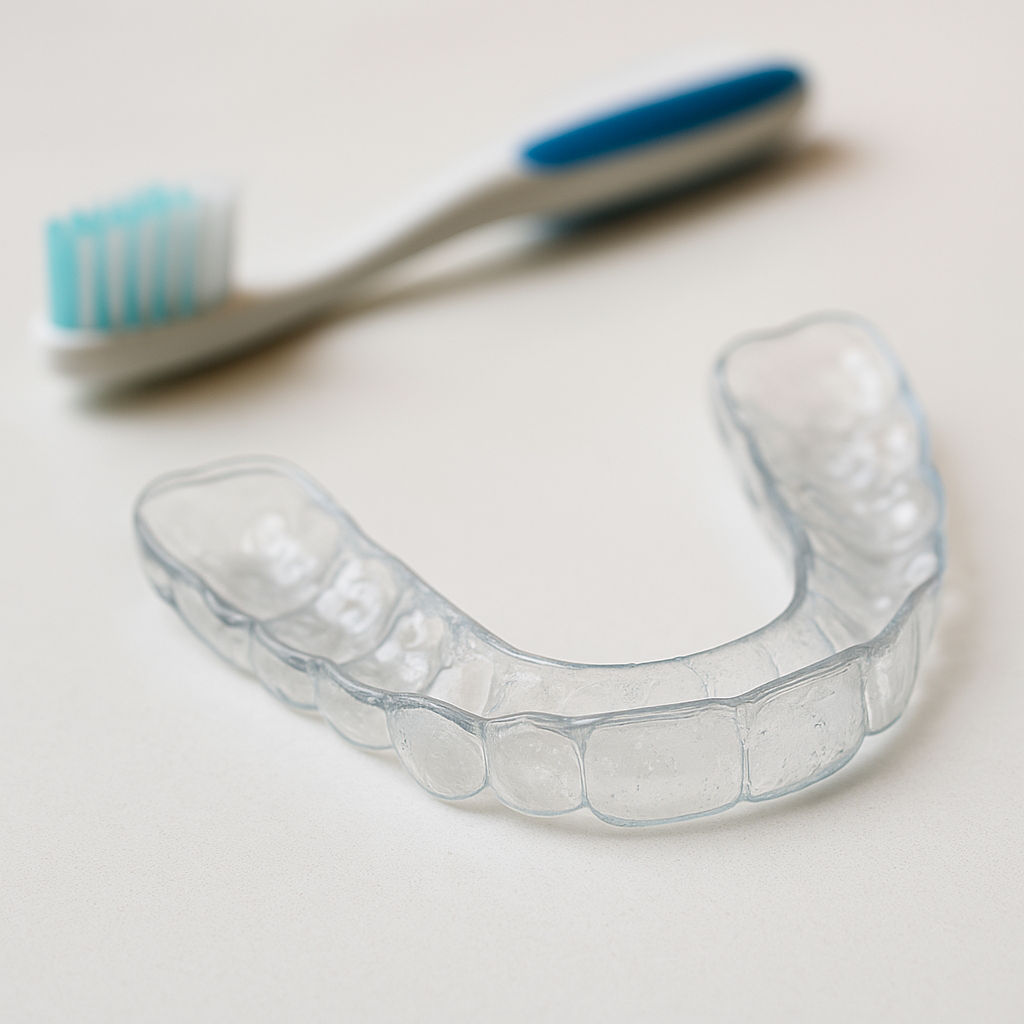
1) Daily Brush & Rinse (Best Everyday Habit)
Why: physically lifts fresh biofilm before it hardens.
You need:
- Soft toothbrush (dedicated for the retainer)
- Cool running water
- A drop of mild, fragrance-free dish or hand soap
Steps:
- Rinse the retainer under cool water.
- Add a tiny drop of soap to the brush.
- Brush all surfaces (inside, outside, around wires).
- Rinse until there’s no slick feel.
- Air-dry in a ventilated case.
Watch outs:
- No toothpaste on clear retainers. Abrasives scratch and make trays cloudy.
- No hot water. Heat warps plastic and acrylic.
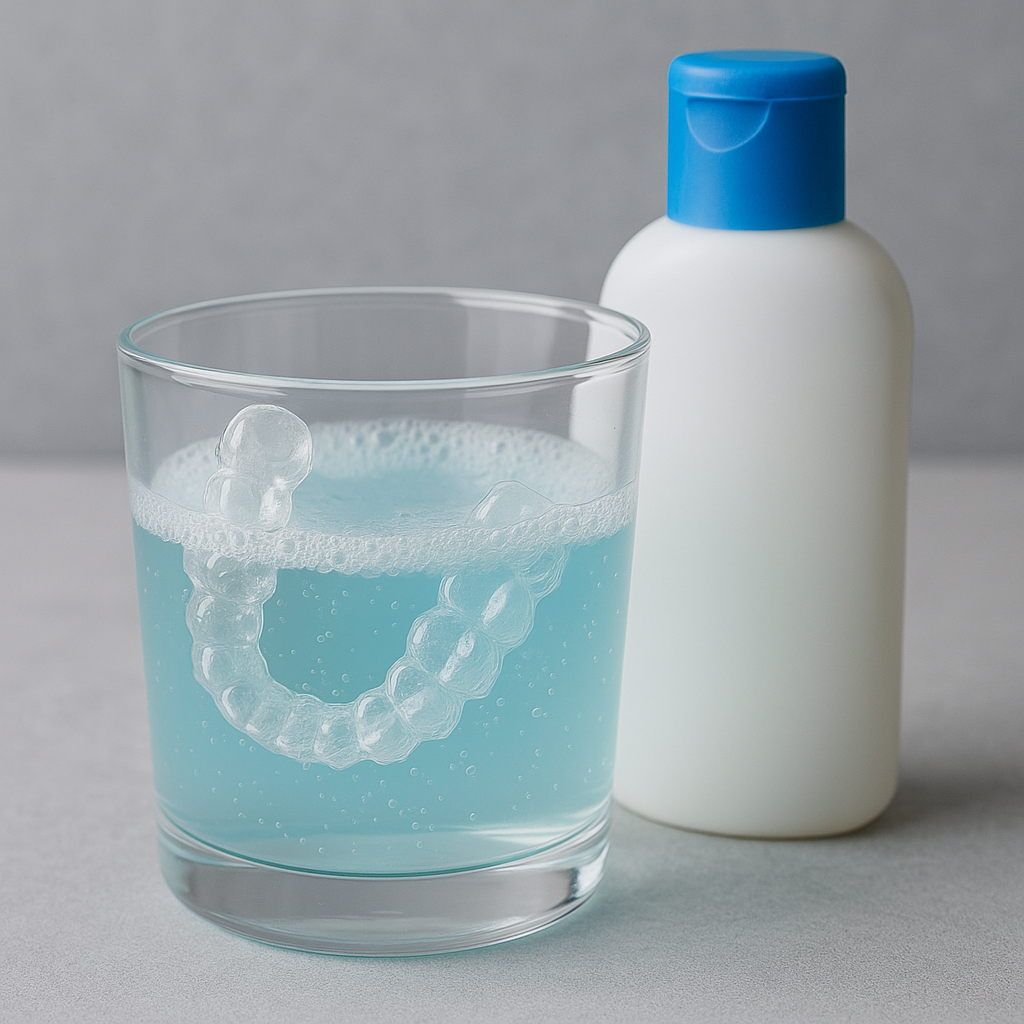
2) Mild Soap Soak (Every 1–2 Days)
Why: loosens film and freshens without harsh chemicals.
You need:
- Cup of cool water
- 1–2 drops mild soap
Steps:
- Mix water + soap.
- Soak 10–15 minutes.
- Brush gently, rinse well, air-dry.
Good for: clear and Hawley retainers. (Fixed wires don’t soak—focus on flossing.)
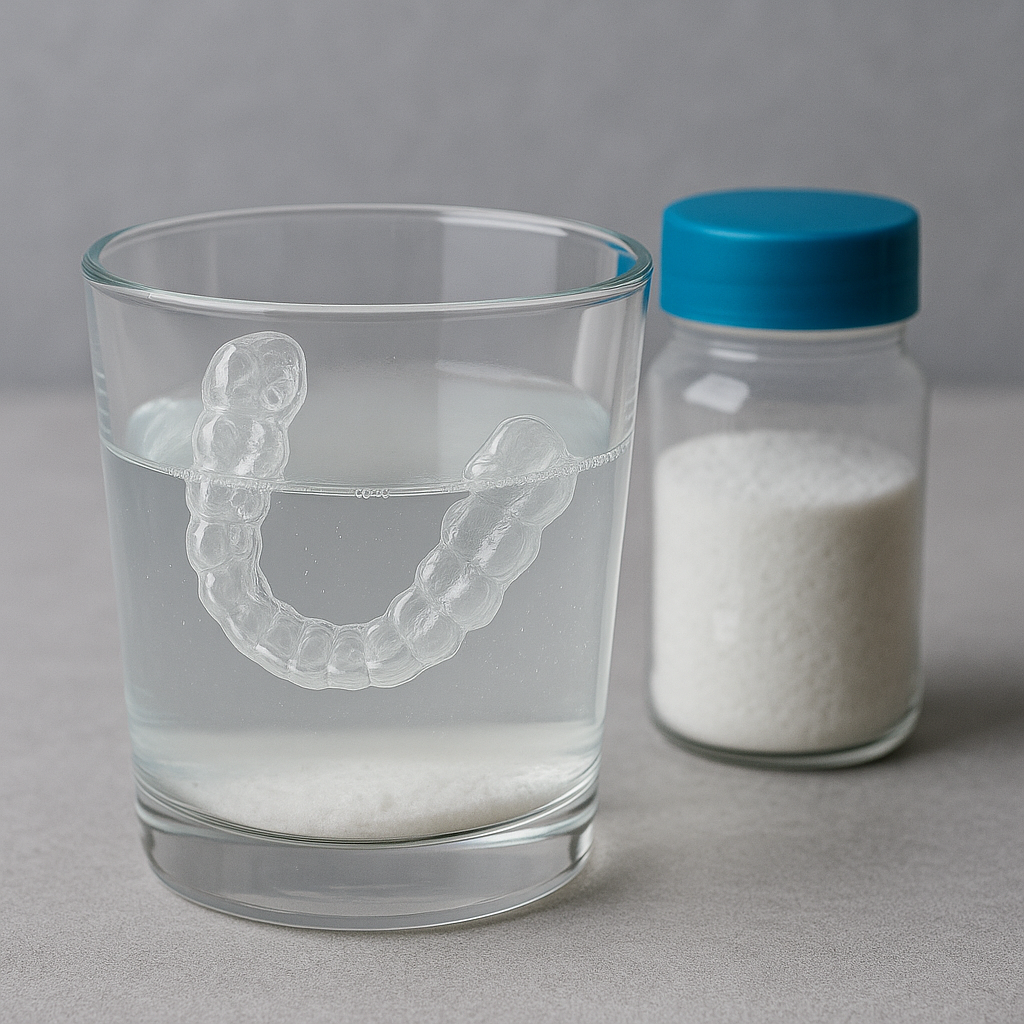
3) Baking Soda Soak for Retainers (Odor Control)
Why: raises pH and neutralizes smells while softening light buildup.
You need:
- 1 cup cool water
- 1–2 teaspoons baking soda
Steps:
- Dissolve baking soda in water.
- Soak 15–30 minutes.
- Rinse and air-dry; gentle brush if needed.
Watch outs:
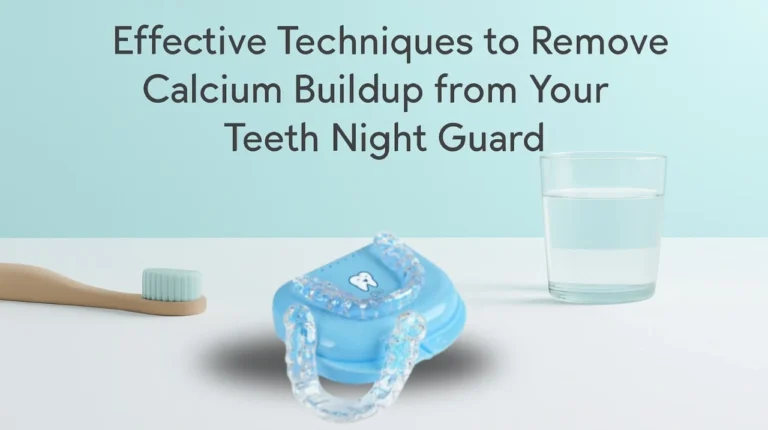
- Don’t “dry scrub” with baking soda on clear trays—always dissolve first to avoid micro-scratches.
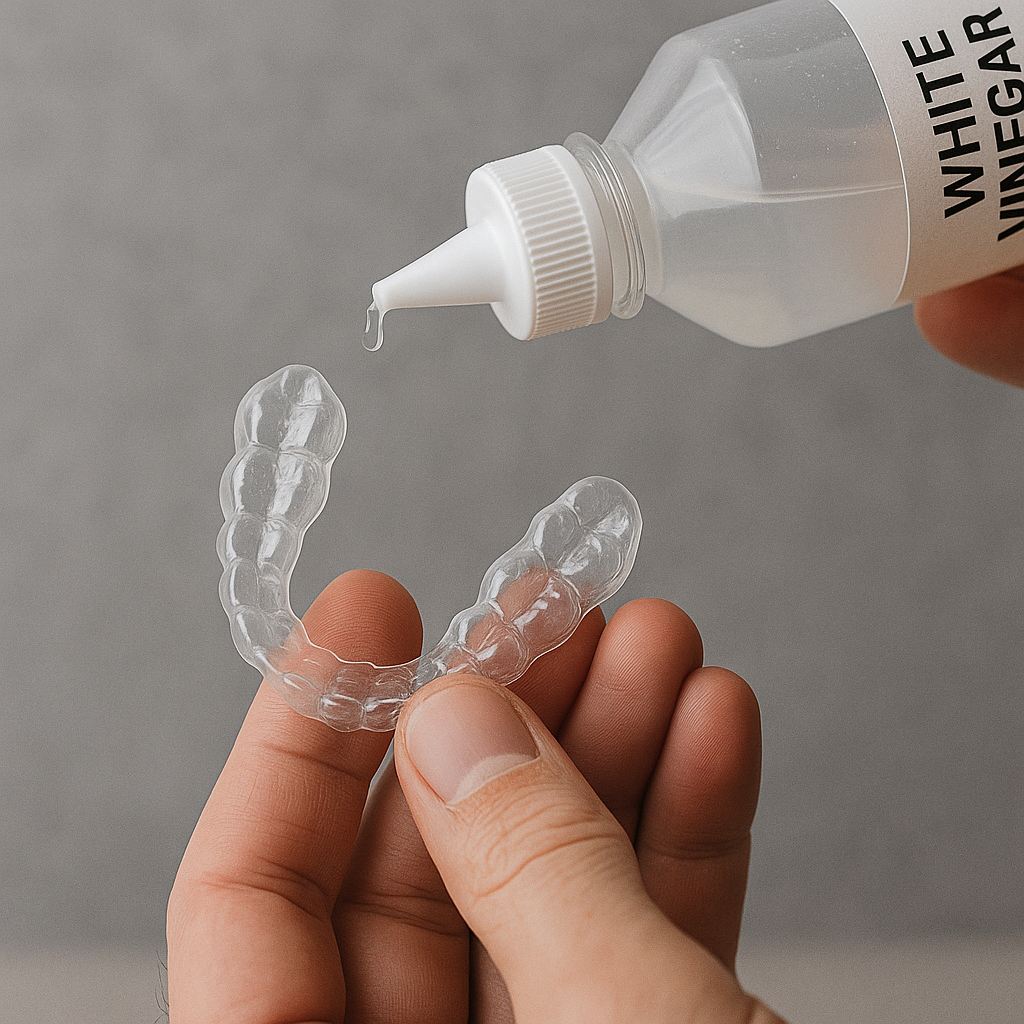
4) Vinegar De-Scale (For Chalky, White Deposits)
Why: white vinegar helps break down mineral deposits (tartar) that make retainers look dull.
You need:
- White vinegar + cool water (mix 1:1)
- Small cup or bowl
Steps:
- Soak 10–15 minutes only.
- Brush softly under cool water.
- Rinse thoroughly; air-dry.
Watch outs:
- Limit frequency on Hawley retainers with metal solder joints—ask your orthodontist about your specific appliance.
- Never mix vinegar with bleach or other cleaners.
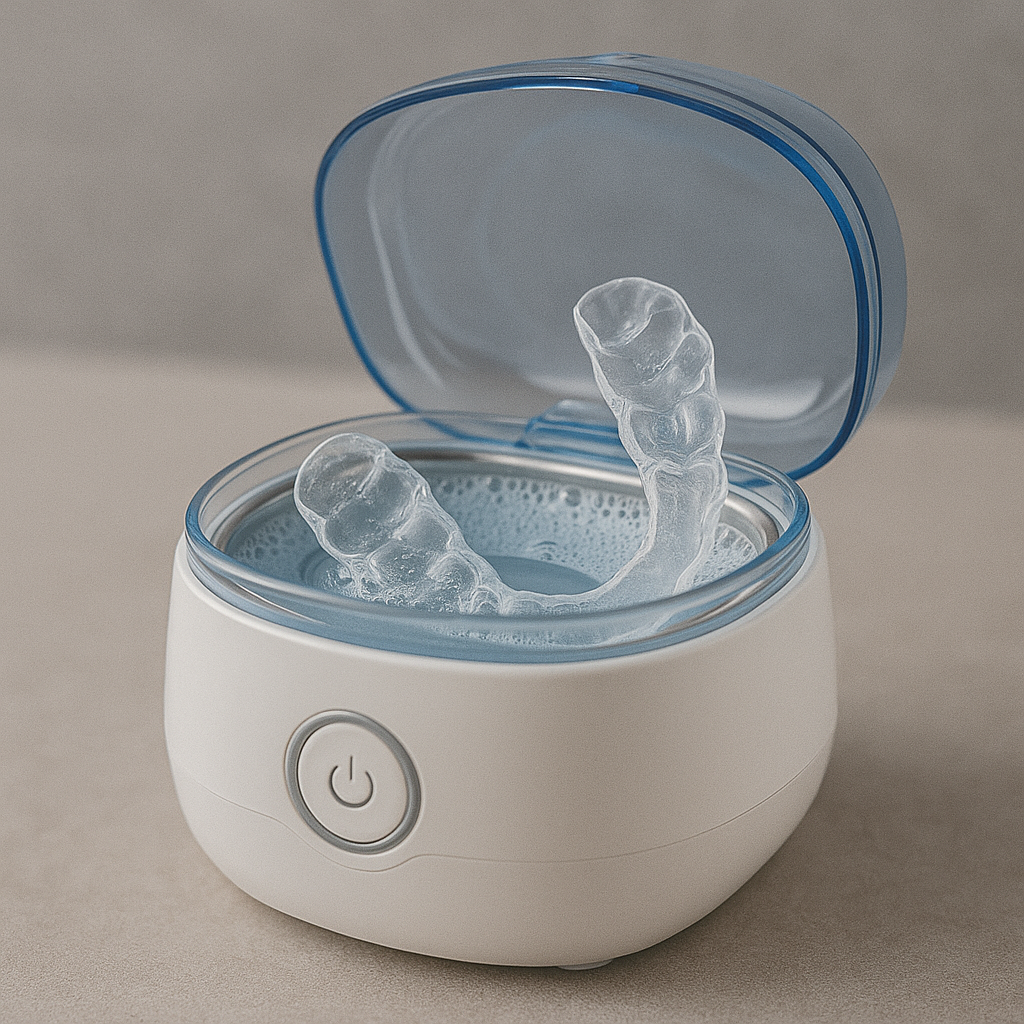
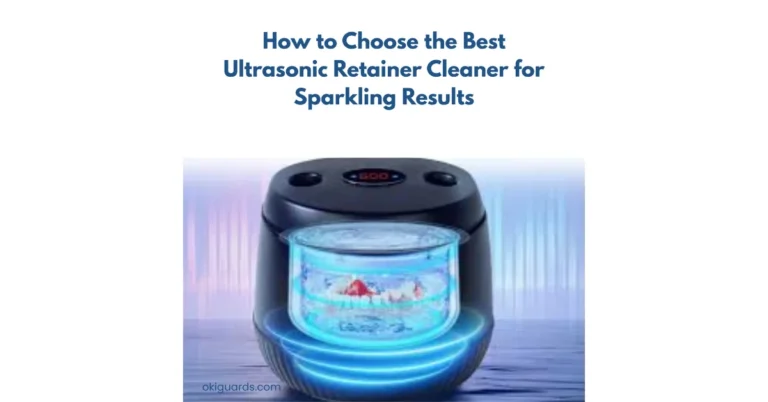
5) Retainer Cleaner Tablets or Ultrasonic Cleaner (Weekly Boost)
Why: reaches crevices that brushing can miss.
You need:
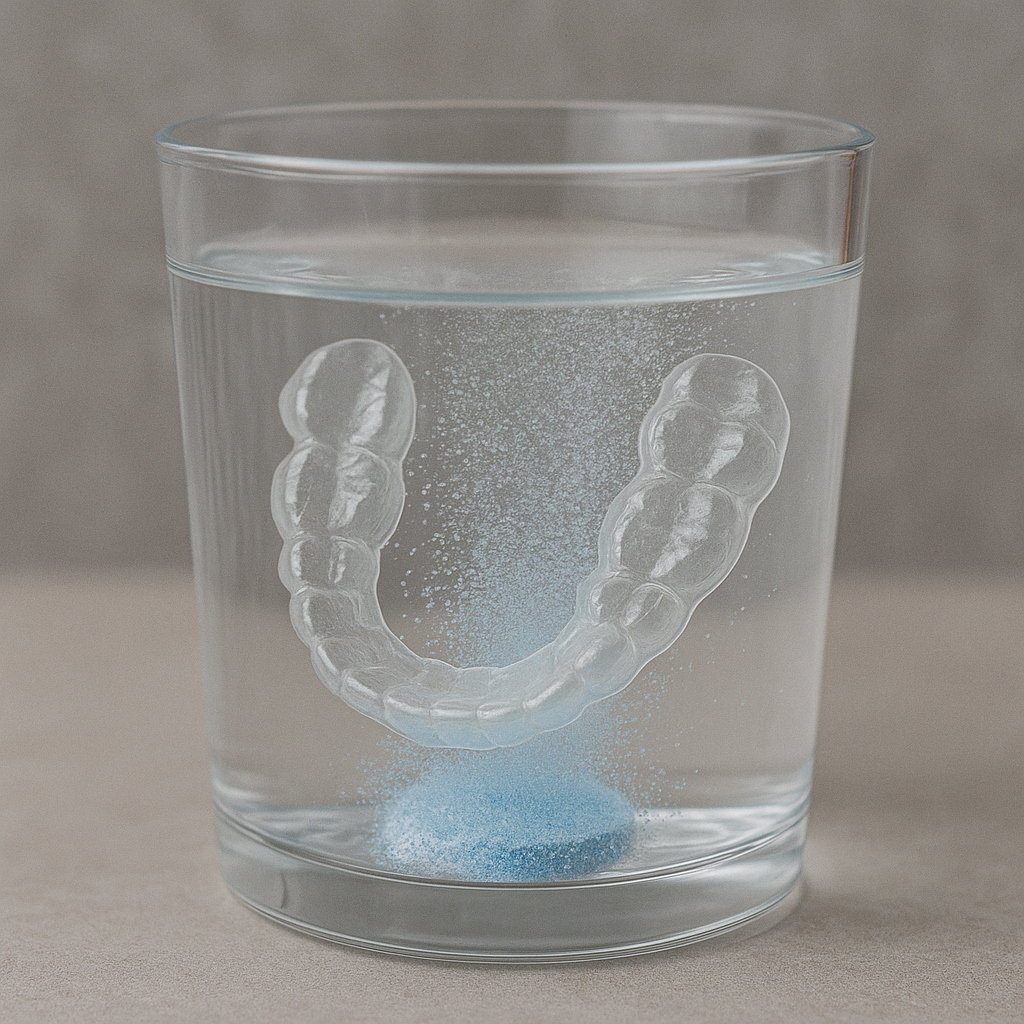
- Retainer/denture cleaning tablets (clear, dye-free formulas are best for clear trays), or
- Ultrasonic cleaner with plain water or a manufacturer-approved solution
Steps:
- Follow product directions for soak time.
- Rinse thoroughly.
- Air-dry completely.
How often: once a week for most; 1–3× if you build plaque quickly.
Deep-Clean Day: Rescue Plan for Film, Funk, or Stains
When routine care isn’t enough, run this once:
- Baking soda soak (15–30 min) → deodorize.
- Vinegar soak (10–15 min) → loosen mineral crust.
- Gentle brush under cool water.
- Optional tablet per label for a final polish.
- Rinse and air-dry fully before storage.
If deposits remain or the retainer looks warped or cracked, ask for a professional clean or replacement.
Clean Clear Retainer (Essix/VFR) Without Clouding
- Cool water only; never hot.
- Soft brush + mild soap (no toothpaste).
- Baking soda soak or tablet for odor; short vinegar soaks only when needed.
- Avoid alcohol-based or strongly colored mouthwashes.
- Air-dry before the case—dry plastic doesn’t smell.
Hawley Retainer Cleaning (Wire + Acrylic)
- Gentle brushing with mild soap is your base routine.
- De-scale with a short vinegar soak when you see chalky edges.
- Keep it away from car dashboards, radiators, dishwashers—heat warps acrylic.
- If a wire bends or the plate feels loose, don’t adjust it at home.
Fixed Retainer Cleaning (Bonded Lingual Wire)
- Thread floss under the wire daily with floss threaders or use superfloss.
- Interdental brushes work well where space allows.
- An electric brush with a pressure sensor helps you clean without scraping gums.
- Keep regular dental cleanings so tartar doesn’t cement around the wire.
Retainer Cleaner Tablets: How to Choose and Use
- Pick clear, dye-free tablets for transparent trays to avoid tinting.
- Follow timing exactly—long soaks can roughen plastic.
- Rinse until the retainer squeaks; don’t trap cleaner under the tray.
- Tablets are a supplement, not a substitute for daily brushing.
What Not to Do (The “Please Don’t” List)
- Don’t use boiling water, microwaves, dishwashers, or hot car dashboards.
- Don’t soak in bleach or strong alcohol mouthwash.
- Don’t scrub clear trays with abrasive toothpaste or powders.
- Don’t store wet in a sealed container—odor thrives without airflow.
- Don’t wrap in a napkin—most lost retainers vanish at lunch.
- Don’t keep wearing a cracked or warped retainer; call for a replacement.
Storage & Travel: Keep Retainer Fresh on the Go
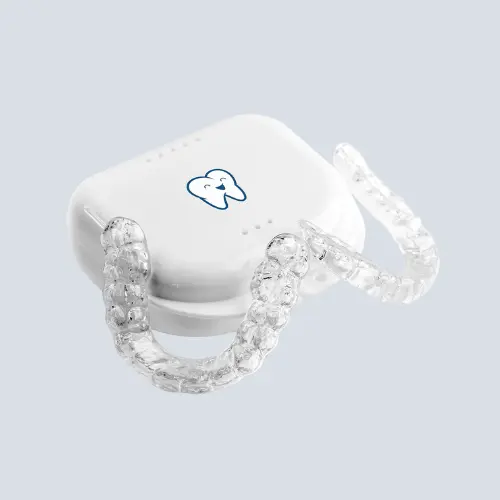
- Use a ventilated case; wash the case weekly with soap and water.
- Pack a mini brush and a travel-size mild soap.
If supplies are scarce, rinse well with cool water and dry with a clean tissue until you can do a proper clean
Troubleshooting: Quick Fixes for Common Problems
It smells even after brushing
Add a baking soda soak several times per week, let it dry fully, and clean the case—odor often lives there.
White crust that won’t budge
Run the vinegar de-scale. If it returns quickly, ask for a professional clean and tighten your daily routine.
Clear retainer turned cloudy
Likely micro-scratches from toothpaste or heat exposure. Switch to mild soap only; if clarity and fit are poor, replace it.
Feels tight or won’t seat all the way
Don’t force it. Teeth may have shifted or the retainer warped. Call your orthodontic office.
Rough spot or crack
Stop wearing it and arrange a repair or remake to avoid gum irritation and relapse.

How Often Should You Clean a Retainer?
- Daily: brush + rinse with mild soap; air-dry.
- Every few days: baking soda soak or a cleaner tablet.
- As needed: brief vinegar de-scale when you see chalky edges.
- At checkups: ask for a professional clean and a fit check.
- Consistency beats perfection. Pick the smallest routine you’ll actually do—and stick to it.
Frequently Asked Questions
How to clean retainers daily?
Rinse with cool water, brush gently with a soft brush and mild soap, rinse until squeaky, and air-dry in a ventilated case.
Can I use toothpaste to clean a retainer?
Use toothpaste only on Hawley acrylic if your orthodontist says it’s okay—and even then, go easy. Do not use toothpaste on clear retainers; it scratches and clouds them.
What removes retainer odor fast?
A baking soda soak (15–30 minutes) plus full air-drying. Add a weekly tablet clean for extra freshness.
How do I get rid of white crust on my retainer?
That’s mineral buildup. Use a 1:1 white vinegar to water soak for 10–15 minutes, brush gently, and rinse well.
Are denture tablets safe for clear retainers?
Yes—if labeled safe for clear trays. Choose dye-free tablets and follow the timing on the package.
Is hydrogen peroxide okay?
It can be used diluted, but it’s not essential if you have baking soda, mild soap, and tablets. When in doubt, skip peroxide and ask your orthodontist.
How do I clean a fixed/bonded retainer?
Thread floss under the wire daily and use interdental brushes. Keep up with professional cleanings to remove tartar.
How often should I deep clean?
If you brush daily, a weekly tablet or baking soda soak is plenty. Increase frequency if you notice odor or film.
Can heat damage my retainer?
Yes. Hot water, dishwashers, and car dashboards can warp plastic or acrylic. Always use cool water.
When should I replace my retainer?
Replace it if it’s cracked, warped, won’t seat properly, smells even after deep cleaning, or a fixed wire debonds.

Final note
A fresh retainer is comfortable, invisible, and something you’ll actually wear. Keep it simple:
Brush + rinse with mild soap every day.
Add baking soda or tablet soaks when you need extra freshness.
Use vinegar briefly to lift chalky mineral deposits.
Air-dry in a ventilated case.
Match the method to your clear, Hawley, or fixed retainer.
Protect the alignment you worked hard to earn with a routine that takes minutes—and keeps your retainer clear, clean, and odor-free.