Low Potassium Symptoms: Can It Trigger Night Jaw Tightness?
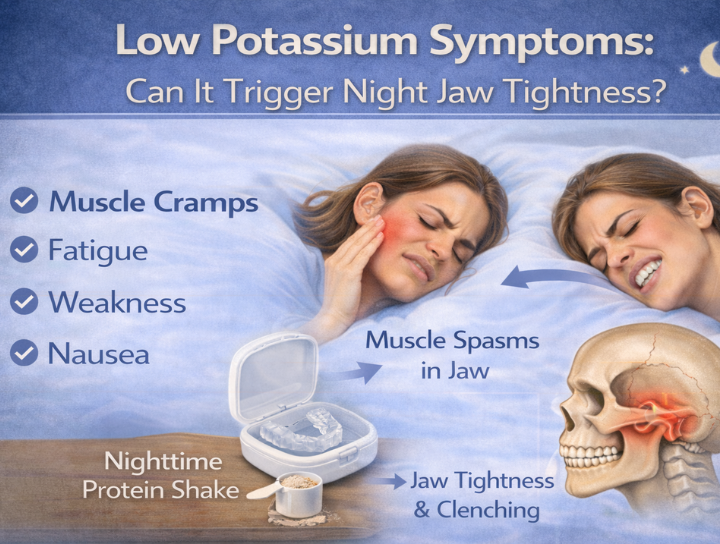
Night jaw tightness can feel surprising, and it can also feel like a useful signal that your body wants more support. Many people notice that teeth grinding at night feels stronger when the body feels “tight” in multiple areas. A more balanced routine around hydration and electrolytes often supports smoother muscle comfort, which can in turn support calmer nights and lighter mornings.This guide explains low potassium symptoms, how potassium deficiency can influence muscle comfort, why people link leg cramps and potassium, and how magnesium and muscle tension fit into an easy, practical plan. You will also learn supportive steps that fit real life and help your jaw feel more relaxed during sleep.
What potassium does for muscles during sleep
Potassium is an essential mineral and electrolyte that supports smooth nerve and muscle signalling. Muscles feel their best when they can contract and relax in an organised rhythm, and potassium helps support that rhythm. When potassium levels drop, the body can feel it through muscle discomfort, because muscles rely on a stable electrolyte balance for smooth movement and recovery.
Sleep is a recovery window, so nighttime often highlights what the body needs. If your muscles already feel “busy” during the day, the jaw can join that pattern at night, especially if you clench during focus or grind during sleep.
Low potassium symptoms that can overlap with night jaw tightness
People often search for low potassium symptoms after noticing a pattern of muscle-based signals. These signals can include:
- Muscle cramps or tightness
- Muscle fatigue or a “worked” feeling
- Muscle twitching or restlessness
- General low energy that improves with recovery routines
These symptoms can feel especially noticeable at night, when the body shifts into rest mode. When the body is seeking stability, the jaw can naturally “brace,” and that can create a morning feeling of tightness.
Can a potassium deficiency trigger jaw tightness?
A helpful way to frame this question is to keep it simple and practical. Potassium deficiency can contribute to a body-wide tendency toward muscle tightness or cramping, which can include the jaw for some people. Jaw tightness can also come from stress physiology, posture, mouth breathing, and the mechanics of clenching and grinding. This means potassium is often a support factor rather than a single cause.
A positive approach is to treat your symptoms like a pattern you can respond to. When you support electrolytes, hydration, breathing, and sleep habits together, many people feel a more settled jaw and a calmer morning baseline.
Leg cramps and potassium: why this connection feels so common
The search phrase “leg cramps and potassium” is popular because leg cramps are easy to notice and often occur at night. When calves or feet cramp, people naturally look for electrolyte explanations because electrolytes influence muscle comfort. If you notice leg cramps along with jaw tightness, that combination can be a useful hint that your body wants more support with hydration and electrolytes, daily recovery, and sleep setup.
This pattern can feel empowering because it points to small daily changes that can create a noticeable difference.
Magnesium and muscle tension: where it fits
Many people also explore magnesium and muscle tension because magnesium supports calm nervous system signalling and smoother muscle relaxation. Magnesium and potassium both play roles in muscle comfort, and a balanced routine often feels more supportive than focusing on only one mineral.
A practical mindset works well here: a steady food-based routine, steady hydration, and calm bedtime habits often support muscle comfort night after night. When you want extra clarity, a clinician-guided approach helps you make confident choices.
Hydration and electrolytes: the routine that supports calmer nights
Hydration and electrolytes work together. When hydration runs low, saliva flow can feel lower, and muscles can feel tighter. When electrolytes feel unbalanced, muscles can feel more reactive. A steady hydration routine throughout the day often feels more supportive than big late-night drinking, which disrupts sleep.
A realistic daily hydration plan
- Morning: Start with a glass of water as soon as you wake.
- Midday: Keep steady sipping during work breaks.
- Afternoon: Add fluids earlier rather than late at night.
- Evening: Enjoy small, calm sips, and keep bedtime comfortable.
Potassium-friendly habits that feel easy to follow
A food-first approach often feels natural and sustainable. Many people enjoy including potassium-rich foods in their regular meals. A balanced plate supports steady energy and steadier muscle comfort.
A supportive pattern looks like this:
- Consistent meals
- Balanced minerals through food
- Steady hydration
- Calm wind-down routines
This approach supports better sleep consistency and a calmer jaw baseline.
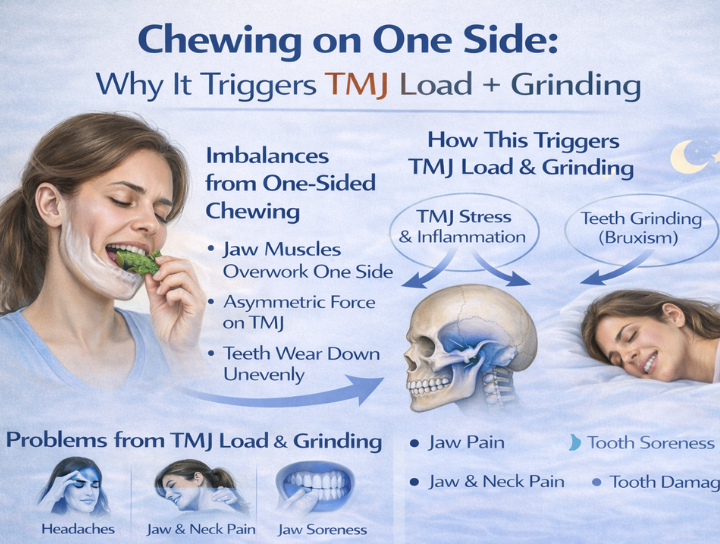
Teeth grinding at night and the “muscle bracing” effect.
Teeth grinding at night often occurs during lighter sleep stages or brief arousals. When the body feels more activated, the jaw muscles can become more active too. A tight jaw can also feel stronger when lips part during sleep, because mouth breathing can keep the jaw in a more engaged position.
A calmer mouth and calmer breathing often support deeper rest, and deeper rest often supports calmer jaw muscles.
Signs your dry, tight, or crampy pattern may be due to an electrolyte imbalance.
These signs often feel clear and useful:
- You wake up with jaw tightness plus body tightness
- You notice leg cramps, and potassium levels match your experience
- Your muscles feel more reactive after long talking days, caffeine-heavy days, or low-water days
- You feel better when hydration is steady, and sleep feels deeper
These signs help you build a plan that supports moisture, minerals, and recovery.
A bedtime routine that supports moisture and calmer jaw muscles
1) Hydration timing that feels sleep-friendly
Sip water steadily earlier in the day. Enjoy a small glass of water about 60–90 minutes before bed to support comfortable hydration.
2) A nasal breathing reset that feels relaxing
- Lips gently closed
- Teeth slightly apart
- Tongue resting softly on the palate
- Slow inhale and soft exhale
3) A quick jaw release routine
Use a warm compress on the jaw for 2–3 minutes. Add a gentle circular massage on cheeks and temples for 30–60 seconds.
4) A stable night setup
Keep the room comfortably cool. Balanced airflow supports moisture comfort and steadier sleep.
Practical tips that support dry mouth and muscle comfort
- Choose gentle evening drinks that feel smooth and hydrating.
- Keep your wind-down consistent because routine supports deeper sleep.
- Support saliva comfort with tooth-friendly habits that keep the mouth feeling fresh.
- Keep daytime posture relaxed because neck and shoulder tension often travels into the jaw.
When it’s smart to seek a medical check
A confident plan feels best when you know what your body needs. If muscle cramps are frequent, fatigue is unusual, or symptoms are strong, a simple check with a clinician can help confirm whether potassium is truly low. Clear information supports the most accurate plan.
Frequently Asked Questions
Can low potassium symptoms trigger night jaw tightness?
Low potassium symptoms can include muscle cramping and tightness, and jaw muscles can feel tighter when the body feels cramp-prone.
Why do people link leg cramps and potassium so often?
Muscle cramps are a common signal people notice, and potassium plays a key role in muscle comfort and smooth contraction patterns.
How do hydration and electrolytes support teeth grinding at night?
A steadier internal environment supports smoother muscle comfort and more settled sleep, and that settled sleep supports a calmer jaw.
Final note
Night jaw tightness often feels easier when your whole system feels supported. Potassium deficiency can align with low potassium symptoms like muscle cramping and fatigue, and that body-wide muscle pattern can overlap with jaw discomfort for some people. A supportive plan built around hydration and electrolytes, balanced nutrition, calm breathing, and steady bedtime habits often supports smoother sleep and lighter mornings. When you also manage teeth grinding at night with comfort-first routines, your jaw can feel calmer, and your mornings can feel more confident.