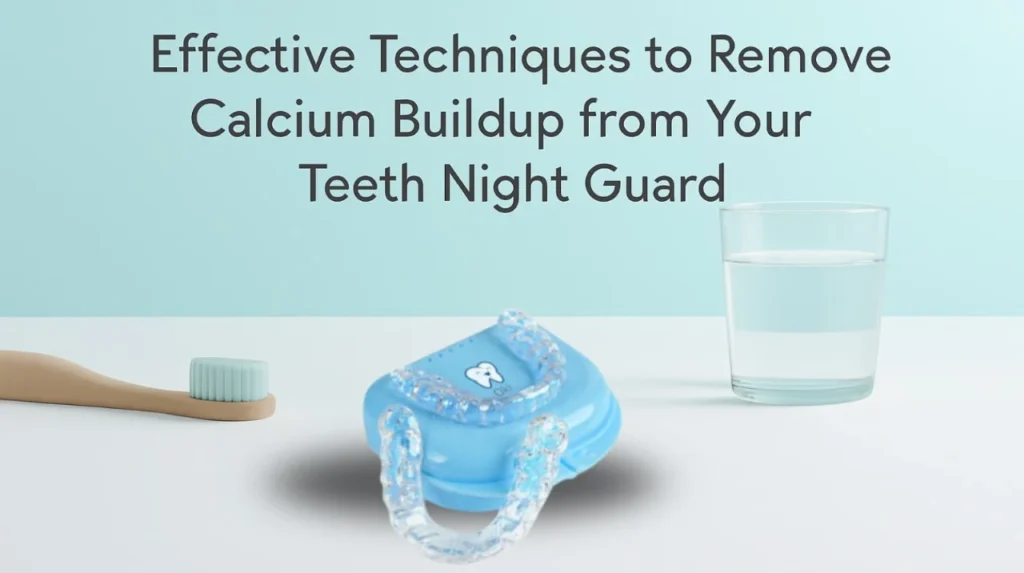
Effective Techniques to Remove Calcium Buildup from Your Teeth Night Guard
Wearing a Night Guard is a wonderful, proactive way to care for your smile. It cushions your teeth, supports your jaw, and helps you wake up feeling more relaxed. Just like any favorite item you use every day, your guard also appreciates a little regular care. Over time, you may notice soft, white, cloudy, or gently textured areas on the surface — a normal and reassuring sign of natural change.This is Calcium Buildup—a natural result of the healthy minerals in your saliva—and the encouraging news is that it can be handled gently and easily with a simple routine.
In this guide from OKi Guards, you’ll learn how to Remove Calcium in a safe, gentle way, why calcium buildup on night guard surfaces appears, and how to keep a consistently clean night guard with calm, straightforward steps. We’ll also explore when it might feel uplifting to upgrade to a fresh custom dental night guard, so your nightly protection stays as comfortable and effective as possible.
Understanding What Calcium Buildup Looks Like
When you look closely at a Night Guard that has been used regularly, you might see delicate white, off‑white, or slightly yellow areas on certain parts of the surface. They may look like tiny chalky specks, a light, misty film, or a thin, textured layer in grooves or around the edges. This is exactly how Calcium Buildup often appears. It usually starts very small and becomes easier to notice over time, especially if the guard could benefit from a deeper clean once in a while.
If you gently run a fingertip across the surface, those areas may feel less smooth.The material may also take on a soft, frosted appearance instead of being completely crystal clear, which is a normal sign of regular use. These changes are your Night Guard’s way of showing that it has been faithfully working for you in a mineral‑rich environment. Seeing a bit of buildup is not a problem—it is a friendly signal that your guard is ready for a little extra kindness and care.
Why Calcium Buildup Happens on Night Guards
Your saliva is naturally full of beneficial minerals such as Calcium and phosphate. These minerals are a gift for your teeth, helping them stay strong and supporting natural remineralization every single day. When your Night Guard rests in contact with saliva overnight, tiny amounts of these minerals can settle on the surface. Over time, especially if the guard dries with a light film of saliva on it, the minerals can gently form visible Calcium Buildup.
This process is normal. It happens on many types of dental appliances, including retainers and aligners. The way you store and rinse your guard can also influence how quickly these deposits appear. Placing a still‑damp guard into a fully closed case or using very mineral‑rich tap water for rinsing may encourage small deposits to stay behind.The positive side is that once you know why calcium buildup on night guard surfaces happens, you are perfectly positioned to guide the process in a more supportive direction. With a few simple habits, you can keep your guard feeling clear, smooth, and pleasant to wear.
Daily Habits to Keep Your Night Guard Fresh and Clean
A calm, consistent routine goes a long way toward keeping your Night Guard in beautiful condition. Each morning when you remove it, begin by rinsing it under cool or lukewarm water to wash away saliva. Then, using a soft toothbrush reserved just for your guard, gently brush the inside and outside with a mild, non‑abrasive cleanser such as a gentle liquid soap or a cleaner recommended by your dental professional.
Avoid gritty or whitening toothpastes, as they can create tiny scratches. A smooth surface helps minerals and plaque slide away more easily, which naturally supports a clean night guard. After brushing, rinse thoroughly so no cleanser remains, and place the guard on a clean surface to air‑dry completely. Once dry, tuck it into a ventilated case so fresh air can circulate. This simple routine keeps your guard feeling fresh, clear, and inviting to wear night after night.If muscles work overtime, the TMJ (jaw joint) gets irritated. You may hear clicks, feel an ache near the ears, or sense a subtle bite shift after long work sessions.
Gentle Home Methods to Remove Calcium Buildup
When Calcium Buildup becomes more visible, or you notice a slightly rough texture, you can refresh your Night Guard at home with gentle, time‑tested techniques. One of the most popular ways to remove Calcium uses plain white vinegar. Mix equal parts white vinegar and cool or lukewarm water in a small container. Place your Night Guard in the solution and let it soak for about fifteen to thirty minutes. The mild acidity of the vinegar encourages mineral deposits to soften.
After soaking, remove the guard and rinse it with clean water. Using a soft toothbrush, gently brush over the surfaces, especially where buildup was visible. You will often feel the surface become smoother as loosened deposits lift away. Rinse again until the vinegar scent is gone, and then allow the guard to air‑dry fully. Many people love how refreshed and light their Night Guard feels after this simple spa‑like treatment.
Baking soda is another friendly option. It is a mild, alkaline powder with soft polishing properties. After rinsing your guard, you can create a light paste by mixing baking soda with a little water. Apply this paste with a soft brush and gently massage it over the surfaces. This can help smooth and brighten the guard. Some people enjoy combining both methods—a short vinegar soak followed by a baking soda brush—to leave the appliance feeling especially clean and comfortable.
Denture cleaning tablets are also designed to care for dental devices gently. To use them, place your Night Guard in a glass of fresh water, add the tablet, and allow it to soak for the time recommended on the package. Once the soak is complete, rinse thoroughly and let the guard dry. This set‑and‑relax method is a convenient way to give your Night Guard a deeper refresh whenever you feel it needs one.If you ever prefer extra support, your dental office can professionally clean your Night Guard with solutions and equipment designed specifically for dental appliances. It can feel reassuring to know that this option is always available.
What to Avoid So Your Night Guard Stays Comfortable
While it is uplifting to Remove Calcium and see your Night Guard looking clear and cared for, choosing gentle methods helps the appliance stay comfortable for the long term. Very hot water can soften or change the shape of a custom dental night guard, so cool or lukewarm water is the safest choice for rinsing and soaking. This protects the precise fit you rely on.
Strong household cleaners, bleach, and concentrated alcohol solutions are wonderful for other surfaces but are too intense for Night Guard materials. They can influence the color and texture, so it’s best to keep them out of your routine for the most reliable results. Likewise, very abrasive pastes and stiff‑bristled brushes can roughen the surface, creating little grooves where new minerals can collect.Choosing soft tools and gentle ingredients keeps your guard looking smooth and feeling pleasant. It also supports your peace of mind, knowing that the steps you’re taking are kind to both the appliance and your smile.
If muscles work overtime, the TMJ (jaw joint) gets irritated. You may hear clicks, feel an ache near the ears, or sense a subtle bite shift after long work sessions.
Preventing Calcium Buildup with Simple Routine Tweaks
Once you have lovingly cleaned away existing deposits, prevention becomes pleasantly easy. Regular rinsing, gentle brushing, and thorough drying form the heart of your routine. If you live in an area with very hard water, doing your final rinse with filtered or bottled water can help reduce extra mineral exposure.
Storing your Night Guard in a clean, ventilated case is another supportive step. A case that allows air flow helps the guard stay dry between uses, which encourages freshness. Avoid placing your Night Guard in direct sunlight or near strong heat sources, as these conditions can gradually affect the material.Adding a weekly deep clean—whether it is a vinegar soak, a baking soda cleanse, or a denture tablet treatment—gives your appliance a regular reset. Thinking of this as part of your wider self‑care routine turns maintenance into a small act of kindness for yourself, your jaw, and your teeth.
Knowing When It’s Time to Treat Yourself to a New Night Guard
Even with excellent care, every Night Guard eventually completes its service and makes room for a new one. This is not a negative sign; it simply shows that your appliance has been a loyal partner in protecting your smile. Light calcium buildup on night guard surfaces that responds well to cleaning is usually easy to manage. Over longer periods, you may start to notice deeper wear marks, gentle changes in clarity, or a fit that feels a little more relaxed than before.
If your guard no longer feels as smooth, even after deep cleaning, or if you sense that it does not sit quite as snugly, it can be a lovely opportunity to upgrade to a fresh custom dental night guard.
A new guard restores that crystal‑clear appearance and a perfectly tailored fit that supports your bite and jaw most comfortably.A persistent odor that lingers despite good cleaning or visible dark areas that do not respond to gentle methods are also signs that an upgrade might feel good. Seeing replacement as a positive refresh rather than a problem keeps the process light. Your previous Night Guard has served you well, and a new Hard Night Guards for teeth can feel like a fresh chapter in your oral care.
Frequently Asked Questions
Is calcium buildup on a Night Guard something to worry about?
In most cases, Calcium Buildup on a Night Guard is simply a natural sign that your guard has been in regular contact with mineral‑rich saliva. It is very common and, happily, usually easy to manage with gentle, consistent cleaning. If you ever have questions, your dentist can take a look and offer personal reassurance.
What is a gentle way to Remove Calcium from my Night Guard?
A mild white vinegar soak followed by soft brushing is one of the easiest and most widely recommended ways to remove calcium at home. Baking soda or denture tablets can also be helpful when used as directed. The guiding principles are simple: use cool or lukewarm water, choose soft tools, and rinse thoroughly afterward.
How often should I deep‑clean my Night Guard?
Alongside daily rinsing and brushing, many people enjoy giving their Night Guard a deeper clean about once a week. If you notice that calcium buildup on night guard surfaces appears a bit faster, you can gently adjust your schedule and deep‑clean more often, while still using soft, non‑abrasive methods.
Can a Night Guard ever be ready for replacement?
Yes. Over time, a Night Guard may show signs that it has done its job beautifully and is ready to be replaced. If cleaning no longer restores the smooth feel, or if the material looks well‑used and the fit feels looser, choosing a new night guard for teeth can be a very positive step for comfort and ongoing protection.

Final note
Caring for your Night Guard is a gentle, rewarding way to care for yourself. When you take a little time to remove Calcium, rinse, brush, and store your appliance thoughtfully, you create a nightly routine that feels clean, calm, and supportive. A smooth, clean night guard is more pleasant to wear and continues to shield your teeth and jaw from grinding and clenching in a soft, protective way. Whether you are refreshing a Night Guard you already love or feeling excited about a new custom dental night guard from a provider like OKi Guards, you can trust that these small habits truly make a difference. With simple cleaning, mindful storage, and regular check‑ins with your dental professional, your Night Guard remains a steady, reassuring partner in your oral health—and your smile can continue to feel comfortable, fresh, and confident every day.