Tooth Sensitivity from Grinding: Causes, Helpful Signs, and Relief
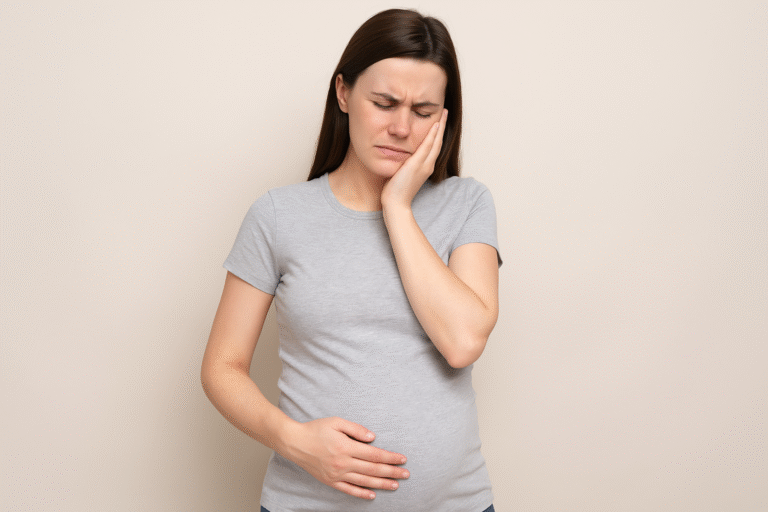
If you’ve ever enjoyed a cold drink and felt a quick “zing,” or noticed a twinge while brushing, you’re experiencing something many people deal with: Tooth Sensitivity. The most reassuring part is that sensitivity usually improves when you identify the real cause and protect your teeth consistently. One prevalent, often missed contributor is Teeth Grinding (bruxism). When you clench or grind—especially at night—your teeth and jaw muscles can take on extra pressure for long periods, and your enamel may start asking for support. This guide explains Tooth Sensitivity from Grinding in a simple, comfort-first way. You’ll learn what’s happening, what clues can point to grinding as the driver, and what steps bring steady relief. You’ll also see how a protective mouth guard for grinding teeth fits into a complete teeth grinding treatment plan, and what tends to work best when you’re searching for how to stop grinding teeth. The goal is easy: help you feel more comfortable, protect enamel, and make mornings feel lighter.
Why Teeth Grinding Can Create Tooth Sensitivity
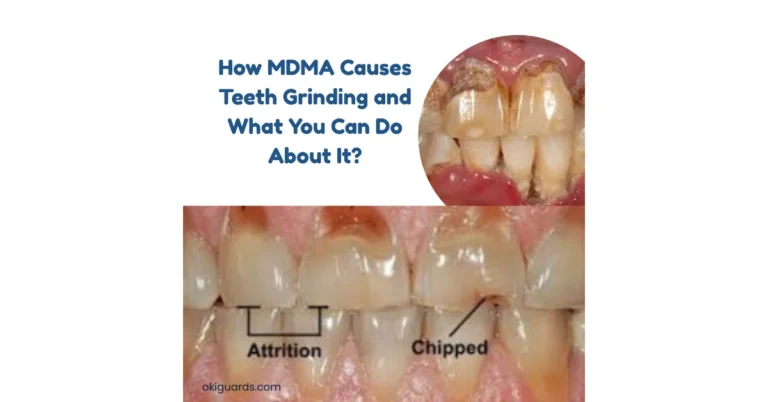
Your teeth are strong, and they’re designed for chewing and regular daily use.When teeth grinding creates repeated contact over time, it can reveal gradual changes that help highlight the importance of care and protection. That’s when Tooth Sensitivity can show up. Enamel is the outer protective layer of the tooth. Enamel itself doesn’t contain nerves, so it doesn’t “feel” pain. Sensitivity happens when enamel becomes thinner, or when tiny pathways form that let cold, heat, sweetness, or pressure reach the inner tooth structures more easily. When those inner structures are stimulated, you feel that quick, sharp sensation. In many people, Tooth Sensitivity from Grinding develops through a few natural, gradual processes.
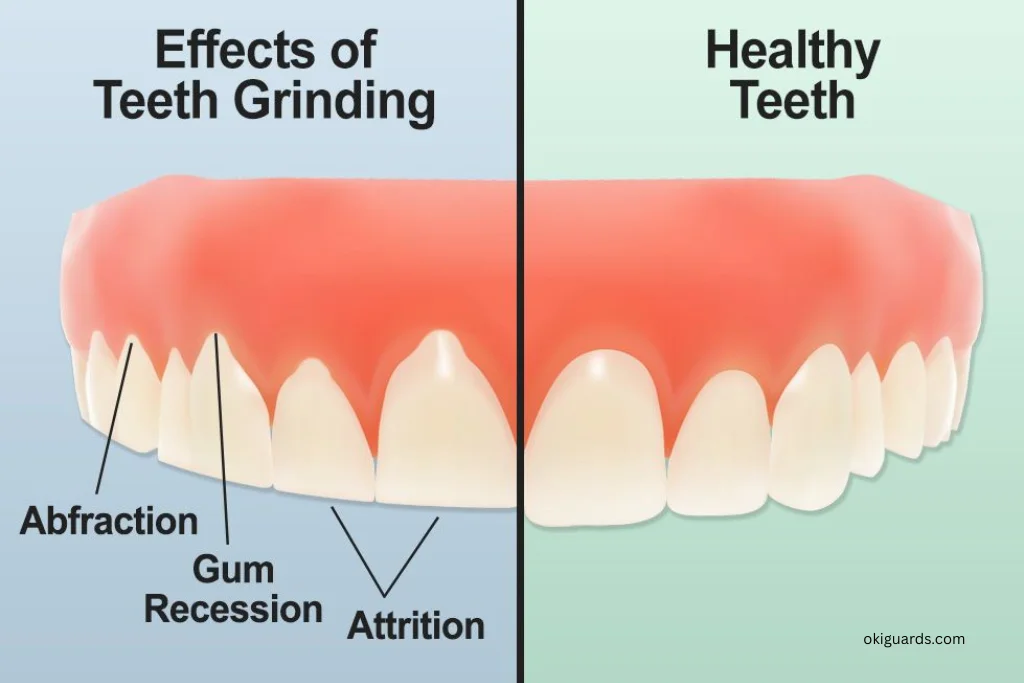
One is enamel thinning. Grinding can gently flatten the biting edges over time. When enamel is reduced, teeth can feel more reactive to temperature. Another is the formation of tiny lines or micro-changes on the enamel surface. Even when they’re not visible, they can help transmit sensations more easily. A third is gumline exposure. In some cases, long-term clenching and bite stress are linked with gum irritation or recession. If the gumline pulls back, more of the root area can be exposed, and roots are naturally more sensitive than enamel-covered areas. The positive takeaway is simple: once you start protecting your teeth and reducing pressure, you’re giving your enamel and your comfort a real chance to improve.
Helpful signs that point to Tooth Sensitivity from Grinding
Sensitivity can happen for several reasons, including cavities, gum recession, whitening products, or frequent acidic foods and drinks. That’s why it helps to look for patterns that are especially common when Teeth Grinding is involved. A very common clue is sensitivity that feels more noticeable in the morning. If your teeth feel tender after you wake up, or cold air triggers a quick sting early in the day, grinding may be part of the story. Another helpful clue is sensitivity across multiple teeth rather than only one. Grinding often affects the bite as a system so that several teeth can feel reactive at the same time.
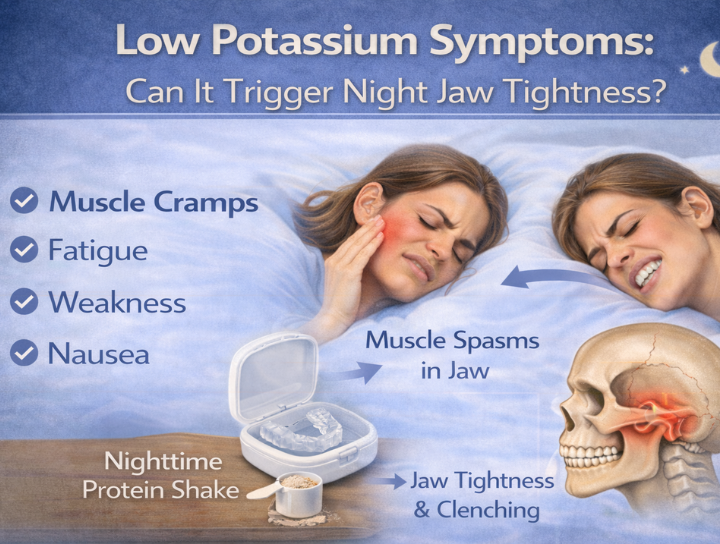
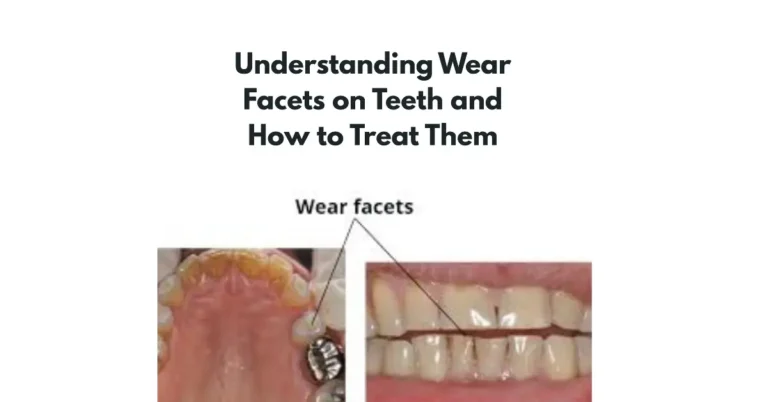
Many people also become more aware of sensitivity along the biting edges, offering helpful insight beyond just the gumline. If the top surfaces feel more reactive, that can align with gradual wear from repeated contact. Grinding-related sensitivity can sometimes appear as brief signals that pass quickly, offering helpful feedback from the teeth. You feel it with cold, then it passes quickly. That “fast in, fast out” sensation is common when the tooth surface is more exposed or more responsive. If you also notice jaw tightness, tired chewing muscles, tension around the temples, or a feeling that your bite is “heavier” in the morning, that combination can strongly suggest grinding is contributing. These signs are helpful, not scary. They guide you toward the proper relief.
Why can grinding intensity increase over time
A lot of people wonder, “Why did this start now?” That’s a reasonable question, because bruxism can be subtle for a long time and then become more noticeable. Grinding intensity often rises when the nervous system is under more load. Stress, busy seasons, and anxiety can increase muscle tension. Sleep changes matter too. When sleep is lighter or more interrupted, the body can stay more reactive, and jaw muscles may clench more.
Lifestyle patterns can add to it. Caffeine later in the day, nicotine, and alcohol close to bedtime can reduce deep sleep quality for some people, which may influence clenching. Bite changes can also play a role. New dental work, shifting alignment, or orthodontic transitions can change how teeth meet. Your jaw muscles may clench more while they adapt. The encouraging part is that these factors are all areas where minor, positive adjustments can add up to noticeable improvement.
Relief that works: calm sensitivity now and protect teeth tonight
The most effective relief plan for Tooth Sensitivity from Grinding usually has two supportive parts. One part is soothing sensitivity during the day. The other is protecting your teeth at night so they aren’t taking repeated friction while you sleep. To calm sensitivity during the day, gentle care helps a lot. Many people do best when they brush softly, use a sensitive toothpaste consistently, and avoid aggressive scrubbing. Sensitivity toothpastes are most effective when used regularly because they help reduce stimulation over time.
It also helps to be mindful of acidic foods or drinks. Acid can temporarily soften the tooth surface. Waiting a bit before brushing can make your routine feel more comfortable. At the same time, daytime care works best when you also reduce nighttime wear. If Teeth Grinding is the cause, your teeth benefit from a nightly barrier so they aren’t rubbing together for hours. This is where a mouth guard for grinding teeth can be a significant comfort upgrade. A Night Guard creates a buffer between upper and lower teeth, reducing direct enamel contact and spreading pressure more evenly. Over time, that protection can reduce ongoing wear and help sensitivity settle.
When people search for the best night guard for teeth grinding, the honest answer is usually comfort plus consistency. A guard helps most when you can wear it regularly, and that’s why fit matters. Many people choose a custom-fit night guard for teeth because it can feel smoother, sit more securely, and be easier to tolerate than one-size options. That comfort advantage is one of the biggest reasons custom guards become part of a long-term teeth grinding treatment routine.
Teeth grinding treatment: what helps beyond a night guard
A Night Guard is a protective tool. It’s excellent at preventing tooth-on-tooth wear, and it supports comfort. At the same time, many people feel their best when they pair protection with habits that reduce clenching intensity. One of the most helpful strategies is reducing daytime clenching. Many people don’t realise they clench while working, driving, or focusing. When jaw muscles stay active all day, nighttime tension can become more likely. A gentle posture cue can help: keep your lips together and allow your teeth to stay slightly apart. This permits the jaw muscles to rest.
Evening routines matter too. If your nervous system feels “busy” at bedtime, jaw muscles often stay tense. A short wind-down can be enough to help your system settle. Slow nasal breathing, a warm compress on the jaw, and gentle jaw movements can feel soothing when done consistently. Sleep support is another valuable piece of teeth grinding treatment. You don’t need a perfect routine. Keeping caffeine earlier in the day, reducing alcohol close to bedtime, and keeping sleep timing reasonably steady can improve sleep stability for many people. These steps are not strict rules. They’re small, supportive changes that help your jaw feel calmer at night.
How to stop grinding teeth in a realistic, positive way
When people search for how to stop grinding teeth, they usually want a single permanent fix. Bruxism often has more than one driver, so the most successful approach is usually a simple, layered plan. The good news is that this type of plan works well, and many people reduce grinding dramatically. Start with protection. A mouth guard for grinding teeth protects enamel while you work on the other layers.
Add habit awareness. Reducing daytime clenching lowers the total load on jaw muscles. Support the nervous system. Better sleep stability and stress support often reduce nighttime tension. When these layers work together, many people notice calmer mornings, fewer sensitivity “zings,” and a more relaxed feeling around the jaw.
When a dental check can speed up relief
Most sensitivity improves with protection and consistent care, and a dental check can be a helpful shortcut when you want clarity. If sensitivity feels strong, keeps returning, lingers after hot or cold, or seems focused on one tooth when you bite, it’s a smart move to see a dentist. The purpose isn’t to worry you it’s to get a clear answer quickly. A simple exam can confirm whether the cause is mainly Tooth Sensitivity from Grinding, a cavity, gum recession, or a crack. Once you know the cause, choosing the best relief becomes much easier.
Choosing the best night guard for teeth grinding (comfort-first)
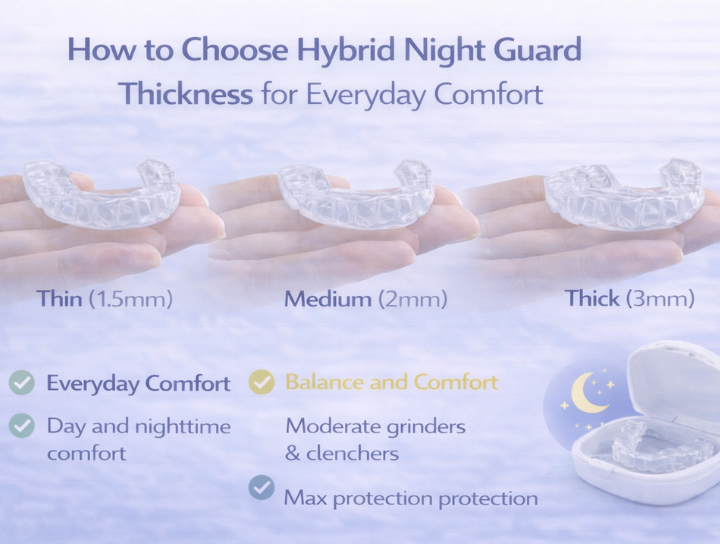
If you’re trying to choose the best night guard for teeth grinding, the most helpful comfort-first principle is to match the guard to your grinding intensity and choose something you’ll actually enjoy wearing. Light grinders often prefer a slim, cushioned feel. Heavy clenchers often need more durability. Many people with moderate grinding prefer a balanced option that feels comfortable while still holding up well.
If you’re considering a custom approach, OKI Guards focuses on custom-fit night guards made from at-home impressions and offers different thickness choices so the guard can align with comfort needs and grinding intensity. A smoother, well-fitting guard often makes nightly wear easier, which is where long-term protection happens. The most positive part is that you don’t need to guess perfectly. With the right fit and consistent wear, you can protect enamel and give sensitivity a real chance to calm.
Frequently Asked Questions
Can Teeth Grinding Really Cause Tooth Sensitivity?
Yes. Teeth grinding can wear enamel and create tiny surface changes that make teeth more reactive. That’s why Tooth Sensitivity from Grinding often shows up as quick zings with cold, sweets, or brushing.
Will a mouth guard for grinding teeth reduce sensitivity?
A mouth guard for grinding teeth helps by reducing direct tooth-on-tooth contact at night. Over time, many people notice fewer sensitivity spikes because enamel is protected from ongoing friction and pressure.
What is the best teeth grinding treatment if I have sensitivity?
A strong teeth grinding treatment plan often combines nightly protection, daytime unclenching habits, and sleep support. That combination protects enamel and helps reduce the muscle-driven force that can make sensitivity more noticeable.
How long until Tooth Sensitivity improves?
Some people notice improvement within a couple of weeks with consistent protection and gentle daily care. If symptoms feel strong or keep returning, a dental check can identify the cause and speed up relief.
How to stop grinding teeth long-term?
Long-term improvement usually comes from consistent protection, reducing daytime clenching, and improving sleep stability. Many people see significant reductions when they combine these steps in a calm, sustainable way.

Final note
Tooth sensitivity is your body’s way of asking for a little extra support and that’s something you can respond to confidently. If Teeth Grinding is the driver, you’re not stuck. With a comfort-first plan gentle daily care, a protective mouth guard for grinding teeth at night, and a supportive teeth grinding treatment routine you can protect enamel and help sensitivity settle. Most importantly, you can move forward with confidence. Many people feel a meaningful improvement when they protect their teeth consistently and reduce clenching triggers over time. Your smile can feel comfortable again, and your mornings can feel lighter.