Do Tori Bones Contribute to Nighttime Teeth Grinding?
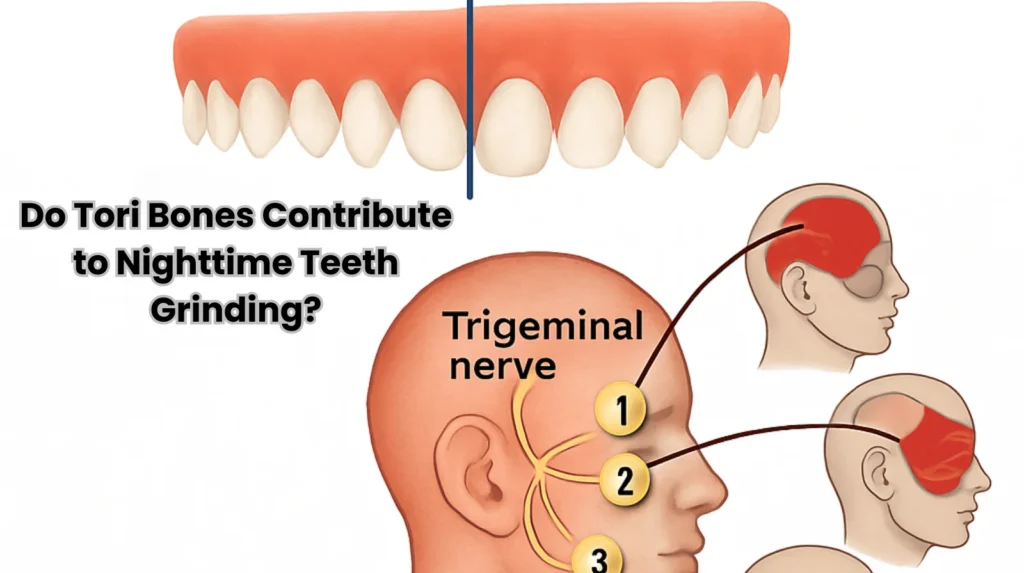
Noticing a small, firm bump inside your mouth and realizing you may be grinding your teeth at night can feel surprising, but it can also be the start of something very positive: truly understanding your smile. Those little bumps are often tori, sometimes casually called tori bones, and in most people, they are completely harmless. Nighttime teeth grinding, or sleep bruxism, is also common and highly manageable. When you put the two together, you do not get a crisis—you get a clearer picture of how your jaw works and how you can support it with a bit of extra care.
For OKi Guards, the focus is always on calm, practical solutions. In this article, we will gently explore what tori are, how nighttime grinding works, what researchers currently know about the connection between the two, and how a custom Night Guard or bruxism night guard can help you sleep more comfortably while protecting your teeth. The goal is to give you reassuring, easy‑to‑understand information so that any decisions you make with your dentist feel confident and well‑informed.
What Are Tori Bones?
Tori is the plural of torus, a simple term for a small area of extra bone inside the mouth. These growths are not infections or tumors; they are simply spots where your body has built a little more bone. Two very common types are torus palatinus, which sits on the roof of the mouth, and torus mandibularis, often called mandibular tori, which lies along the inside of the lower jaw. Many people live happily with tori for years without even realizing they are there until a dentist mentions them in passing.
From a health perspective, tori are usually considered normal variations in anatomy. They tend to grow very slowly, may stay quite small, and are almost always noncancerous. Most of the time, they do not cause pain and do not need to be removed. Only in specific situations—such as when they interfere with speech, chewing, cleaning, or the fit of dentures or appliances—might a dentist suggest reshaping or removing them. For the majority of people, tori are simply a unique part of their mouth’s natural architecture.
A Gentle Look at Nighttime Teeth Grinding
Nighttime teeth grinding is called sleep bruxism. It happens when your jaw muscles tighten, or your teeth move against each other while you sleep, usually without you being aware of it. This habit is common, and it often comes and goes over the course of a lifetime. Instead of thinking of it as something scary, it can be helpful to view it as your body’s way of responding to stress, bite patterns, or other internal signals.You might suspect that you are grinding if you wake up with a mild sense of tightness in your jaw, notice that the edges of your teeth look a bit flatter, experience brief morning headaches, or hear from a partner that there are grinding sounds during the night.
Your dentist may see smooth, polished areas or gentle wear patterns on your teeth and mention the possibility of bruxism. None of these signs means that damage is inevitable—they mean this is a good time to explore gentle support and protection.Sleep bruxism can be influenced by many things, including daily stress, sleep quality, how your teeth come together when you bite, and even certain medications or lifestyle habits. The encouraging part is that, because so many factors are involved, there are also many ways to improve your comfort. Relaxation techniques, small lifestyle adjustments, and a well‑designed Night Guard can all contribute to calmer nights and more relaxed mornings.
Do Tori Bones Actually Cause Nighttime Grinding?
Right now, research does not show that tori directly causes teeth grinding. What studies have found is a friendly clue: people who have mandibular tori are more likely to show signs of bruxism and tooth wear than people who do not. This suggests that tori and grinding often occur together in the same mouths, but it does not prove that one automatically creates the other.
A positive way to understand this is to imagine tori as little signposts. They tell your dentist that your jaws and teeth have probably handled higher chewing or clenching loads over time. Some researchers even believe that bruxism and strong chewing forces may encourage certain areas of bone to grow and thicken, which is one possible reason to appear. In that sense, tori can be seen as your body’s way of reinforcing itself.
It is important to remember that many people with tori never grind, and many people who grind never develop tori. The relationship is an association, not a rule. Rather than thinking “tori causes grinding,” it is more comforting and accurate to think “tori and grinding may both be part of how my jaw has adapted—and now I can take kind, protective steps for the future.”
How Tori and Grinding Can Affect Comfort
Even if Tori does not switch grinding on, they can influence how your mouth feels if bruxism is already happening. Because tori take up a bit of extra space, they can subtly change how your tongue rests, how your cheeks sit against your teeth, and how your jaw closes. For some people, this altered space is barely noticeable. For others, it becomes more noticeable when jaw muscles are active at night.
When your teeth come together during clenching or grinding, the pattern of contact points determines how your muscles and joints respond. If Tori slightly changes the way your teeth touch, your muscles may work differently as they search for a comfortable closing position. If the soft tissue over a torus becomes a little tender, you may be more aware of your jaw activity.
At the same time, ongoing clenching and chewing forces can feed information back into the bone, encouraging those areas to remain strong and pronounced. That is why dentists sometimes view tori and tooth wear together as a “story” about how your bite has been used over the years. The reassuring part is that you can gently edit that story in the future by giving your teeth and jaws a softer, more protected experience—especially at night.
When to Chat with Your Dentist
If you know you have tori and you are starting to wonder about nighttime grinding, that curiosity is already a healthy step. It means you are paying attention to your body and open to supportive solutions. A good time to speak with a dentist is when you notice a pattern: perhaps you feel your jaw is more tired in the morning, you see small changes on the biting edges of your teeth, or a partner mentions grinding sounds more than once.A calm conversation with your provider can be very reassuring. They can confirm that the bumps are tori, look closely at your teeth for any signs of wear, gently test how your jaw joints and muscles are feeling, and talk with you about your sleep, stress, and daily habits.
Together, you can decide whether simple monitoring, a custom Night Guard, or other small changes are the best fit for your situation.If you have ever tried a basic store‑bought guard and found it uncomfortable or unstable because of the shape of your mouth, it is especially helpful to mention your tori. That information allows your dentist to suggest options that are created specifically for your anatomy, which usually feel much more natural to wear.
How a Custom Night Guard Supports Smiles with Tori
Whether tori are influencing your comfort or simply present in the background, a custom Night Guard is one of the kindest tools you can choose for nighttime protection. A Night Guard is a smooth, carefully shaped appliance that fits over your teeth while you sleep. Instead of enamel pressing against enamel, your teeth rest against the polished surface of the guard. This softens and spreads out the forces from clenching and grinding, so your teeth, joints, and muscles experience them more gently.A custom night guard for teeth, like those associated with OKi Guards, is made from impressions or digital scans of your unique dental structure, including any tori.
This precision allows the guard to follow the contours of your mouth closely without unnecessary bulk. Because it fits so well, it tends to stay in place, feel slim and comfortable, and become a seamless part of your nightly routine.For someone with both tori and bruxism, a thoughtfully designed bruxism night guard can bring several benefits together. It cushions your teeth and reduces the risk of further wear, helps your jaw rest in a more balanced and relaxed position, and often decreases morning tightness and fatigue. Many people describe a sense of relief and confidence in knowing that their smile is being actively protected every time they go to sleep.
Everyday Habits That Help Your Jaw
While your Night Guard does its quiet work at night, simple daytime habits also support your jaw and make everything easier. One helpful practice is to check in with your jaw during the day and gently remind yourself to let your teeth relax apart when you are not eating. Resting with your lips together and your teeth slightly separated can become a natural, comfortable position over time.
Adding small moments of relaxation throughout your day can also make a difference. A few deep breaths, a brief walk, stretching your shoulders, or taking a short break from screens all help your nervous system reset. Because emotional tension and physical clenching often travel together, anything you do to feel calmer overall usually helps your jaw as well. When your body learns to relax more easily, your sleep and your bruxism patterns often respond in a positive way.
Frequently Asked Questions
Are tori bones something I should be worried about?
In most people, tori are simply a normal variation in the shape of the jaw and palate. They are benign areas of extra bone and rarely need treatment. Your dentist can confirm that the bumps you feel are tori and reassure you about their nature. Often, the best approach is to know they are there and keep an eye on them during regular check‑ups.
Do tori bones mean I will definitely grind my teeth?
No. Although studies show that tori and bruxism often appear together, having tori does not guarantee that grinding will happen. Think of Tori as one piece of information among many. Your dentist will look at your teeth, your jaw joints, and your muscles, and then help you understand whether sleep bruxism is actually present.
Can I still use a Night Guard if I have tori?
Yes. In fact, a custom Night Guard is often an excellent choice if you have tori and grind your teeth. Because the guard is shaped to match your teeth and bony anatomy, it can fit comfortably around tori and feel smooth against your soft tissues. This level of comfort makes it easier to wear your guard consistently and enjoy its full protective benefits.
Will a Night Guard make my tori go away?
A Night Guard does not shrink or remove tori. Its role is to protect your teeth and help your muscles and joints experience less intense forces. By giving your mouth a gentler experience, a bruxism night guard may help minimize extra stimulation in the areas where tori exist, but it is not a surgical solution. If removal is ever needed, that is something your dentist or oral surgeon would discuss separately with you.
What is a positive next step if I have tori and think I grind at night?
A great next step is to book a relaxed visit with your dentist and share what you have noticed. Tell them about any bumps you feel, how your jaw feels in the morning, and anything a partner has mentioned about grinding sounds. Together, you can review your options, which may include monitoring, lifestyle adjustments, or a custom night guard for teeth. Knowing that you have choices and support is one of the most encouraging parts of the process.

Final note
Learning that you have tori and that you might grind your teeth at night does not need to be a source of worry. Instead, it can be an invitation to care for your jaw and teeth in a more intentional, supportive way. Tori tells a story about how your mouth has adapted over time, and now you have the chance to make the next chapters even more comfortable.
By combining professional guidance with a high‑quality Night Guard from a provider like OKi Guards, you give your smile gentle, reliable protection every night. Your teeth are cushioned, your muscles have a chance to relax, and your joints can experience calmer, more balanced forces. Night after night, those small choices add up to easier mornings, a more relaxed jaw, and a strong, confident smile that you can feel good about.