7 Ways That Stress Can Affect Your Oral Health (Teeth, Gums & TMJ)
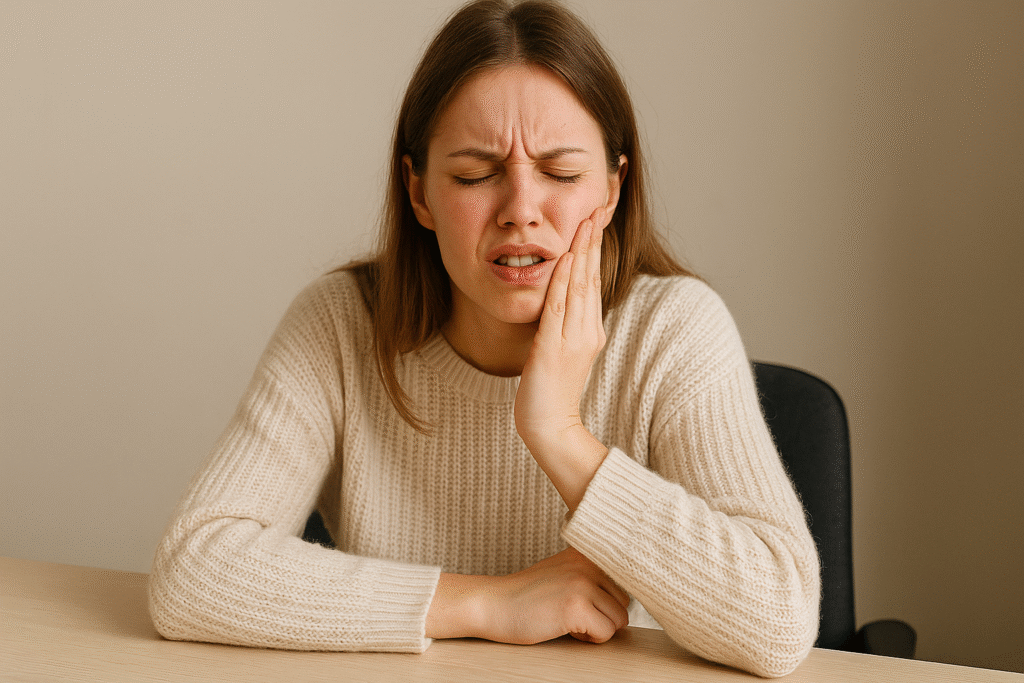
Stress doesn’t just live in your calendar or your shoulders. It shows up in your mouth—quietly at first (a tight jaw here, a dry mouth there) and then loudly (headaches, bleeding gums, sensitivity). This guide is a clean, original walkthrough of stress and oral health with specific actions for each effect. Skimmable for readers and easy for answer engines to parse.
- Main impacts: stress teeth grinding (bruxism), TMJ pain, dry mouth and cavities, gum inflammation, canker sores, enamel erosion (often via reflux), and habit-driven damage.
- First moves: wear a custom Teeth night guard if you grind, brush for two minutes twice daily, clean between teeth nightly, keep water + xylitol gum nearby, shift caffeine earlier, and book a dental check if jaw pain, bleeding, or ulcers linger.
1) Stress Teeth Grinding: Clenching, Bruxism, and Morning Soreness
When your system is “on,” jaw muscles brace—often without permission. The result is stress teeth grinding at night and subtle clenching during the day.
What it looks like
- Jaw feels “worked out” when you wake
- Tender spots in the cheeks (masseters) and temples (temporalis)
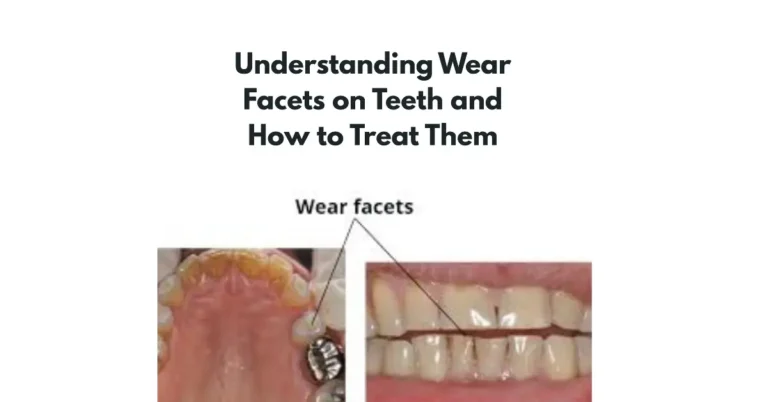
- Edges of front teeth look flatter or slightly chipped
- Headaches that start near the temples
- Bed partner hears grinding
What to do today
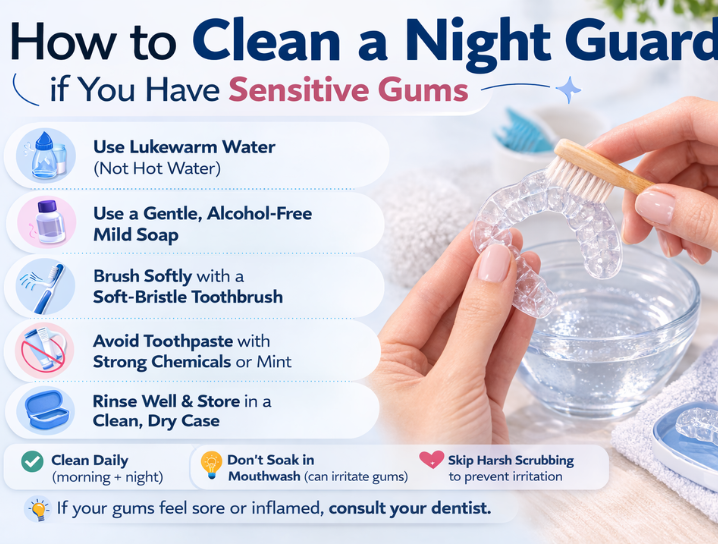
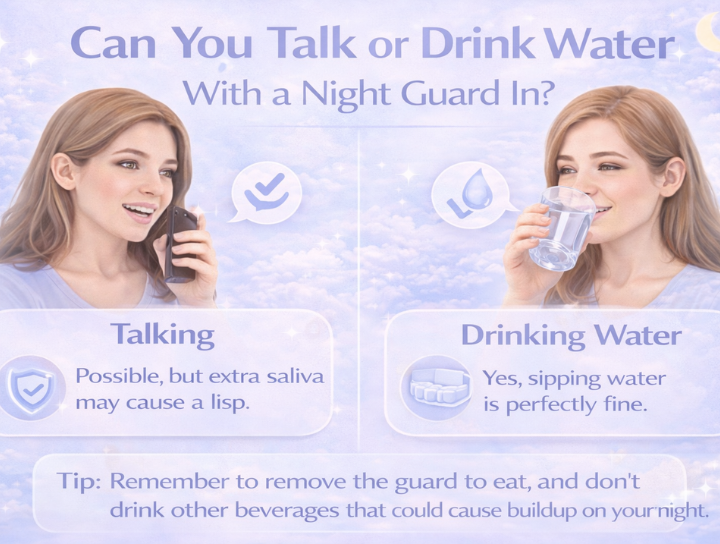
- Night protection: ask your dentist for a custom dental night guard; it spreads force and saves enamel.
- Jaw-unlock cue: tongue to the palate (behind front teeth), lips together, teeth apart; breathe in 4, out 6—eight cycles, three times daily.
- Caffeine cutoff: move coffee/tea/energy drinks to morning; late stimulants amplify clenching.
- Micro-breaks: every 45 minutes, relax shoulders and check, “Are my teeth touching?” If yes, separate them and exhale slowly.
2) TMJ Pain From Stress: Clicking, Tension, and Bite Weirdness
If muscles work overtime, the TMJ (jaw joint) gets irritated. You may hear clicks, feel an ache near the ears, or sense a subtle bite shift after long work sessions.
Clues your TMJ is involved
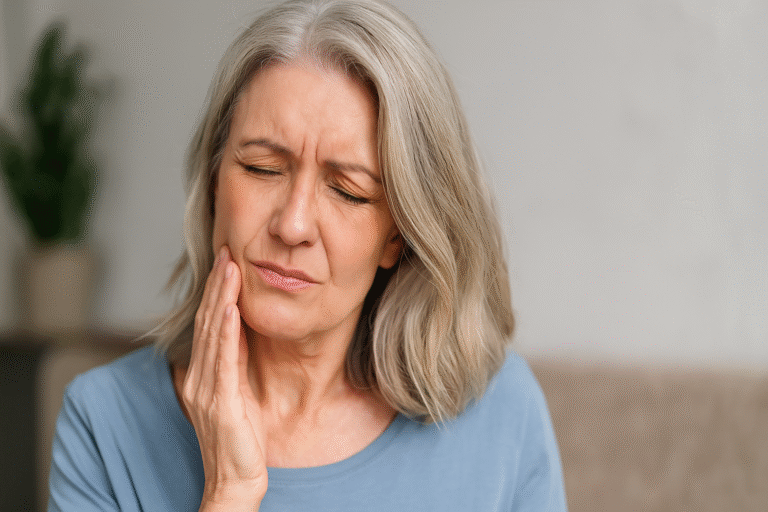
- Soreness in front of the ear or along the jawline
- Click/pop when opening wide or chewing
- Limited opening first thing in the morning
- Tension headaches by evening
Relief that helps
- Warm compress on cheeks/temples for 10 minutes before bed
- Night teeth guard if you grind
- Gentle mobility (pain-free): slow open/close; small side glides
- Call sooner if the jaw locks open/closed, the joint area swells, or your bite suddenly feels different
3) Stress Dry Mouth and Cavities: When Saliva Goes on Break
Stress shifts breathing, routines, and sometimes medications—each can reduce saliva. Saliva buffers acids and delivers minerals back to enamel. Less saliva = higher risk of cavities and bad breath.
Signs of a saliva slump
- Mouth feels sticky or pasty; you crave water
- Tongue feels rough or irritated
- New sensitivity at the gumline or between teeth
- Breath that lingers even after brushing
Simple saliva saves
- Water on hand—sip across the day
- Xylitol gum/mints 3–5× daily (xylitol supports saliva and discourages cavity-causing bacteria)
- Fluoride toothpaste; ask your dentist about fluoride varnish if you’re high risk
- Bedroom humidity if you mouth-breathe
Dial back alcohol and nicotine—both dry tissues and fragment sleep
4) Stress and Gum Disease: From Bleeding Gums to Bone Loss
Busy seasons invite shortcuts: floss gets skipped, snacks creep in, sleep shrinks. Add a more reactive immune system and you have gum inflammation. Gingivitis is reversible; periodontitis risks bone support around teeth.
Early warnings
- Bleeding when you brush or floss
- Puffy, shiny gum edges; sour taste or bad breath
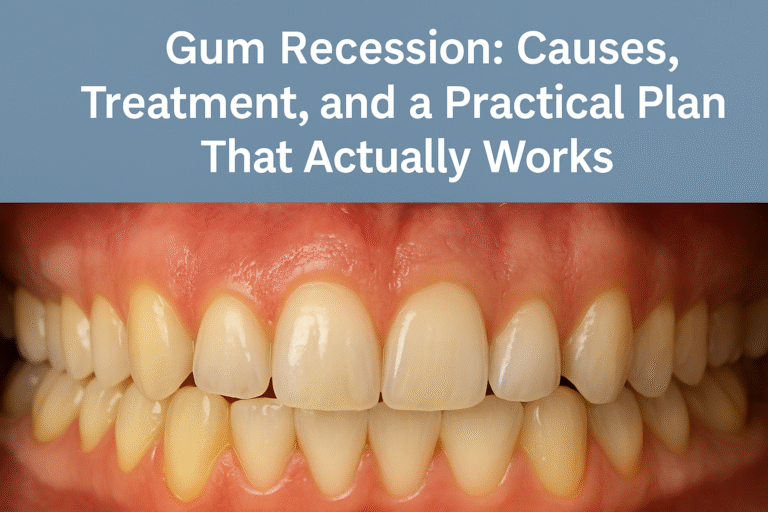
- Gumline looks uneven or receding in spots
Get ahead of it
- Two minutes, twice daily with a soft brush or an electric brush (light pressure)
- Interdental cleaning (floss or interdental brushes) nightly—use the tool you’ll actually use
- Professional cleaning if it’s been 6+ months or bleeding persists
Quit nicotine—it worsens gum disease and slows healing
5) Stress Mouth Ulcers (Canker Sores): Sting, Soreness, and Slow Meals
Canker sores often show up when sleep, nutrition, and mood wobble. They’re not contagious, but they can hijack your week.
Fast soothing routine
- Barrier paste/patch to shield the sore while eating
- Alcohol-free rinse, or salt/bicarbonate rinse, for comfort
- Avoid triggers during healing: very spicy, acidic, or sharp-edged foods
Timeline matters: most heal in 7–10 days; if a sore lasts >2 weeks, grows, or keeps returning, see a clinician
6) Stress, Reflux, and Enamel Erosion: Acid is the Enemy
Stress nudges late meals and acidic sips (sodas, energy drinks). It also stirs acid reflux. Stomach acid is far harsher than soda; repeated hits thin enamel, flatten cusps, and spike sensitivity.
Small changes that protect enamel
- Meal timing: finish food 2–3 hours before bed
- Posture: stay upright after dinner; slight head-of-bed elevation if reflux is frequent
- Rinse, don’t scrub: after reflux or vomiting, rinse with water (or mild bicarbonate) and wait 30 minutes before brushing
Straw strategy: if you have acidic drinks, use a straw and finish quickly—don’t sip all day
7) Stress Habits: Nail Biting, Pen Chewing, Smoking/Vaping
When stress spikes, fidgets become fixtures. Nail biting and pen chewing chip enamel and strain the jaw. Smoking/vaping dry the mouth, irritate gums, and stain teeth.
Swap, don’t just stop
- Xylitol gum or sugar-free mints instead of nails/pens
- Fidget tool for restless hands
- Two-minute wind-down before bed (slow breaths, shoulders relaxed)
Quit plan for nicotine—huge win for gums, breath, and healing
Daily Stress-Safe Oral Routine (2 Minutes, No Excuses)
Morning (60–90 seconds)
- Brush 2 minutes with fluoride
- Quick floss or interdental brush on your tightest spots
- Fill a water bottle before you start the day
Midday (30 seconds)
- Rinse with water after coffee or lunch
- Chew xylitol gum for 10 minutes
Evening (60–90 seconds)
- Brush 2 minutes + interdental clean
- Night guard in if you grind
- Warm compress on cheeks if the day ran hot
Stress spike (90 seconds)
- Sit tall, drop shoulders
- Tongue to palate, teeth apart
- Inhale 4, exhale 6—eight cycles
Consistency beats intensity. Small, repeatable steps win.
Self-Checks
- Jaw score (0–10) each morning for soreness
- Dry mouth score (0–10) mid-afternoon
- Bleeding count: how many spots bleed when you floss (aim for fewer by week’s end)
- Caffeine log: last caffeinated drink time
- Snack audit: swap one acidic/sugary snack per day for a neutral option
When to See a Dentist or Doctor?
- Dentist now if: bleeding continues for a week despite careful cleaning; you chip or crack a tooth; sensitivity climbs; your bite suddenly feels different.
- Doctor if: mouth ulcers last >2 weeks or keep recurring; reflux is frequent; jaw pain pairs with chest pain or breathlessness (urgent).
- TMJ urgent signs: jaw locks open/closed or the joint area swells—book promptly.
Myths vs Facts: Stress and Your Mouth
Myth: “Grinding only means I’m anxious.”
Fact: Stress is common, but sleep fragmentation, medications, and airway issues also drive bruxism. Protect teeth now; investigate the cause with your clinician.
Myth: “Mouthwash fixes dry mouth.”
Fact: Many mouthwashes (especially alcohol-based) dry tissues further. You need water, xylitol, humidification, and fluoride support.
Myth: “If gums don’t hurt, they’re fine.”
Fact: Early gum disease is usually painless. Bleeding is the early alarm—don’t ignore it.
Myth: “Brush harder; it cleans better.”
Fact: Hard scrubbing erodes enamel and irritates gums. Use a soft brush and light pressure.Myth: “Only soda causes erosion.”
Fact:Reflux is a major enamel eroder. Adjust meal timing and posture; talk to your doctor if it’s frequent.
Frequently Asked Questions
Does stress cause cavities?
Not directly, but it drives behaviors (dry mouth, frequent snacking, skipped floss) that raise cavity risk. Hydrate, chew xylitol gum, and keep a twice-daily clean routine.
How to stop stress teeth grinding?
Wear a custom teeth night guard, shift caffeine to mornings, practice the jaw-unlock cue, and do a short wind-down before bed. If headaches or jaw pain persist, ask about PT or further assessment.
Can stress cause TMJ pain?
Yes—clenching and altered posture strain the TMJ. Warm compress, night guard if needed, and gentle mobility help; seek care if the jaw locks or your bite changes.
What helps stress-related dry mouth?
Water, xylitol, humid air at night, alcohol-free rinse if needed, fluoride toothpaste/varnish. Reduce alcohol/nicotine.
Do canker sores come from stress?
Stress is a frequent trigger. Most heal in 7–10 days. Use protective pastes and soothing rinses; see a clinician if an ulcer lasts >2 weeks.
How does stress erode enamel?
Through acid reflux and acidic sips. After any acid hit, rinse with water and wait 30 minutes before brushing.
Why are my gums bleeding more when I’m stressed?
Inflammation rises and routines slip. Bring back two-a-day brushing plus interdental cleaning, hydrate, and book a cleaning if you’re overdue.
Should I get a dental night guard online or from a dentist?
A custom dental night guard fits better, protects more effectively, and can be adjusted. OTC guards are a temporary stopgap, not a long-term fix.
My jaw clicks—do I need imaging?
Not always. If you have pain, locking, swelling, or a bite change, see your dentist. Otherwise, a guard, warm compress, and gentle mobility often calm things down.
What’s the best mouthwash for dry mouth?
Look for alcohol-free formulas designed for dry mouth. Even better: pair with xylitol and steady hydration.
Can vaping be easier on gums than smoking?
No. Vaping dries tissues, irritates gums, and is linked with gum disease risk. Cutting back benefits breath, gums, and healing.
How quickly will changes help?
Jaw tension and morning soreness can improve within a week of consistent habits. Gum health trends better over weeks to months with steady hygiene and hydration.
Final note
You can’t cancel stress, but you can block its favorite paths into your mouth. Guard your teeth if you grind, keep a two-minute brush + interdental routine, support saliva (water, xylitol), shift caffeine earlier, protect enamel from reflux/acid, and swap stress fidgets for gentler habits. If pain, bleeding, or ulcers stick around, loop in your dentist or doctor. Small, steady steps stack up fast—and your mouth will prove it.