Common Reasons Why You Wake Up With Jaw Pain
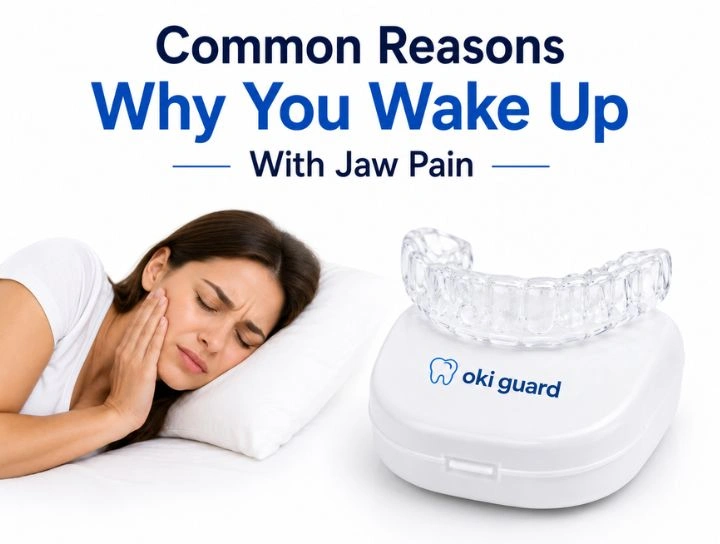
Morning jaw pain often connects with jaw clenching at night, teeth grinding,strain on the temporomandibular joint (TMJ), active chewing muscles, pillow support, sleep posture, or a bite that places extra pressure on one area. A steady sleep routine, relaxed jaw habits, gentle morning care, and a well-fitted night guard can all support a smoother start to your day.A calm morning often begins with a relaxed jaw, smooth movement, and comfortable first bites. When you wake up with jaw pain, your body is sharing a helpful signal about your sleep routine, jaw muscles, tooth contact, or sleeping position.
Start With a Morning Comfort Check
A short morning check helps you understand your personal pattern. You may notice a firm feeling in the cheeks, warmth near the temples, a well-used sensation around the jawline, or gentle awareness near the ears. Record your sleep time, wake time, jaw comfort, tooth sensitivity, pillow position, and evening routine. A simple record turns jaw pain after sleeping into useful information and supports confident care. This daily check can also help you notice which habits bring the most comfort. A supportive pillow, a peaceful bedtime, or a relaxed jaw position may create a pleasant difference.
Jaw Clenching at Night
Jaw clenching at night is one of the most common reasons people wake with a firm or active jaw. Clenching happens when the upper and lower teeth press together during sleep. This action activates the strong muscles around the cheeks and temples. When these muscles stay active during sleep, they may feel well used in the morning. This feeling provides a clear reminder to add more relaxation to your daily routine. A comfortable resting position includes soft lips, relaxed cheeks, and a small space between the upper and lower teeth. Practicing this position during the day builds a positive habit that can carry into the evening. Slow breathing also supports relaxation. Breathe in gently through your nose, then allow a longer and smoother breath out. This rhythm encourages your shoulders, cheeks, and jaw to settle comfortably. You can practice this breathing style while working, reading, driving, or preparing for sleep. Regular practice makes a relaxed jaw position feel familiar and natural.
Teeth Grinding During Sleep
Teeth grinding adds movement to tooth contact. The jaw may slide slightly forward, backward, or from side to side while the teeth meet. This movement keeps the chewing muscles active and helps explain teeth grinding jaw pain in the morning. Teeth grinding may also create smooth tooth edges, polished contact areas, or visible marks on a night guard. These details offer useful information about your nighttime tooth contact. A custom night guard creates a protective surface between the upper and lower teeth. This surface receives the contact and supports the natural enamel underneath. Regular night guard use works best as part of a complete sleep routine. Brushing, cleaning the guard, placing it comfortably, and following the same bedtime each evening can build a familiar and reassuring pattern. A consistent routine also helps your mouth become comfortable with the appliance. Each night supports greater familiarity and dependable tooth protection.
Active Chewing Muscles
Your chewing muscles work throughout the day as you speak, eat, laugh, and express yourself. A busy day with frequent chewing, focused concentration, or strong jaw activity can keep these muscles engaged into the evening. This continued activity can help explain a sore jaw in the morning and guide you toward gentle muscle care. Simple comfort habits can help the muscles return to a relaxed rhythm. A warm cloth placed along the cheeks can create a soothing morning experience. Light circular movements with your fingertips can also support comfortable muscle relaxation. Soft breakfast choices give the jaw an easy and pleasant start. Oatmeal, eggs, yogurt, soft fruit, rice, and tender vegetables can support comfortable chewing. Small bites and slow chewing help the jaw move smoothly while the muscles prepare for the day. A peaceful breakfast can also support a calm and positive morning routine. Regular hydration complements this routine. Water supports a fresh mouth and gives your morning oral care a refreshing finish.
Sleep Position and Pillow Support
Your sleep position can shape how your head, neck, and jaw feel in the morning. Balanced support helps the jaw rest naturally and keeps the neck in a comfortable line. Side sleeping can feel cozy and supportive with a pillow that keeps the head level. Back sleeping can create an open and balanced position for the face and jaw. A pillow with suitable height helps the neck stay aligned and encourages the jaw muscles to relax. The best pillow position is the one that supports your natural sleeping style and gives your head steady comfort. You can learn a great deal by noticing which side feels more active after sleep. This observation can guide small pillow adjustments and help you create a more supportive bedtime setup. A tidy bedroom, comfortable temperature, soft lighting, and a supportive pillow can work together beautifully. These details create an environment that welcomes rest and encourages a calm jaw position. A familiar sleeping position also helps the body settle more easily. Consistency allows your head, neck, and jaw to enjoy dependable support each evening.
Bite Pressure During Sleep
The way your teeth meet can influence how pressure travels through the jaw. Some people naturally place more contact on one side, one group of teeth, or the front teeth during sleep. A balanced bite supports smooth jaw movement. A custom night guard can provide a more even contact surface and help spread pressure across the appliance. This design supports tooth protection and creates a steady nighttime experience. It also gives the upper and lower teeth a separate surface for contact. Your morning check may reveal that one side of the jaw feels more active. You may also notice matching wear marks on a guard or polished areas on certain teeth. These details provide useful guidance for selecting a comfortable protection plan. They can also help you understand how your teeth meet during sleep. A well-fitted guard follows the shape of your teeth and stays secure during sleep. A close fit supports easy breathing, natural swallowing, and consistent nighttime use.
A Busy Evening Routine
A busy evening can keep the body and mind active close to bedtime. A smoother wind-down routine helps the jaw, shoulders, and breathing settle into a calmer rhythm. Begin your evening routine at a familiar time. Lower the lights, prepare your room, complete your oral care, and choose a quiet activity. Gentle reading, soft music, light stretching, or slow breathing can support a peaceful transition into sleep. These activities also help you connect bedtime with comfort and relaxation. Your jaw can join this routine through simple awareness. Let your lips rest softly, allow space between the teeth, and keep the cheeks relaxed. This position supports comfort and creates a positive signal for rest. A few gentle breaths can make the experience feel even more peaceful. A regular bedtime also helps your body recognize when sleep is approaching. Consistency supports better habits, easier night guard use, and a calmer morning experience.
Daytime Tooth Contact
Many people bring their teeth together while focusing, working, exercising, or completing detailed tasks. This natural response can keep the jaw muscles active throughout the day. Gentle awareness helps you create a more relaxed pattern. A phone reminder, desk note, or regular breathing break can encourage you to check your jaw position. Let your lips rest together and keep a comfortable space between the teeth. Allow your tongue to sit naturally near the roof of your mouth. This resting position gives your jaw muscles a peaceful pause. Practicing it regularly supports comfortable evenings and relaxed mornings. Daytime awareness can also make jaw clenching easier to recognize. Each reminder becomes a positive step toward a smoother daily routine.
An Inconsistent Sleep Schedule
A steady sleep schedule supports natural relaxation. Regular bedtime and wake-up times help the body prepare for rest and begin the morning with a familiar rhythm. A changing schedule can keep the evening routine active for longer. A consistent pattern gives your jaw, breathing, and night guard routine a clear structure. Choose a bedtime that fits your lifestyle and follow it as regularly as possible. Begin your wind-down steps at a similar time each evening. Brush your teeth, clean your appliance, prepare your room, and enjoy a calming activity. Repetition turns these steps into a positive sleep signal. A regular morning routine can support the same goal. Wake at a familiar time, enjoy gentle movement, drink water, and begin the day at a comfortable pace.
How a Night Guard May Support Morning Comfort
A night guard can be a helpful part of your routine when jaw clenching at night or grinding contributes to your morning experience. The appliance covers one row of teeth and creates a separate contact surface during sleep. This barrier supports the enamel, tooth edges, and dental work. It also provides a clear and consistent place for nighttime contact. OkiGuards offers Soft Night Guards, Hybrid Night Guards, and Hard Night Guards for different comfort preferences and levels of jaw activity.
Soft Night Guard
The Soft Night Guard provides a flexible and cushioned feel. It can suit lighter clenching and people who enjoy gentle material around the teeth. Its smooth texture can support easy adjustment. A comfortable fit also encourages consistent nighttime use.
Hybrid Night Guard
The Hybrid Night Guard combines a soft inner layer with a firm outer surface. This design supports comfort around the teeth and durability along the biting surface. The balanced construction can suit moderate clenching or grinding. It offers a pleasant combination of cushioning and stability.
Hard Night Guard
The Hard Night Guard provides a firm and stable surface. It can suit stronger clenching or grinding patterns and people who value dependable nighttime protection. Its durable design creates a consistent contact surface. A custom impression helps the guard follow the details of your teeth.
How to Build a Positive Night Guard Habit
A consistent habit makes night guard use easier and more comfortable. Keep the clean guard in its ventilated case near your toothbrush. Place the guard after brushing and cleaning between your teeth. Insert it gently and allow a few minutes for your mouth to settle. Quiet reading or slow breathing can make this adjustment feel smooth. These relaxing activities also connect the appliance with a peaceful bedtime. Use the guard at the same time each evening. Repetition helps your mouth recognize the shape and supports a familiar bedtime pattern. In the morning, remove the guard gently, rinse it, clean it according to its care instructions, and allow it to dry. This simple cycle keeps the appliance fresh and ready for the next evening.
Small Daytime Habits That Support Better Mornings
Daytime habits can support a relaxed jaw long before bedtime. Set a gentle reminder on your phone to check your jaw position. Let your lips rest together and keep a small space between the teeth. Support your neck and shoulders while working. A comfortable chair, balanced screen height, and relaxed posture can help the jaw muscles feel at ease. Take short breathing breaks during focused tasks. A few slow breaths can refresh your attention and encourage softer muscle activity. Choose regular hydration throughout the day. Water supports a fresh mouth and complements a balanced oral care routine. Enjoy meals at a comfortable pace. Gentle chewing and smaller bites can support smooth jaw movement. These simple habits create a positive connection between daytime awareness and nighttime comfort.
When a Dental Check Adds Helpful Guidance
A dental check can add valuable insight when you regularly wake up with jaw pain. A professional can review your teeth, bite, jaw movement, muscle activity, and night guard fit. Bring your morning journal and current guard to the visit. These details help create a clear picture of your sleep routine and tooth contact. A dental professional can also guide material choice, thickness, and fit. This personalized support helps your night guard match your comfort preferences and grinding level. Regular reviews allow small adjustments that keep your routine smooth. They also support long-term tooth protection and confident oral care.
Frequently Asked Questions
What causes morning jaw pain on one side?
Morning jaw pain on one side may connect with sleep position, pillow height, focused bite pressure, or stronger muscle activity on that side. Observing your sleep setup can help reveal the pattern.
Can jaw clenching at night make my jaw feel tired?
Yes, jaw clenching at night keeps the chewing muscles active. A calm bedtime routine, relaxed daytime posture, and suitable nighttime protection can support greater comfort.
What does teeth grinding jaw pain feel like?
Teeth grinding jaw pain often feels like muscle tiredness around the cheeks, temples, or jawline. Gentle warmth, light movement, and a supportive routine can help the area feel refreshed.
Can a night guard help a sore jaw in the morning?
A custom night guard can support tooth protection and provide a consistent contact surface during sleep. This support can complement relaxation habits and a steady sleep routine.
Which night guard can support jaw clenching?
The suitable option depends on comfort preference and grinding strength. Soft, Hybrid, and Hard Night Guards offer different combinations of cushioning, balance, and durability.
How can I make my morning jaw routine more comfortable?
Begin with slow breathing, gentle jaw movement, warm care, water, and a soft breakfast. These steps create a calm and supportive start.

Final note
Morning jaw pain can become a helpful guide toward better sleep habits, relaxed muscles, and dependable tooth protection. The most common reasons include jaw clenching at night, teeth grinding, active chewing muscles, sleep posture, pillow support, and bite pressure. A short morning check can reveal your personal pattern. Gentle movement, warmth, relaxed jaw posture, and a calm evening routine can support a smoother daily rhythm. A custom night guard can add a protective surface between the teeth and support consistent nighttime care. OkiGuards provides Soft, Hybrid, and Hard Night Guard options for different comfort and protection needs. Each small habit can move you toward easier mornings. With regular care, a supportive sleep setup, and a comfortable night guard routine, your jaw can begin each day with greater ease and confidence.