Perimenopause Symptoms: Can Teeth Grinding Happen During Hormonal Changes?
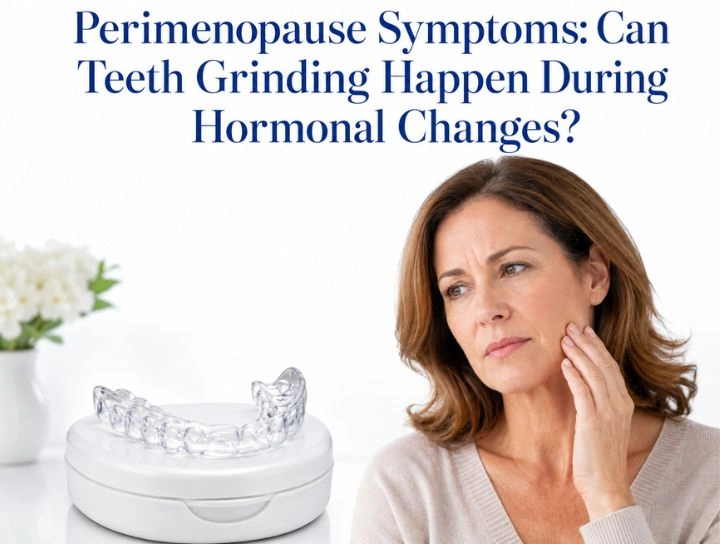
Yes, teeth grinding or jaw clenching can become more noticeable during perimenopause. Current evidence does not establish changing hormones as a direct cause of bruxism, yet perimenopause commonly influences sleep, stress, mood, and muscle comfort—all factors that may accompany increased jaw activity. A custom night guard provides a practical way to protect teeth when nighttime grinding becomes part of this transition. It creates a smooth barrier between the upper and lower teeth, helping preserve enamel and compatible dental restorations while you explore wider wellness support. OkiGuards offers custom Soft, Hybrid, and Hard Night Guards made from your dental impressions. The Soft and Hybrid Night Guards cost $149, while the Hard Night Guard costs $169.
How Perimenopause and Teeth Grinding May Be Connected
Perimenopause is the natural transition leading toward menopause. During this stage, estrogen and progesterone levels fluctuate, and many women experience changes in sleep, body temperature, emotional well-being, and energy. The relationship between perimenopause and bruxism appears to be indirect and multifactorial rather than a simple hormone-to-grinding pathway. Hormonal changes may influence sleep and mood, while disrupted sleep, stress, and increased muscle tension may make clenching or grinding more noticeable.
Research also supports an association between estrogen levels and aspects of temporomandibular function, although scientists continue to study the precise relationship. A small clinical study involving postmenopausal women recorded changes in nighttime bruxism following hormone therapy, but this limited result does not make hormone therapy a standard bruxism treatment. The most accurate answer is that perimenopause may contribute to conditions associated with grinding, while a dentist or healthcare professional can help identify the factors relevant to each person.
Perimenopause Signals and Supportive Solutions
| Body signal | Possible connection with jaw activity | Positive support |
| Interrupted sleep | Frequent awakenings may coincide with greater awareness of nighttime clenching | Follow a consistent sleep routine and discuss persistent sleep changes with a clinician |
| Hot flashes or night sweats | Temperature changes can interrupt restful sleep | Create a cool sleep environment and seek personalized menopause guidance |
| Increased emotional tension | Focused or stressful moments may encourage daytime clenching | Practice relaxed jaw posture and slow breathing |
| Morning jaw tightness | Overnight muscle activity may leave the jaw feeling worked | Arrange a dental examination and consider custom tooth protection |
| Tooth sensitivity or visible wear | Grinding contact may gradually affect enamel surfaces | Use a professionally fitted custom night guard |
| Dry mouth | Perimenopause and some medications may influence oral moisture | Stay hydrated and discuss supportive oral-care options with a dentist |
| Headaches near the temples | Active chewing muscles may contribute to morning temple discomfort | Track the pattern and request a dental or medical evaluation |
| Guard wear marks | Surface marks can reveal repeated nighttime contact | Review the material and thickness with your dentist or night guard provider |
This table provides a practical way to connect each signal with a constructive next step. Since several conditions can create similar symptoms, professional evaluation adds clarity and confidence.
Sleep Changes Can Make Bruxism More Noticeable
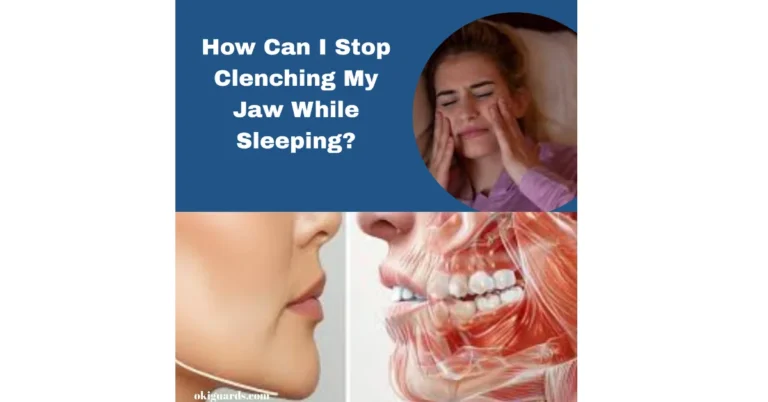
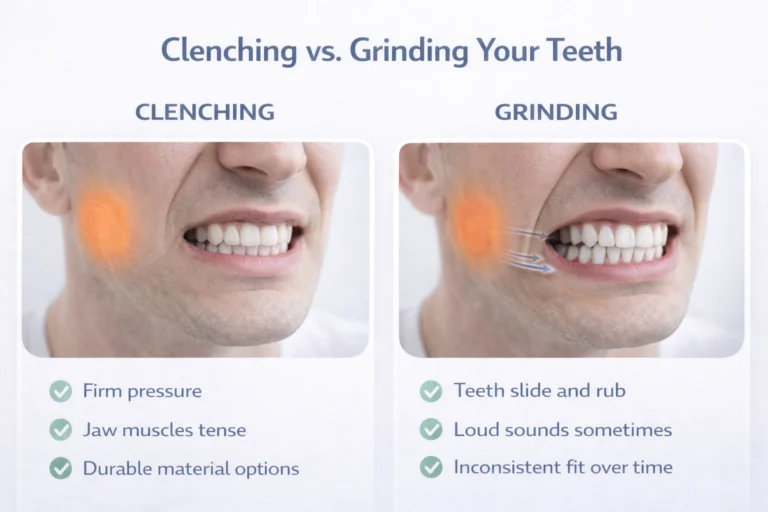
Sleep disturbance becomes increasingly common during the menopausal transition. Night sweats, hot flashes, mood changes, and nighttime awakenings can all influence sleep quality. Reviews of menopause and sleep research consistently recognize sleep disruption as an important part of this stage. Sleep bruxism involves rhythmic or sustained jaw-muscle activity during sleep. A person may discover it through grinding sounds, morning jaw fatigue, tooth wear, or an examination by a dentist.
A peaceful evening routine can support overall sleep wellness:
- Maintain a consistent sleeping and waking schedule.
- Keep the bedroom cool and comfortable.
- Create a calm transition before bedtime.
- Complete oral care at a regular time.
- Practice gentle breathing or meditation.
- Insert your custom night guard before sleep.
Stress and Daytime Clenching During Perimenopause
Perimenopause can bring meaningful changes in family life, work, sleep, mood, and physical comfort. Greater awareness helps turn these experiences into opportunities for supportive care. Awake bruxism often appears during concentration or emotional tension. You may notice your teeth meeting while working, driving, exercising, or completing detailed tasks. A comfortable resting position usually includes gently closed lips and slightly separated teeth. The tongue can rest naturally while the shoulders remain relaxed. Use a simple reminder throughout the day:
Lips together, teeth apart.
Place this reminder near your computer or save it as a phone notification. Every alert provides an opportunity to soften your jaw, lower your shoulders, and take a slow breath. This practice supports conscious clenching management and complements the protective role of a nighttime appliance.
Signs That Teeth Grinding Deserves Attention
Recognizing bruxism early gives you more opportunities to protect your teeth.
Helpful signs may include:
- Morning jaw tightness
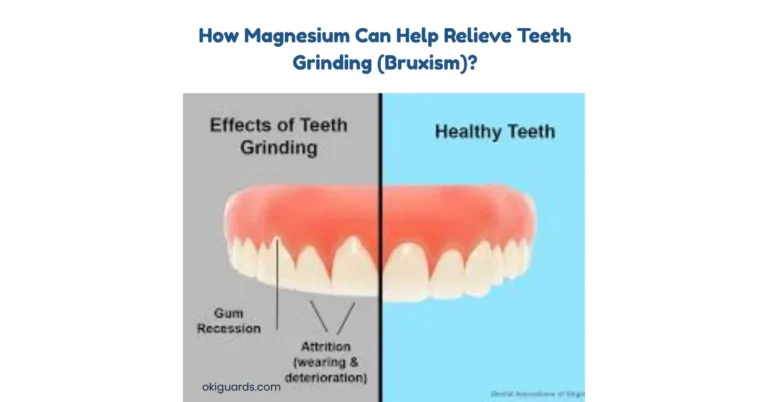
- Flattened or polished tooth edges
- Increased tooth sensitivity
- Small chips along the biting surfaces
- Tongue or cheek impressions
- Temple-area headaches
- Grinding sounds reported by a partner
- Visible marks on a current night guard
- Changes around fillings or crowns
A dentist can check for tooth wear, jaw-muscle tenderness, and changes in dental work. The dentist may also recommend a custom mouthguard or provide a referral for sleep medicine, physical therapy, or stress-management support when appropriate.
Why a Custom Night Guard Is a Smart Choice
A custom night guard does not need to change hormone levels or eliminate every grinding movement to provide valuable protection. Its central purpose is to separate the teeth and give grinding activity a dedicated contact surface.
A personalized night guard can offer:
- A shape created from your dental impression
- Secure retention during sleep
- Smooth laboratory-finished edges
- Material matched to your grinding level
- Thickness selected for comfort and durability
- Upper or lower placement choices
- Protection for enamel and compatible dental work
- A comfortable addition to your nighttime routine
This makes a custom guard a focused commercial solution for the dental effects of perimenopause-related clenching or grinding.
Choose the Right OkiGuards Night Guard
OkiGuards offers three material options, allowing you to select protection that reflects your grinding intensity and preferred feel.
Soft Night Guard for Mild Grinding
The OkiGuards Custom Soft Night Guard provides a flexible and cushioned feel. Its 2.0 mm thickness can suit mild grinding, lighter clenching, first-time users, and people who appreciate gentle material around their teeth.
The current package includes:
- Two custom Soft Night Guards
- 2.0 mm material
- Upper, lower, or mixed placement
- Free shipping in both directions
- A 60-night guarantee
- FDA-cleared and BPA-free materials
The current price is $149 for two guards, or approximately $75 per guard.
Hybrid Night Guard for Balanced Protection
The OkiGuards Custom Hybrid Night Guard combines a soft inner layer with a firm outer surface. The interior provides cushioning around the teeth, while the exterior creates a durable grinding surface.
Available thicknesses include:
- 1.0 mm for a slim profile and milder grinding
- 2.0 mm for balanced comfort and durability
- 3.0 mm for stronger grinding patterns
The Hybrid Guard can suit mild, moderate, or heavy grinding depending on the selected thickness. This versatility makes it a strong all-around choice for women who want both cushioning and durability. The current price is $149 for two custom guards with free two-way shipping and a 60-night guarantee.
Hard Night Guard for Strong Grinding
The OkiGuards Custom Hard Night Guard provides a firm surface for heavy to severe grinding and clenching.
The available choices include:
- 1.5 mm for a slimmer profile with rigid protection
- 3.0 mm for maximum material depth and durability
The Hard Guard can appeal to women who prefer stable, rigid material or create visible wear on softer appliances. The current price is $169 for two guards, or approximately $85 per guard. Free shipping in both directions and a 60-night guarantee are included.
Which Guard May Suit Your Perimenopause Grinding Pattern?
A Soft Guard can provide an inviting starting point for mild grinding and comfort-focused wear. Its flexible material creates a cushioned feel around the teeth.
A 2.0 mm Hybrid Guard can offer the strongest all-around balance for moderate grinding. Its soft interior and firm exterior bring comfort and durability together.
A 3.0 mm Hybrid or Hard Guard can provide additional material for stronger grinding. Hybrid construction maintains interior cushioning, while hard construction provides a completely rigid surface.Your dentist can help refine this choice by reviewing your enamel, dental restorations, bite space, jaw movement, and current grinding pattern.
Protecting Teeth While Supporting Whole-Body Wellness
Perimenopause care works best as a coordinated process. A dentist can protect your oral health, while a qualified medical professional can evaluate sleep changes, hot flashes, mood symptoms, and other aspects of the menopausal transition.
A supportive plan may include:
- Regular dental examinations
- A custom night guard
- Consistent brushing and interdental cleaning
- A regular sleep schedule
- Relaxation and breathing exercises
- Daytime jaw reminders
- Hydration and dry-mouth support
- Personalized menopause care
Hormone therapy is an individualized medical decision based on a person’s symptoms, health history, benefits, and risks. A licensed healthcare professional can determine whether it has a suitable role in overall perimenopause care. A night guard remains a direct dental-protection option regardless of the wider medical plan.
Frequently Asked Questions
Can perimenopause cause teeth grinding?
Perimenopause has not been established as a direct cause of bruxism. Hormonal changes may influence sleep, mood, and muscle comfort, which can make clenching or grinding more noticeable in some women.
Can low estrogen cause jaw clenching?
Research suggests that estrogen may influence pain perception, sleep, and temporomandibular tissues. Current evidence supports a possible association rather than confirming low estrogen as a single direct cause of clenching.
What helps perimenopause-related teeth grinding?
A supportive approach can include daytime jaw awareness, relaxation, consistent sleep habits, dental evaluation, personalized menopause care, and a custom night guard for tooth protection.
Will a night guard stop hormonal teeth grinding?
A night guard primarily protects the teeth rather than changing hormone levels. Its custom surface reduces direct tooth-to-tooth contact and helps preserve enamel during grinding.
Which OkiGuards option provides the best balance?
The 2.0 mm Custom Hybrid Night Guard provides a strong all-around balance of interior cushioning, exterior durability, and everyday comfort for many moderate grinders.

Final note
Teeth grinding can become more noticeable during perimenopause as sleep, mood, and muscle comfort change. The relationship is multifactorial, and current evidence supports an association rather than identifying hormonal changes as a single direct cause. Daytime jaw awareness, a supportive sleep routine, coordinated medical and dental care, and a custom night guard can create a practical protection plan. The Soft Guard offers cushioned protection for mild grinding, the Hybrid Guard balances comfort and durability, and the Hard Guard provides firm protection for stronger grinding. Compare OkiGuards custom night guards and choose the material, thickness, and placement that match your grinding pattern and comfort preferences. This guide provides general educational and product-selection information. A dentist and qualified healthcare professional can provide personalized guidance for bruxism and perimenopause symptoms.