Is Teeth Grinding Genetic? Can Bruxism Run in Families
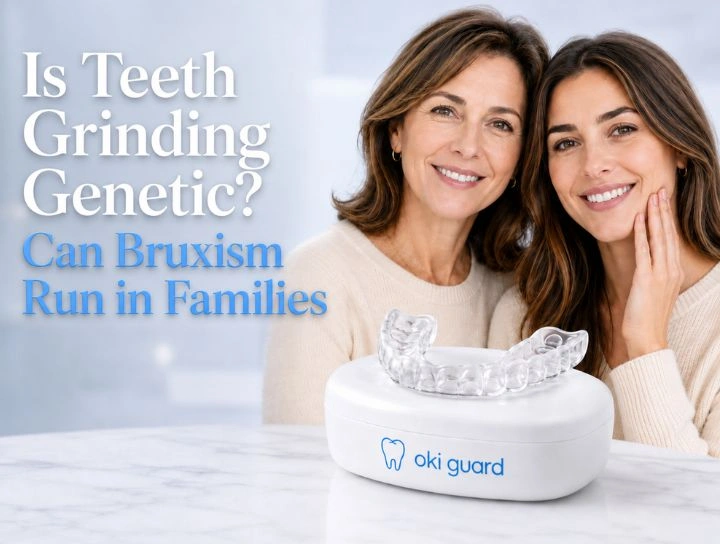
Yes, teeth grinding can have a genetic component and may run in families. Research indicates that sleep bruxism appears more frequently among people with close relatives who also grind or clench their teeth. Genetics can influence a person’s natural susceptibility, while sleep patterns, stress responses, medications and lifestyle factors help shape each individual experience. A family history of bruxism provides valuable awareness. Parents, siblings and other close relatives can recognize grinding sounds, polished tooth surfaces, morning jaw tightness or daytime clenching and take early steps toward protecting their smiles.
A custom night guard creates a personalized protective surface between the upper and lower teeth. OkiGuards offers Soft, Hybrid and Hard Night Guards for different grinding levels, giving each family member an opportunity to choose protection suited to their individual needs. Compare OkiGuards custom night guards and select personalized protection for your smile.
Is Bruxism Hereditary?
People asking, “Is bruxism hereditary?” can find a balanced answer in current research. Hereditary factors appear to contribute to sleep bruxism, and family studies consistently identify a connection between a person’s grinding pattern and a history of bruxism among close relatives. Genetics represents one part of a broader picture. Sleep-related jaw activity, emotional responses, lifestyle habits, medications and certain health conditions can also influence bruxism. This combination makes every person’s experience unique. Two family members may share a tendency toward grinding while noticing different symptoms, triggers or levels of tooth wear. Family awareness creates a positive advantage. Relatives can share helpful observations, encourage dental examinations and support consistent nighttime protection.

How Genetics May Influence Teeth Grinding
Genetic research continues to explore the biological pathways connected with sleep bruxism. Current findings suggest that inherited differences may influence nervous-system activity, sleep arousal patterns and jaw-muscle responses. Sleep bruxism often occurs around brief changes in sleep activity. Genetic traits may influence how the body responds during these transitions, contributing to greater jaw-muscle activity in some individuals. Inherited susceptibility can also interact with daily life. Stress, sleep schedules, caffeine, alcohol, nicotine and certain medications may influence how frequently a person notices grinding or clenching. A family history therefore offers a useful starting point rather than a complete prediction. Professional dental care and supportive daily habits allow each person to create a plan based on their current symptoms and tooth condition.
Family History of Bruxism
A family history of bruxism may become noticeable in several ways. A parent may hear a child grinding during sleep, while adult siblings may recognize similar morning jaw tightness or wear along their front teeth.
Useful family observations include:
- Grinding sounds during sleep
- Morning jaw-muscle tightness
- Tender cheeks or temples
- Polished tooth surfaces
- Flattened biting edges
- Increased tooth sensitivity
- Small changes in dental restorations
- Ridges along the tongue or inner cheeks
- Daytime clenching during concentration
- Visible wear on an existing night guard
These observations give family members helpful information to share with a dentist. Early professional guidance can assess enamel, restorations, bite contact and jaw-muscle comfort. Every family member benefits from an individual evaluation because age, dental development, grinding intensity and existing dental work shape the ideal care plan.
What Causes Teeth Grinding?
The question “What causes teeth grinding?” has a multifactorial answer. Genetics can influence susceptibility, while several additional factors can contribute to sleep or awake bruxism.
Sleep-Related Activity
Sleep bruxism is associated with jaw-muscle activity during sleep. It may occur around brief changes in heart rate, breathing and sleep arousal. A consistent sleep schedule and relaxing evening environment can support overall sleep wellness. Professional evaluation adds valuable guidance when grinding accompanies snoring, gasping or significant daytime sleepiness.
Stress and Emotional Activity
The connection between stress and teeth grinding is especially relevant to awake bruxism. Some people notice tooth contact during focused work, deadlines, driving, studying or emotionally active moments. Gentle awareness can help identify the pattern. Relaxing the jaw, allowing the teeth to remain slightly apart and taking regular breathing breaks can support daytime comfort.
Caffeine, Alcohol and Nicotine
The timing and amount of caffeine, alcohol and nicotine may influence sleep quality and bruxism activity. Thoughtful daily choices can support a smoother bedtime routine. A healthcare professional can provide personalized lifestyle guidance according to a person’s health history and sleep needs.
Medications
Certain medications may influence grinding or clenching in some people. A physician or prescribing clinician can review the timing of symptoms and the current medication plan. Open communication supports personalized care while maintaining the benefits of prescribed treatment.
Sleep and Health Conditions
Sleep bruxism can appear alongside sleep-related breathing conditions and other health factors. A coordinated dental and medical assessment can connect jaw activity with the complete sleep picture. This broader evaluation supports an informed plan that protects the teeth and promotes overall wellness.
Stress and Teeth Grinding
Stress and teeth grinding often receive attention together because emotional activity can influence jaw-muscle engagement. The jaw may become active during concentration, excitement or demanding daily routines.
A positive daytime routine can include:
- Regular jaw-awareness reminders
- Calm breathing breaks
- Comfortable shoulder posture
- Gentle movement
- Planned periods of rest
- Consistent meal and hydration habits
- A relaxing transition into bedtime
These habits can support comfort and make clenching easier to recognize. A custom night guard adds direct tooth protection during sleep while broader wellness habits support the overall routine.
Bruxism in Children and Families

Children may also experience sleep bruxism, and family history can provide useful context. Parents may first notice grinding through nighttime sounds or a dental examination. Growing teeth and changing dental arches make professional guidance especially valuable for children. A pediatric dentist can evaluate tooth development, wear patterns, breathing, sleep habits and jaw growth. Age-appropriate monitoring supports a child’s changing smile. A dentist can determine whether observation, supportive routines or a carefully selected appliance matches the child’s current stage of development. Family members can encourage comfortable bedtime habits through regular sleep schedules, quiet evening activities and positive dental care.
Common Bruxism Symptoms
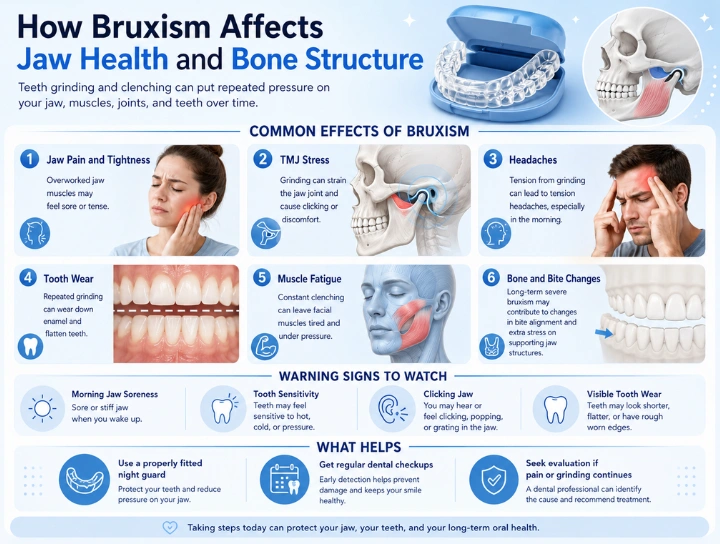
Bruxism symptoms can appear gradually, making early awareness valuable. Sleep partners and family members may notice signs that the individual has yet to recognize.
Common signs include:
- Audible grinding during sleep
- Morning jaw tightness
- Tired facial muscles
- Tooth sensitivity
- Flattened or polished tooth edges
- Small chips along biting surfaces
- Wear on fillings, crowns or veneers
- Morning temple discomfort
- Cheek or tongue impressions
- Daytime clenching during concentration
A dental examination can compare these signs with the condition of the enamel, gums, restorations and jaw muscles. This professional assessment supports accurate care and personalized product selection.
How a Night Guard for Bruxism Helps
A night guard for bruxism creates a protective surface between the upper and lower teeth. This surface reduces direct enamel-to-enamel contact and provides a replaceable area for grinding movements.
A custom night guard supports:
- Protection of natural enamel
- Protection for compatible dental restorations
- Closely fitted tooth coverage
- Secure retention during sleep
- Smooth and professionally finished edges
- Material matched to grinding intensity
- Comfortable upper or lower placement
- Consistent nighttime protection
A night guard supports the management of grinding effects by protecting tooth surfaces. Professional dental care can assess contributing factors and create a complete, individualized bruxism plan.
Choosing an OkiGuards Night Guard
OkiGuards offers three custom materials for different grinding levels and comfort preferences.
| OkiGuards option | Thickness | Commonly suited for | Material feel | Current price |
| Custom Soft Night Guard | 2.0 mm | Mild grinding, mild clenching and first-time wear | Flexible and cushioned | $149 for two |
| Custom Hybrid Night Guard | 1.0, 2.0 or 3.0 mm | Mild to heavier grinding | Soft inside and firm outside | $149 for two |
| Custom Hard Night Guard | 1.5 or 3.0 mm | Heavy to severe grinding or clenching | Firm and rigid | $169 for two |
This comparison provides a practical starting point. Grinding intensity, preferred firmness, dental restorations and previous appliance wear can support the final selection.
Custom Soft Night Guard
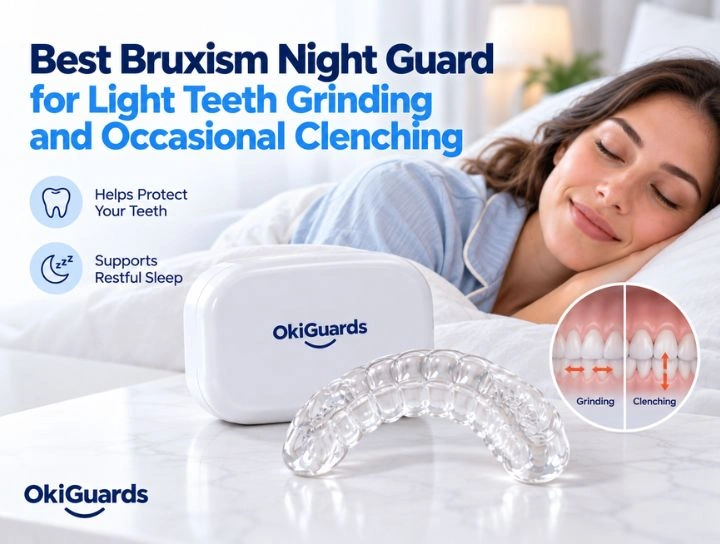
The OkiGuards Custom Soft Night Guard provides flexible cushioning in a 2.0 mm thickness. It suits mild grinding, mild clenching and first-time wearers who prefer a softer material. Its personalized construction follows the contours of the dental arch and supports secure nightly placement. The cushioned surface offers a welcoming introduction to custom tooth protection.
Custom Hybrid Night Guard
The OkiGuards Custom Hybrid Night Guard combines a softer inner layer with a firm external surface. This dual-layer design creates interior cushioning together with dependable wear resistance.
OkiGuards offers three Hybrid thicknesses:
- 1.0 mm: Low-profile protection for milder grinding
- 2.0 mm: Balanced comfort and durability for moderate grinding
- 3.0 mm: Additional material for heavier grinding
The Hybrid range gives customers flexible choices according to grinding intensity and preferred mouthfeel.
Custom Hard Night Guard
The OkiGuards Custom Hard Night Guard uses rigid material designed for heavy to severe grinding or clenching. Its firm construction maintains a stable shape and provides strong wear resistance. The 1.5 mm option provides a slimmer rigid profile, while the 3.0 mm option supplies additional material for heavier wear patterns.
Why Custom Fit Matters
A custom night guard is fabricated from an impression of the selected dental arch. The impression records the position, shape and contours of the teeth so the laboratory can create a closely fitted appliance.
A personalized fit supports:
- Secure seating
- Full dental-arch coverage
- Smooth edge finishing
- Comfortable placement
- Controlled removal
- Consistent nightly wear
- A streamlined shape
- Individual upper or lower coverage
Customers can choose two upper guards, two lower guards, or one upper and one lower guard. A dentist can recommend a suitable placement when extensive dental work or individual bite considerations form part of the selection process.
What Comes With an OkiGuards Order?
Every current OkiGuards night guard package provides two custom appliances. The complete service includes:
- Three impression-tray sizes
- Two sets of impression material
- Step-by-step instructions
- Access to an instructional video
- A prepaid return mailer
- Free shipping in both directions
- FDA-cleared and BPA-free materials
- U.S. laboratory fabrication
- A 60-night replacement or refund guarantee
The second impression-material set provides another opportunity to create a clear mold when helpful. The second finished guard provides a convenient spare and adds long-term value to the package.
How the At-Home Process Works
Choose Your Guard
Select Soft, Hybrid or Hard construction according to your grinding intensity and comfort preference. Choose an available thickness and upper or lower placement.
Create Your Impression
Select the tray that comfortably surrounds the dental arch. Follow the included instructions and video to mix the impression material, center the tray and record the teeth accurately.
Return the Impression
Place the completed impression inside the prepaid return package. Free return shipping keeps the process simple and convenient.
Receive Your Custom Guards
The U.S. laboratory uses the impression to fabricate and finish two personalized night guards. The finished appliances follow the individual dental arch and support secure nightly protection.
Supporting Bruxism Care as a Family
Families can create positive routines that support awareness and oral wellness. A shared evening schedule can include quiet activities, gentle stretching and consistent sleep timing. Family members can also encourage daytime jaw awareness. Simple reminders during work, study or travel can help everyone maintain a comfortable resting position. Regular dental appointments give each person individual guidance. Bringing an existing night guard allows the dentist to review its fit, condition and wear pattern. Family history becomes valuable knowledge when it encourages earlier awareness and personalized protection.
Caring for a Custom Night Guard
Daily care supports freshness, surface quality and a comfortable fit. Rinse the guard with cool or lukewarm water after each use and clean it gently with a soft toothbrush. A nonabrasive cleaner designed for oral appliances can support additional freshness. Allow the appliance to dry completely before storing it in a clean, ventilated case. A cool storage location supports the guard’s shape. Regular inspection helps identify the ideal time for a fresh replacement and continued tooth protection.
Frequently Asked Questions
Is teeth grinding genetic?
Yes, research supports a genetic component in sleep bruxism. Family history can increase awareness, while sleep, lifestyle and emotional factors help shape each individual experience.
Is bruxism hereditary?
Bruxism can have a hereditary component, especially when sleep grinding appears among close family members. An individual dental assessment provides the clearest guidance.
Can children share a family tendency toward bruxism?
Children can share inherited traits linked with sleep bruxism. A pediatric dentist can monitor dental development and recommend age-appropriate care.
Can a custom night guard help hereditary bruxism?
A custom night guard protects tooth surfaces from direct grinding contact regardless of the contributing factors. Its personalized fit supports secure and consistent wear.
Which OkiGuards option suits moderate grinding?
The 2.0 mm Custom Hybrid Night Guard provides a balanced combination of interior cushioning, a firm external surface and everyday durability for many moderate grinders.

Final note
Teeth grinding can have a genetic component, and sleep bruxism may appear across generations within a family. Family history provides useful awareness, while personal sleep patterns, stress responses, lifestyle factors and health considerations shape each person’s experience. A custom night guard provides personalized protection by creating a dedicated surface between opposing teeth. OkiGuards offers Soft, Hybrid and Hard options for mild through severe grinding patterns. Every current package includes two custom guards, an at-home impression kit, free two-way shipping, FDA-cleared and BPA-free materials, U.S. laboratory fabrication, and a 60-night replacement or refund guarantee.