Bruxism (Teeth Grinding): Causes, Signs, and Treatment

If you wake up with a clenched jaw, temple headache, muscle pain and feel that your teeth worked over, you may be suffering from bruxism, “the habit of clenching or grinding your teeth. ” It may be in adults as well as in kids and teenagers.
This guide explains what bruxism is, why it happens, how it affects your teeth and jaw, and the practical steps you can take right now to protect your smile and sleep.
What is bruxism?
Bruxism is repeated grinding, clenching or gnashing of teeth. It usually occurs subconsciously, primarily, it is of two types:
Sleep bruxism
It happens when you are sleeping. You might not notice it, but a partner could hear chattering teeth, faint murmuring, or the harsher gnashing of teeth during your sleep. This habit may develop at the age of 4 years and reaches its peak at 10 to 14.
Awake bruxism
Daytime or awaking clenching due to stress or deep concentration (driving, emails, gaming). You may catch yourself holding your jaw tight without realizing it. It mostly develops in adults due to their stressful routine.

Is it a disease?
Bruxism isn’t usually called a “disease.” Sleep bruxism is considered a sleep related movement pattern, and awake bruxism is often a stress or focus related habit.

Symptoms of bruxism
- Morning jaw stiffness or soreness; jaw feels “worked”
- Headaches after waking (temples or behind the eyes)
- Tooth sensitivity to cold, pressure, or sweets
- Flattened, chipped, or worn tooth edges (tiny “wear facets”)
- Clicking/popping in the jaw, or a bite that suddenly feels “off”
- Tongue or cheek ridges from accidental biting
- A partner reports gritting or grinding sounds at night
Why do my teeth hurt when I bite down?

That zap when you bite down could be caused by irritated ligaments, micro-cracks, or a high pressure point in your bite from clenching too hard. Bruxism often causes this, so review the steps below for treatment and have a dentist check your bite.
Causes of bruxism
There is no single specific reason. Several factors are collectively responsible of this. Some major are as follow:
Stress
Stress and anxiety tighten the jaw and neck. Tight muscles cause jaw clenching, which invites more soreness. Even high focus tasks (coding, spreadsheets, driving) can cause unconscious clenching.
Sleep factors
Disturbing sleep, late caffeine, alcohol before bed, and sleep apnea can correlate with sleep bruxism. A noisy sleep environment, irregular bedtimes, and excessive screen time can push the nervous system into “light sleep,” where grinding is more likely.
Medications and stimulants
Some antidepressants and stimulants can increase clenching in certain people. Don’t stop any medication on your own, ask your physician about timing or alternatives if symptoms spike.

Bite and dental work
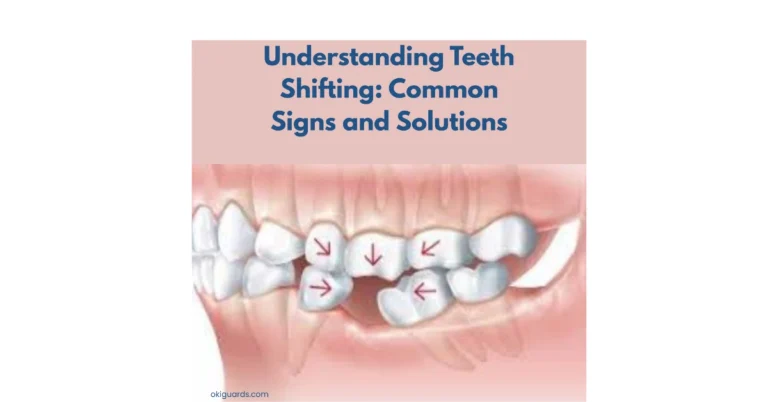
Bite isn’t a simple on/off switch for bruxism, but uneven contacts, recent dental work, or jaw posture can increase symptoms you already have.
Life stages and health changes
- Pregnancy & perimenopause/menopause: hormones and sleep changes can increase clenching.
- Illness or recovery: being sick, congested, or run down can spike grinding.
- Kids and teens: Sleep bruxism is common in kids of 4 to 5 years and increases gradually till at the age 14.
Is bruxism harmful?
Short Term: Soreness, headaches, and biting-down pain that comes and goes.
Long Term: Untreated grinding over time can cause:
- Enamel wear and shortened teeth
- Micro-cracks and chips
- Stress on fillings, crowns, and veneers
- Jaw pain and tight facial muscles
- Gum tenderness or recession in some people

The earlier you protect your teeth, the less damage you’ll need to fix later.
How is bruxism treated?
If you are a mild grinder or brux occasionally, only precautionary measures could be enough. But if you are a hard grinder, then it is a serious issue, following treatments are recommended:
Night Guard
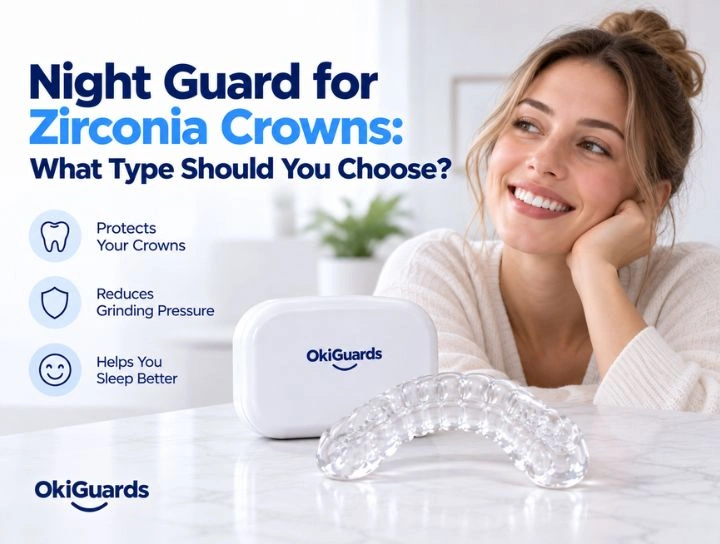
A night guard also called a mouth guard or dental guard is a protective tray worn over the teeth during sleep.
What a guard does
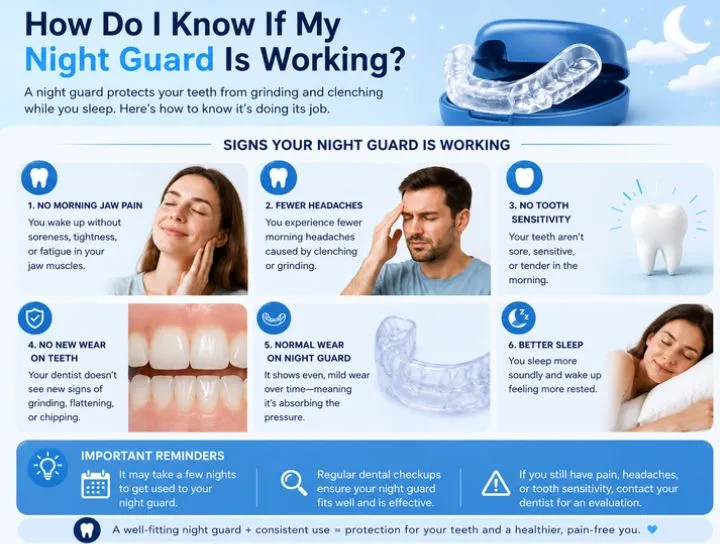
- Creates a barrier so upper and lower teeth don’t grind each other down
- Distributes force more evenly to reduce wear and micro-trauma
- Reduces morning soreness by moderating peak clenching
What a guard doesn’t do
- It doesn’t cure bruxism by itself. The underlying habit can persist.
- It doesn’t replace stress management, sleep hygiene, or medical care when needed (e.g., sleep apnea).
Custom vs. store-bought
- Custom (lab-made): Custom night guards are precise fit, even contact, comfortable to wear all night, ideal if you grind heavily or have dental work you want to protect.
- Boil-and-bite: cheap, quick, and decent as a temporary option; generally not fit and bulky.
Choosing the “best night teeth guard”
People often ask for the best night teeth guard. The “best” is the one that:
- Fits comfortably and stays put
- Matches your severity (soft, hybrid, or hard acrylic)
Uses the right thickness (commonly 1–3 mm) so you’ll actually wear it nightly
Stress Decreasing Techniques:
By managing stress, you can decrease symptoms of bruxism. You can do it by decreasing workload, meditation, exercise, gym, or finding other ways according to you. Spending time in the open air can also reduce stress. By visiting your favourite place, watching a movie, listening to music or spending time with friends and family, stress can be reduced.
Lifestyle changes
If you are a caffeine or alcoholic lover, reducing your daily intake can help you. If you are a smoker, quitting will help you decrease bruxism symptoms.
Medications.
Before going to bed, you can take a muscle relaxer, which will give you good sleep and reduce teeth grinding
How to stop grinding?
Daytime habit retraining
- Jaw rest position: lips together, teeth apart, tongue resting lightly on the palate.
- Micro-reminders: set a phone ping every 60–90 minutes, “Relax jaw, drop shoulders.”
- De-stress in place: slow nasal breathing (4–5 seconds in, longer out), gentle jaw drop (open slightly, close softly).
Sleep hygiene you’ll actually follow
- Caffeine cut-off by early afternoon; avoid alcohol before bedtime.
- Dim screens an hour before bed, keep the room cool and dark.
- 15–20 minutes of wind-down: shower, stretch, light reading, or breathing.
- If you snore or feel very sleepy during the day, go for sleep study because treating sleep issues can reduce grinding.

Smart protection at night
- Wear your custom mouth guard consistently.
- If the bite feels uneven or a spot feels too tight, ask for adjustments.
- If you just started and feel a little strange the first few nights, that’s common, comfort typically improves quickly.
When to Visit Doctor
- Persistent tooth pain or biting-down pain
- Jaw locking, limited opening, or your bite changes
- New crowns/veneers, protect them early
- Signs of sleep apnea: snoring, gasping, daytime sleepiness
Awake bruxism: catching daytime clenching
Daytime clenching is sneaky because it feels how productive you’re “locked in.” Here’s a simple loop:
- Neutralize: tiny jaw drop and soft close to reset muscles.
- Notice: timer or sticky note says “jaw?”
- Reset: teeth apart, tongue up, slow exhale.
Repeat 8–10 times a day. It’s quick and trains a calmer baseline.
Special situations
Bruxism in babies and kids
Bruxism in babies and kids is common during teething, growth spurts, or orthodontic changes. Most cases are temporary. Watch for tooth wear, morning jaw soreness, or snoring. If you see these, ask your dentist.
Pregnancy and hormonal shifts
Pregnancy and perimenopause/menopause can increase jaw clenching due to stress, sleep changes, and fluid shifts. Focus on sleep routine, hydration, and gentle stretches. Ask your dentist which guard material and thickness will feel best during this phase.
Medications
If your antidepressant or stimulant seems to boost clenching, talk to your physician. Sometimes timing, dose, or alternative options help, but don’t change prescriptions on your own.
Myths worth skipping
- “A guard fixes the habit.”
A guard protects your teeth. The habit fades with stress/sleep changes and awareness. - “Thicker is always stronger.”
Not if you can’t tolerate it. The right thickness is the one you’ll wear nightly. - “Store-bought equals custom.”
Good for emergency use; for long-term protection, fit and even contacts matter more than price. - “Only anxious people grind.”
- Stress is common, but sleep quality, meds, and health changes also influence grinding.

Conclusion
Bruxism is common and manageable. Protect your enamel with a well-fitting dental guard, clean it right, and build a repeatable sleep and stress routine. If your bite feels off, you’ve chipped a tooth, or you struggle with snoring or daytime sleepiness, loop in your dentist (and possibly a sleep professional). Small, consistent changes plus the right guard can turn sore mornings into comfortable, confident days.