Masseter Botox Vs Dental Mouth Guards For Bruxism (Teeth Grinding)
Bruxism, clenching or teeth grinding, affects many people, especially during sleep and sometimes during focused daytime work. The good news: it’s highly manageable. A custom night mouth guard protects teeth and dental work, while Botox for bruxism calms overactive jaw muscles so your bite feels easier and mornings feel more comfortable. This guide explains how each option helps, how to choose, and when combining them makes the most sense for long-term comfort and tooth protection.
Note: This article is educational. For diagnosis and treatment, please book a professional consult.
What a Teeth Guard Does
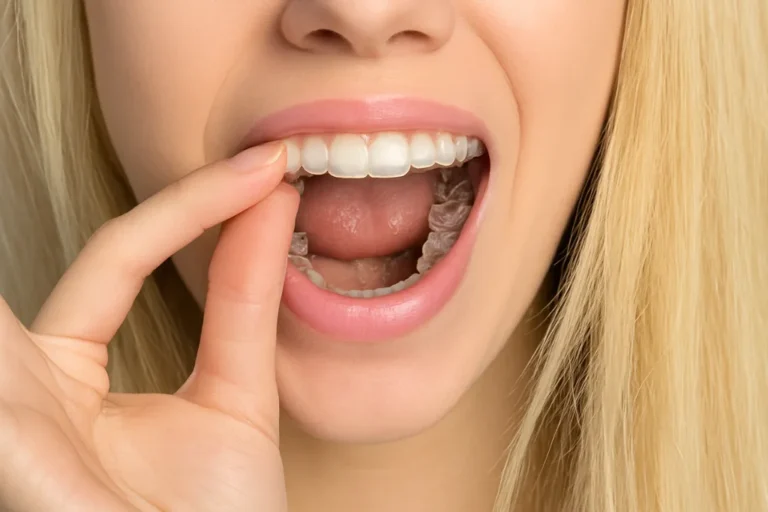
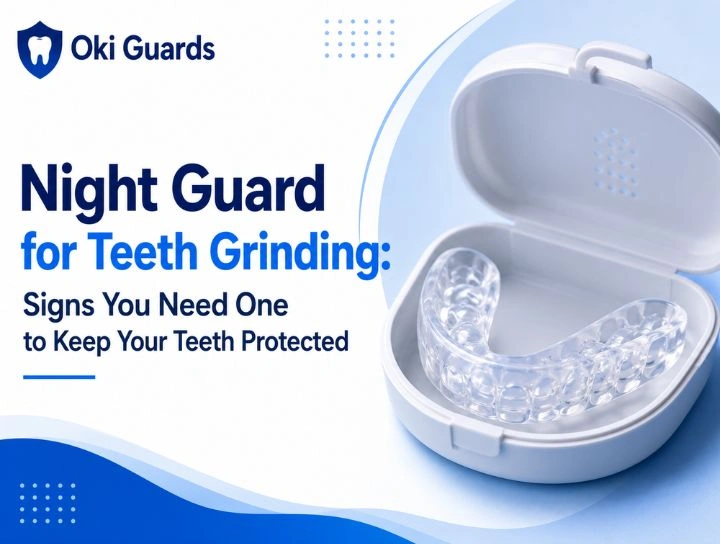
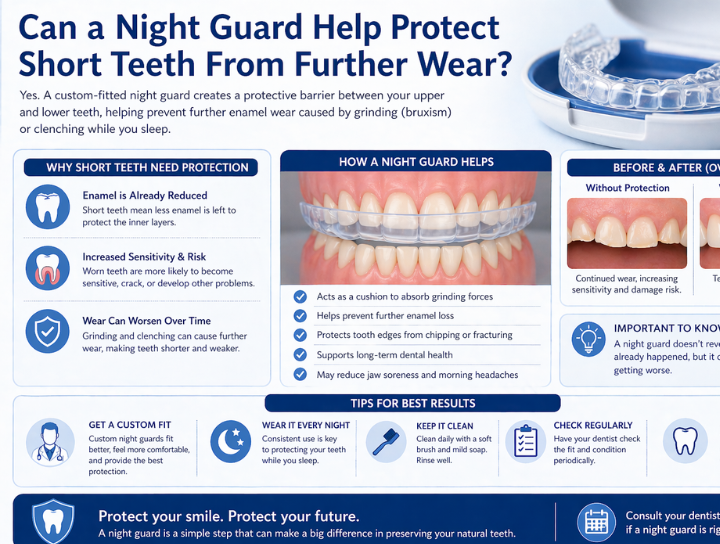
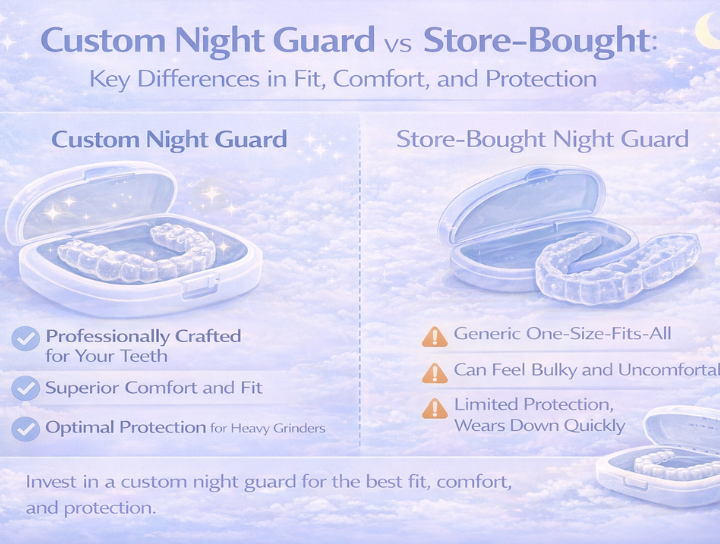
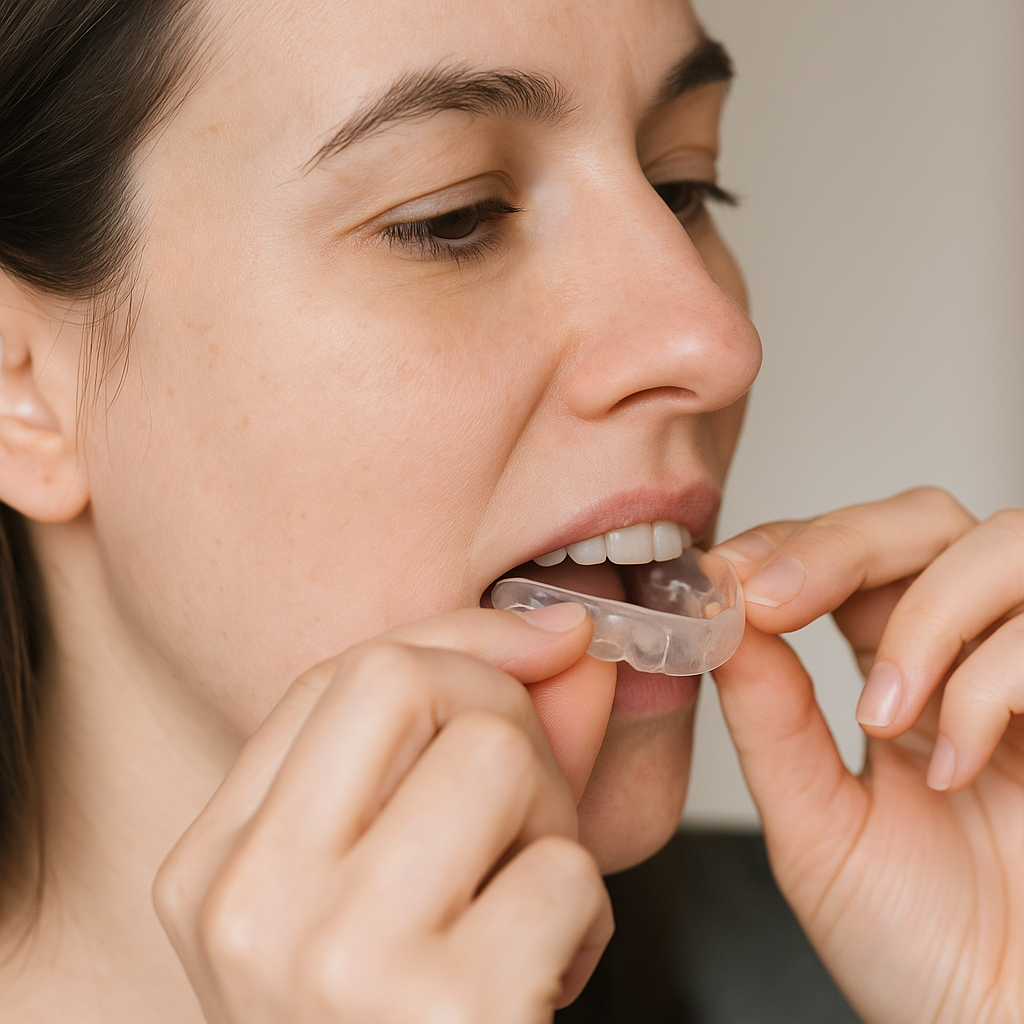
A custom night guard is a precisely fitted dental appliance you wear while sleeping. It places a comfortable barrier between upper and lower teeth, spreads bite pressure across a wider area, and often provides a subtle biofeedback cue to relax your jaw. Because it protects enamel, fillings, crowns, and veneers, many people notice fewer chips and less sensitivity over time. With proper care, a well-made guard can last many months to years.
Learn more: Custom Night Guards
Compare options: Soft vs Hybrid vs Hard Guards
What Botox for Bruxism Does
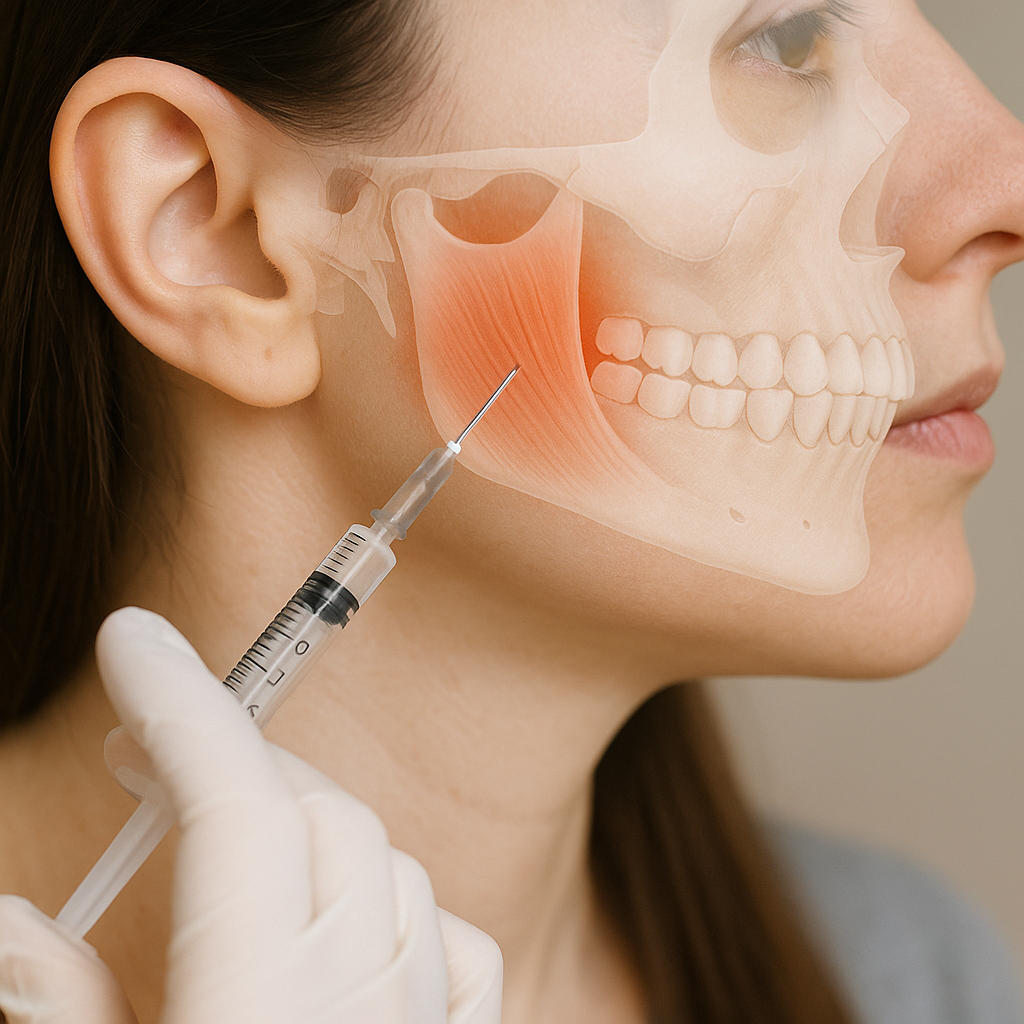
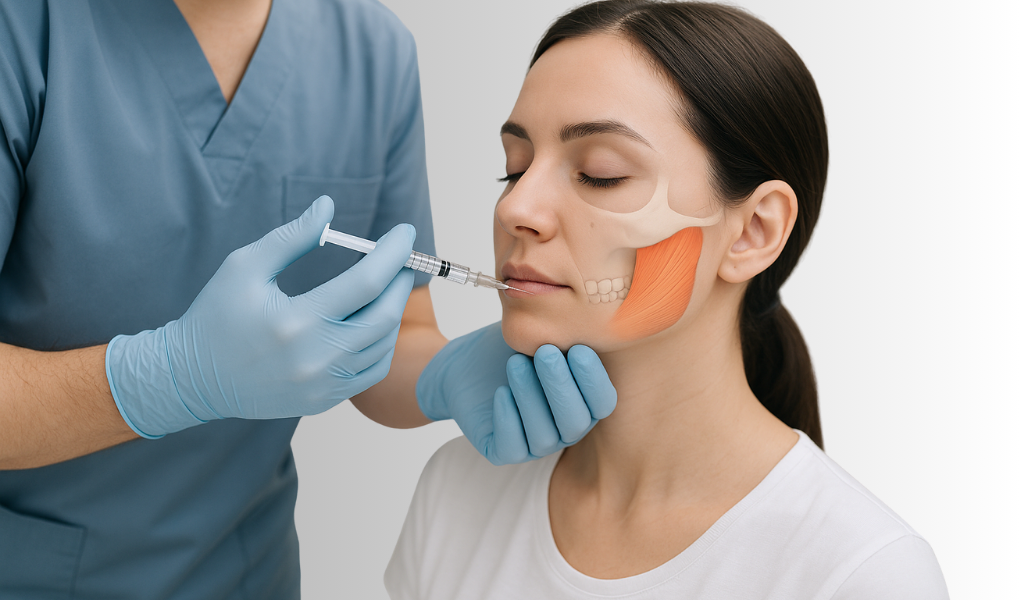
Botox treatment for bruxism temporarily reduces clenching intensity by relaxing overactive jaw muscles. Providers commonly treat the masseter and, when appropriate, include the temporalis. Many people notice a softer, easier bite within 3–7 days (peak at ~2 weeks). Results typically last 3–4 months, sometimes longer. Appointments are quick and you can return to daily activities right away.
Choosing Where to Start
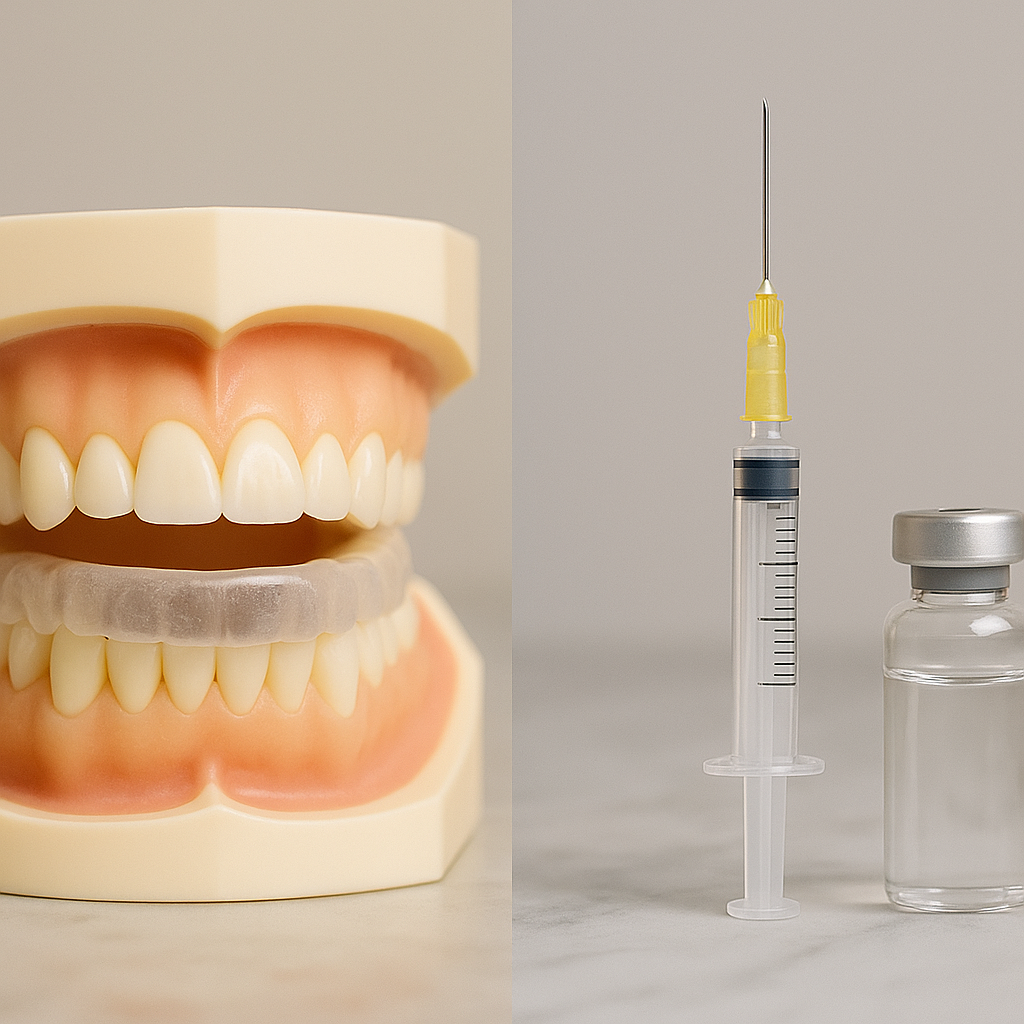
If there’s any risk of tooth wear, sensitivity, or prior dental work to protect, begin with a custom night guard. If jaw or temple tension continues or headaches remain frequent—add Botox for bruxism to calm muscle overactivity. Many patients do best with both: the guard protects teeth and restorations, while Botox lowers the force that causes discomfort.
How To Plan?
Consider your dental history, current signs of wear, bite pattern, muscle tenderness, sleep and stress habits, and goals (protection vs pain relief vs aesthetics). A common path is guard first, reviewed after a few weeks. If clenching still feels strong or symptoms persist, add masseter Botox for bruxism with carefully chosen doses and placement. Follow-ups at 2–4 weeks help fine-tune for predictable, comfortable results.

Learn Here: How To Start
Procedure, Dosage, and Injection Sites
Where to inject
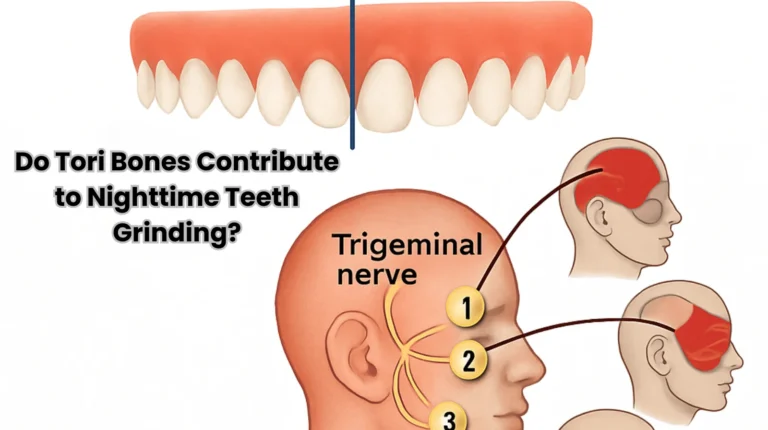
Botox is injected into the masseter and temporalis muscles to reduce grinding and clenching.
Botox dosage for bruxism / amount required
Botox dose depends on different factors:
- Severity of Symptoms The intensity of teeth clenching and grinding can influence the amount of Botox needed. Generally more intense clenching, higher the dose.
- Muscle Strength: Individuals with stronger jaw muscles may require a different dosage to achieve the desired muscle relaxation.
- Individual Response: The way a person responds to the initial treatment can decide the amount required.
Visit time
usually 10–15 minutes with small needles; most people resume normal activities immediately.
Cost, Coverage, and Value
Botox for bruxism cost varies by region, provider expertise, and total dosage; because benefits are time-limited, it’s a recurring investment every few months. A custom night dental guard is typically a one-time device with periodic replacement. Many patients start with the guard for long-term value and add Botox later for comfort.
Insurance: Is Botox for bruxism covered by insurance? Coverage varies by plan and location. Some policies cover medically indicated treatment for diagnosed bruxism or TMD-related pain; others don’t. We’re happy to help with pre-authorization.
Comfort, Appearance, and Everyday Life
Does Botox for bruxism change your face? It can subtly slim a prominent jawline because a less-active masseter may appear smaller. If you prefer functional relief only, we’ll align dosing accordingly. Softer foods usually feel normal right away; very firm or chewy foods feel easier as the initial adjustment passes. A well-fitted guard remains useful alongside Botox because it delivers the physical enamel protection that injections do not.
Learn more: Custom Night Guards
Compare options: Soft vs Hybrid vs Hard Guards
Safety and Predictability
Common, short-lived effects include tiny bruises, brief tenderness, or temporary chewing fatigue. Keep outcomes predictable by using conservative initial dosing, precise placement, and a 2–4 week check-in before to adjust future sessions. If you’re pregnant/breastfeeding or have specific neuromuscular conditions, please discuss this with your physician and our clinician in advance.
Can all dentists do Botox for bruxism?
Not all. Training and scope vary by location. Choose clinicians have specific coursework and hands-on training for masseter Botox and bruxism cases. Oki only fabricate custom night guards in trusted partner labs.

After-Care Guide
Night Guard Care
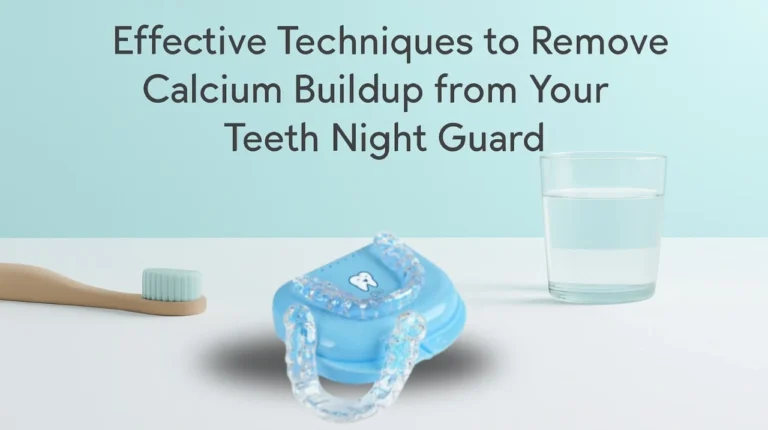
- Rinse after removing; brush gently with a soft brush (no hot water).
- Air-dry fully; store in a ventilated case.
- Bring it to checkups so we can assess fit and wear.
- If it feels tight/loose or causes sore spots.
Botox for Bruxism Care
- For 4–6 hours: keep the area clean; avoid heavy facial massage.
- Chewing very firm foods may feel tiring initially—this usually settles.
- Expect changes within 3–7 days; peak at ~2 weeks.
- Typical maintenance: every 3–4 months (personalized to you).
Daily Habits That Help
- Jaw at rest: tongue to palate, teeth apart, lips together.
- Caffeine timing: earlier in the day; lighter evenings.
- Sleep routine: consistent schedule, cool dark room, fewer screens.
- Micro-breaks: during focused work, unclench every 20–30 minutes.