Chewing on One Side: Why It Triggers TMJ Load + Grinding.

Chewing should feel smooth, balanced, and easy. When chewing on one side becomes your default, the jaw often starts working like a “one-sided machine,” which can increase strain on the joint and the muscles that guide movement.Over time, recognizing this pattern can help you support TMJ comfort, ease masseter muscle tension, and encourage better jaw balance.. Many people also feel that nighttime clenching or grinding becomes stronger because the jaw is under an uneven load all day.This guide explains why one-sided chewing increases TMJ load, what it means for your bite and muscles, and what to do if you also notice tooth pain when chewing. You’ll also see practical, real-life steps—plus how an OkiGuards custom night guard can support recovery when grinding shows up at night (without turning this into a separate “product section”).
Why One-Sided Chewing Is Common
The habit usually starts because one side feels “easier” or safer. Common reasons include:
- A tooth that feels sensitive or sore
- A filling or crown that feels slightly high
- Gum irritation on one side
- A missing tooth that changes contact
- A tight jaw day that makes one side feel stronger
- Eating fast and defaulting to a “dominant side”
Once the brain finds the comfortable side, it repeats the pattern. Repetition trains the jaw to load unevenly.
How chewing on one side increases TMJ load
Your temporomandibular joints (TMJs) work as a pair. The left and right joints guide movement together, and your muscles coordinate to keep the motion smooth. When you mostly chew on one side, the workload becomes uneven between the two sides.
1) One joint does more work for longer
If you chew mainly on the right, the right TMJ often carries more repetitive load. These sensations can show up as gentle TMJ awareness near one ear, a tired joint feeling by evening, or a brief tightness when opening wide—signals that your jaw is asking for balance and care.
2) The jaw shifts to find stable contact
One-sided chewing often includes small sideways shifts to land on the most comfortable tooth contact. These small shifts highlight how important smooth joint tracking is and encourage support for the disc-and-glide mechanics that keep jaw movement comfortable.
3) The muscles learn an uneven pull
When one side works harder every meal, muscles on that side become more active and tighter, while the other side becomes less engaged. This pattern highlights the foundation of jaw muscle balance and explains why your bite may feel different on busy days.
Why one-sided chewing can make grinding feel stronger at night
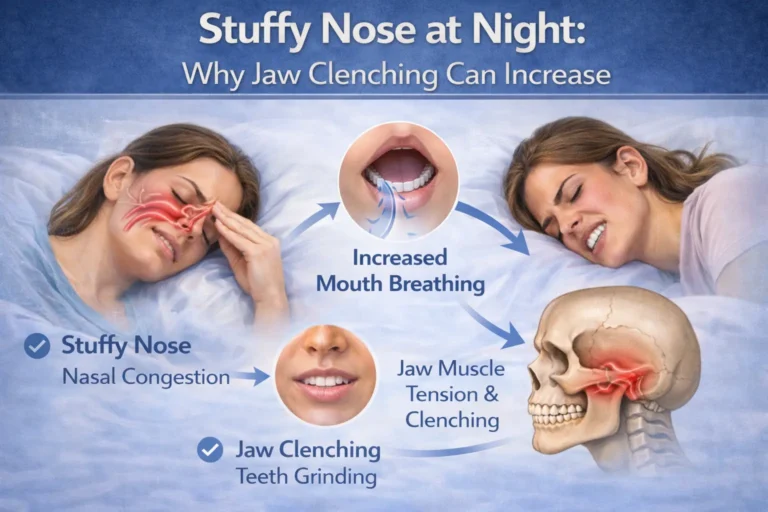
Grinding and clenching often increase when the jaw system is searching for stability. A jaw that worked all day unevenly can feel “busy,” and busy muscles can remain more reactive during sleep.
A simple way to understand it:
- One-sided chewing trains one side to overwork
- Overworked muscles feel less settled by bedtime
- The jaw may clench or grind to find stable contact during sleep
- Morning tightness feels stronger because the jaw didn’t fully recover
This is why daytime chewing patterns can influence nighttime comfort.
Masseter muscle tightness: the most common one-sided clue
The masseter is the thick cheek muscle near the back teeth. When chewing on one side becomes routine, the masseter on that side can feel fuller, tighter, or more tender.Masseter muscle tightness often feels like:
- A firm spot in the cheek that feels “worked”
- Chewing fatigue on one side
- Tightness that improves with warmth
- A heavier jaw feeling late in the day
This is a workload signal that improves when the load becomes more balanced and recovery becomes consistent.
Tooth pain when chewing: the reason the habit starts
Tooth pain when chewing is one of the most common reasons people switch sides. Your brain naturally avoids pain, so it reroutes chewing to the side that feels safer. The jaw may naturally favor one side, and with awareness, you can help it return to a balanced pattern even after the tooth feels better.
- Enamel sensitivity or worn edges
- A small crack or bite pressure spot
- Gum irritation around one tooth
- Recent dental work needs a bite adjustment
- A cavity or inflammation
Noticing signs of one-sided chewing helps you support and care for your jaw.
These patterns usually feel clear:
- TMJ pain on one side, near the ear or jaw hinge
- A click, pop, or shift during opening
- One cheek feels tighter than the other
- Jaw fatigue after meals
- Morning tightness that feels one-sided
- Temple pressure on one side
These signs are useful because they point to a practical plan: reduce uneven load and support smoother jaw movement.
Where OkiGuards fits naturally when grinding shows up
If your jaw feels overworked from uneven chewing and you also grind or clench at night, overnight protection can support recovery. A custom-fit OkiGuards night guard creates a stable, protective surface between your teeth, helping your bite feel more organised during sleep. When the bite feels stable, the jaw often feels less “busy,” and mornings often feel lighter.
A practical way people use it:
- Brush and floss
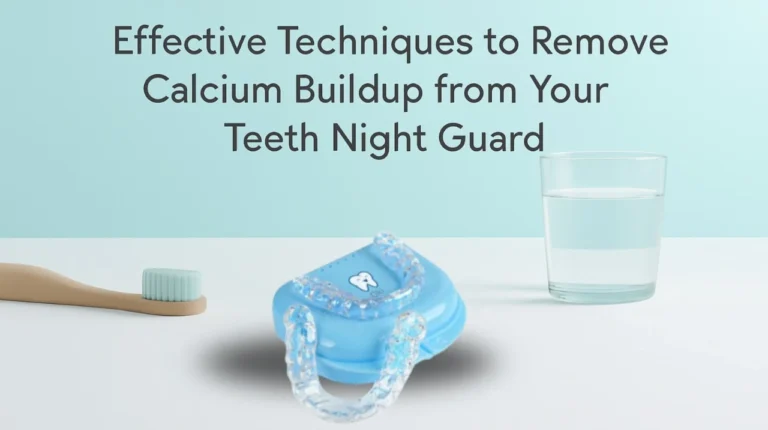
- Rinse the guard with cool or lukewarm water
- Seat it gently with fingertips
- Take 3 slow breaths (teeth relaxed)
- Sleep with steady protection that supports recovery
Because OkiGuards are custom-fit, cleaning the inner grooves gently each morning supports comfort and consistent wear.
A simple daily routine for jaw balance
Morning (30 seconds):
Slow nasal breathing + neutral jaw posture
Meals:
First 5 bites retrain + alternate sides
Evening (60 seconds):
Warm compress or massager circles
This routine supports better symmetry and calmer jaw movement without feeling complicated.

Final note
Chewing on one side can quietly increase joint load, reinforce jaw muscle imbalance, and lead to increased masseter muscle tightness, which can contribute to TMJ pain. When the jaw works unevenly throughout the day, nighttime clenching or grinding can feel more intense because the system stays more reactive. The most helpful approach is simple and practical: address tooth pain when chewing, retrain chewing balance with small meal-based habits, and support recovery with gentle muscle release and a stable sleep routine. With consistent steps, jaw movement often feels smoother, meals feel easier, and mornings feel more comfortable.