Jaw Pain: Why It Happens and 5 Common Causes
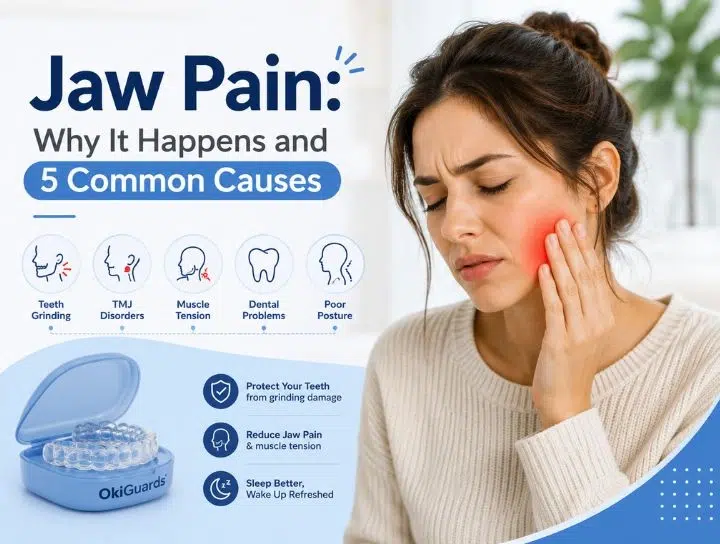
A comfortable jaw supports easy speaking, smooth chewing, relaxed facial movement, and a confident daily routine. When someone searches for Jaw Pain or asks, “Why does my jaw hurt?” They are usually looking for clear guidance, simple comfort steps, and a better way to understand their jaw. A positive care plan can make the jaw feel more supported and help the whole mouth work in a smoother rhythm.The jaw is an active part of the body. It helps you talk, smile, laugh, chew, yawn, and express yourself. Because it works so often, it benefits from steady care, gentle habits, and the right support.
Many people notice jaw discomfort after a busy day, focused work, nighttime clenching, or changes in their oral routine. With awareness and helpful daily steps, the jaw can feel more relaxed and balanced.This guide explains common jaw pain causes, helpful comfort habits, and supportive options that can promote a healthier jaw routine.
A Simple Look at Jaw Comfort
Your jaw includes muscles, joints, teeth, ligaments, and soft tissues that work together. When this system feels balanced, everyday activities feel natural and easy.“When the jaw needs a little extra care, you may notice gentle tightness, tenderness, or soreness—signals that your jaw is asking for rest and relaxation. These signs can be helpful because they guide you toward better habits. A dentist can check your bite, teeth, gums, and jaw movement. A custom night guard can also support people who clench or grind during sleep.
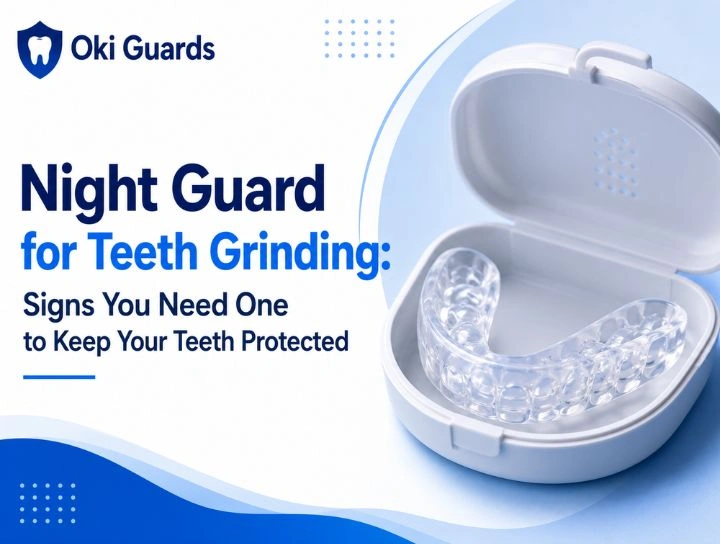
A well-fitted night guard creates a smooth layer between the teeth. This layer helps protect the teeth and supports a calmer nighttime jaw position. OkiGuards offers custom night guards that can support people who want a practical at-home option for jaw clenching and teeth grinding support.
5 Common Jaw Pain Causes
Daily habits, sleep patterns, bite pressure, posture, and muscle activity can influence jaw comfort. The following five areas are common reasons people may notice jaw tightness or tenderness.
1. Jaw Clenching During the Day or Night
Jaw clenching is one of the most common reasons people notice jaw soreness. Clenching happens when the upper and lower teeth press together with extra force. Many people clench while working, studying, driving, exercising, or concentrating. Some people also clench while sleeping.A helpful way to support the jaw during the day is to practice a relaxed resting position. Keep your lips softly closed, your teeth slightly apart, and your tongue resting gently near the roof of your mouth. This position gives the jaw muscles a lighter and more relaxed pattern.At night, a custom night guard can help protect the teeth from clenching pressure. It can also create a smoother surface for the bite. This can support a more comfortable morning routine and a more protected smile.
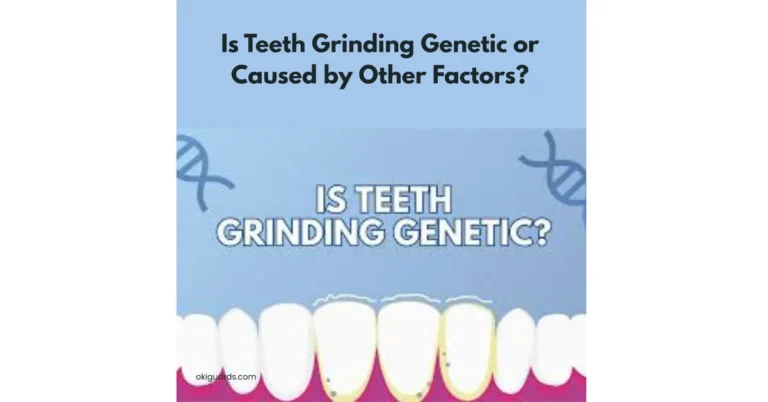
2. Teeth Grinding During Sleep
Teeth grinding can place repeated pressure on the teeth and jaw muscles.Many people may notice morning tightness, tooth sensitivity, or facial tension when grinding happens during sleep, which can be a gentle reminder to support jaw relaxation and better rest habits. These signs can be useful because they show when the mouth may benefit from extra protection.A night guard can be a helpful option for people who grind their teeth. It places a protective layer between the upper and lower teeth. This layer supports tooth enamel, helps manage bite pressure, and gives the jaw a more stable nighttime surface.People who want different comfort levels can choose from soft, hard, or hybrid night guard options. A soft night guard offers a cushioned feel. A hard night guard provides firm protection. A hybrid night guard combines a soft inner layer with a stronger outer layer.
3. Muscle Tension From Busy Routines
The jaw muscles often respond to daily focus and emotional energy. A busy schedule, long screen time, intense concentration, or quick meals can make the jaw feel more active. This type of muscle activity can create jaw discomfort that responds well to gentle relaxation habits.Small breaks can help the jaw feel lighter. Take a slow breath, relax your shoulders, and let your jaw rest for a few seconds. You can repeat this several times during the day.A warm compress can also feel soothing around the cheeks and jawline. Gentle massage in small circles can support facial muscle comfort. These simple steps can help the jaw feel calmer during active days.
4. Bite Pressure and Tooth Alignment
The way teeth meet can influence jaw comfort. When bite pressure is stronger in one area, the jaw muscles may work harder to create balance. A dentist can check your bite and help you understand how your teeth come together.Bite guidance can be especially helpful when jaw symptoms appear with tooth sensitivity, worn edges, or a feeling of pressure around certain teeth. Professional care can help you choose the right steps for your smile.A custom night guard can also support bite comfort during sleep. Because it is made from your own dental impression, it can fit securely and feel natural. This personalized fit can make the guard easier to wear consistently.
5. Posture and Neck Support
The jaw works closely with the head, neck, and shoulders. A forward head position during screen time can encourage extra activity in the jaw and neck muscles. Better posture can support smoother jaw movement and a more comfortable daily routine.You can support posture with a few easy habits. Keep your screen close to eye level. Let your shoulders rest naturally. Sit with your feet grounded. Take small movement breaks during long work periods.Neck and shoulder stretches can also support jaw comfort. A relaxed upper body can help the jaw feel more open and easy.
Common Jaw Pain Symptoms to Notice
Jaw pain symptoms can help you understand what your jaw needs. These signs can guide you toward better oral care, helpful habits, and professional support.
You may notice:
- Morning jaw tightness
- Tenderness near the cheeks
- Facial muscle tension
- Tooth sensitivity
- Bite pressure
- Jaw clicking or popping
- Soreness while chewing
- Tension near the temples
- Teeth grinding signs
- A need for more jaw relaxation
These signs can be shared with your dentist. Clear details help your dental team create a more personal plan.
Jaw Pain Relief With Simple Daily Habits
Jaw pain relief can begin with steady habits that support the muscles, teeth, and joints. These steps can fit easily into a normal day.
Practice the Resting Jaw Position
Keep your lips gently closed and your teeth slightly apart. Let your tongue rest softly near the roof of your mouth. This position helps the jaw feel more relaxed.
Use Slow Breathing
Slow breathing helps the body feel calmer. As you breathe out, let your jaw and shoulders soften. This can support the face and neck at the same time.
Try Gentle Jaw Massage
Use your fingertips to massage the cheeks and jawline in small circles. This can support muscle comfort and make the jaw feel lighter.
Add Warmth
A warm compress can feel pleasant on the jaw area. Use it during an evening routine or after a busy day.
Wear a Custom Night Guard
A custom night guard can help protect the teeth during grinding or clenching. It can also support a more balanced nighttime routine.
Jaw Pain Treatment and Professional Support
Jaw pain treatment works best when it is personalized. A dentist can check your bite, teeth, gums, jaw movement, and night guard needs. A healthcare professional can also guide care when jaw comfort connects with the neck, muscles, or overall wellness.A dental visit may include a review of your symptoms, bite marks, enamel surfaces, gumline, and jaw movement. This information can help identify the best care plan. Your dentist may recommend a custom night guard, bite evaluation, relaxation habits, or additional professional support.Professional guidance can make the process feel clearer and more confident. It also helps you choose care that matches your exact jaw pattern.
A Custom Night Guard for Better Jaw Support
A custom night guard is designed from impressions of your teeth. This helps create a secure fit that feels more natural in the mouth. A custom fit can support consistent use because the guard is shaped for your smile.OkiGuards custom night guards are made for different grinding and clenching needs. A soft guard can feel cushioned and gentle. A hard guard can support stronger pressure. A hybrid guard can offer comfort and durability together.
A night guard can support:
- Tooth protection during sleep
- A smoother bite surface
- Jaw muscle comfort
- Better enamel care
- A more consistent bedtime routine
- Personalized nighttime support
This makes a custom night guard a practical addition to a jaw comfort plan.
A Fresh Bedtime Routine for Jaw Comfort
A peaceful bedtime routine can help the jaw prepare for rest. The routine can be simple and easy to follow.
Try this flow:
- Brush gently with a soft toothbrush.
- Floss carefully between the teeth.
- Rinse your night guard with cool water.
- Place the guard securely.
- Relax your shoulders.
- Rest your tongue near the roof of your mouth.
- Take three slow breaths.
This routine helps the mouth feel clean, protected, and ready for sleep.
Daytime Jaw Care Tips
Daytime habits can support the jaw just as much as nighttime protection. Small reminders can help the jaw stay relaxed throughout the day.
Try these ideas:
- Keep your teeth apart when resting.
- Take breathing breaks during focused work.
- Stretch your shoulders gently.
- Keep your screen at eye level.
- Drink water often.
- Notice when your jaw feels active.
- Use a reminder that says, “Relax your jaw.”
These habits can help the jaw feel lighter and more comfortable.
Frequently Asked Questions
What are common jaw pain causes?
Common jaw pain causes include jaw clenching, teeth grinding, muscle tension, bite pressure, and posture habits. A dentist can help identify the pattern that fits your smile.
What jaw pain symptoms should I notice?
Helpful jaw pain symptoms to notice include morning tightness, tooth sensitivity, facial tension, chewing soreness, and bite pressure. These details can guide better care.
What helps with jaw pain relief at home?
Slow breathing, warm compresses, gentle massage, relaxed jaw posture, and a custom night guard can support jaw pain relief at home.
What jaw pain treatment is best for clenching?
A custom night guard, dental evaluation, jaw relaxation habits, and bite guidance can support jaw pain treatment when clenching is part of your routine.

Final note
Jaw comfort can improve with awareness, gentle habits, dental guidance, and the right nighttime protection. When you understand common jaw pain causes, it becomes easier to choose steps that support your mouth and daily routine.A custom night guard can help protect the teeth and support a calmer jaw during sleep. Relaxed posture, slow breathing, soft brushing, and regular dental visits can also help your jaw feel cared for. With steady support, your smile can feel more comfortable, balanced, and ready for each day.