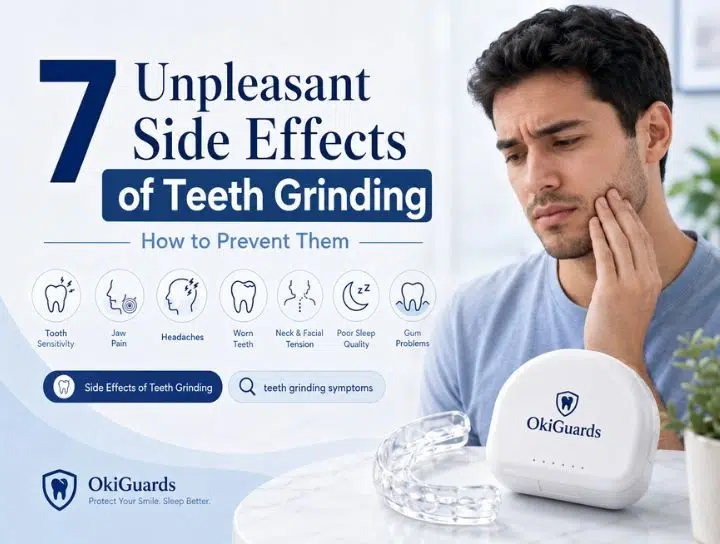
7 Unpleasant Side Effects of Teeth Grinding and How to Prevent Them
A strong, healthy smile deserves daily protection, especially when nighttime grinding or clenching becomes part of a person’s routine. Teeth grinding, also known as bruxism, can place extra pressure on the teeth, gums, jaw muscles, and dental work. With early awareness and the right support, you can protect your smile, encourage better comfort, and create a more balanced oral care routine.
Many people first notice small signs such as morning jaw tightness, tooth sensitivity, or a change in how their bite feels. These signs can be helpful because they show when the mouth may benefit from extra care. A night guard for teeth grinding can support the teeth by creating a smooth protective layer between the upper and lower teeth during sleep.In this guide, you will learn about the common Side Effects of Teeth Grinding, how they may show up, and how a custom night guard can help protect your smile simply and practically.
Tooth Sensitivity From Grinding Pressure
Tooth sensitivity is one of the most common symptoms of teeth grinding. The teeth can become more responsive when repeated pressure affects the biting surfaces. Some people feel this sensitivity while drinking something cool, enjoying a warm meal, or brushing near certain areas.This response can be your smile’s way of asking for gentle care and better protection. A custom night guard can help by reducing direct tooth-to-tooth contact while you sleep. This gives the teeth a smoother surface and helps support comfort.
Helpful steps include:
- Use a soft-bristled toothbrush.
- Choose toothpaste made for sensitive teeth.
- Brush with gentle circular motions.
- Wear a custom night guard during sleep.
- Schedule dental checkups for personalized care.
These simple habits can help your teeth feel calmer and more supported each day.
Jaw Muscle Tension and Morning Tightness
The jaw muscles are powerful, and they can stay active during sleep when grinding or clenching happens. This activity may create morning tightness around the jaw, cheeks, temples, or neck. Many people notice that their jaw feels more comfortable after they stretch, breathe deeply, or begin their day.A positive way to support the jaw is to practice a relaxed resting position during the day. Keep your lips gently closed, your teeth slightly apart, and your tongue resting softly near the roof of your mouth. This position helps guide the jaw toward ease.
A custom night guard also supports nighttime comfort by creating a stable surface for the teeth. With consistent use, it can become a natural part of your sleep routine.
Tooth Wear and Enamel Protection
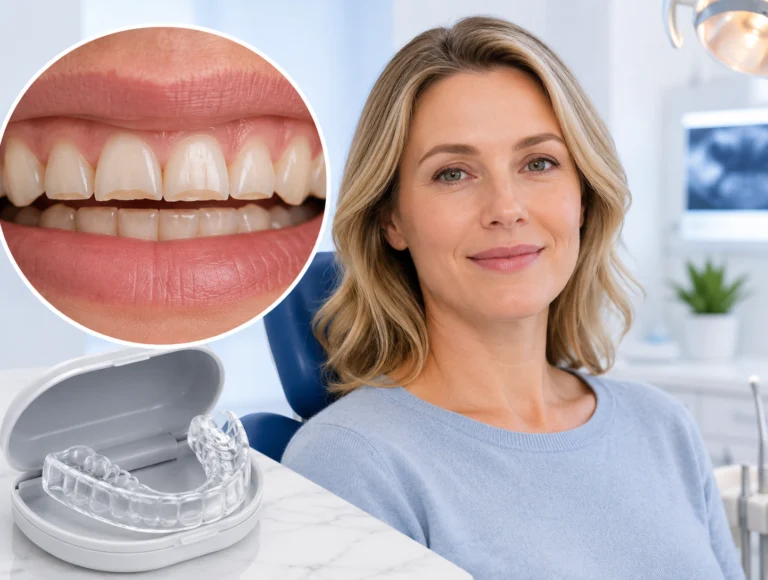
One of the most important teeth grinding problems to understand is enamel wear. Enamel is the outer layer of the teeth, and it helps protect the inner structure. Grinding can create repeated contact on the biting edges and chewing surfaces, which may gradually change the shape of the teeth.This is where prevention becomes valuable. A night guard can help protect enamel by placing a durable layer between the teeth. Instead of the teeth pressing directly against each other, they meet the guard surface.
To support enamel health:
- Wear your night guard regularly.
- Keep your dental visits on schedule.
- Drink water throughout the day.
- Use dentist-recommended oral care products.
- Notice any changes in tooth shape or bite feel.
These steps can help you preserve the natural strength and beauty of your smile.
Protecting Teeth from Grinding
Chipped teeth from grinding can happen when repeated bite pressure affects the edges of the teeth, which is why protecting your teeth early can help keep your smile strong and healthy. Even small changes in tooth shape can make a person more aware of their bite. A dentist can smooth, repair, or guide care when a chip appears, and a custom night guard can help protect the teeth from further pressure during sleep.The best approach is to act early and support the teeth before grinding pressure becomes more visible. A guard creates a controlled surface between the upper and lower teeth. This helps the smile feel more protected during nighttime clenching or grinding.A custom-fit guard is especially helpful because it is made from impressions of your own teeth. That personalized fit helps the appliance stay secure and comfortable while you rest.
Tooth Damage From Grinding Pressure
The phrase tooth damage from grinding often refers to changes such as flattened surfaces, small cracks, worn edges, or extra sensitivity. These changes can be managed with dental guidance and protective care. A dentist can check the teeth closely and recommend the right solution based on your bite, enamel, and grinding pattern.
A custom night guard is one of the most practical ways to support tooth protection at home. It does not change your daily routine in a complicated way. You place it before sleep, wear it through the night, and clean it in the morning.OkiGuards offers custom night guards designed for different grinding levels, including soft, hard, and hybrid styles. This gives users a helpful way to match their guard choice with their comfort preference and grinding strength.
Gum Recession From Grinding Pressure
Gum recession from grinding can be connected with extra pressure around the teeth and gumline. The gums support the teeth and help protect the roots, so they benefit from steady care and balanced bite support. When grinding pressure is present, the gumline may appreciate extra protection through professional dental guidance and a well-fitted night guard.A positive gum-care routine can make a meaningful difference. Brush gently with a soft toothbrush, floss carefully, and keep the gumline clean. If your gums feel sensitive or look different, your dentist can check the area and suggest the best next step.A custom night guard can support gum comfort by helping manage bite pressure during sleep. This creates a more balanced nighttime environment for the teeth and surrounding tissues.
Sleep Routine Disruption From Jaw Activity and How It Affects Rest
Teeth grinding can sometimes make the mouth feel more active during rest hours, which can be a gentle reminder to support better relaxation for a more peaceful sleep. Some people become aware of this through morning jaw tension, tooth sensitivity, or comments from a sleep partner. A bedtime routine that supports jaw relaxation can help create a smoother sleep experience.
Try a calming evening flow:
- Brush and floss gently.
- Rinse your custom night guard.
- Place the guard securely over your teeth.
- Relax your shoulders.
- Keep your lips soft and closed.
- Take three slow breaths.
- Let your jaw settle before sleep.
This routine helps prepare the mouth for rest and gives your teeth protection through the night.
How to Prevent Teeth Grinding Effects
Prevention works best when daytime awareness and nighttime protection come together. Small daily actions can support your jaw, protect your enamel, and help your mouth feel more comfortable.
Here are practical ways to prevent the effects of teeth grinding:
- Wear a custom night guard while sleeping.
- Practice relaxed jaw posture during the day.
- Keep your teeth slightly apart when resting.
- Reduce jaw pressure during focused tasks.
- Stretch your shoulders and neck gently.
- Stay hydrated.
- Keep regular dental visits.
- Clean your night guard every morning.
- Choose a guard style that matches your grinding level.
These habits can support your smile consistently.
Choosing the Right Night Guard for Teeth Grinding
A night guard for teeth grinding should feel comfortable, secure, and easy to wear. Custom guards are made from impressions of your own teeth, which helps create a personalized fit. This fit can help the guard stay in place and feel more natural during sleep.
There are a few common guard styles:
Soft Night Guard
A soft night guard has a flexible and cushioned feel. It can be a comfortable choice for light grinding or for people who prefer a softer appliance.
Hard Night Guard
A hard night guard provides a firm protective surface. It can support stronger grinding and offer durable nighttime protection.
Hybrid Night Guard
A hybrid night guard combines a soft inner layer with a hard outer layer. It can support comfort on the inside and strength on the outside.
A dentist can help guide the best thickness and style based on your teeth, bite, and grinding pattern.
Daytime Habits That Support a Healthier Jaw
Teeth grinding often receives attention at night, yet daytime habits also matter. Many people clench during work, studying, driving, or phone use. A few reminders can help the jaw feel more relaxed throughout the day.
Try these simple habits:
- Keep your tongue resting gently near the roof of your mouth.
- Let the teeth stay slightly apart when you are not eating.
- Take breathing breaks during focused work.
- Keep your screen at eye level.
- Roll your shoulders gently.
- Sip water regularly.
- Use a reminder that says, “Relax your jaw.”
These habits create more awareness and help your jaw develop a calmer resting pattern.
How a Custom Night Guard Supports Long-Term Smile Care
A custom night guard gives your teeth a protective surface during sleep. It helps reduce direct tooth contact and supports a more controlled bite environment. This can be especially helpful for people who notice sensitivity, tooth wear, or jaw tightness connected with grinding.
A custom guard also supports consistency. When an appliance fits well, it feels easier to wear every night. A steady routine gives your teeth ongoing protection and helps your mouth feel more balanced.
OkiGuards custom night guards are designed to make at-home tooth protection simple, comfortable, and personalized. With soft, hard, and hybrid options, users can choose a guard that fits their grinding pattern and comfort needs.
Cleaning and Caring for Your Night Guard
A fresh night guard supports a fresh mouth. Daily cleaning also helps the guard feel pleasant and ready for the next night.
Use this easy care routine:
- Rinse the guard after wearing it.
- Brush it gently with a soft toothbrush.
- Let it air-dry fully.
- Store it in a ventilated case.
- Keep it away from heat.
- Bring it to dental visits for fit checks.
Good care helps your guard stay comfortable and supports your daily oral hygiene routine.
When to Ask a Dentist for Guidance
A dentist can help you understand your grinding pattern and choose the right protection. During an exam, the dentist may check your enamel, bite, gumline, jaw movement, and tooth sensitivity. This information helps create a plan that matches your smile.
It is helpful to mention:
- Morning jaw tightness
- Tooth sensitivity
- Chipped teeth from grinding
- Tooth wear
- Gumline changes
- Daytime clenching habits
- Current night guard use
This conversation can help you feel confident about your next steps.
Frequently Asked Questions
What are the common Side Effects of Teeth Grinding?
Common Side Effects of Teeth Grinding include tooth sensitivity, jaw tightness, enamel wear, chipped teeth from grinding, gumline changes, and morning facial tension.
What teeth grinding symptoms should I notice?
Helpful teeth grinding symptoms to notice include morning jaw tightness, tooth sensitivity, bite pressure, worn tooth edges, and facial muscle tension.
Can a night guard help prevent tooth damage from grinding?
Yes, a custom night guard can help reduce direct tooth-to-tooth contact and support tooth protection during sleep.
Can grinding contribute to gum recession?
Grinding pressure can affect the teeth and gumline, and a dentist can check gum recession from grinding while guiding the best care routine.
What type of night guard is best for teeth grinding?
The best night guard depends on your grinding level and comfort preference. Soft guards support light grinding, hard guards support stronger grinding, and hybrid guards offer comfort with durability.

Final note
The Side Effects of Teeth Grinding can be managed with early awareness, dental guidance, and consistent protection. Tooth sensitivity, jaw tension, enamel wear, chipped teeth, gumline changes, and nighttime jaw activity all give useful signs that your smile may benefit from extra support.A custom night guard can help protect the teeth while you sleep and make oral care feel more complete. When you combine a night guard with gentle brushing, relaxed jaw habits, hydration, and regular dental visits, your smile can feel stronger, fresher, and better cared for.