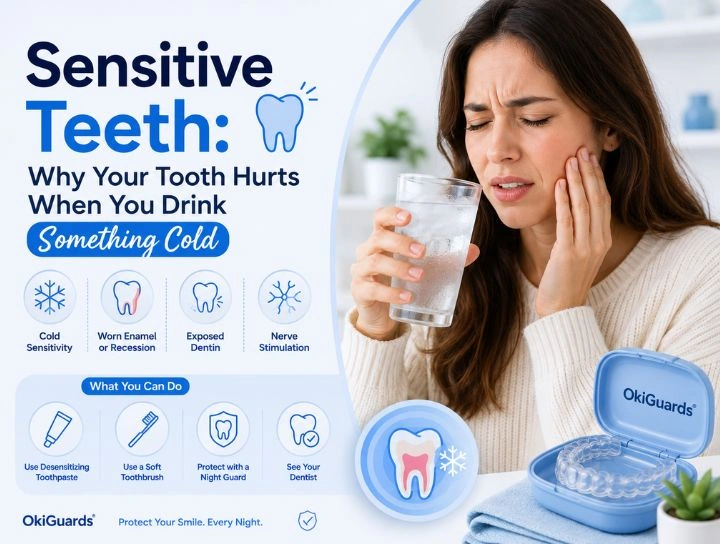
Sensitive Teeth: Why Your Tooth Hurts When You Drink Something Cold
A cool drink can feel refreshing, especially when your teeth feel calm, protected, and well cared for. When someone notices sensitive teeth while sipping cold water or enjoying a chilled drink, it can be a helpful sign that the smile may benefit from extra support. With the right daily habits, gentle oral care, and proper tooth protection, cold sensitivity can become easier to manage.
Many people search for cold sensitivity teeth or sensitive teeth in cold water because they want to understand why a tooth reacts to cool temperatures. The answer often involves the outer tooth layer, the gumline, daily brushing habits, enamel care, and sometimes nighttime grinding or clenching. A dentist can guide the exact reason, while a steady home routine can help the teeth feel more comfortable.This guide explains why cold drinks may create tooth sensitivity, how to support enamel and gums, and how a night guard for sensitive teeth can help when grinding or clenching adds extra pressure to the smile.
A Refreshing Way to Understand Tooth Sensitivity
Your teeth are built with several layers. The outer layer, called enamel, helps protect the tooth. Under the enamel is dentin, a layer that can respond more quickly to temperature changes. When cold water touches an area that is more exposed or more responsive, the tooth may send a quick signal.This signal can guide you toward helpful care. Tooth sensitivity often improves with better protection, softer brushing, dentist-recommended toothpaste, and professional guidance. A night guard can also support comfort when grinding or clenching contributes to enamel wear or tooth pressure.A positive care routine can help your teeth feel calmer with cold drinks and daily meals.
Why Cold Drinks Can Feel Noticeable
Cold drinks create a temperature change in the mouth. Healthy teeth can handle many temperature changes, and some areas may still feel more responsive when enamel, gumline, or bite pressure needs attention. This is why tooth pain after a cold drink search is common among people who want quick clarity and simple support.The sensation can appear in one tooth or several teeth. It may happen with cold water, iced tea, smoothies, chilled fruit, or even cold air. Your dentist can check the tooth surface, gumline, bite, and dental work to understand the best next step.A gentle routine can help you feel more confident while you plan your dental care.
Sensitive Teeth Causes That May Be Involved
Understanding sensitive teeth causes can help you choose care that matches your smile. Sensitivity may connect with enamel changes, gumline exposure, brushing pressure, whitening products, dental work, or grinding habits.
Common reasons may include:
- Enamel that benefits from extra protection
- Gumline areas that appreciate gentle care
- Brushing with too much pressure
- Toothpaste or whitening products that feel strong for your smile
- Grinding or clenching during sleep
- Bite pressure around certain teeth
- Recent dental treatment or tooth movement
- Small surface changes that a dentist can evaluate
Each reason has helpful care options. A dentist can identify the main factor and recommend the best routine for your mouth.
How Teeth Grinding Can Add to Sensitivity
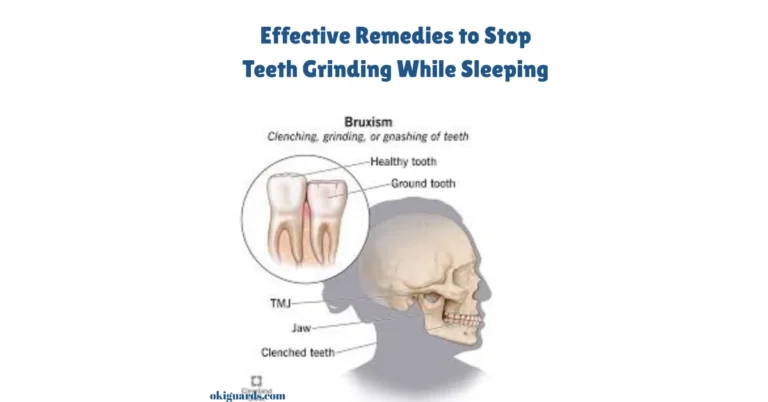
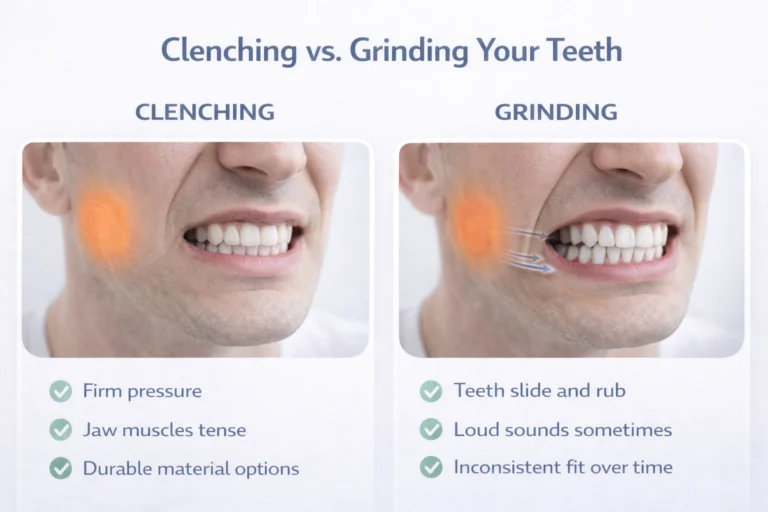
Teeth grinding places extra pressure on the biting surfaces. This pressure can make the teeth feel more responsive to cold drinks, chewing, or brushing. When grinding happens during sleep, a person may notice sensitivity in the morning or after drinking something cold.
A night guard for sensitive teeth can support the smile by creating a smooth protective layer between the upper and lower teeth. This layer helps reduce direct tooth-to-tooth contact while sleeping. It also gives the jaw a more stable surface and helps protect enamel from grinding pressure.OkiGuards offers custom night guards made from dental impressions, which help create a secure fit for nighttime protection. A custom fit can make the guard feel more natural and easier to wear consistently.
Cold Sensitivity: Teeth and Gumline Care
The gumline plays an important role in tooth comfort. When gums sit comfortably around the teeth, they help protect sensitive areas near the roots. Gentle gum care can support a healthier mouth and make cold drinks feel more pleasant.
Helpful gumline habits include:
- Brush with a soft-bristled toothbrush.
- Use small circular motions.
- Floss gently each day.
- Drink water regularly.
- Keep dental cleanings on schedule.
- Ask your dentist about sensitivity toothpaste.
These steps support both gum health and tooth comfort. A calm brushing style can make a big difference for people with sensitive teeth.
Tooth Sensitivity Relief You Can Start at Home
People often search for tooth sensitivity relief because they want a simple plan. A good relief routine can include gentle cleaning, enamel support, grinding protection, and professional guidance.
Try these comfort-focused steps:
1. Use Sensitivity Toothpaste
Toothpaste made for sensitivity can support the tooth surface over time. Use it consistently for the best experience.
2. Choose a Soft Toothbrush
A soft toothbrush helps clean the teeth while being kind to the gumline. Gentle motions support comfort and freshness.
3. Sip Cold Drinks Slowly
Slower sipping gives the teeth time to adjust. A straw can also guide cold liquid away from highly responsive areas.
4. Support Enamel With Dental Guidance
A dentist can recommend fluoride products or other enamel-supporting options. Professional advice helps you choose products that fit your smile.
5. Wear a Night Guard When Grinding Is Present
A custom night guard can help protect the teeth during sleep. It supports enamel care and helps manage pressure from clenching or grinding.
Choosing a Night Guard for Sensitive Teeth
A night guard can be especially helpful when sensitivity connects with grinding or clenching. The right guard should feel secure, smooth, and comfortable.OkiGuards provides custom night guards for different grinding levels and comfort preferences. Each option supports a different type of nighttime routine.
Soft Night Guard
A soft night guard has a cushioned feel. It can be a good choice for light grinding and people who prefer gentle comfort.
Hard Night Guard
A hard night guard provides a firm protective surface. It can support stronger grinding and durable nighttime protection.
Hybrid Night Guard
A hybrid night guard combines a soft inner layer with a hard outer layer. It offers comfort inside and strength outside, making it a balanced option for many users.
A dentist can help you choose the best thickness and material style for your bite and sensitivity pattern.
A Cold-Drink Comfort Routine
A simple routine can help cold drinks feel more enjoyable. The goal is to protect the teeth, support the gums, and reduce extra pressure from clenching.
Try this routine:
- Brush gently with a soft toothbrush.
- Use sensitive toothpaste daily.
- Floss carefully around the gumline.
- Drink water throughout the day.
- Sip cold drinks slowly.
- Wear a custom night guard if you grind or clench.
- Visit your dentist for personalized care.
This routine supports daily confidence and helps your mouth feel refreshed.
When to Ask a Dentist
A dentist can help you understand why a tooth responds to cold drinks. Professional care is especially helpful when sensitivity appears in one specific tooth, feels stronger over time, or connects with chewing pressure.
Your dentist may check:
- Enamel condition
- Gumline health
- Bite pressure
- Tooth wear
- Dental fillings or crowns
- Grinding signs
- Tooth nerve response
- Night guard fit
This review helps create a plan that feels clear, personal, and effective.
Keeping Your Night Guard Fresh
A clean night guard supports a fresh mouth and a pleasant routine. Daily cleaning helps the guard feel smooth and ready for use.
Use these steps:
- Rinse the guard after wearing it.
- Brush it gently with a soft toothbrush.
- Let it air-dry fully.
- Store it in a ventilated case.
- Keep it away from heat.
- Bring it to dental visits for fit checks.
A fresh guard can make nighttime protection feel easy and comfortable.
Frequently Asked Questions
What are common causes of sensitive teeth?
Common sensitive teeth causes include enamel wear, gumline exposure, brushing pressure, whitening products, grinding, clenching, and bite pressure.
What helps with tooth sensitivity relief?
Sensitivity toothpaste, soft brushing, gentle flossing, hydration, dental guidance, and a custom night guard can support tooth sensitivity relief.
Can teeth grinding make cold sensitivity worse?
Teeth grinding can add pressure to the teeth and make them more sensitive to cold drinks. A custom night guard can help protect the teeth during sleep.
Is a night guard helpful for sensitive teeth?
Yes, a night guard for sensitive teeth can help when grinding or clenching contributes to sensitivity. It creates a protective layer and supports a more comfortable nighttime routine.

Final note
Sensitive teeth can guide you toward better enamel care, softer brushing, and stronger nighttime protection. When cold water or chilled drinks feel noticeable, your smile may benefit from gentle habits, sensitivity toothpaste, dental guidance, and a custom night guard if grinding is part of your routine.A night guard for sensitive teeth can help protect enamel during sleep and support a calmer bite. With consistent care, your teeth can feel more comfortable, your cold drinks can feel more enjoyable, and your smile can feel well supported every day.