Anxiety and Jaw Clenching: Causes and Simple Relief Tips
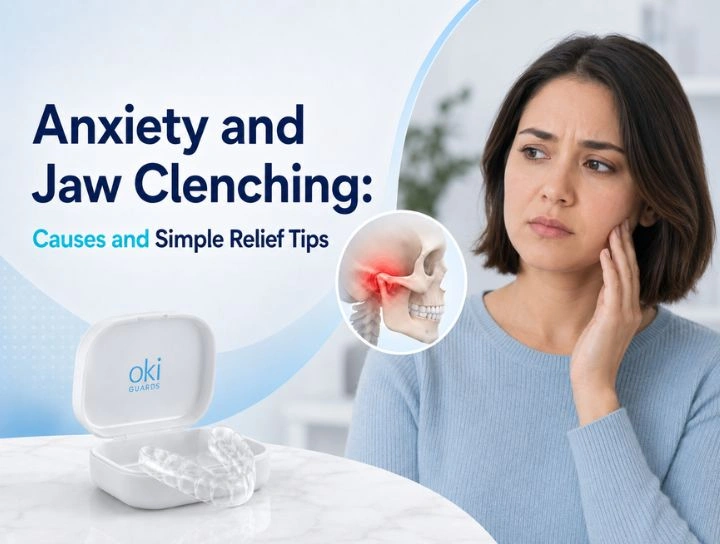
A calm mind and a relaxed jaw can work together beautifully to support daily comfort. Many people notice that their jaw feels active during focused work, busy routines, or emotional moments. This connection between Anxiety and Jaw Clenching is very common, and a gentle care routine can help the mouth, face, and body feel more balanced.Jaw clenching happens when the upper and lower teeth press together with extra force. Some people clench during the day while thinking, driving, studying, or working. Others notice it more during sleep.
When anxiety adds extra energy to the body, the muscles may naturally become more active. This is why anxiety muscle tension often appears in the shoulders, neck, face, and jaw.The good news is that simple daily habits, mindful awareness, and a custom night guard can help support a more relaxed jaw routine. With the right steps, you can protect your teeth, encourage muscle comfort, and create a smoother path toward daily ease.
Understanding Anxiety and Jaw Clenching
Anxiety can create a strong mind-body connection. When the body feels alert, muscles may become tighter as part of a natural response. The jaw is one of the areas where this extra muscle activity may show up. Many people hold their jaw firmly while concentrating, and this habit can become easier to notice with mindful practice.
Jaw clenching can also happen during sleep. Since sleep clenching happens without active awareness, a person may notice morning jaw tightness, tooth sensitivity, or facial tension. A custom night guard can help protect the teeth while supporting a more comfortable nighttime routine.A positive approach begins with awareness. Once you understand your clenching pattern, you can choose supportive steps that fit your lifestyle.
Common Jaw Clenching Causes
Understanding jaw clenching causes can help you build a better care routine. Jaw clenching may be connected with emotional tension, posture, sleep habits, focus, bite pressure, or daily routines. Each person’s pattern is unique, and small observations can make care more personal.
Common causes may include:
- Anxiety-related muscle tension
- Concentration during work or study
- Stressful schedules
- Sleep-related jaw activity
- Bite pressure
- Caffeine sensitivity
- Screen-time posture
- Neck and shoulder tightness
- Habitual teeth contact during the day
These causes can be managed with gentle awareness and practical support. A dentist can also check your bite, tooth wear, and jaw movement to help guide the best plan.
How Anxiety Muscle Tension Affects the Jaw
Anxiety muscle tension can make the body feel more alert and active. The jaw muscles are strong, and they can respond quickly to emotional or mental pressure. When the jaw stays firm for long periods, the muscles may appreciate relaxation breaks throughout the day.A helpful habit is to check your jaw position several times daily. The ideal resting position is simple: lips together, teeth slightly apart, and tongue resting gently near the roof of the mouth. This position allows the jaw to feel lighter and more relaxed.You can pair this habit with slow breathing. A few calm breaths can signal the body to soften the face, neck, and shoulders.
Simple Jaw Clenching Relief Tips
Jaw clenching relief can begin with small, steady habits. These steps are easy to add to a daily routine and can support both the jaw and overall comfort.
Practice the “Teeth Apart” Reminder
Keep your lips gently closed and your teeth slightly apart when your mouth is resting. This simple reminder can help reduce unnecessary tooth pressure during the day.
Use Slow Breathing
Take a slow breath in through the nose and gently release it. As you breathe out, allow the jaw, cheeks, and shoulders to soften. This routine can support a calmer body and a more relaxed face.
Stretch the Neck and Shoulders
Gentle shoulder rolls and neck movements can support the muscles connected to the jaw. Smooth movement can help the upper body feel more open and comfortable.
Create a Calm Bedtime Routine
A peaceful bedtime routine can help the jaw prepare for rest. Brushing, flossing, placing a night guard, and taking slow breaths can create a comforting rhythm before sleep.
Use a Custom Night Guard
A custom night guard can help protect the teeth during sleep, clenching, or grinding. It creates a smooth layer between the teeth and supports a more comfortable nighttime experience.
How to Stop Jaw Clenching With Daily Awareness
Many people search for how to stop jaw clenching because they want a simple and realistic routine. The first step is awareness. Notice when your teeth touch during the day. You may find that clenching happens while working on a laptop, scrolling on your phone, driving, or thinking deeply.Try placing small reminders in your environment. A sticky note on your desk, a phone reminder, or a calming wallpaper can remind you to relax your jaw. Each reminder helps you return to a better resting position.
A simple phrase can help:
“Lips together, teeth apart, jaw relaxed.”
Repeat this during the day. Over time, this phrase can become a useful habit.
Jaw Relaxation Techniques
Jaw relaxation techniques can help the face and mouth feel more comfortable. These techniques are gentle and easy to practice.
Gentle Jaw Release
Sit comfortably and let your shoulders relax. Keep your lips closed and your teeth apart. Let the jaw feel heavy and calm for a few breaths.
Tongue Rest Position
Place your tongue gently near the roof of your mouth, just behind the front teeth. This position can help guide the jaw into a relaxed posture.
Warm Compress Routine
A warm compress can feel soothing on the jaw area. Place it along the cheeks or jawline for a few minutes as part of a calm evening routine.
Face Softening Exercise
Relax the forehead, cheeks, lips, and jaw one area at a time. This can help release stored muscle activity from the day.
Breathing With Jaw Awareness
Breathe in slowly and imagine the jaw softening. Breathe out gently and let the shoulders relax. Repeat for one to two minutes.
Choosing a Custom Night Guard
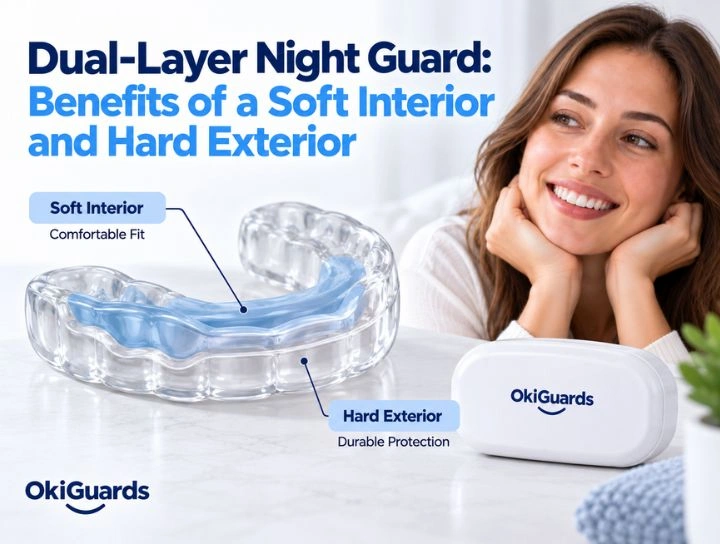
A custom night guard is designed from impressions of your teeth, which helps it fit securely and comfortably. This personalized fit makes it easier to wear during sleep and helps protect the teeth from clenching pressure.OkiGuards offers custom night guards for different comfort preferences and clenching levels. A soft night guard can feel cushioned for lighter clenching. A hard night guard can provide a durable surface for stronger pressure. A hybrid night guard can offer a soft inner feel with a stronger outer layer.Choosing the right guard can make your nighttime routine feel simple, supportive, and consistent.
Building a Positive Jaw Care Routine
A helpful routine combines daytime awareness with nighttime protection. During the day, practice relaxed jaw posture, slow breathing, and gentle shoulder movement. At night, brush, floss, and wear your custom night guard if clenching happens during sleep.You can also support your routine by drinking water, taking screen breaks, and keeping dental checkups on your schedule. These habits help your mouth feel fresh, protected, and cared for.A supportive routine does not need to feel complicated. Small steps done consistently can create meaningful comfort over time.
Frequently Asked Questions
Can anxiety lead to jaw clenching?
Yes, anxiety can encourage extra muscle activity in the jaw. Relaxation habits, breathing, and jaw awareness can support a calmer muscle routine.
What are common jaw clenching causes?
Common jaw clenching causes include anxiety, muscle tension, focus, sleep habits, posture, bite pressure, and daily stress patterns.
How can I get jaw clenching relief at home?
You can support jaw clenching relief with slow breathing, relaxed jaw posture, gentle stretches, warm compresses, and a custom night guard.
How do I stop jaw clenching during the day?
Use reminders to keep your lips together, teeth apart, and jaw relaxed. This simple habit can help your jaw rest more comfortably.
Can a custom night guard help with jaw clenching?
Yes, a custom night guard can help protect the teeth during nighttime clenching and support a more comfortable sleep routine.

Final note
Anxiety and jaw clenching are connected through the body’s natural muscle response. With mindful awareness, gentle jaw relaxation techniques, and a custom night guard, you can support a calmer jaw and a healthier smile.A daily routine that includes breathing, relaxed posture, and nighttime tooth protection can help you feel more comfortable from morning to night. With the right support, your jaw can feel lighter, your smile can feel protected, and your routine can feel easier to maintain.