How to Protect a Dental Crown While Wearing a Night Guard
A dental crown is designed to restore strength, shape, and comfort to a damaged or treated tooth. If you grind or clench your teeth at night, wearing a night guard can help protect both your natural teeth and your dental crown from extra pressure. The key is choosing a properly fitted guard, keeping it clean, and following the right dental crown care routine.For people with bruxism, a night guard works like a protective barrier between the upper and lower teeth. It helps reduce direct tooth-to-tooth contact, supports crown maintenance, and keeps your bite more comfortable while you sleep.
Why Dental Crowns Need Extra Protection
A dental crown covers the visible part of a tooth. It may be made from porcelain, ceramic, zirconia, metal, or porcelain-fused-to-metal material. Crowns are strong, but they still need daily care because they work just like natural teeth during chewing, biting, and grinding.If you have nighttime teeth grinding, the pressure can place extra stress on the crown and surrounding teeth. This is why bruxism protection is important. A custom night guard can help spread biting force more evenly and reduce direct pressure on the crown.Good permanent crown care includes brushing, flossing, regular dental checkups, and using a night guard when recommended by your dentist.
Can You Wear a Night Guard with a Dental Crown?
Yes, many people wear a night guard with a dental crown. In fact, dentists often recommend a night guard for patients who have crowns and also grind or clench their teeth. A night guard can help protect the crown surface, support the surrounding teeth, and make sleep-time clenching easier to manage.The most important factor is fit. A night guard should sit comfortably over your teeth without putting pressure on the crown. A custom-fit night guard is usually a better option than a one-size-fits-all guard because it is made from your own dental impression.
Best Type of Night Guard for Crown Protection
The right night guard depends on your grinding level, crown position, and bite pattern. A soft guard may feel comfortable for light grinding, while a hard or hybrid guard may be better for moderate to heavy bruxism protection.A hybrid night guard is often helpful because it has a firm outer layer for durability and a softer inner layer for comfort. For people with crowns, this balance can make the guard easier to wear while still giving strong protection.Your dentist can guide you if you have multiple crowns, a new crown, crown tooth sensitivity, or a history of jaw pain.
Dental Crown Care While Using a Night Guard
To protect your crown and get the best results from your night guard, follow a simple daily care routine.Brush your teeth before wearing your night guard. This keeps food particles and plaque away from the crown and gumline. Clean your night guard after every use with cool water and a gentle cleaning method. Let it dry fully before storing it in a ventilated case.Always wear a clean guard over your crown to help keep the crown margin free from bacteria buildup. The crown margin is the area where the crown meets your natural tooth and gumline—keeping this area clean supports long-term crown maintenance.
Dental Crown Aftercare: First Few Days After Crown Placement
Dental crown aftercare is especially important during the first few days after placement. Mild pressure or temporary crown tooth sensitivity can happen as your bite adjusts. During this time, wear your night guard only if your dentist says it is safe to continue.If your crown fits comfortably and feels even when you bite, your night guard is more likely to feel comfortable too. A small bite adjustment by your dentist can make the crown and night guard feel more natural together.For a new permanent crown, avoid very sticky or hard foods during the early adjustment period. Keep brushing and flossing gently, and follow your dentist’s care instructions.
Crown Tooth Pain and Night Guard Fit
Crown tooth pain can happen for different reasons, including bite imbalance, gum irritation, tooth nerve sensitivity, or pressure from grinding.Adjusting your night guard can help ensure a more comfortable fit if it feels uncomfortable. A night guard should not push tightly against one crown or cause soreness in one specific tooth. A dentist can help ensure your night guard fits properly if pressure or discomfort continues. A well-fitted night guard should feel secure, smooth, and comfortable. It should protect your crown without creating extra pressure.
Crown Tooth Sensitivity: What It Means
Crown tooth sensitivity may feel like a quick response to cold, heat, pressure, or sweet foods. Some sensitivity after crown placement can be normal while the tooth settles. However, sensitivity that continues or gets stronger should be checked by a dentist.
If you wear a night guard and notice sensitivity around your crown, possible causes may include:
- The night guard is too tight around the crowned tooth
- The crown needs a small bite adjustment
- Gum tissue around the crown needs extra cleaning care
- Bruxism pressure is still strong and needs better protection
A custom night guard can help reduce grinding pressure, but it should always fit properly around crowns and dental restorations.
How Bruxism Protection Helps Crown Maintenance
Bruxism protection is one of the best reasons to wear a night guard if you have a dental crown. Grinding and clenching can create repeated force on the crown, natural teeth, jaw joints, and surrounding dental work.A night guard helps by creating a smooth protective surface between your teeth. Instead of your crown taking direct grinding pressure, the guard absorbs and distributes part of that force.This supports crown maintenance by helping protect the crown surface, reducing stress on nearby teeth, and making your nighttime routine more comfortable.
When Your Night Guard May Benefit from an Adjustment
Your night guard may benefit from an adjustment to maintain a comfortable fit, especially after a new crown is placed or if you notice changes in how it feels on your teeth, gums, or bite. A new dental crown can slightly change the shape of your tooth. Because of that, an old night guard may not fit the same way after crown treatment. If you recently received a crown, ask your dentist whether your current guard still fits correctly.You may need a new impression and a new custom night guard if the crown has changed your bite or tooth shape.
How to Clean a Night Guard When You Have a Crown
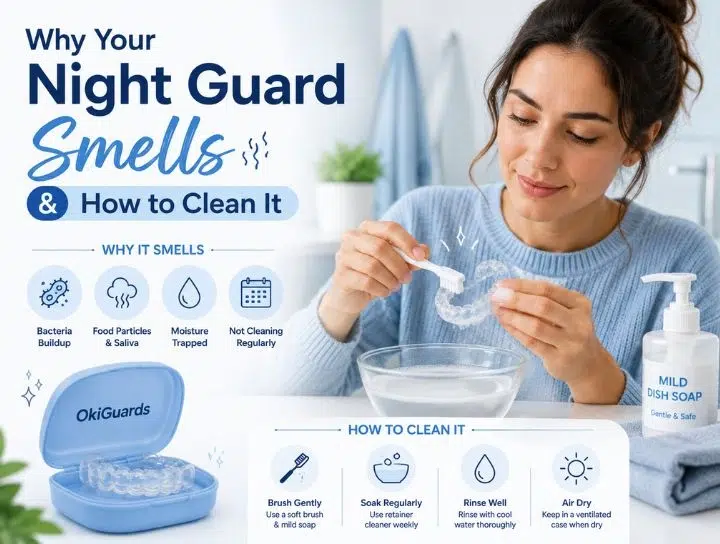
Clean your night guard every morning with cool water and a soft toothbrush. Use mild soap if needed, then rinse it well. Avoid hot water because heat can change the shape of some night guard materials.Once a week, you can use a night guard cleaning tablet or dentist-approved cleaning solution. Always let the guard dry before placing it in its case.Keeping your night guard clean is part of good dental crown care because the guard sits directly over your teeth and crown for several hours each night.
Permanent Crown Care Tips for Long-Term Protection
Permanent crown care is simple when you build the right routine. Brush twice daily with a soft-bristled toothbrush. Floss around the crown carefully to clean the gumline. Use your night guard consistently if you grind or clench your teeth.Schedule regular dental visits so your dentist can check your crown, bite, gums, and night guard fit. These visits help keep your crown comfortable and your oral health in good condition.Also, store your night guard in a clean case away from heat, pets, and open surfaces. A clean, well-maintained guard supports both comfort and crown protection.
Should You Get a New Night Guard After a Crown?
A new night guard can help ensure a comfortable and secure fit after getting a dental crown, especially if your current guard no longer feels as comfortable or fits as well as before. Since a crown changes the shape of the tooth, even a small change can affect how your night guard fits. If your guard was made before your crown, ask your dentist to check it. Sometimes the guard can be adjusted. In other cases, a new custom night guard may provide a better fit. A properly fitted night guard is one of the easiest ways to support crown maintenance and bruxism protection at the same time.
Frequently Asked Questions
Can a night guard protect a dental crown?
Yes. A night guard can help protect a dental crown by reducing direct grinding and clenching pressure during sleep. A custom-fit night guard usually provides better comfort and protection than a generic guard.
Can I wear my old night guard after getting a crown?
Sometimes, but it depends on the fit. A new crown can change the shape of your tooth, so your old night guard may need adjustment or replacement. Ask your dentist to check the fit before using it long-term.
Is crown tooth sensitivity normal after getting a crown?
Mild crown tooth sensitivity can happen after crown placement. It often improves as the tooth adjusts. If sensitivity continues, becomes stronger, or happens while using a night guard, a dental checkup is recommended.
What is the best night guard for dental crowns?
The best night guard depends on your grinding level and crown location. Many people with crowns prefer a custom hard or hybrid night guard because it provides strong bruxism protection with a secure fit.
How do I clean my night guard if I have a crown?
Rinse your night guard every morning, brush it gently with a soft toothbrush, and let it dry before storing it. Keeping the guard clean helps support dental crown care and gum health.
Can bruxism damage a dental crown?
Bruxism can place extra pressure on crowns and natural teeth. A night guard helps manage that pressure and supports long-term crown maintenance.
When should I replace my night guard?
Replace your night guard if it becomes loose, cracked, worn down, uncomfortable, or no longer fits after dental work such as a new crown.

Final note
Protecting a dental crown while wearing a night guard comes down to fit, cleanliness, and consistency. A well-made night guard can help reduce grinding pressure, support permanent crown care, and make your nighttime routine more comfortable.If you notice crown tooth pain, crown tooth sensitivity, or a change in how your guard fits, have your dentist check it. With proper dental crown aftercare and the right night guard use, your crown can stay strong, comfortable, and well-protected.