Can’t Sleep from Extreme Tooth Pain? Here Are Some Tips
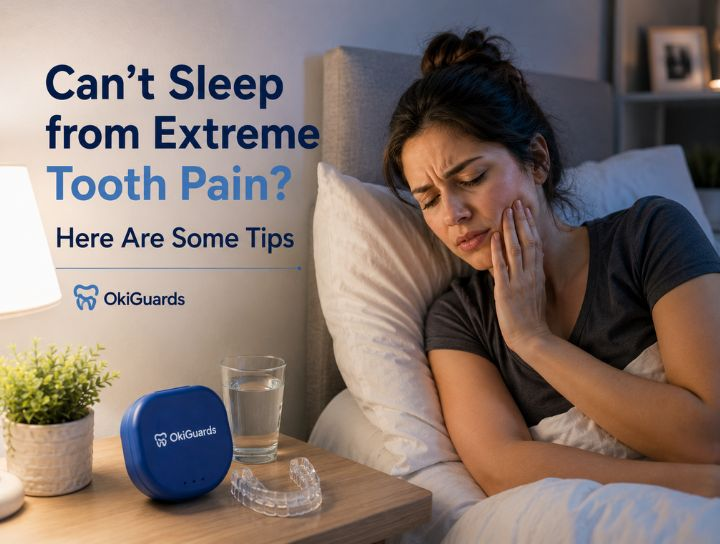
A peaceful night feels easier when your mouth, jaw, and teeth receive the right care. When someone searches for extreme tooth pain or can’t sleep due to tooth pain, they are often looking for calm, practical steps that can help them feel more comfortable until they receive professional dental guidance. A gentle plan can support your rest, protect your smile, and help you feel more prepared for the next day.Tooth pain at night can feel more noticeable because the body is quiet, the room is calm, and your attention naturally turns toward the mouth.
A supportive nighttime routine can help you settle more comfortably. Simple steps such as adjusting your head position, rinsing gently, keeping the mouth clean, and contacting a dentist can help you move toward better comfort.This guide shares positive, easy tips for nighttime tooth comfort, including a helpful sleeping position for toothache, gentle home care ideas, and guidance on when to seek tooth pain treatment.
Why Tooth Pain May Feel Stronger at Night
Nighttime creates a quiet setting, which can make tooth sensations feel easier to notice. During the day, your mind may stay busy with work, meals, movement, and conversations. At night, your body slows down, and your mouth may get more attention.Lying flat can also change the way pressure feels around the head and face. A slightly raised head position can help many people feel more comfortable while resting. This small change can make bedtime feel more manageable.Some people also grind or clench their teeth during sleep. This jaw activity can add pressure to the teeth and surrounding muscles. A custom night guard can support people who grind or clench by creating a smooth protective layer between the upper and lower teeth.OkiGuards custom night guards are designed for people who want support for grinding and clenching protection during sleep.
Create a Calm Tooth Comfort Plan
When tooth discomfort appears at night, a clear plan can help you feel more centered. The goal is to support comfort, keep the mouth clean, and arrange professional guidance.
Try this simple first-step routine:
- Rinse your mouth gently with warm water.
- Brush carefully with a soft toothbrush.
- Floss gently around the area.
- Keep your head slightly elevated.
- Sip water as needed.
- Rest in a calm position.
- Contact a dentist for personal guidance.
This routine can help your mouth feel cleaner and your body feel more relaxed before sleep.
Extreme Tooth Pain and Professional Care
Extreme tooth pain is a strong signal that your smile deserves prompt attention. A dentist can check the tooth, gumline, bite, and surrounding area to understand what is happening. Professional care gives you a clear answer and the right next step.A dentist may review your tooth sensitivity, chewing comfort, dental history, and nighttime habits. They may also ask whether you grind or clench your teeth. This helps them create a complete tooth pain treatment plan that fits your smile.Home comfort tips can support you for the moment, while dental care helps you move toward lasting relief.
Tooth Pain at Night: Gentle Comfort Tips
Tooth pain at night can feel easier to handle with a few steady habits. These steps are simple and supportive.
1. Keep Your Head Slightly Raised
A raised head position can help reduce pressure around the face and jaw. Use an extra pillow or adjust your pillow height so your head feels comfortably supported.
2. Rinse With Warm Salt Water
A warm saltwater rinse can help the mouth feel cleaner and calmer. Swish gently and allow the rinse to move around the teeth and gumline.
3. Brush With a Soft Touch
A soft-bristled toothbrush helps clean the teeth while being kind to the mouth. Slow, gentle brushing can help you feel fresher before bed.
4. Floss Carefully
Flossing can remove small food particles from between the teeth. A clean area can help the mouth feel more settled.
5. Use a Cool Compress Outside the Face
A cool compress on the cheek can feel soothing. Wrap it in a clean cloth and place it gently on the outside of the face for short intervals.
6. Follow Dentist-Approved Medicine Guidance
A dentist or healthcare professional can guide safe medicine choices for your needs. Following professional advice helps you feel supported and confident.
Severe Tooth Pain and Sleep Support
When someone searches for severe tooth pain, they usually want quick comfort and a clear plan. A good sleep-support routine can help your body rest while you arrange dental care.Start by creating a calm environment. Dim the lights, keep water nearby, and choose a comfortable head position. Gentle breathing can also help the body feel more settled. Take a slow breath in, then release it slowly while relaxing your shoulders and jaw.If jaw clenching is part of your routine, tooth pressure may feel more noticeable at night. A custom night guard can help protect teeth during clenching and grinding. The guard does not replace dental care, yet it can support tooth protection when nighttime grinding is involved.
Sleeping Position for Toothache
The right sleeping position for a toothache can support comfort during the night. Many people feel better when the head is slightly elevated. This position can help the face and jaw feel more balanced while resting.
Try this supportive setup:
- Place one extra pillow under your head.
- Keep your neck aligned and relaxed.
- Rest on the side that feels most comfortable.
- Keep your jaw relaxed.
- Let your shoulders settle naturally.
- Keep water nearby.
A comfortable sleep position can make the night feel calmer and more organized.
Can’t Sleep Tooth Pain: What to Do Before Bed
The phrase can’t sleep due to tooth pain often comes from people who want immediate nighttime comfort. A simple bedtime sequence can help you feel more prepared.
Try this calming order:
- Rinse gently with warm water.
- Brush slowly with a soft toothbrush.
- Floss gently around the area.
- Use a cool compress outside the cheek.
- Raise your head with a pillow.
- Breathe slowly for one minute.
- Make a note to contact your dentist.
This sequence helps you focus on what you can do right now. It also helps your body shift into a calmer state.
Tooth Pain Relief With Gentle Daily Habits
Tooth pain relief often starts with clean, gentle, and consistent care. The right habits can support your mouth while you wait for your dental appointment.
Helpful comfort habits include:
- Brush with a soft toothbrush.
- Floss carefully each day.
- Drink water regularly.
- Choose soft foods when chewing feels sensitive.
- Keep drinks mild in temperature.
- Avoid chewing directly on the sensitive area.
- Keep your dental appointment on schedule.
- Share your symptoms clearly with your dentist.
These habits can help your mouth feel more cared for and prepared for treatment.
How Grinding and Clenching May Add Tooth Pressure
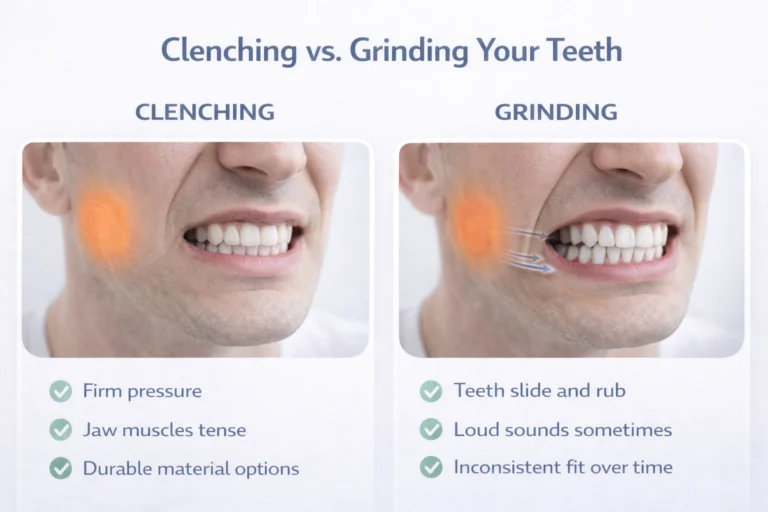
Teeth grinding and clenching can place pressure on the teeth during sleep. Some people may wake up with tooth sensitivity, jaw tightness, or facial tension, which can be a gentle reminder to support better rest and jaw care. When tooth discomfort appears at night, it can be helpful to consider whether grinding or clenching is part of the pattern.A custom night guard can support the smile by creating a barrier between the teeth. This barrier helps reduce direct tooth-to-tooth contact during sleep. It can also help protect enamel and dental work.OkiGuards offers custom night guards in soft, hard, and hybrid options, so users can choose a guard style that matches their comfort preference and grinding level.
When to Contact a Dentist
A dentist can provide the most helpful guidance for tooth discomfort. Dental care is especially important when the tooth sensation is strong, lasts through the night, appears with swelling, changes chewing comfort, or keeps returning.
When you contact your dentist, share details such as:
- When the feeling started
- Which tooth feels most active
- Whether cold or warm drinks affect it
- Whether chewing changes the feeling
- Whether nighttime grinding happens
- Whether your jaw feels tight in the morning
- Whether you already wear a night guard
These details help your dentist understand your needs and choose the best tooth pain treatment.
A Next-Day Dental Prep Checklist
A little preparation can make your dental visit easier. Write down your symptoms, bedtime routine, and any grinding habits you notice. Bring your night guard if you already use one. This helps the dentist review the appliance and check the fit.
Your checklist can include:
- Tooth location
- Type of sensation
- Time of day it feels strongest
- Foods or drinks that affect it
- Chewing comfort
- Jaw tightness
- Current oral care products
- Night guard use
This information can make your appointment more productive and personal.
A Gentle Food and Drink Plan
When the tooth feels sensitive, soft foods and mild temperatures can support comfort. Choose meals that are easy to chew and gentle on the mouth.
Comfort-friendly choices include:
- Oatmeal
- Yogurt
- Soft rice
- Scrambled eggs
- Smooth soups
- Pasta
- Cooked vegetables
- Soft fruit
Room-temperature water can also feel pleasant. A gentle food plan helps you nourish your body while giving the tooth a calmer chewing experience.
Frequently Asked Questions
What can I do for extreme tooth pain at night?
You can rinse gently with warm water, brush softly, floss carefully, raise your head, use a cool compress outside the cheek, and contact a dentist for guidance.
What is a helpful sleeping position for a toothache?
A helpful sleeping position for a toothache is resting with the head slightly elevated and the neck comfortably supported.
Can grinding make tooth pain feel more noticeable?
Yes, grinding or clenching can add pressure to the teeth during sleep, and a custom night guard can help protect the teeth.
What tooth pain treatment should I choose?
A dentist can guide the best tooth pain treatment after checking the tooth, bite, gums, and any grinding or clenching signs.

Final note
Extreme tooth pain at night can feel easier to manage with a calm plan and professional dental support. Warm rinses, gentle brushing, careful flossing, a raised sleeping position, soft foods, and dentist-guided care can help you move toward better comfort.If clenching or grinding adds pressure to your teeth, a custom OkiGuards night guard can help protect your smile during sleep. With the right nighttime routine and timely dental guidance, your mouth can feel supported, your rest can feel calmer, and your smile can stay well cared for.