Why Are My Gums Bleeding Randomly? Causes, Helpful Signs & Treatment
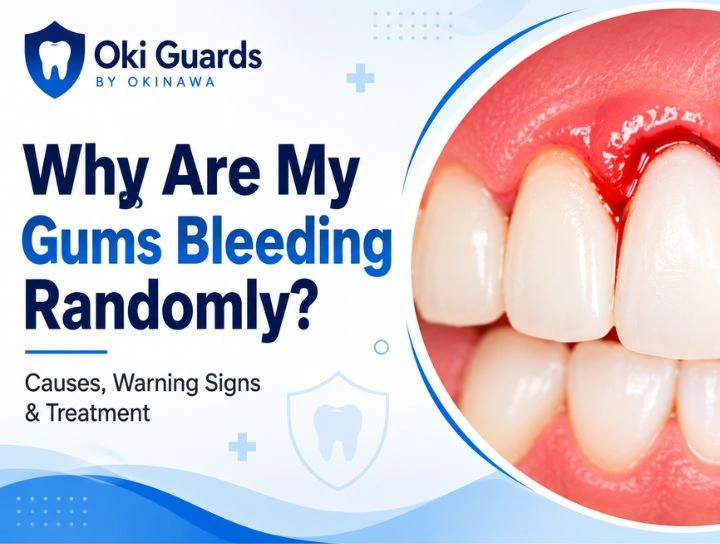
Random gum bleeding can be your mouth’s way of asking for extra care, better cleaning, or professional dental support. Many people notice bleeding gums while brushing, flossing, eating, or waking up in the morning. The encouraging part is that gum health often improves beautifully with gentle oral care, routine dental cleanings, and the right daily habits.Healthy gums help support strong teeth, fresh breath, and a confident smile. When gums feel sensitive or bleed, it creates a helpful opportunity to improve your oral care routine. With the right steps, you can support cleaner gums, reduce irritation, and feel more comfortable every day.This guide explains why gums may bleed randomly, common bleeding gums causes, helpful bleeding gums signs, gum bleeding treatment options, and how to stop bleeding gums with safe and simple care.
What Are the Common Reasons for Bleeding Gums?
Your gums may bleed randomly when the gum tissue becomes more sensitive around the teeth. This often happens when plaque collects near the gumline. Plaque is a soft film that forms on teeth throughout the day, and daily brushing plus flossing helps keep it under control.Random gum bleeding may also appear when you start flossing after a long break. This means your gums are adjusting to a cleaner routine. Gentle daily flossing helps the gums become firmer and healthier over time.
Sudden gum bleeding can also happen when your toothbrush is too firm, your brushing pressure is too strong, or your gums need professional cleaning. A soft-bristled toothbrush and gentle circular movements can support a cleaner and more comfortable gumline.Bleeding gums at night may connect with mouth breathing, dry mouth, clenching, teeth grinding, or a dental appliance that needs a better fit. A clean, custom night guard can support bruxism protection and help your teeth feel more comfortable during sleep.
Common Bleeding Gums Causes
Bleeding gums are commonly caused by plaque buildup leading to gingivitis, poor oral hygiene, or brushing/flossing too aggressively. Other causes include vitamin deficiencies, hormonal changes, certain medications, and gum disease.
Plaque Around the Gumline
Plaque buildup is one of the most common bleeding gums causes. When plaque sits near the gums, the tissue may become more responsive during brushing or flossing. Brushing twice daily and cleaning between teeth once daily helps keep the gumline fresh and supported.
Gingivitis
Gingivitis is an early stage of gum inflammation that often improves with better oral hygiene and professional cleaning. Paying attention to signs such as puffiness, tenderness, or bleeding during cleaning can help you maintain healthy gums. With consistent care, the gums can become cleaner, firmer, and healthier.
Brushing Pressure
A strong brushing style can make gums feel sensitive. Gentle brushing with a soft toothbrush gives your teeth a clean feeling while supporting gum comfort. Small circular movements along the gumline work well for daily plaque removal.
Flossing Changes
A new flossing routine can make the gums respond at first. This response often improves as the gums become cleaner and stronger. Daily flossing helps remove food particles and plaque from areas where a toothbrush cannot reach
Dry Mouth
Dry mouth can make the gums feel more sensitive, especially during sleep. Saliva supports a balanced mouth environment and helps rinse the teeth naturally. Drinking water, breathing through the nose when possible, and keeping dental appliances clean can support better nighttime comfort.
Hormone Changes
Hormone changes during pregnancy, puberty, menstruation, or menopause can make gums more responsive. Extra gentle brushing, daily flossing, and regular dental visits help support healthy gums during these life stages.
Teeth Grinding and Clenching
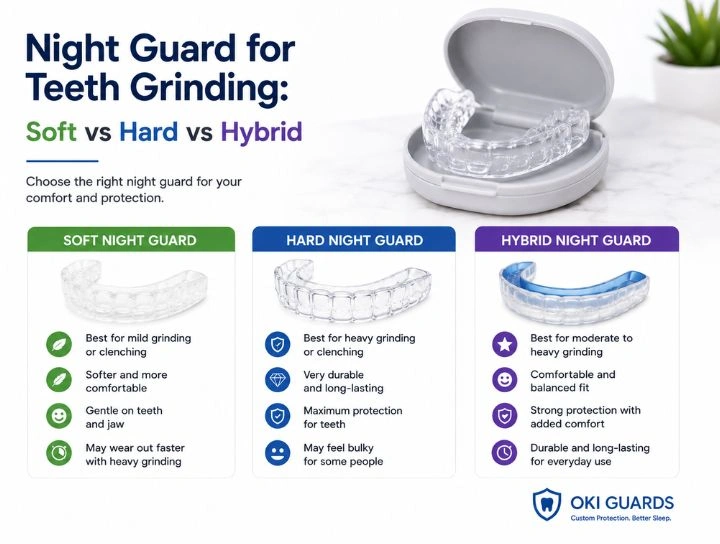
Teeth grinding and clenching can place extra pressure on teeth, gums, and jaw muscles. Some people may notice mild morning sensitivity that can be linked to this pressure. A custom night guard helps create a protective barrier between the teeth and supports bruxism protection during sleep.
Dental Appliances
Night guards, retainers, aligners, and dentures work best when they fit smoothly. A well-fitted appliance supports comfort and protects the teeth. Cleaning your appliance daily also supports fresher breath and healthier gums.
Nutrition and Hydration
Your gums benefit from a balanced diet with vitamin C, vitamin K, protein, minerals, and enough water. Healthy foods support gum tissue, natural repair, and everyday oral wellness. Fruits, vegetables, dairy, lean proteins, and whole grains can all support a healthy smile.
Helpful Bleeding Gums Signs to Notice
Bleeding gums signs can help you understand what your mouth needs. You may notice gum bleeding while brushing, flossing, eating crunchy foods, or wearing a dental appliance. Paying attention to signs such as tender gums, swelling, gumline sensitivity, or nighttime gum bleeding can help you take early steps to support your gum health.These signs are useful because they guide you toward better care. A dentist can check your gums, remove tartar, review your brushing method, and suggest a treatment plan that fits your needs. Early dental support helps keep your gums strong, clean, and comfortable.
Sudden Gum Bleeding
Sudden gum bleeding can happen when the gum tissue is sensitive or when plaque and tartar need attention. It may appear while brushing, flossing, biting into food, or using a toothpick. A gentle rinse with water and a soft brushing routine can help the area feel cleaner.When the same area bleeds often, a dental checkup can give you clear answers. Your dentist can look for tartar buildup, gumline sensitivity, appliance rubbing, or bite pressure. This makes it easier to choose the right gum bleeding treatment.
Bleeding Gums at Night
Bleeding gums at night may happen when your mouth becomes dry during sleep. Mouth breathing, clenching, and teeth grinding can also make the gums feel more sensitive. A clean and properly fitted night guard can support comfort if you grind or clench your teeth.If you already wear a night guard, clean it every morning and store it in a ventilated case. A fresh night guard supports better oral hygiene and keeps the gumline cleaner. If your guard feels tight or uneven, a dental fit check can improve comfort.
How to Stop Bleeding Gums
Learning how to stop bleeding gums starts with a gentle and consistent routine. Brush your teeth twice daily with a soft-bristled toothbrush. Use fluoride toothpaste and clean along the gumline with light circular motions.Clean between your teeth once a day with floss, interdental brushes, or a water flosser. This helps remove plaque from spaces where a toothbrush cannot reach. Daily interdental cleaning supports stronger gums and fresher breath.Rinse your mouth with water after meals to keep the mouth fresh. A dentist may also recommend a gum-friendly mouth rinse for extra support. Regular professional cleaning helps remove tartar and keeps your gums easier to maintain at home.
Gum Bleeding Treatment Options
Gum bleeding treatment depends on the cause. For plaque-related sensitivity, a professional cleaning and improved home routine often support healthier gums. For tartar buildup, dental scaling helps clean the areas around the gumline.If a dental appliance is involved, your dentist can adjust the fit or recommend a new custom appliance. If bruxism is part of the concern, a custom night guard can support tooth protection and nighttime comfort. If nutrition, hydration, or medication is part of the picture, your dentist can guide you toward the right next steps. Professional care gives you a clear plan and helps your gums respond well. With steady care, your gums can feel cleaner, calmer, and more comfortable.
Daily Gum Care Routine
Start your morning with gentle brushing and a clean mouth rinse. Use a soft toothbrush and take your time around the gumline. Clean between your teeth once daily to support the spaces where plaque often collects.At night, brush before wearing a night guard or retainer. This keeps your teeth and gums cleaner while your appliance is in place. Rinse the appliance after use, clean it gently, and let it dry before storing it.Drink water throughout the day to support saliva flow and oral freshness. Choose balanced meals that support gum tissue and overall wellness. Schedule regular dental visits so your dentist can keep your gums, teeth, and bite in good condition.
When Professional Dental Support Helps
Professional dental support is helpful when gum bleeding happens often, appears in the same area, or comes with sensitivity, swelling, or appliance discomfort. A dentist can identify the exact reason and recommend care that fits your mouth.A dental visit can include gum evaluation, tartar removal, brushing guidance, flossing support, appliance fit review, and night guard recommendations. This gives you a complete plan for healthier gums and better comfort.
Frequently Asked Questions
Why are my gums bleeding randomly?
Your gums may bleed randomly because of plaque buildup, gum sensitivity, flossing changes, dry mouth, hormone changes, dental appliances, or teeth grinding.
What are common bleeding gums causes?
Common bleeding gums cause plaque around the gumline, gingivitis, brushing pressure, dry mouth, bruxism, appliance fit, and changes in oral care habits.
What are bleeding gums signs?
Bleeding gums signs include bleeding while brushing, flossing, eating, or waking up, along with gum tenderness, swelling, or sensitivity around the gumline.
How can I stop bleeding gums at home?
You can support your gums by brushing gently twice daily, flossing once daily, rinsing with water, staying hydrated, cleaning dental appliances, and visiting your dentist for professional cleaning.
Why do my gums bleed at night?
Bleeding gums at night may connect with dry mouth, mouth breathing, teeth grinding, clenching, or a night guard that needs a better fit.
Can a night guard help with bleeding gums?
A night guard can help when gum sensitivity is connected with teeth grinding or clenching. A custom night guard supports bruxism protection and helps reduce direct pressure during sleep.
What is the best gum bleeding treatment?
The best gum bleeding treatment depends on the cause. A dentist may recommend professional cleaning, improved home care, appliance adjustment, bruxism protection, or a personalized gum care plan.

Final note
Random gum bleeding is a helpful signal that your gums may need more care, cleaner spaces between teeth, or professional dental support. With gentle brushing, daily flossing, hydration, clean dental appliances, and regular dental visits, your gums can become healthier and more comfortable.If you grind or clench your teeth at night, a custom night guard can support bruxism protection and help protect your smile while you sleep. A clean routine and the right dental guidance can help you enjoy stronger gums, fresher breath, and better oral comfort every day.