How to Protect a Cracked Tooth So It Stays Safe Before Treatment
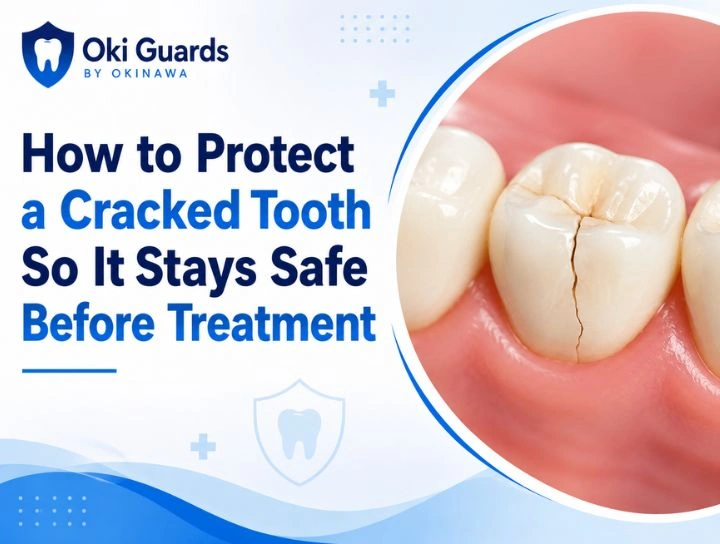
A cracked tooth can feel uncomfortable, but the right care can help you protect your smile and feel more confident until your dentist checks it. Quick action, gentle eating habits, and a protective dental plan can support the tooth and make treatment easier.If you are wondering how to protect a cracked tooth, the best first step is to reduce pressure on that tooth and book a dental visit. A dentist can examine the crack, check your bite, and recommend the right cracked tooth treatment based on your symptoms and tooth structure.This guide explains what to do for a cracked tooth, provides helpful cracked tooth pain relief tips, describes common cracked tooth symptoms, and offers cracked tooth repair options that can restore comfort and function.
What Is a Cracked Tooth?
A cracked tooth has a small line, split, or fracture in the enamel or deeper tooth structure. Some cracks are easy to see, while others are tiny and only create sensitivity during chewing or temperature changes.Cracked teeth can happen from biting hard foods, clenching, grinding teeth, large fillings, dental injury, or everyday wear over time. The helpful part is that many cracked teeth can be treated successfully when they are checked early.A dentist may use a visual exam, bite test, dental X-rays, light, or special tools to understand the crack and choose the best care option.
How to Protect a Cracked Tooth Right Away
The best way to protect a cracked tooth is to keep pressure away from it until your dentist gives a clear treatment plan. Chew on the other side of your mouth and choose softer foods that feel easy to bite.Rinse your mouth gently with warm water after meals. This keeps the area clean and helps you feel fresher. Use a soft-bristled toothbrush and brush around the tooth carefully.
If the tooth feels sensitive, choose lukewarm foods and drinks. A calm temperature can feel more comfortable while the tooth is being evaluated. A dentist can then recommend the right cracked tooth repair options for long-term support.
What to Do for a Cracked Tooth
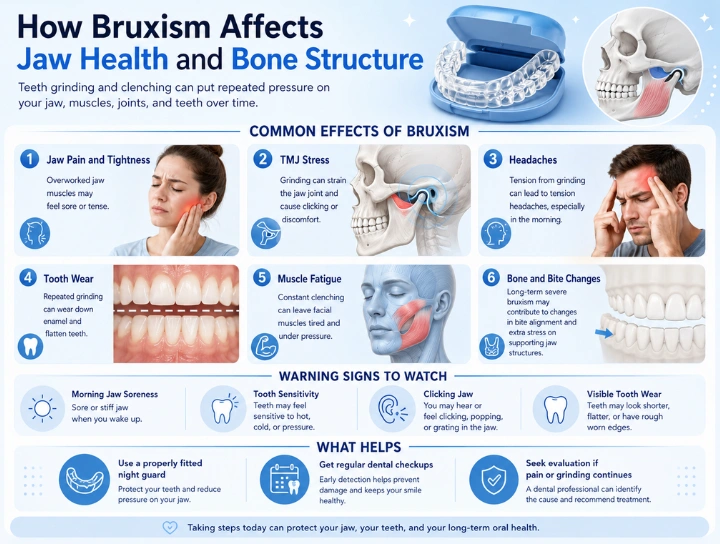
If you notice a crack, schedule a dental appointment as soon as you can. A dental visit gives you a clear diagnosis and helps protect the natural tooth structure.While you wait for the appointment, keep the tooth clean, chew gently, and avoid putting direct pressure on it. If you grind or clench your teeth at night, tell your dentist because bruxism protection may be part of your treatment plan.A custom night guard may help protect the tooth after treatment, especially if grinding or clenching contributed to the crack. The guard creates a smooth barrier between the upper and lower teeth and helps distribute pressure more evenly during sleep.
Common Cracked Tooth Symptoms
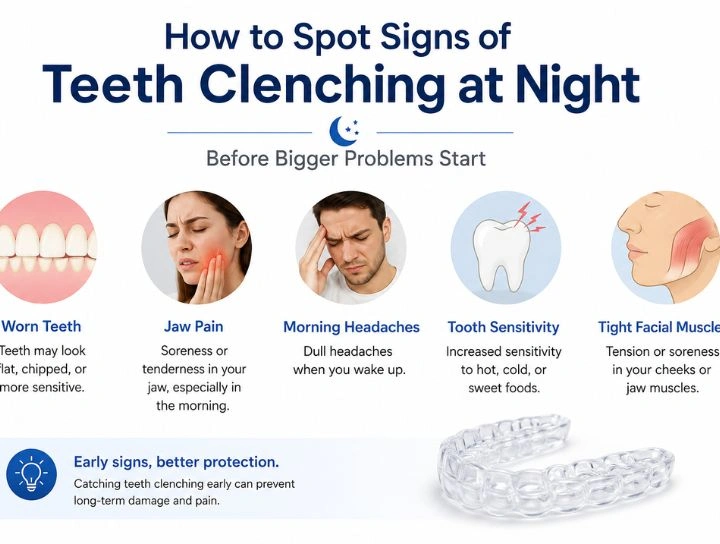
Cracked tooth symptoms can be different for each person. Paying attention to signs such as sensitivity when biting, discomfort with cold or warm drinks, tenderness around a tooth, or brief sensations when releasing your bite can help identify when a dental evaluation may be beneficial. Some people notice that one side of the mouth feels easier to chew on than the other. Some people may notice occasional tooth sensitivity that varies over time. These signs are helpful because they guide your dentist toward the exact tooth and the best treatment.
A cracked tooth may also feel normal at times and sensitive at other times. Sharing these patterns with your dentist helps them understand the crack more clearly.
Cracked Tooth Pain Relief Tips
Cracked tooth pain relief starts with gentle protection. Chew on the opposite side and choose soft foods like soup, yogurt, eggs, smoothies, oatmeal, rice, pasta, or mashed vegetables.A warm saltwater rinse can feel soothing and help keep your mouth clean. Use a soft toothbrush and brush with light pressure. If your dentist or physician says over-the-counter pain relief is safe for you, follow the label directions carefully.A cold compress on the outside of the cheek may provide comfort if the area feels tender. These steps are temporary support, and professional dental care gives the tooth the best long-term solution.
Foods That Support a Cracked Tooth Before Treatment
Soft foods help protect a cracked tooth because they require less chewing force. Choose meals that feel smooth, gentle, and easy to enjoy.Good options include scrambled eggs, oatmeal, soft rice, soup, pasta, smoothies, bananas, applesauce, mashed potatoes, soft fish, and cooked vegetables. These foods let you eat more comfortably while keeping pressure away from the cracked area.Cut food into smaller pieces and chew slowly. This simple habit supports comfort and helps you feel more in control until your appointment.
Habits That Help Keep the Tooth Protected
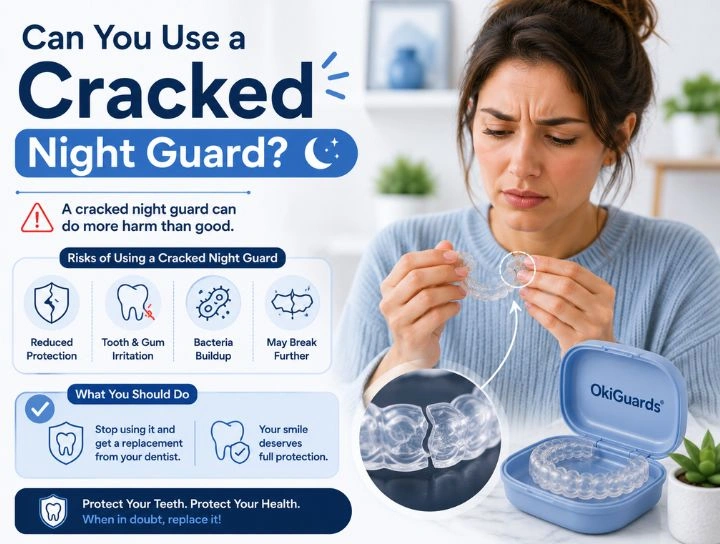
Gentle daily habits can help protect a cracked tooth. Brush twice daily, floss carefully, rinse after meals, and keep the area clean.Use the other side of your mouth for chewing. Choose soft meals and skip hard biting movements until the dentist checks the tooth. Keep your jaw relaxed during the day and notice if you clench while working, driving, or focusing.If you wear a night guard, bring it to your dental appointment. Your dentist can check whether the guard fits well and supports your bite properly.
Cracked Tooth Treatment
Cracked tooth treatment depends on the size, location, and depth of the crack.A small crack can often be treated successfully with bonding or a filling. A tooth with more chewing pressure may benefit from a dental crown that covers and strengthens the tooth.If the inner tooth tissue needs care, root canal treatment may be recommended before a crown. This approach can help restore comfort and allow the tooth to function again.Your dentist will explain the best option after examining the tooth. The goal is to support comfort, protect the tooth structure, and help you chew with confidence.
Cracked Tooth Repair Options
Cracked tooth repair options may include dental bonding, a filling, a crown, root canal treatment, or another restorative plan. The right option depends on how far the crack travels and how the tooth responds during testing.Bonding can help with small surface cracks. A filling may support a minor crack in a chewing area. A crown can cover the tooth and provide strong protection for daily biting and chewing.Root canal treatment may be used when the inner part of the tooth needs care. After that, a crown often helps protect the treated tooth and restore function.
Can a Night Guard Protect a Cracked Tooth?
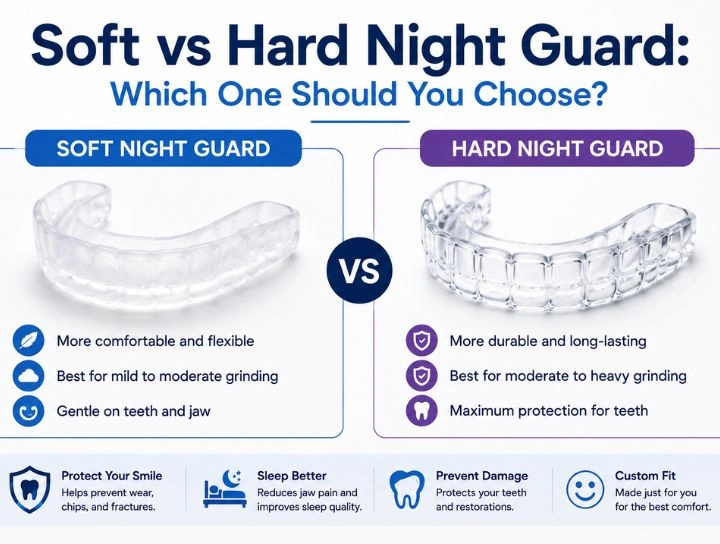
A night guard can be helpful when teeth grinding or clenching places extra pressure on the teeth. If bruxism contributed to the crack, your dentist may recommend a custom night guard after repair.A custom night guard is made from your dental impression, so it fits your teeth more closely than a generic guard. It helps reduce direct tooth-to-tooth contact and supports better pressure control during sleep.For many people, night guard use becomes an important part of long-term tooth protection, crown protection, and cracked tooth prevention.
When to Get Dental Care
Dental care is helpful whenever you suspect a cracked tooth. A dentist can check the tooth, confirm the crack, and guide you toward the right treatment.Prompt care is especially useful when the tooth feels sensitive while chewing, reacts to temperature, or feels different from nearby teeth. A dental visit gives you answers and helps protect your smile with the right repair option.If your tooth has already received a crown, filling, or root canal, professional evaluation is still important. Restored teeth can often be protected with the right treatment and follow-up care.
How to Protect Your Teeth After Repair
After cracked tooth treatment, follow your dentist’s aftercare instructions. Brush and floss daily, keep regular checkups, and use a night guard if grinding or clenching is part of your dental history.Avoid biting hard objects such as ice, pens, hard candy, and nutshells. Choose careful chewing habits and keep your dental appliances clean. A well-fitted night guard can support your repaired tooth and help protect other teeth from grinding pressure.Regular dental visits also allow your dentist to check your bite, crown, filling, and gum health. This helps your smile stay comfortable and strong.
Frequently Asked Questions
How do I protect a cracked tooth at home?
Protect a cracked tooth by chewing on the other side, eating soft foods, rinsing gently with warm water, brushing carefully, and booking a dental visit for proper treatment.
What should I do for a cracked tooth?
Schedule a dental appointment, avoid direct pressure on the tooth, keep the area clean, and use gentle comfort steps until your dentist recommends the right treatment.
What are common cracked tooth symptoms?
Recognizing signs such as sensitivity, chewing discomfort, tenderness around one tooth, or a brief sensation when biting or releasing pressure can help identify a cracked tooth early.
What helps with cracked tooth pain relief?
Soft foods, gentle brushing, warm saltwater rinses, careful chewing, and dentist-approved pain relief can support comfort until professional care.
What are the best cracked tooth repair options?
Cracked tooth repair options may include bonding, a filling, a crown, root canal treatment, or a personalized restorative plan based on the crack.
Can a night guard help protect a cracked tooth?
A custom night guard can help when grinding or clenching adds pressure to the teeth. Your dentist may recommend one after the cracked tooth is repaired.

Final note
Knowing how to protect a cracked tooth can help you stay comfortable and confident before treatment. Keep pressure away from the tooth, choose soft foods, rinse gently, and schedule a dental visit for a clear diagnosis.Cracked tooth treatment can include bonding, filling, crown placement, root canal treatment, or a custom repair plan. If grinding or clenching is part of the cause, a custom night guard can help protect your teeth during sleep.With the right care, many cracked teeth can be restored for comfortable chewing and a healthier smile.