Easing the Effects of Nighttime Anxiety
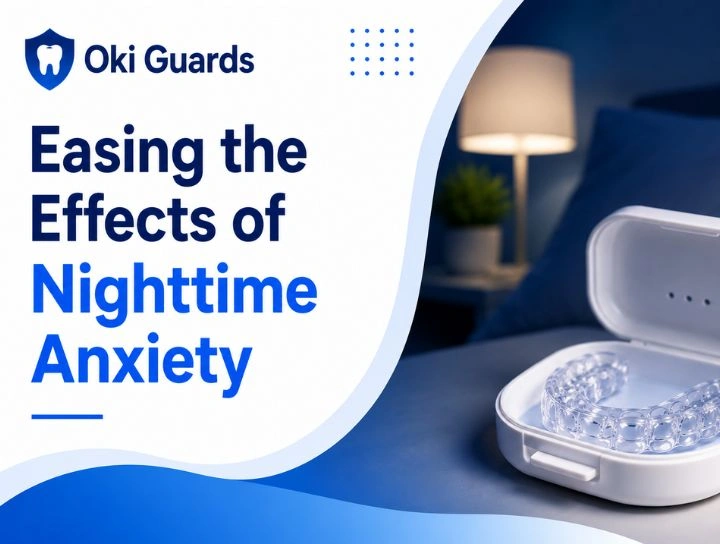
A calm bedtime routine can help your body feel supported, your mind feel steady, and your sleep space feel peaceful. Nighttime anxiety is a common experience for many people, and gentle evening habits can make bedtime feel easier and more comforting. When your mind feels active before sleep, a simple routine can guide your body toward rest. Nighttime anxiety often appears when the day becomes quiet, and your thoughts have more space. This moment can become a helpful invitation to slow down, breathe deeply, and create a routine that feels safe and familiar. With the right steps, you can build a peaceful evening pattern that supports better relaxation. Many people become more aware of jaw tension, clenching habits, or facial tightness during periods of stress, creating an opportunity to focus on relaxation and jaw comfort. A soothing bedtime routine, relaxed breathing, and a custom night guard can support both your mind and your smile. OkiGuards custom night guards can help protect your teeth when nighttime clenching becomes part of your sleep pattern.
What Is Nighttime Anxiety?
Nighttime anxiety is an active feeling that can appear before bed or during the night. It can increase awareness of your thoughts, physical tension, and jaw muscles, highlighting the importance of relaxation and self-care. These nighttime anxiety symptoms can help you understand what your body needs. Your body may be asking for quiet, comfort, steady breathing, and a softer bedtime rhythm. This awareness can help you respond with kindness instead of pressure. A consistent routine can train your body to recognize bedtime as a peaceful part of the day. Anxiety before bed often connects with daily thoughts, upcoming plans, screen time, caffeine, work pressure, or an active schedule. A gentle evening routine can create a smooth transition from daily activity to nighttime rest.
Nighttime Anxiety Symptoms
Nighttime anxiety symptoms can feel different for every person. Some people become more aware of their thoughts, energy levels, body tension, jaw muscles, or desire to stay active, highlighting the value of relaxation and balance. Some people also notice shallow breathing, a warm feeling, or a focused mind that wants extra reassurance. These signs can become useful reminders to care for yourself. Each symptom can guide you toward a calming step. A busy mind may respond well to journaling. A tense jaw may respond well to a relaxed mouth posture. A restless body may respond well to stretching. A strong thought pattern may respond well to slow breathing. The more you understand your bedtime patterns, the easier it becomes to choose habits that support night anxiety relief.
How to Calm Anxiety at Night
Learning how to calm anxiety at night starts with creating a routine your body can trust—a routine works best when it feels simple, repeatable, and comforting. Start by setting a soft evening schedule. Choose a time to dim lights, put screens away, and begin quiet activities. This helps your body understand that rest time is approaching. Slow breathing can also support relaxation. Breathe in gently through your nose, hold for a comfortable moment, and breathe out slowly. Repeat this pattern several times while relaxing your shoulders and jaw. A warm shower, light stretching, soft music, or a calming book can also help your mind shift into a peaceful state. These small steps create a bedtime environment that feels steady and supportive.
Anxiety Before Bed and Jaw Tension
Anxiety before bed can sometimes show up in the jaw. Many people press their teeth together while thinking, focusing, or settling into sleep. This clenching pattern can make the jaw feel active in the morning. A relaxed mouth posture can help. Keep your lips gently together, your teeth slightly apart, and your tongue resting softly on the roof of your mouth. This position gives your jaw a calm resting place. If nighttime clenching becomes part of your routine, a custom night guard can help protect your teeth while you sleep. OkiGuards offers soft, hybrid, and hard custom night guards designed for different comfort needs and grinding levels.
Create a Peaceful Sleep Space
Your bedroom can support a calmer night. A clean, quiet, and comfortable space can help your body relax more easily. Soft lighting, fresh bedding, a cool room, and a tidy nightstand can make the space feel more restful. Try keeping your phone away from your pillow area. A small book, water bottle, or calming scent can create a more peaceful bedtime setup. A simple environment helps your mind focus on rest. Your sleep space can become a signal of comfort. When your room feels calm, your body can begin to associate bedtime with safety, softness, and rest.
Use Journaling for Night Anxiety Relief
Journaling can help organize thoughts before sleep. Write down what is on your mind, what you handled well today, and what you plan to do tomorrow. This gives your thoughts a place to land. A short gratitude list can also support a more peaceful mindset. Write three things that felt good, helpful, or meaningful during the day. This simple habit can guide your mind toward calm and appreciation. You can also write a gentle reminder for tomorrow. A few planned steps can help your mind feel organized and ready for rest.
Try a Calming Body Routine
A calming body routine can help release evening tension. Start with your shoulders. Roll them slowly and let them settle. Move to your jaw. Open and close your mouth gently. Then relax your face, neck, hands, and legs. Light stretching can also support a peaceful bedtime. Simple neck stretches, shoulder stretches, and slow breathing can help your body feel grounded. Keep the movements soft and comfortable. A warm compress near the jaw can also feel soothing. This can support people who carry tension in the face or clench their teeth during the night.
How to Stop Nighttime Anxiety With Better Habits
Many people search for how to stop nighttime anxiety because they want a calmer, easier bedtime. A more helpful goal is to build habits that invite peace and reduce evening stimulation.
Caffeine timing can support a calmer night. Choose earlier caffeine hours and enjoy evening drinks that feel soothing. Herbal tea, warm water, or a light bedtime drink can make the routine feel comforting. Screen habits also matter. Bright screens can keep the mind active. A screen-free window before bed can help your brain enjoy a smoother transition into rest. A consistent sleep schedule can support your body clock. Going to bed and waking up at similar times can make bedtime feel more natural.
Support Your Smile During Anxious Nights
Your mouth can reflect your evening state. A calm jaw posture, soft breathing, and a night guard can work together to support comfort. People who clench or grind during sleep can benefit from a guard that creates a protective layer between the teeth. A custom night guard fits your teeth closely and can feel stable during sleep. It supports tooth protection while your body rests. Cleaning it each morning and storing it in a fresh case can make it a simple part of your routine. This small habit can bring more confidence to your bedtime care.
When Extra Support Feels Helpful
Extra support can be a positive step for your overall wellness. A healthcare professional, counselor, dentist, or sleep specialist can help you create a plan that fits your needs. Professional guidance can give you more tools, more clarity, and more confidence.
Support can include relaxation strategies, sleep planning, dental appliance guidance, or lifestyle adjustments. The right help can make your nighttime routine feel more personalized and effective.
Frequently Asked Questions
What is nighttime anxiety?
Nighttime anxiety is an active feeling before bed or during the night that can include busy thoughts, body tension, jaw tightness, and a desire for calm.
What are common nighttime anxiety symptoms?
Common nighttime anxiety symptoms include racing thoughts, quicker breathing, jaw tension, body restlessness, and a focused mind before sleep.
How can I calm anxiety at night?
You can calm anxiety at night with slow breathing, light stretching, journaling, soft lighting, a screen-free routine, and a peaceful sleep space.
What helps anxiety before bed?
A relaxing bedtime routine, warm shower, calming music, gentle stretches, and gratitude journaling can help anxiety before bed feel easier to manage.
Can nighttime anxiety cause teeth clenching?
Nighttime anxiety can be connected with teeth clenching because the jaw may stay active during rest. A custom night guard can support tooth protection.

Final note
Nighttime anxiety can become easier to manage with gentle, steady habits. A peaceful sleep space, slow breathing, journaling, relaxed jaw posture, and a consistent bedtime routine can help your body feel calm and supported. Night anxiety relief starts with small steps that feel simple and repeatable. When your mind, body, and smile receive the right care, bedtime can feel more peaceful, balanced, and comfortable. With a calming routine and the right support, your nights can become softer and more restful.