Can Dehydration Make Teeth Grinding Worse at Night?

Teeth grinding is a common concern, and the good news is that many everyday habits can support more comfortable sleep and a healthier jaw. One common question is whether hydration plays a role in nighttime grinding. The answer is encouraging because hydration supports the body in many positive ways, and improving it may help reduce some of the tension that contributes to grinding during sleep.Teeth grinding at night can occur for various reasons, and each reason offers an opportunity to make supportive changes. Stress, sleep quality, jaw tension, lifestyle habits, and oral comfort can all influence nighttime clenching or grinding. Dehydration and teeth grinding may also be connected positively, as better hydration can support muscle function, comfort, and overall sleep quality.
Understanding Teeth Grinding in a Positive Way
Teeth grinding, also called bruxism, happens when a person clenches, gnashes, or presses their teeth together, often during sleep. This habit can feel frustrating, yet it is very manageable with the right support. Early awareness helps you protect your teeth, relax your jaw, and build better nighttime habits.Many people notice teeth grinding at night through subtle signs. These may include jaw tightness in the morning, mild headaches, tooth sensitivity, or a partner hearing grinding sounds while they sleep. Each of these signals is helpful because it gives you a chance to respond with care and make positive changes.
Can Dehydration Make Teeth Grinding Worse at Night?
Yes, dehydration and teeth grinding may be connected in ways that are worth paying attention to. Hydration supports muscle balance, saliva production, and overall nighttime comfort. When the body is well hydrated, muscles often function more smoothly, and the mouth tends to feel more comfortable during sleep.Staying well-hydrated helps your body feel relaxed, keeps your mouth comfortable, and supports more restful sleep. These changes can be a helpful signal to support comfort and ease during sleep. That means improving hydration is a simple and positive step that may support a calmer jaw and more relaxed sleep.
Why Hydration Supports Better Oral Comfort
Hydration is essential for the entire body, especially the mouth and jaw. Saliva plays a positive role in oral comfort by helping keep tissues moist, supporting the natural balance of the mouth, and helping the mouth feel comfortable overnight.
When hydration improves, many people feel more balanced and comfortable. Better hydration can support:
- Healthier saliva flow
- Better muscle function
- More comfortable oral tissues
- Better sleep quality
- Improved overall body recovery
These benefits provide a strong reason to consider hydration as part of a broader plan to reduce grinding.
Causes of Teeth Grinding at Night
There are several causes of teeth grinding at night, and it is helpful to see them as manageable factors rather than permanent problems. Each cause offers an opportunity for improvement.
Relax and Reset
Stress is a common factor in nighttime grinding, and with supportive habits like relaxation and mindful routines, you can help your jaw unwind and enjoy more restful sleep.
Poor Sleep Quality
Sleep quality is strongly linked to how the body relaxes overnight. When sleep feels disrupted or shallow, the jaw may stay more active. Better bedtime habits often support better sleep and a calmer mouth.
Jaw Muscle Activity
Some people naturally hold more tension in their faces and jaws. This pattern can carry into the night, and with awareness, you can support a more relaxed and comfortable sleep.. Awareness and supportive care can improve comfort over time.
Dehydration
Low hydration may contribute to dry mouth, reduced comfort, and reduced muscle relaxation. This underscores the importance of considering dehydration and teeth grinding as connected. Hydration is a simple and positive habit that supports the body in many ways.
Lifestyle Habits
Evening caffeine, irregular sleep schedules, and low relaxation before bed can all influence how the body settles into sleep. Small changes in routine often create meaningful results.
How Dehydration May Affect Teeth Grinding at Night
Hydration supports the muscles, tissues, and natural comfort of the mouth. When the body has enough water, it can function more smoothly and more balanced. When water intake is lower than needed, some people may notice more dryness, tension, or restlessness at night.This is why dehydration and teeth grinding may go hand in hand in some cases. Dehydration may:
- Increase dry mouth at night
- Make the jaw feel less relaxed
- Reduce overall sleep comfort
- Support muscle tension
- Make existing grinding feel more noticeable
These possibilities are helpful because they point toward practical changes that can support improvement.
How to Reduce Teeth Grinding at Night
Many people want to know how to reduce teeth grinding at night, and the answer is encouraging because many supportive habits can help. A balanced approach often brings the best results.
Stay Well Hydrated
Drinking enough water during the day is one of the easiest and most positive habits you can build. Good hydration supports muscle comfort, mouth moisture, and overall well-being. Consistent hydration gives the body a better chance to relax well at night.
Create a Calm Bedtime Routine
A peaceful bedtime routine helps the nervous system settle into rest—soft lighting, quiet reading, gentle stretching, and screen-free time before bed all support relaxation. A calm evening often leads to a calmer jaw.
Reduce Evening Tension
Jaw tension responds well to gentle awareness. Relaxing the face, keeping the teeth slightly apart during the day, and breathing deeply before bed can all support better jaw comfort.
Support Better Sleep Habits
A regular sleep schedule creates a strong foundation for comfort. Going to bed at the same time, making the room comfortable, and allowing enough time for rest can all help reduce teeth grinding at night.
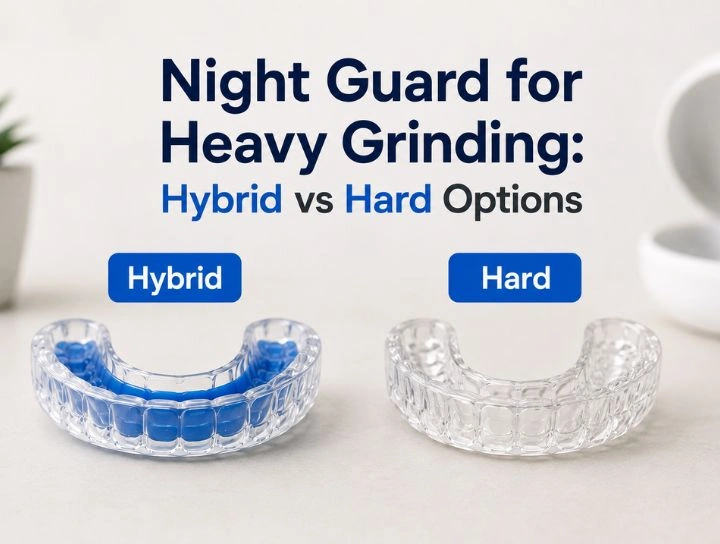
Consider a Custom Night Guard
A custom night guard is a good option for people who grind their teeth regularly. It helps protect the teeth, reduce direct tooth contact, and support a more comfortable bite position during sleep. This kind of protection offers both comfort and confidence.
How to Prevent Teeth Grinding at Night
Many people also want to know how to prevent teeth grinding at night, and the good news is that prevention often starts with simple daily habits. Small supportive actions can create long-term benefits.
Build Better Hydration Habits
Good hydration during the day supports better comfort at night. Keeping water nearby, drinking regularly, and staying mindful of your body’s needs can help you feel more balanced and more relaxed.
Keep the Jaw Relaxed During the Day
Daytime jaw awareness is very helpful. A healthy resting position is simple: lips together, teeth apart, and tongue resting comfortably. This habit supports better muscle balance and helps reduce tension that may carry into sleep.
Limit Drying Habits Before Bed
Choosing a more balanced evening routine can support the mouth and body. Reducing dehydrating habits late in the day may help improve comfort and sleep quality.
Focus on Relaxation
Relaxation always adds value. Gentle breathing, calming music, mindfulness, and quiet time before bed all help the body positively prepare for restful sleep.
Seek Professional Guidance When Needed
A dental professional can provide helpful clarity and supportive solutions. If teeth grinding at night happens often, personalized advice can make a big difference. Early support protects the smile and supports peace of mind.
Signs You May Benefit From More Support
Recognizing the signs of nighttime grinding is a positive step. You may benefit from extra support if you notice:
- Morning jaw tightness
- Headaches after waking
- Tooth sensitivity
- Dry mouth at night
- Facial tension
- Signs of tooth wear
- Interrupted sleep
Each sign is useful because it helps guide the next positive step toward comfort and protection.
A Positive Daily Plan for Better Nights
If you want to support better sleep and reduce grinding, a simple daily plan can help:
- Drink water consistently during the day
- Avoid going to bed overly tired or tense
- Create a calm evening routine
- Support good sleep habits
- Relax the jaw during the day
- Use a custom night guard if needed
This kind of routine feels manageable, and it supports both short-term comfort and long-term oral health.
Frequently Asked Questions
Can dehydration make teeth grinding at night worse?
Staying well-hydrated can help keep your mouth comfortable, support jaw relaxation, and make nighttime grinding feel more manageable. Better hydration supports a more balanced and comfortable nighttime routine.
What are the common causes of teeth grinding at night?
Some common causes of teeth grinding at night include stress, poor sleep quality, jaw tension, dehydration, and certain lifestyle habits. Each cause can be managed with positive daily changes and better sleep support.
How can I reduce teeth grinding at night naturally?
You can reduce teeth grinding at night by staying hydrated, following a calm bedtime routine, improving sleep habits, relaxing your jaw during the day, and using a custom night guard if needed.
How do dehydration and teeth grinding affect oral comfort?
Dehydration and teeth grinding can affect oral comfort by increasing mouth dryness and making the jaw feel less relaxed during sleep. Good hydration supports healthier saliva flow and a more comfortable mouth overnight.
What is the best way to prevent teeth grinding at night?
To prevent teeth grinding at night, focus on staying well hydrated, stress relief, healthy sleep habits, and jaw relaxation. A custom night guard can also provide excellent protection and support for your teeth while you sleep.

Final note
Teeth grinding is a common issue, and it becomes much easier to manage when you look at the body as a whole. Dehydration and teeth grinding may be connected because hydration supports muscle function, oral comfort, and better sleep quality. That means improving hydration is a positive step that may help reduce tension and make teeth grinding at night feel less severe.There are many causes of teeth grinding at night, and each one offers a clear opportunity for helpful change. If you want to prevent or reduce teeth grinding at night, hydration, better sleep habits, relaxation, and a custom night guard can all play a supportive role. Every positive step you take can help you move toward calmer nights, more comfortable mornings, and a healthier smile.