Can Teeth Grinding Cause Headaches and Neck Pain?
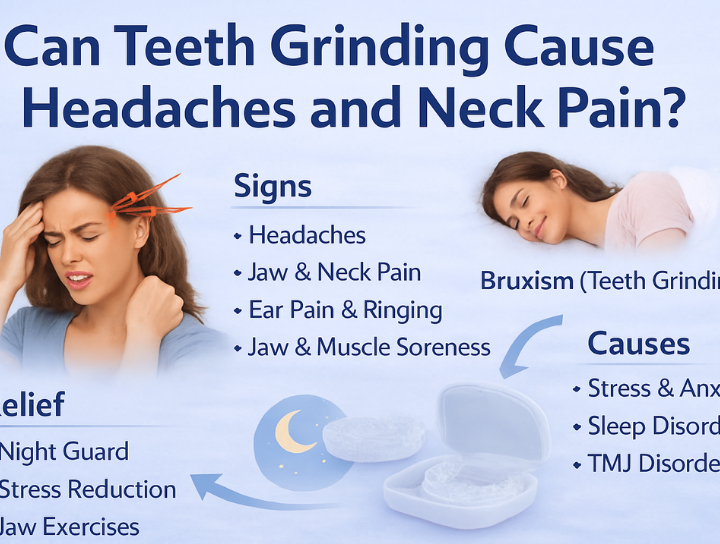
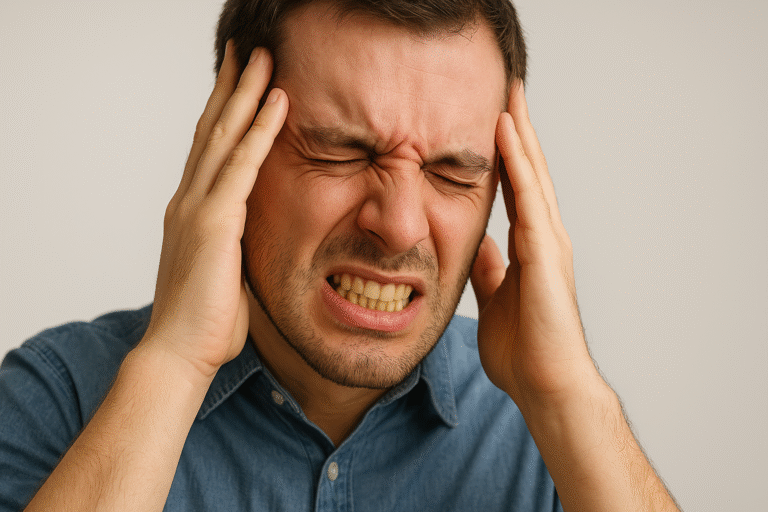
Many people ask whether teeth grinding causes headaches because they want clear answers and a practical plan for more comfortable days. Teeth grinding and jaw clenching are closely connected to the muscles that support your jaw, temples, neck, and shoulders, and this connection helps explain why jaw-clenching headache patterns and teeth-grinding neck pain patterns often show up together. The encouraging part is that when you understand the muscle-and-joint pathway, you can build simple daily habits that support a calmer jaw, smoother neck movement, and a more refreshed feeling throughout the day.
This guide explains the science in an easy, research-informed way, then shares realistic, step-by-step strategies that fit busy schedules. You will also see how a properly fitted custom OkiGuards night guard protects teeth at night and supports better recovery of jaw muscles, which helps maintain a steadier morning baseline.
How Teeth Grinding and Jaw Clenching Connect to Head and Neck Comfort
Teeth grinding and clenching activate the jaw-closing muscles with strong, sustained effort. The main muscles include the masseter (cheek muscle) and temporalis (temple muscle), which work as part of a larger “head–neck–shoulder” system that also includes the upper neck muscles and shoulder stabilizers. This connected system supports chewing, posture, breathing, and facial expression, and it also responds quickly to stress, concentration, and sleep transitions.When the jaw muscles work hard at night, they often feel “worked” in the morning, and that muscle workload can be felt around the temples, behind the head, and into the neck and shoulders. This pattern helps explain why grinding-teeth headaches, back head searches, and jaw muscle pain are so common, and it also helps explain why people notice jaw muscle pain alongside neck tightness.
Teeth Grinding Causes Headaches: The Most Common Pathways
1) Temple Muscle Load and Jaw Clenching Headache Patterns
The temporalis muscle sits at the temples and helps close the jaw. When the jaw clenches or grinds, the temporalis can stay active for repeated short bursts. Many people feel this as a pressure-style jaw-clenching headache around the temples, and many enjoy improvement when jaw activity becomes more organized at night, and jaw posture becomes softer during the day.
2) Occipital and Upper Neck Muscle Involvement
The muscles at the base of the skull support head position and neck balance, and they coordinate with jaw muscles through shared posture and nerve pathways. When the jaw braces, the neck often braces gently too, and this coordinated bracing can be felt as a “back of head” tension pattern. This muscle link supports the idea that grinding-teeth headaches can improve when jaw activity becomes calmer, and neck posture becomes better supported.
3) Bite Stabilization and Micro-Adjustments
During grinding, the jaw may make subtle stabilizing adjustments to keep the bite feeling “secure.” Those micro-adjustments are efficient for short moments, and repeated episodes can leave the muscles feeling active the next day. A stable bite surface at night supports smoother jaw mechanics, and smoother mechanics support better comfort patterns.
Teeth Grinding Neck Pain: Why the Neck Gets Involved
Teeth grinding and neck pain often reflect a teamwork pattern between jaw muscles and neck stabilizers. The head and jaw sit atop the neck, so the body often coordinates jaw tension with neck muscle engagement to maintain stability. This coordination supports a practical message: when the jaw rests more softly, the neck often enjoys a softer baseline too.
Many people also notice that long work hours and screen posture influence neck comfort. When the head drifts forward, jaw muscles often brace to stabilize the bite, and that bracing can feel like jaw tightness and neck tightness together. A posture-friendly routine supports both systems simultaneously.
Jaw Muscle Pain: A Helpful Signal That Muscles Want Recovery
Jaw muscle pain is often described as soreness, heaviness, tightness, or fatigue in the cheeks and temples. This sensation often feels like a “worked muscle,” and muscles respond well to recovery inputs such as gentle stretching, hydration, nasal breathing, and improved sleep rhythm. A supportive plan makes jaw recovery feel predictable and achievable.
How to Tell Whether Grinding Is Contributing to Your Pattern
Your body often provides clear, positive clues that guide the next step.
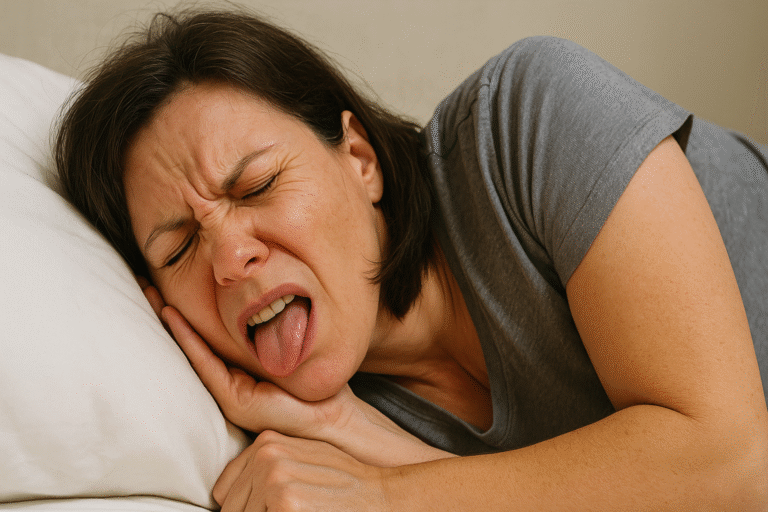
- Morning jaw tightness that eases as the day warms up often points toward overnight clenching or grinding.
- Temple pressure after busy weeks often aligns with jaw muscle workload.
- A “back of head” tension feeling that improves with gentle neck mobility often aligns with posture plus jaw bracing.
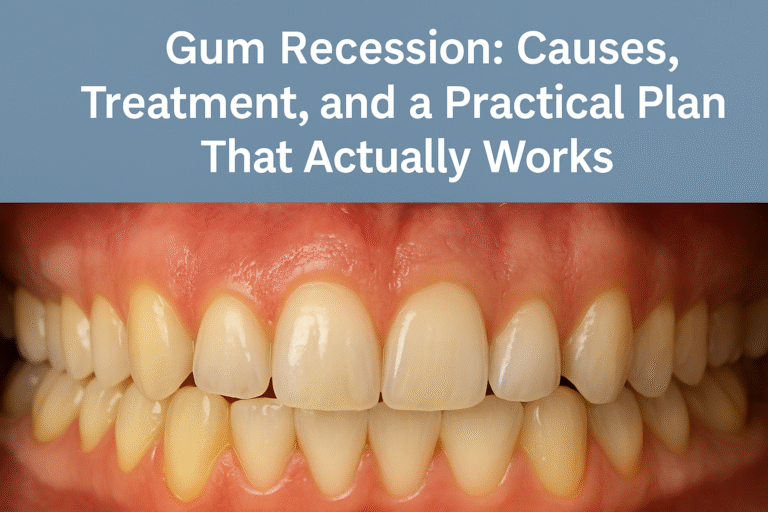
- Tooth wear, flattening, or increased sensitivity often aligns with grinding movement.
These clues support a simple direction: protect the teeth at night and support muscle recovery through the day.
The Role of a Night Guard in Supporting Comfort
A night guard supports bruxism routines by creating a protective layer between the upper and lower teeth. This layer protects your teeth and helps maintain a more stable bite surface while you sleep. A stable surface supports smoother jaw closure patterns and supports more efficient muscle work, which many people find helpful for morning comfort.
A custom-fit night guard also supports comfort because it seats securely and consistently, and consistent wear supports consistent results. This is where the OkiGuards custom-fit approach fits naturally into a bruxism support plan.
How OkiGuards Fits Into a Real Bruxism Routine
OkiGuards provides custom night guards made from an at-home impression kit, and a custom fit supports stability and comfort. This process feels practical because it mirrors a lab-fit approach while staying convenient.
Step-by-Step: How to Fit and Use Your OkiGuards Night Guard
Step 1: Prepare for the impression with a calm setup
You place the kit on a clean surface, wash and dry your hands, and perform one practice placement of the tray to make it feel familiar.
Step 2: Make the impression with steady, gentle pressure
You mix the putty as instructed, fill the tray evenly, seat it, and bite down with gentle, even pressure while breathing calmly through the nose.
Step 3: Return the impression for lab crafting
Your impression guides the lab in crafting a guard that closely matches your teeth, and that close match supports a secure, stable fit.
Step 4: First wear feels smooth with a simple routine
You rinse the guard with cool water, seat it evenly with your fingers on both sides, and take a few slow breaths while your jaw relaxes.
Step 5: Morning removal and care support long-term comfort
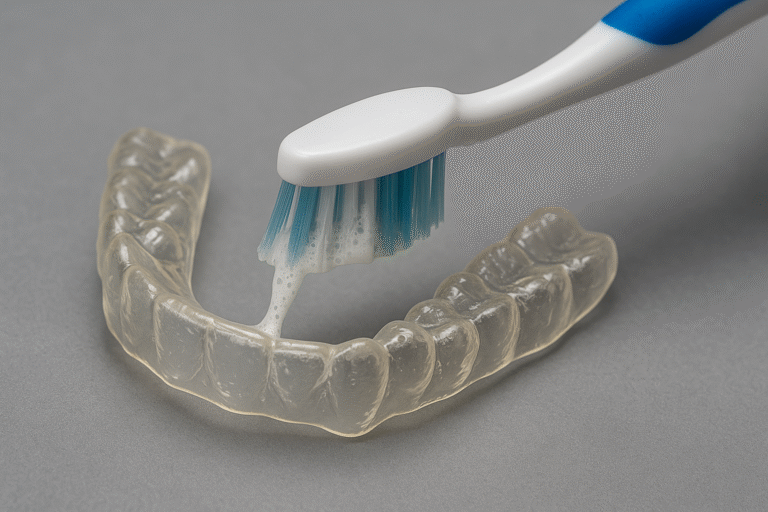
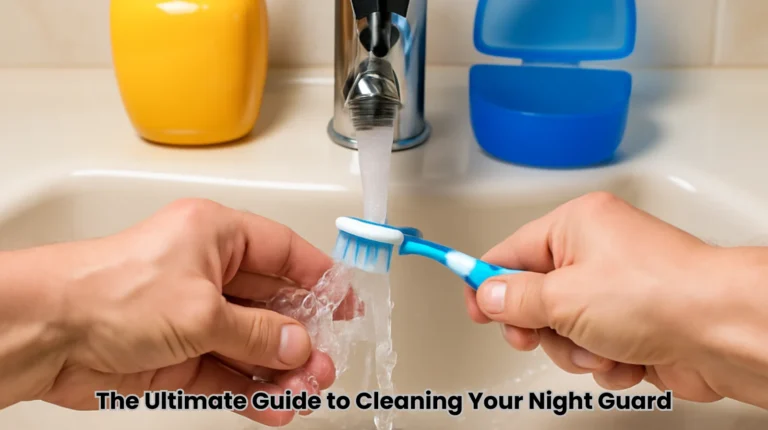
You lift the guard gently with even pressure, rinse with cool water, brush lightly with a soft brush and mild soap, rinse again, and let it fully air-dry in a ventilated case.
These steps support comfort by keeping the fit consistent and the surface clean, and they support confidence because they feel easy to repeat nightly.
Daily Habits That Support Head, Neck, and Shoulder Comfort
A positive plan often blends night protection with daytime micro-habits that reduce bracing.
The “Lips Together, Teeth Apart” Reset
This simple reset supports a relaxed jaw resting position: lips rest gently together, teeth float slightly apart, and the tongue rests softly on the palate. This posture supports less bracing and provides smoother jaw comfort.
A 60-Second Morning Jaw and Neck Warm-Up
- Gentle cheek muscle circles for 15 seconds per side
- Slow, controlled jaw opening and closing for 3–5 comfortable repetitions
- Gentle neck rotations left and right within a comfortable range
Screen-Posture Support That Feels Easy
- The screen near eye level supports a neutral neck position
- Shoulders relaxed and elbows close support a steadier posture
- Feet grounded support stability through the spine
How to Relieve Shoulder Tension From Stress
People search for ways to relieve shoulder tension from stress because they want simple actions that fit a busy day. These short moves support steady relaxation.
The 30-second shoulder drop
You inhale gently, then exhale slowly as you let your shoulders lower and widen.
The doorway chest opener (30 seconds)
You place your forearms on a doorway frame and step forward slightly to create a gentle chest stretch, which supports an open posture and a lighter shoulder tone.
The “long exhale” reset (three breaths)
A slow exhale supports nervous-system settling, and a settled nervous system supports a relaxed jaw.
These moves support comfort by reducing upper-body bracing, which often pairs with jaw bracing.
Sleep Habits That Support Calmer Jaw Muscles
Sleep rhythm supports jaw recovery, and small upgrades often feel powerful.
- A consistent bedtime supports smoother sleep transitions.
- A calm wind-down routine supports nervous system settling.
- Hydration earlier in the day supports muscle performance and recovery.
- Nasal breathing support, such as gentle evening routines, supports steady, comfortable sleep.
These steps support better mornings by improving recovery signals.
How Long Does It Take to Notice Improvement?
Many people notice progress when they combine consistent night protection with small daytime resets. Comfort often improves steadily because muscles respond well to consistent recovery inputs. A custom-fit guard supports comfort and consistency, and consistency supports better outcomes.
Frequently Asked Questions
Can Teeth Grinding Cause Headaches?
Yes, teeth grinding causes headaches. Patterns often appear through temple muscle activity and coordinated neck muscle engagement, and these patterns often improve with stable night protection and supportive daily habits.
Why do I feel grinding teeth, headaches, and back pain?
Grinding-teeth headaches in the back of the head often reflect upper neck muscle involvement and poor posture coordination with jaw bracing and gentle mobility, and better jaw recovery often supports improvement.
Can teeth grinding and neck pain improve with a night guard?
Teeth grinding and neck pain often improve when nighttime jaw forces become more organized, teeth stay protected, and a comfortable, custom-fit guard supports consistent recovery.
What does a jaw-clenching headache feel like?
A jaw-clenching headache often feels like temple pressure or tension on the sides of the head, and many people find that jaw-relaxation habits and consistent protection help maintain steadier comfort.
What helps jaw muscle pain feel better?
Jaw muscle pain often responds well to gentle massage, controlled jaw mobility, hydration, and consistent nighttime tooth protection, which together support a calmer baseline.

Final note
The jaw, head, neck, and shoulders work as a coordinated system, so it makes strong physiological sense that teeth grinding, jaw-clenching headache patterns, and neck pain patterns often appear together. The most empowering takeaway is that this system responds beautifully to consistent support. When you protect your teeth with a properly fitted custom OkiGuards night guard and pair it with simple daytime jaw resets and shoulder-relaxation habits, you build a routine that supports calmer muscles, smoother mornings, and steadier daily comfort. With a clear plan and consistent steps, your recovery becomes reliable, and your day feels more comfortable and more energized.