Tongue Biting in Sleep: Causes & Solutions


What Is Tongue Biting in Sleep?
Tongue biting happens when it comes between teeth during jaw movement or teeth grinding (bruxism). I can range from a mild scratch to a deep cut, which causes bleeding and infection, and people wake up with a sore and swollen tongue. Sometimes cheeks and lips also come in bite with the tongue.
Is Biting Tongue Normal?

If it happens occasionally, it is not alarming. But regular and severe tongue biting is not normal and may be a sign of grinding, apnea, stress, and seizures.
Signs Of Biting Tongue in Sleep
- Tender, sore, or swollen tongue
- Marks of teeth on the tongue
- Small cuts or ulcers on the side, tip, or back of the tongue
- Blood on the pillow or on the teeth
- Sore jaw, morning headaches, or tooth sensitivity
- Bites on the inner cheeks or lips as well
Reasons for Biting Tongue in Sleep
- Bruxism
- Sleep-disordered breathing
- Stress, anxiety, poor sleep
- Bite misalignment (malocclusion)
- Tongue posture and size
- Medications or substances
- Seizures
- Post-surgery recovery
- Pregnancy factors

Bruxism: Clenching/Grinding
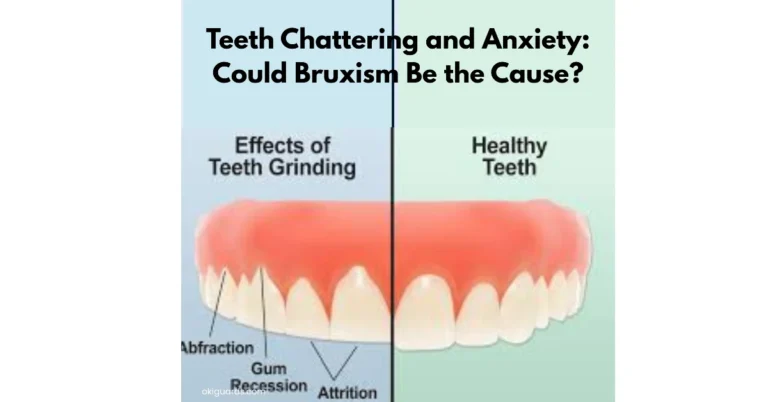
Bruxism is the top reason for biting tongue in sleep. Strong jaw contractions pull the tongue into harm’s way or clamp down on it.
What Can Help :
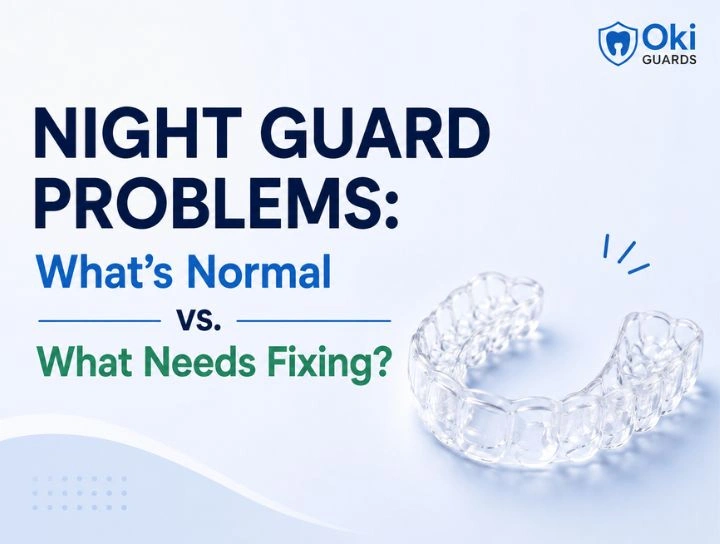
- Custom night guard to separate teeth and absorb force
- Stress reduction and sleep hygiene
- Caffeine/nicotine before bed
- Dental check for bite adjustments if needed
Sleep Apnea and Tongue Biting in Sleep
In obstructive sleep apnea (OSA), airway narrowing can pull the tongue backward, disrupt breathing, and trigger jaw reflexes but it not major cause of biting tongue
What Can Help:
- Sleep evaluation
- CPAP or oral appliance therapy to keep the airway open
- Weight, nasal, or positional strategies as advised
Tongue Biting in Sleep & Seizures
Seizures are a less common cause but important to rule out, especially if bites are severe or located on the sides/back of the tongue and you don’t grind.
What Can Help:
- Neurology evaluation and EEG if suspected
- Anti-seizure medications or tailored therapy
- A mouth guard protects from trauma but does not treat seizures, address the root cause with your clinician.
Stress and Anxiety
Stress and anxiety ramp up muscle tension and arousal during sleep, increasing grinding and mouth movements.
What Can Help:
- Relaxation routines (breathing, body scan, gentle stretching)
- Light aerobic activity during the day
- Mindfulness journaling; cognitive-behavioral tools
Tongue Biting in Sleep During Pregnancy
Hormonal shifts can increase snoring or reflux; fluid changes can alter tongue/airway dimensions. Result: more mouth breathing, more nighttime jaw activity.
What Can Help:
- Side-sleeping, head-of-bed elevation
- Gentle nasal rinses, humidity optimization
- Consider a soft or hybrid night guard (custom) for protection
- Discuss apnea screening with your provider if symptoms fit
How to Stop Biting Your Tongue in Sleep (Step-by-Step)
- Identify the reason first (grinding, snoring, stress, seizures).
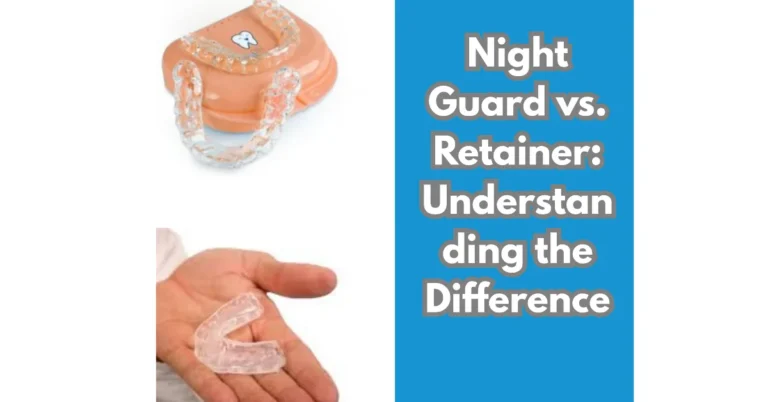
- Protect with a custom teeth night guard
- Improve sleep routine
- Avoid nicotine and Alcohol before bed
- Jaw relaxation drill
Do Dental Mouth Guards Work to Stop Tongue Biting in Sleep?
Yes, when the cause is teeth grinding (Bruxism)
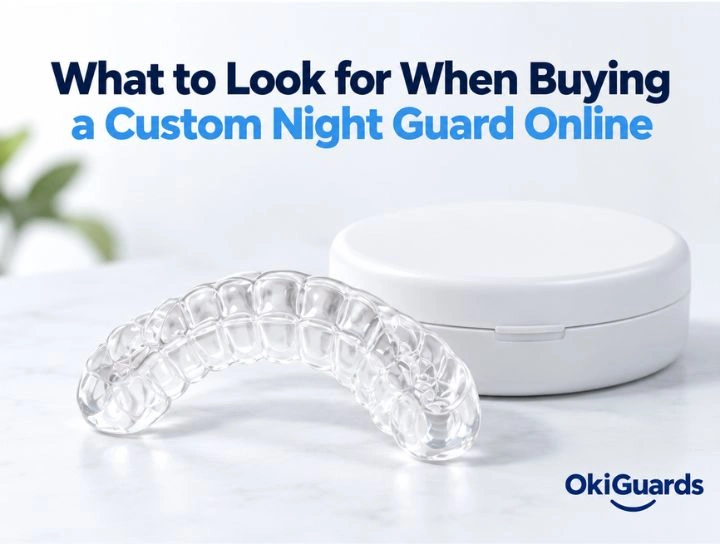
A custom teeth night guard separates teeth and spreads force so accidental biting is far less likely. It also reduces enamel wear and jaw strain.


Spiritual Meaning Of Tongue Biting In sleep
Across dream/energy traditions, night tongue-biting is sometimes read as
- Unspoken truth / self-censorship
- Blocked throat-chakra (Vishuddha)
- Stress energy discharge
- Inner conflict
- Call to mindful speech