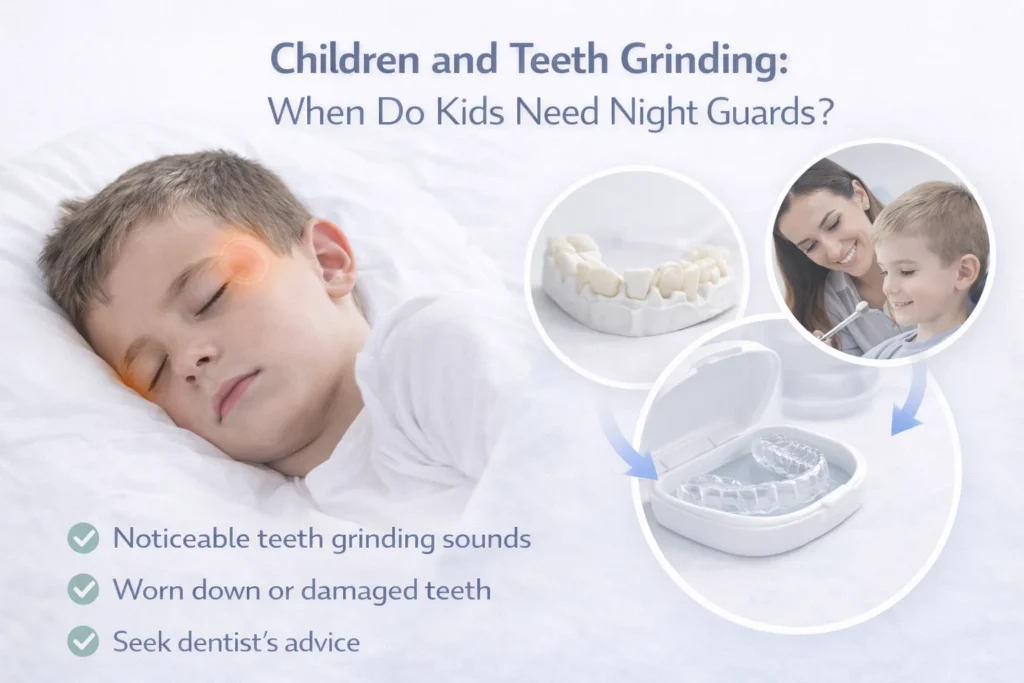
Children and Teeth Grinding: When Do Kids Need Night Guards?
Hearing a gentle “grinding” sound from your child’s room can be surprising but it’s also a ubiquitous parenting moment. Teeth grinding in children happens in many households, and in most cases, it’s simply a signal that your child’s body is growing, adjusting, or sleeping a little lightly. This guide is designed to give you precise, parent-friendly answers. You’ll learn what bruxism in kids (also called pediatric bruxism) means, why child teeth grinding at night shows up, how dentists evaluate it, and when a night guard can be a helpful form of protection. We’ll also compare soft night guard, hard night guard, and hybrid night guard options, explain how a custom appliance is made using an impression kit, and share gentle routines that support calmer sleep. Everything here is written with one goal: helping you feel confident, informed, and hopeful.
What is pediatric bruxism?
Pediatric bruxism is the clinical name for grinding or clenching the teeth. You may hear it described as bruxism or teeth grinding, and it often shows up during sleep.
In simple terms:
- Some children grind (teeth glide against each other and may make a sound).
- Some children clench (teeth press together quietly).
Either pattern can happen during certain sleep stages. And the most reassuring point is this: many children experience a phase of bruxism and move past it naturally. When extra support is needed, it’s typically very manageable often with comfortable protection and improved sleep habits.
Why does teeth grinding in children happen?
There isn’t always one single cause and that’s normal. Teeth grinding in children can show up because of growth, sleep patterns, and everyday life.
1) Tooth and jaw development
When new teeth erupt or your child’s bite is changing, grinding can appear for a while. This is one reason bruxism in kids is often noticed in early childhood and again during mixed dentition (when baby teeth and permanent teeth overlap).
2) Sleep pattern changes
Many kids grind during lighter sleep stages or brief “micro-awakenings.” If your child is a lively sleeper or switches positions often, you may hear grinding more clearly.
3) Breathing comfort (allergies or congestion)
When the nose is stuffy, children may breathe through the mouth more, which can change sleep quality. Some families notice more grinding during allergy seasons so supporting clear, comfortable breathing can be a helpful win.
4) Emotions and daily transitions
Kids can hold tension in their bodies during significant changes new school routines, travel, busy schedules, or exciting events. A calm bedtime routine often helps the body “downshift” more smoothly.
5) Bite and orthodontic factors
Not every child who grinds has a bite issue, but specific tooth contacts can contribute. Your dentist can tell you whether bite development is playing a role.
6) Individual differences
Some children are more prone to jaw activity during sleep. If your child also has a busy mind, high focus, reflux tendencies, or takes certain medications, your healthcare team may consider those factors in a supportive way. A positive reminder: even when you can’t point to one cause, you can still take steps that protect teeth and encourage better rest.
Signs your child may be grinding their teeth
Sometimes, grinding is easy to notice. Other times it’s discovered during a regular dental visit. At home, parents commonly notice things like a grinding sound during sleep, a child who wakes up feeling “still sleepy,” or occasional morning jaw tiredness. Some children also chew on pencils or sleeves when they’re concentrating this can be a general sign of jaw activity. During an exam, a dentist may notice smooth wear areas on teeth, tiny edge changes, or muscle tightness. If you also notice patterns of sleep disturbances in children like frequent waking, consistent mouth breathing, or regular snoring share that information with your paediatrician and dentist. It helps them look at the whole picture of sleep comfort and development.
What is pediatric bruxism?
For many kids, grinding is mild and temporary. For some, it’s stronger and can wear down tooth surfaces over time. A helpful way to think about it is this: grinding is a signal, and your job is to decide whether it’s a “watch and support” signal or a “protect and support” signal.
You’ll usually want extra support if your child has:
- noticeable wear on newly erupted permanent teeth,
- frequent morning jaw tiredness or head tension,
- sensitivity to hot/cold,
- or sleep that feels consistently light and unrefreshing.
The encouraging news is that parents often catch this early, and early awareness makes it easier to protect teeth and keep sleep on track.
When do kids need a night guard?
A night guard creates a protective layer between the upper and lower teeth. You’ll also hear it called a bite guard, and it’s sometimes grouped under the broader term mouth guards. A night guard doesn’t need to “fix” bruxism to be valuable. Its job is straightforward: protect tooth surfaces and help the jaw feel more relaxed during sleep. Because children are still growing, dentists often start with monitoring unless protection is clearly helpful right now.
A child is more likely to benefit from a night guard when:
- Permanent teeth are showing early wear (especially on new adult teeth)
- Grinding is frequent and intense, and your child wakes up with jaw tiredness or head tension
- Your dentist recommends protection during an orthodontic phase or bite change
Your child’s teeth are changing quickly, symptoms are mild, or the mouth is in a very active eruption phase. In these cases, dentists often focus on comfort-first strategies, sleep support, and regular check-ins. The big takeaway: it’s not about fear it’s about the right timing.
Night guard types: soft, hard, and hybrid
Not all guards feel the same. The best choice depends on grinding intensity, comfort, and what your dentist prefers for your child’s stage.
Soft night guard
A soft night guard is flexible and comfort-forward. It’s often chosen for mild-to-moderate grinding and for children who do best with a gentler feel.
Hard night guard
A hard night guard is more rigid and durable. It’s often selected for stronger grinding patterns and can feel very stable once your child is used to it.
Hybrid night guard
A hybrid night guard combines a softer inner layer with a durable outer layer, which many families like because it balances comfort and strength. If you’re deciding with your dentist, a simple rule often helps: comfort for mild grinding, durability for stronger grinding, and a hybrid for the “both” middle ground.
How a custom night guard is made (and what an impression kit does)
Custom appliances are often made from a dental scan or impressions taken at a clinic. Many families also prefer a guided at-home process. An impression kit captures the shape of the teeth so a lab can craft a precise-fit guard or custom retainers.
A typical at-home custom flow looks like this:
- Receive your impression kit
- Take impressions using clear step-by-step instructions
- Send impressions back for lab crafting
- Receive a custom-fit appliance designed for your bite
For children, it’s always smart to align the plan with your dentist’s guidance especially during mixed dentition so the timing and fit match your child’s growth stage.
Safety and fit: keeping things comfortable as kids grow
Parents often ask whether a night guard is safe for kids. In many cases, yes when it fits well, is used correctly, and is checked as your child grows. The goal is a secure, comfortable fit that feels smooth and easy to wear. Since children’s teeth move over time, occasional fit check-ins are a positive part of the plan. If your child ever says the guard feels tight or different, treat it as a helpful growth update: take a short break and ask your dentist to reassess the fit.
Home steps that support calmer sleep
A night guard protects teeth, and sleep-friendly routines support the whole system. The most effective approach is gentle and consistent.
Here are three simple habits many families find helpful:
- A predictable wind-down routine: bath, book, and bed works beautifully for many kids.
- A calmer screen schedule: less screen stimulation close to bedtime supports deeper rest.
- Comfortable breathing: if allergies or congestion show up, discuss child-safe options with your paediatrician.
If your child enjoys it, a warm compress or a light cheek massage can also help the jaw feel relaxed. A positive parenting reframe that helps: instead of “Stop grinding,” try “Let’s help your body relax and sleep comfortably.”
Teeth grinding, sleep disturbances in children, and the bigger sleep picture.
Grinding can appear alongside sleep disturbances in children, especially when sleep is light or interrupted. Not every child who grinds has a diagnosis, but patterns like regular snoring, mouth breathing, or frequent waking are valuable information for your paediatrician. When sleep becomes deeper and steadier, many families notice that teeth grinding in children becomes softer or less frequent another reason a sleep friendly routine is such a win.
What to expect at the dentist
A dental visit for bruxism is typically straightforward and supportive. Your dentist may:
- Look at tooth surfaces for early wear,
- review sleep and routine patterns,
- check bite development,
- and talk through whether protection is needed now or later.
Choosing the right mouth guard: simple guidance
If your dentist recommends protection, this quick guide makes decisions easier:
- Mild grinding → often a soft night guard
- Vigorous grinding → often a hard night guard
- Comfort + strength → often a hybrid night guard
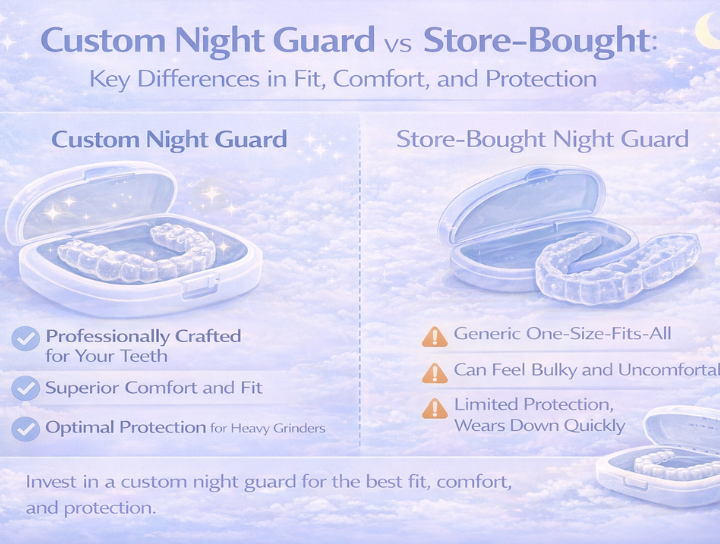
And if you’re choosing between generic mouth guards and custom night guards, custom fit is typically the most comfortable and stable option for consistent night use.
How OKI Guards can help (custom fit, comfort-first)
At OKI Guards, we create comfortable, protective custom night guards made to match your bite so you don’t have to rely on bulky one-size options. If your dentist recommends a guard and your child is an appropriate candidate, a custom-fit option can help protect teeth from ongoing teeth grinding while supporting better rest.
- a more precise fit,
- choices that match grinding intensity (soft night guard, hard night guard, or hybrid night guard),
- and convenient steps using an impression kit.
If your household also uses custom retainers, the same focus on fit and comfort can support your orthodontic results over time.
A simple step-by-step plan for parents
When you’re dealing with bruxism in kids, a calm plan makes everything easier.
- Step 1: Notice the pattern. For a week or two, observe how often it happens and whether mornings feel comfortable.
- Step 2: Support sleep basics. Consistent bedtimes, a wind-down routine, and fewer screens late in the evening can reduce sleep disturbances in children and support deeper rest.
- Step 3: Check in with your dentist if it’s frequent. If you hear your child’s teeth grinding at night most nights for a few weeks, your dentist can quickly evaluate whether protection is helpful.
- Step 4: Choose the next step together. Many children do well with monitoring and routine improvements. If permanent teeth show early wear, a well-fitted night guard can be an efficient next step.
Age and dentition: why timing matters
One of the best things about pediatric dentistry is that it’s proactive. Children’s mouths change quickly, and that gives your dentist many opportunities to guide the timing well.
- Early childhood (primarily baby teeth): grinding can appear during eruption and often settles naturally.
- Mixed dentition (baby + permanent teeth): This is when protection may be considered more often, especially if new adult teeth show early wear.
- Later childhood and teens (mostly permanent teeth): as the bite becomes more stable, protective options can become simpler.
Helpful “check-in” signs to share with your dentist
Most grinding is manageable. If you notice any of these, it’s simply a good reason to share extra details with your dentist or paediatrician:
- Your child regularly wakes with jaw tiredness or head tension,
- tooth sensitivity that keeps showing up,
- clear wear on new adult teeth,
- or ongoing snoring/mouth breathing.
These signs are not “bad news” they’re proper signals that help your care team tailor the best plan.
Night guards for kids: comfort, growth, and realistic expectations
Parents often wonder whether a night guard could change a child’s bite. Since kids are growing, timing and fit matter which is precisely why dentists guide this carefully.
A common approach looks like this:
- If protection is helpful now (wear on adult teeth, frequent morning jaw tiredness), a custom night guard may be recommended.
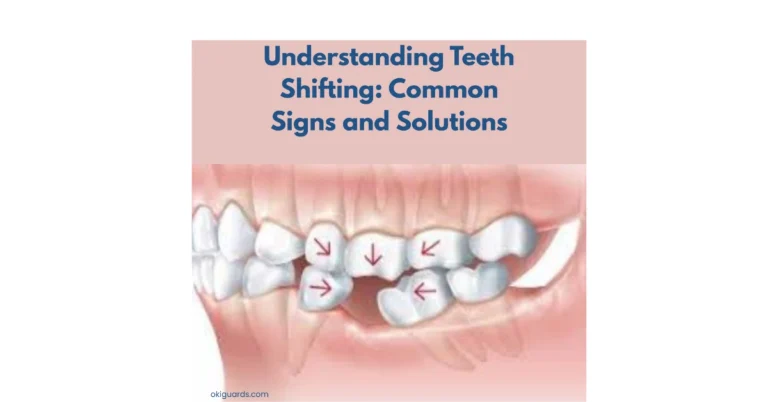
- If teeth are shifting quickly, a “monitor and support sleep” plan may come first.
Even short-term protection can be meaningful. Protecting tooth surfaces early supports a healthier smile long-term.
Why custom fit matters even more for children
With kids, comfort drives consistency. A custom-fit appliance is designed to match the bite so it feels smoother and more natural.
That typically supports:
- easier bedtime wear,
- better stability during sleep,
- and a more even distribution of pressure.
Because kids grow, periodic fit check-ins are simply part of a healthy, supportive plan.
Frequently Asked Questions
How common is teeth grinding in children?
Teeth grinding in children is widely seen, and many families notice it at least once during a growth phase. What matters most is the pattern—how often it happens and whether your child’s teeth and gums stay comfortable.
Will my child outgrow bruxism?
Often, yes. Many children reduce grinding as they get older and their sleep becomes steadier. Supporting sleep and protecting permanent teeth when needed is an innovative, positive approach.
Can a night guard stop bruxism?
A night guard is best thought of as protection. It helps shield tooth surfaces and may support a more relaxed jaw during sleep, while you also work on routines that encourage deeper rest.
Is a mouth guard the same as a night guard?
The terms overlap, but they’re not always identical. Sports mouth guards are made for impact protection, while a night guard is designed for sleep comfort and teeth grinding.
Which is better for kids: soft, rigid, or hybrid?
It depends on grinding intensity and comfort.
- Soft night guard: comfort-first for mild grinding
- Hard night guard: durable for stronger grinding
- Hybrid night guard: a balanced option for comfort plus strength
How does an impression kit work for a custom guard?
An impression kit captures tooth shape so a lab can craft a custom-fit appliance. For children, it’s best used with dental guidance to match the timing of tooth eruption and growth.
My child grinds and also snores—what should I do?
Please share it with your paediatrician. Snoring and mouth breathing can be part of the broader picture of sleep disturbances in children, and improving breathing comfort often supports calmer sleep.
Should I wake my child if they grind?
Most parents find it’s better to let sleep continue and focus on supportive routines. A calmer bedtime pattern and consistent sleep schedule often help more than interrupting sleep.
How do I clean and store a child’s night guard?
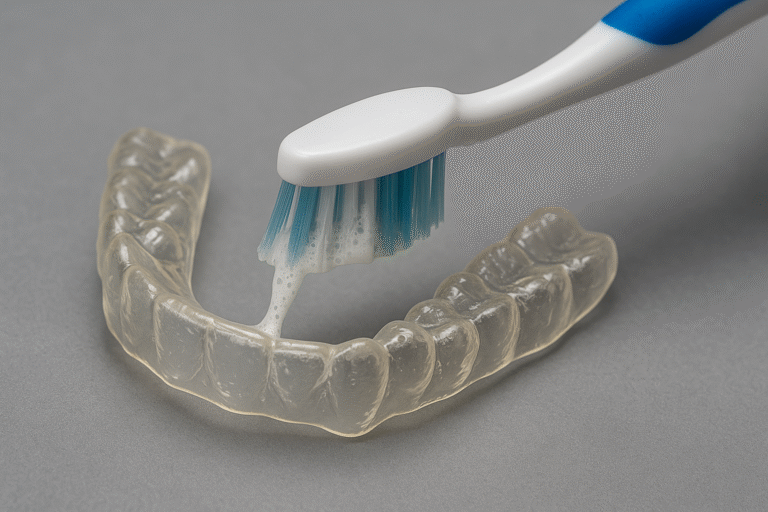
Rinse after use, brush gently with mild soap, let it air dry thoroughly, and store it in a ventilated case. Simple, consistent care keeps it fresh and comfortable.

Final note
Teeth grinding in children can feel like a significant discovery at first, but it’s usually very manageable. Start with sleep-supportive habits, share patterns with your dentist, and protect permanent teeth when your care team recommends it. If your family is exploring custom night guards, OKI Guards offers comfort-first options designed for a precise fit using an impression kit, with choices for soft, complex, and hybrid protection. For many families, that combination brings calmer nights, more confident mornings, and a simple way to support a healthy smile.