Mandibular Advancement Device vs Night Guard: Which Product Matches Your Prescription?

A mandibular advancement device matches a prescription for jaw advancement to manage obstructive sleep apnea. A night guard matches a recommendation to protect teeth from grinding or clenching. The correct purchase depends on the treatment your clinician prescribed, even when both appliances look similar. If your dentist recommends a protective grinding guard, OkiGuards offers Soft, Hybrid, and Hard options made from your dental impressions. Each package contains two custom guards, with construction and thickness choices for different grinding needs. Start by confirming the appliance’s purpose. Then compare fit, material, thickness, package contents, and ongoing care.
OkiGuards Options at a Glance
The following products are intended for grinding protection. Select one after confirming that its design meets your dentist’s recommendation.
| OkiGuards Product | Designed For | Feel and Construction | Thickness | Two-Guard Price | Order |
| Soft Night Guards | Mild grinding | Flexible and cushioned | 2 mm | $149 | Shop Soft → |
| Hybrid Night Guards | Mild to heavy grinding | Soft inner layer with a rigid exterior | 1, 2 or 3 mm | $149 | Shop Hybrid → |
| Hard Night Guards | Heavy to severe grinding | Firm, single-layer construction | 1.5 or 3 mm | $169 | Shop Hard → |
First, Identify What Your Clinician Wants the Appliance to Do
The words “dental appliance” and “night guard” are sometimes used loosely. Your written treatment instructions provide a more useful starting point than the product name alone. Look for the condition being treated, the required appliance design, and any instructions about jaw position.
A Prescription That Calls for Jaw Advancement
A mandibular advancement device, often shortened to MAD, holds the lower jaw forward during sleep. This positioning helps maintain an open airway in appropriately selected patients. If your prescription mentions mandibular advancement, mandibular repositioning, or adjustable advancement, ask your treating team about the exact device required. The treatment usually involves more than receiving an appliance. Fitting, adjustment, monitoring, and confirmation of treatment effectiveness are important parts of the process.
A Recommendation That Calls for Tooth Protection
A grinding guard provides a protective surface between the teeth. Its purpose is to help limit direct tooth-to-tooth contact and grinding-related damage. Your dentist may recommend a flexible, dual-layer, or rigid design. They may also specify which arch it should cover and whether clinical bite adjustment is necessary. This is where an OkiGuards product may fit your purchasing needs, provided its construction matches the recommendation.
A Prescription That Names a Particular Splint
Some prescriptions require a specialized stabilization or repositioning appliance. These designs may involve specific bite contacts and chairside adjustments. A hard guard is not automatically equivalent to every prescribed rigid splint. Ask your dentist to confirm the required design before selecting a product.
Two Appliances, Two Different Jobs
The clearest way to compare a mandibular advancement device vs night guard is to examine what each appliance is designed to accomplish.
| Question | Mandibular Advancement Device | Protective Night Guard |
| What is its main job? | Help manage airway obstruction through jaw advancement | Help protect teeth from grinding and clenching |
| Does it position the jaw forward? | Yes, according to the treatment plan | A conventional grinding guard does not provide prescribed advancement |
| What does it usually cover? | Upper and lower teeth with coordinated components | Usually one selected dental arch |
| What needs adjustment? | Jaw advancement, fit, and treatment response | Fit and, when required, bite contacts |
| How is success assessed? | Clinical review and appropriate sleep testing | Fit, condition, dental wear, and clinician review |
| Which OkiGuards products belong here? | None of the grinding guards listed in this article | Soft, Hybrid, and Hard Night Guards |
A custom fit is valuable, but it does not make the two categories interchangeable. The appliance must perform the function your treatment requires.
What You Are Buying With an OkiGuards Package
For someone who needs grinding protection, the package should make the custom process clear from the beginning.
OkiGuards’ standard night guard orders include:
- Two custom-made guards.
- Impression trays and putty.
- Instructions for taking impressions.
- Access to an impression video.
- A prepaid impression return mailer.
- Laboratory fabrication.
- Free standard shipping within the continental United States.
The second guard provides a spare. Its usefulness still depends on continued fit, appropriate care, and whether your teeth have changed since the impressions were taken. You can review the OkiGuards ordering process before choosing a product.
Find Your Starting Point Within the OkiGuards Range
A useful buying decision connects your dentist’s advice with a particular product and thickness.
For Mild Grinding and a Cushioned Feel
The OkiGuards Soft Night Guard offers a flexible 2 mm construction. It is the relevant option to discuss when your grinding is mild and your dentist approves a soft protective appliance. Buyers who prefer cushioning may find this construction appealing. Before purchasing, confirm that flexibility suits your grinding pattern. Comfort preferences matter, but they should be considered alongside wear and protection needs.
For a Soft Interior and Firmer Outer Surface
The OkiGuards Hybrid Night Guard combines two layers and comes in 1, 2, and 3 mm thicknesses. This gives buyers more room to compare a lower-profile feel with additional material. The appropriate thickness depends on your grinding level and your dentist’s guidance. A thicker option does not provide prescribed jaw advancement. Thickness changes the protective appliance’s profile; it does not change its treatment category.
For Heavy Grinding and Rigid Construction
The OkiGuards Hard Night Guard is positioned for heavy to severe grinding and comes in 1.5 and 3 mm options. It is worth discussing if your dentist recommends a firm protective guard or you have worn through softer appliances. If your prescription specifies a particular bite arrangement, confirm whether the product and available adjustment process meet that requirement.
Bring These Details to Your Product Selection
Before choosing placement or thickness, gather the information that affects the fit and suitability of your appliance.
| Detail to Confirm | Why It Matters |
| Treatment goal | Establishes whether you need grinding protection or an airway appliance |
| Upper or lower placement | Determines which arch the guard should cover |
| Material preference or requirement | Helps narrow the choice to Soft, Hybrid, or Hard |
| Required thickness | Connects the order with your clinician’s instructions |
| Crowns, bridges, or implants | May affect impression and fit considerations |
| Recent or planned dental treatment | Can change whether current impressions remain suitable |
| Bite adjustment requirements | Clarifies whether an in-person appointment is needed |
| Existing sleep apnea treatment | Helps coordinate appliance use safely |
If the prescription is unclear, ask the prescribing clinician to clarify it before checkout. A short clarification can prevent buying an appliance that does not match the treatment.
When Sleep Apnea and Teeth Grinding Overlap
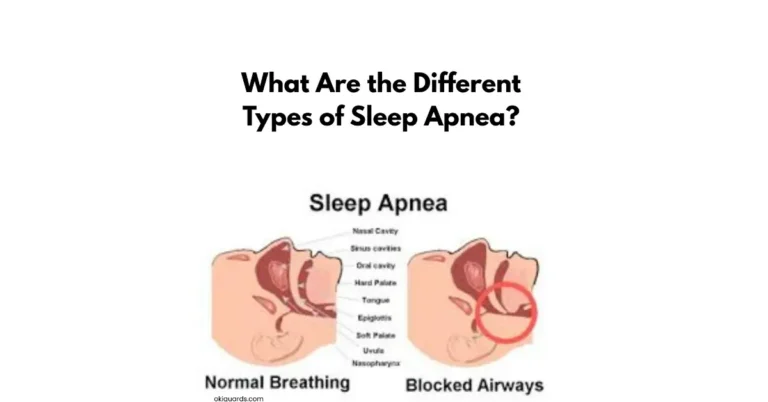
Sleep apnea and teeth grinding can occur in the same person. In that situation, dental protection and breathing treatment need to be coordinated. Tooth wear does not establish a sleep apnea diagnosis. Likewise, a comfortable guard does not show that breathing interruptions are controlled.
Already Using CPAP?
Tell your dentist about the treatment and ask whether a grinding guard is appropriate for your mouth and care plan. Continue prescribed breathing treatment while obtaining advice. A protective guard does not take over CPAP’s function.
Already Wearing a Mandibular Advancement Device?
Ask the prescribing dentist how the device accommodates grinding and how wear should be monitored. Do not place a separate night guard over or under it unless your treating team has specifically approved that arrangement. Additional appliances can interfere with seating and jaw positioning.
Still Being Assessed?
If you have suspected sleep apnea, discuss the planned appliance with the clinician handling that assessment. Loud snoring, witnessed breathing pauses, gasping during sleep, or marked daytime sleepiness deserve medical attention. Choosing a grinding guard should not delay that evaluation.
Understanding the Custom Night Guard Cost
OkiGuards’ listed prices provide a straightforward starting point:
| Package | Purchase Price | Allocated Price per Guard |
| Two Soft Night Guards | $149 | $74.50 |
| Two Hybrid Night Guards | $149 | $74.50 |
| Two Hard Night Guards | $169 | $84.50 |
The per-guard figures are mathematical allocations. The order is for the complete package. Consider the construction first, then the price difference. Hard costs $20 more per package than Soft or Hybrid, but the appropriate choice depends on the appliance your teeth and treatment require.
Compare Complete Treatment Costs
A MAD quote may include examinations, records, fitting, adjustment visits, and follow-up. A grinding guard package may include fabrication and shipping while leaving clinical assessment or adjustment separate.
Ask what is included before comparing totals. Useful questions include:
- Are scans or impressions included?
- Who checks the fit?
- Are adjustment appointments charged separately?
- What happens if dental treatment changes the fit?
- Which repairs or remakes qualify for support?
- Are follow-up tests or examinations additional?
A lower purchase price is useful only when the product matches the prescribed purpose.
Comfort, Fit, and Night Guard Side Effects
An appliance should sit as intended and be reviewed when it causes problems. Neither a soft feel nor a custom label guarantees that every appliance suits every mouth.
What to Watch for With a Grinding Guard
Contact your dentist or provider if you notice:
- Persistent tooth pressure.
- Gum irritation or sharp contact points.
- Difficulty seating or removing the appliance.
- New or worsening jaw pain.
- A bite that feels different after removal.
- Cracks, holes, or significant changes in shape.
Avoid forcing the guard into place. Do not heat, trim, or reshape it unless the provider specifically instructs you to do so. If an appliance causes pain, stop using it and seek advice rather than assuming discomfort must be endured.
What Requires Follow-Up With a MAD
Mandibular advancement therapy can involve tooth tenderness, jaw discomfort, extra saliva, dry mouth, and changes in bite contacts.Longer-term tooth movement can also occur. Regular dental review helps identify changes and guide management. Adjustment belongs within the treatment plan. Moving the jaw farther forward yourself is not a reliable way to improve the result.
Keep the Fit Useful After Delivery
Ownership continues after the package arrives. Consistent care and attention to fit help you recognize when support is needed.
For an OkiGuards grinding guard:
- Follow the supplied cleaning directions.
- Use the recommended gentle cleaning approach.
- Let the appliance dry before storage.
- Keep it in a suitable ventilated case.
- Protect it from heat and pets.
- Inspect it regularly for wear and damage.
- Have fit changes reviewed.
Tell your dentist if you receive a new crown, filling, bridge, or orthodontic treatment. Changes to dental shape can affect both the guard in use and a stored spare. The OkiGuards replacement and refund terms explain eligible support and exclusions. Routine grinding wear is not the same as a manufacturing defect.
Frequently Asked Questions
Can an OkiGuards night guard replace a prescribed MAD?
No. The Soft, Hybrid, and Hard products discussed here are protective grinding guards. They do not provide the prescribed jaw advancement of a MAD.
Does “prescription night guard” always mean a hard appliance?
No. The term alone does not identify the construction. Your dentist may recommend a soft, dual-layer, rigid, or specialized appliance. Follow the actual design requirements.
Which OkiGuards option should I choose for strong grinding?
OkiGuards positions Hard for heavy to severe grinding. Confirm the thickness and whether your prescription requires a particular bite design or clinical adjustment.
Can the two included guards be worn together?
The package offers placement choices, including upper and lower appliances. OkiGuards advises wearing one grinding guard arch at a time. A MAD’s coordinated upper and lower components serve a different purpose.
Will a night guard stop teeth grinding?
Its primary purpose is protection. It may help with some associated muscle activity, but it does not guarantee that grinding will stop or resolve its underlying causes.
Is a retainer another option for grinding protection?
Retainers maintain tooth position after orthodontic treatment. Choose a grinding guard when that is the prescribed purpose, rather than substituting an alignment retainer.

Final note
Choose a mandibular advancement device for prescribed sleep apnea treatment and a night guard for grinding protection. Confirm the required design, fit, and thickness with your clinician before ordering. OkiGuards offers Soft, Hybrid, and Hard Night Guards, with two custom guards in each package. Explore OkiGuards Night Guards to find the option that matches your dentist’s recommendation.