Can I Wear a Night Guard if I Have Missing Teeth or Dentures?
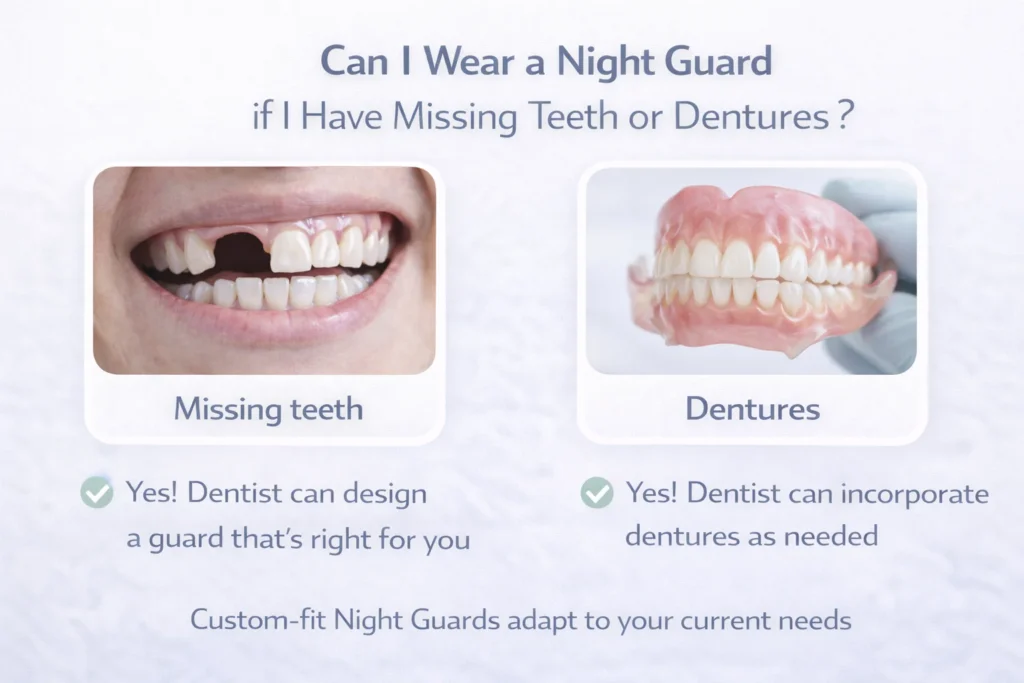
If you have Missing Teeth or you wear dentures, it’s completely normal to wonder whether a Night Guard is still an option for you. Many people assume a night guard for teeth only works for a “full set” of natural teeth. Still, in reality, several comfortable solutions depend on what you’re wearing at night and how your bite comes together. The best approach is always individualized, because missing teeth, partial dentures, complete dentures, implants, bridges, and natural teeth all create different bite patterns.
The most reassuring news is that many people with Missing Teeth or dentures can still benefit from a protective appliance at night. The key is choosing the correct type and fit, and following a simple routine for night guard maintenance so everything stays clean, comfortable, and stable. In this guide, you’ll learn when you can wear a Night Guard, when you should use an alternative type of appliance, and how to decide what’s best for your mouth. You’ll also see how the right solution can support long-term comfort and the night guard benefits people care about most: protecting teeth, supporting the jaw, and helping you wake up feeling better.
Why Missing Teeth and Dentures Change Night Guard Options
A Night Guard works by creating a stable, protective cushion between the top and bottom teeth.Some areas may carry more pressure, and other areas may not touch at all. Dentures also change the picture because they are removable appliances that sit on the gums. They can provide function and appearance during the day, but at night, the mouth behaves differently. Some people remove dentures to let the gum tissues rest, while others keep dentures in for comfort or stability. Your “nighttimenighttime setup” affects which type of protection makes sense. This is why the best answer to “Can I wear a night guard for teeth if I have Missing Teeth or dentures?” is usually “Yes, with the right design.” It’s less about whether a Night Guard is possible and more about selecting the option that supports comfort and stability.
Can You Wear a Night Guard With Missing Teeth?
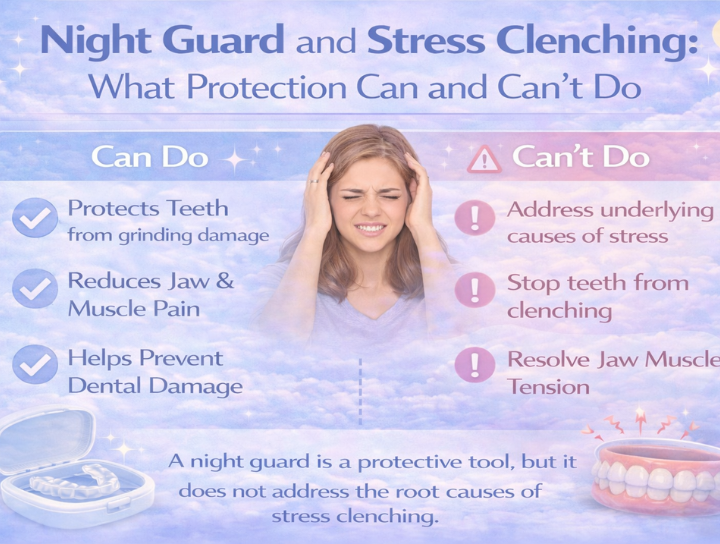
In many cases, yes. People with a few Missing Teeth often wear a Night Guard successfully, especially if they still have enough natural teeth for a secure fit. A properly fitted guard can help protect remaining teeth from grinding pressure and reduce wear on enamel and dental work. It can also support jaw comfort, which is one of the most appreciated night guard benefits. However, the number and location of Missing Teeth matter. If the missing teeth are clustered on one side, or if there are gaps that reduce stability, the guard may need a specialized design so it doesn’t flex, shift, or feel unbalanced. The goal is to create a stable “platform”, so your jaw doesn’t have to search for a comfortable position while you sleep.
If you have Missing Teeth plus crowns, bridges, or implants, the guard type should be chosen carefully to protect those restorations. Many people can still use a Night Guard, but it needs to be designed with your bite and dental work in mind. For your site’s internal linking, this section naturally supports anchors like custom night guard for teeth, best night guard for teeth grinding, and bruxism causes and solutions, because readers with Missing Teeth often want reassurance and personalized guidance.
Can You Wear a Night Guard With Partial Dentures?
Yes, many people with partial dentures can wear a nighttime protective appliance, but it depends on whether you sleep with your partial in or out. Some people keep partial dentures in at night for stability, while others remove them to let gum tissue rest. Both approaches can be supported; the key is matching the appliance to your routine. If you sleep with your partial denture in, a Night Guard may be designed to protect your natural teeth and reduce stress on the partial framework. If you remove your partial at night, you may need a different type of guard or a protective device that supports the remaining teeth without relying on the missing-tooth areas for stability. This is where a professionally planned option feels best. The more customized the fit, the more comfortable the experience, and the easier it is to maintain long-term. Comfort matters because consistent wear is what delivers the best night guard benefits.
Can You Wear a Night Guard With Full Dentures?
With complete dentures, the answer changes, and it’s essential to be very clear and reassuring. Complete dentures replace all teeth in one or both arches. Because they sit on gum tissue rather than being anchored like natural teeth, a traditional Night Guard usually isn’t the first choice. That doesn’t mean you’re out of options. It means you may benefit more from a different type of nighttime appliance. Many dentists recommend removing complete dentures at night to allow the gums to rest and to maintain oral comfort. If you remove dentures at night, wearing a typical Night Guard is usually not appropriate, because there are no natural teeth to hold it in place. In this situation, if you still grind or clench and want support, a dentist may recommend a specialized appliance that works with your denture routine.
If you do sleep with dentures in, the dentist may recommend a protective appliance explicitly designed for denture wearers, depending on your bite and comfort. In some cases, adjusting the denture fit, improving bite balance, or using a denture-friendly guard option can support comfort. The most positive takeaway here is that having dentures doesn’t “cancel” protection. It simply changes what kind of protection is most comfortable and stable for you.
What If You Have Dentures on Top and Natural Teeth on Bottom?
This mixed setup is more common than many people realize. For example, some people have a complete upper denture and natural teeth on the bottom, or a partial denture on one arch and natural teeth on the other. In these cases, a Night Guard can be invaluable because the natural teeth can still experience pressure from clenching or grinding. The best approach is usually a custom-fit solution that protects the natural teeth while also respecting the denture’s shape and stability. This often improves comfort, supports bite balance, and helps you enjoy the night guard benefits without feeling like the appliance is fighting your denture.
Signs You May Benefit From a Nighttime Protective Appliance
People with Missing Teeth or dentures often notice signs that they would benefit from nighttime support. These signs can include waking up with jaw tightness, morning facial fatigue, tooth tenderness on remaining teeth, or noticing wear on dental work. Some people also feel that their bite is “working hard” at night, even if they don’t notice obvious grinding sounds. In these situations, the right appliance can support comfort and protect the teeth you still have. The focus is always on stable fit and gentle protection. For internal linking on your site, strong anchors here include night guard benefits, night guard for teeth, and how to stop teeth grinding at night, because readers looking at missing teeth solutions often also want education on bruxism.
How to Choose the Right Option If You Have Missing Teeth or Dentures
The simplest way to think about it is stability. A Night Guard works best when it fits securely and distributes bite pressure evenly. If you have enough natural teeth for the guard to “hold,” a Night Guard may work very well. If you have fewer teeth or your bite is highly uneven, then a more specialized design may be better. Fit is also about comfort. That’s why customized options are usually the most comfortable for Missing Teeth or denture wearers. A well-made appliance should feel stable, smooth, and easy to place. From a content perspective, this is a good place to internally link to your educational guides with phrases like night guard types explained, soft vs hard night guard, and custom night guard for teeth grinding.
Night Guard Maintenance When You Have Dentures or Missing Teeth
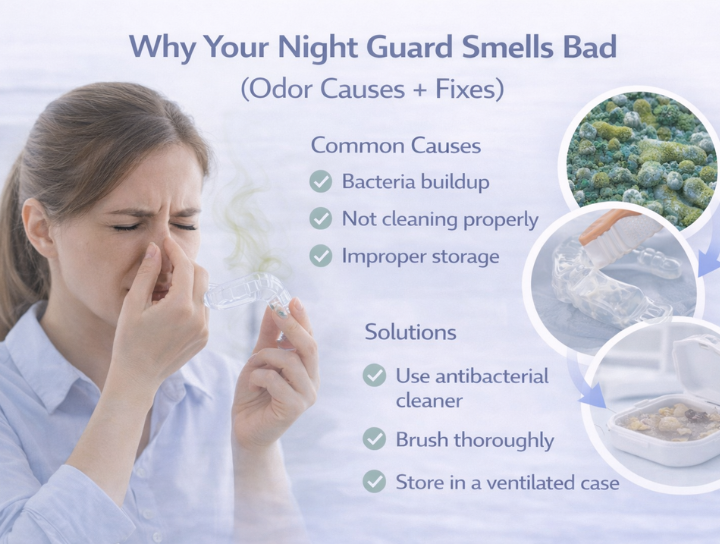
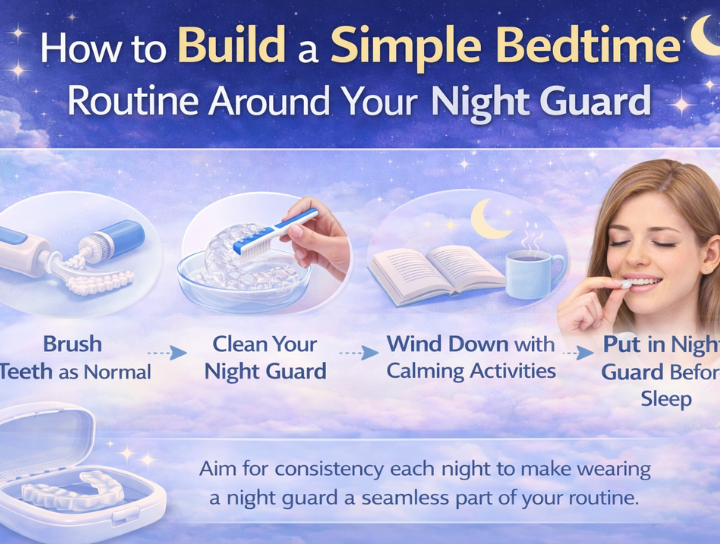
Cleaning and routine care are extra important when you wear dentures or have Missing Teeth, because you’re often caring for multiple oral surfaces: the guard, the denture (if worn), and the gums or remaining teeth. Daily rinsing and gentle cleaning keep the guard fresh and comfortable. Complete drying before storage is also essential because moisture trapped in a case can make any oral appliance feel less fresh over time. If you wear dentures, keeping dentures clean and following your dentist’s recommended routine will also support overall comfort. Consistent night guard maintenance supports a better experience and helps the appliance last longer. For internal linking, you can add anchor phrases like night guard maintenance guide, how to clean your night guard, and how to store a night guard properly.
Frequently Asked Questions
Can I wear a Night Guard with Missing Teeth?
Yes, many people with Missing Teeth can wear a Night Guard, especially if enough natural teeth remain to hold the guard securely. The best results usually come from a stable fit that distributes pressure evenly, so a custom option is often preferred.
Can I wear a Night Guard with dentures?
With dentures, the best option depends on whether you sleep with dentures in or out. Traditional guards are usually designed for natural teeth, but denture wearers can still use nighttime protection through denture-friendly or dentist-recommended options.
Should I sleep with dentures in or out?
Many people remove dentures at night for gum comfort, but individual guidance can vary. If you’re unsure, your dentist can recommend the routine that supports comfort and oral health for your specific situation.
What night guard benefits matter most if I have Missing Teeth?
The most enormous night guard benefits in this situation are protecting remaining teeth, supporting jaw comfort, and helping keep bite pressure more balanced at night. The right appliance can also support dental work by reducing pressure on restorations.
How do I care for a night guard if I also wear dentures?
Daily gentle cleaning, thorough rinsing, full air-drying, and clean storage support freshness and comfort. Consistent night guard maintenance is the key to a pleasant nightly experience.
Is a night guard for teeth still helpful if I only have a few natural teeth left?
It can be, especially if those teeth are experiencing clenching pressure at night. In cases with very few teeth, a dentist may recommend a more specialized appliance for stability and comfort.

Final note
If you have Missing Teeth or dentures, you may still be able to wear a Night Guard, and many people do very successfully. The most crucial factor is choosing a stable, comfortable design that matches how your mouth and dentures function at night. With the right fit and consistent night guard maintenance, you can enjoy the most valuable night guard benefits: protecting remaining teeth, supporting jaw comfort, and waking up with more ease.