Night Guard Fit Problems: Easy Fixes for Better Comfort
A Night Guard should feel like support—not like something you have to “fight” to wear. If your guard feels a little snug, a bit loose, or simply different from what you expected, you’re in excellent company. Night Guard Fit Problems are common, especially in the first few nights, and the most encouraging truth is that most Fit Problems improve quickly once you know what to check.
This guide is written to make you feel confident and comfortable. You’ll learn why fit changes, how to make your Night Guard feel better at home in a safe way, when it helps to get a quick professional tweak, and how the right fit makes it much easier to enjoy the long-term night guard benefits including consistent protection for your teeth and calmer mornings. You’ll also see why simple night guard maintenance plays a significant role in comfort, because a clean, smooth guard tends to feel lighter and sit more naturally.
Why a great fit makes everything easier
A night guard for teeth works best when it sits securely and feels easy to wear. Fit isn’t about chasing perfection; it’s about creating a calm, stable feel that lets you fall asleep without thinking about the guard. When fit is comfortable, consistency becomes effortless. And consistency is where night guard benefits become real. With regular wear, a Night Guard helps reduce tooth-on-tooth friction, supports enamel protection, and gives your bite a more stable overnight surface. So if your guard doesn’t feel perfect yet, treat that as a normal “setup phase.” Minor comfort upgrades usually make a big difference.
What Night Guard Fit Problems often feel like
Fit feedback usually comes in a few familiar forms, and noticing these patterns is helpful because it shows the easiest ways to make your guard more comfortable. Sometimes it feels snug, giving a secure, reassuring fit. Other times it may feel a bit mobile, gently reminding you where a small adjustment can help. Occasionally it feels “bigger” than expected, giving your tongue a chance to adapt over a couple of nights, or one small area might stand out, highlighting where a minor tweak can make a difference. Even when it feels great at first and slightly different later, these signals are completely normal—they’re not setbacks, but helpful cues that your guard is guiding you toward the most comfortable and protective fit.
Why fit can change
Your bite can naturally shift a little
Teeth and jaw muscles are dynamic. Even without orthodontics, tiny changes happen over time. Dental work, mild tooth movement, and muscle tension can subtly change how your teeth meet. That can make a guard feel different from week to week. The good news is that most of the time, a quick check and a clean, fully seated fit restores comfort.
A thin surface film can change the “feel.”
A Night Guard lives in a moist environment for hours. Over time, a thin mineral film may form, which provides a helpful reminder to clean and dry the guard thoroughly to keep it fresh and comfortable. That film can give the guard a slightly different feel, gently reminding you to refresh it so it stays smooth, comfortable, and easy to wear. This is where night guard maintenance becomes a comfort tool. When your guard is clean, smooth, and dry, it usually seats more predictably.
The style and thickness may not match your preference.
Some guards are softer and cushier, some are firmer and slimmer-feeling, and some are hybrid. Thickness also matters. A thicker guard can feel more protective for intense clenching, while a thinner style can feel lighter. There isn’t one “best” feel there’s only what feels best to you. If a guard feels bigger than you’d like, it often means your mouth would prefer a different style or thickness, not that you can’t wear a Night Guard.
Comfort-first checks you can do at home.
These steps are safe, gentle, and designed to improve comfort without forcing anything.
Step 1: Confirm it’s fully seated
Before bed, place your Night Guard on your teeth and press gently and evenly with your fingers. The goal is a secure seat, not pressure. If you have a custom night guard for teeth, it should settle into place smoothly. A simple tip: seat it with your fingers first, then relax your jaw. This helps your bite land naturally.
Step 2: Rinse with cool water right before wearing
A quick rinse can make the surface feel fresh and smooth. If the guard is stored dry and clean, this tiny step often improves comfort immediately.
Step 3: Try a short “comfort adaptation” routine
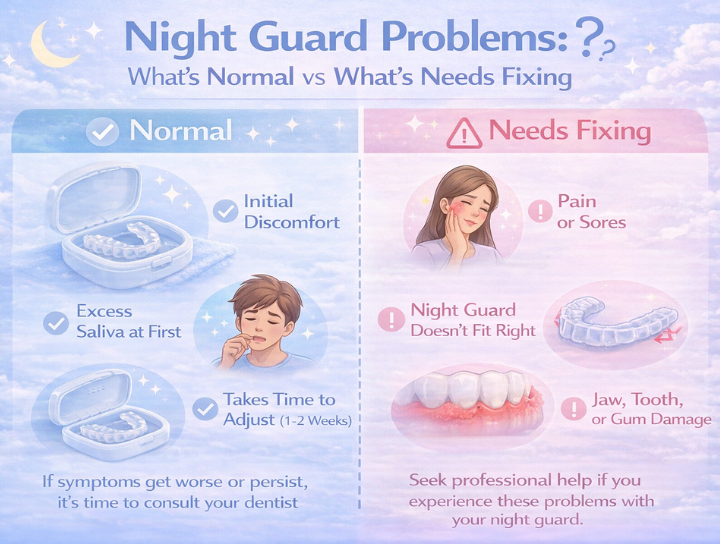
If your guard is new, your tongue and jaw may need a few nights to get used to it. A gentle approach is to wear the guard for 30–60 minutes before sleep for the first few nights while you’re watching TV or reading. This gives your mouth time to adjust in a relaxed way. Many people notice that what felt noticeable on night one feels completely normal by night four or five.
Step 4: Look for one specific “high spot” feeling
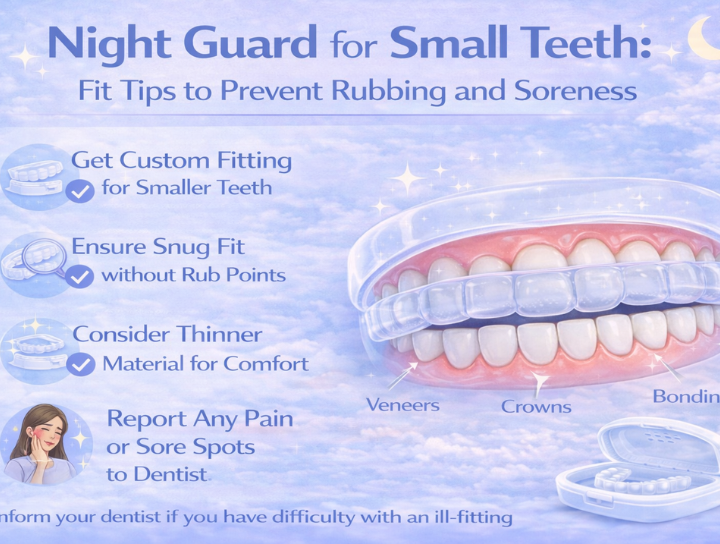
If the guard feels great overall but one area feels more noticeable, that’s helpful information. Often, a tiny smoothing adjustment by a dental professional can make a dramatic comfort difference. This isn’t a big procedure it’s usually a quick refinement.
Step 5: Refresh your night guard maintenance routine
If your guard feels coated, slightly slippery, or less smooth, do a thorough clean and full dry. Rinse with cool water, gently brush with a soft toothbrush and mild soap, rinse again, then let it air-dry fully before storing in a ventilated case. A clean guard often feels more comfortable because it sits more naturally against gums and cheeks.
The best approach for a snug fit (when it feels “tight”)
A snug fit can be regular, especially with a new guard. Custom guards are often designed to fit closely so they stay stable. If it feels snug but not painful, try the comfort adaptation routine for a few nights and make sure the guard is fully seated with your fingers. If it feels excessively tight or your teeth feel pressured, the most positive next step is to have the fit evaluated. A slight adjustment can make the guard feel perfect while preserving stability.
The best approach for a loose fit (when it moves around)
If your Night Guard shifts, there are a few common, fixable reasons. Sometimes it isn’t fully seated. Seating with fingers often helps. Sometimes a film on the inside surface makes it feel less secure. A deeper clean and complete dry can improve grip. Sometimes the guard is worn, or your teeth have shifted slightly. In that case, a refit or replacement can feel like a major comfort upgrade. The key is encouraging: a stable fit is achievable, and once you feel it, wearing becomes much easier.
When to get extra support for the best comfort
Some fit situations are best solved with quick guidance so you protect your comfort and your bite. If the guard makes your bite feel uneven, if your jaw feels more tired than usual, or if the fit feels dramatically different from before, it’s a great time to reach out for help. Often the solution is simple: a quick check, a minor smoothing adjustment, or a recommendation for a different style. This is not a sign that something went wrong. It’s simply the fastest route to a guard that feels effortless.
When a fresh guard can be the most positive upgrade
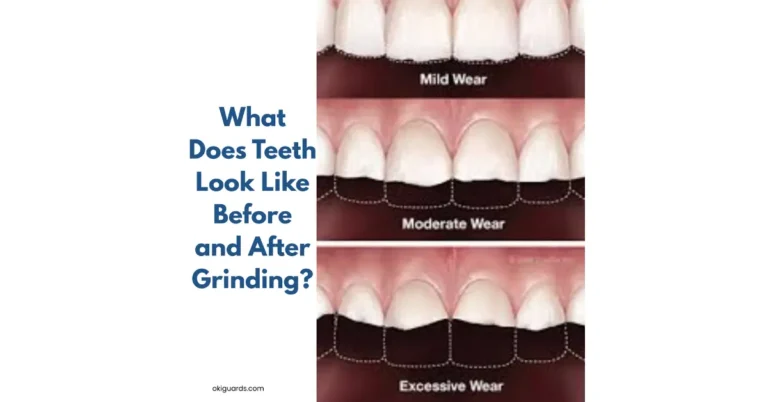
Night guards work hard. If you grind or clench firmly, your guard may show wear over time. That’s normal. A replacement can be a very positive step when the guard no longer seats securely, shows cracks, feels warped, or has deep wear marks. A fresh guard often feels smoother, fits better, and restores that “easy comfort” feeling.
Night guard benefits you’ll feel when fit improves.
When fit becomes comfortable, most people notice the whole experience gets simpler. A well-fitting Night Guard often feels stable, easier to fall asleep with, and easier to wear consistently. And with consistent wear, night guard benefits become easier to notice over time. Many people feel calmer mornings, less pressure on teeth, and stronger protection for dental work. Even minor comfort improvements can unlock those benefits because they make nightly use feel natural.
How to keep your fit stable with night guard maintenance
Frequently Asked Questions
Why do I notice Night Guard Fit Problems at the beginning?
It’s very normal. Your tongue, cheeks, and jaw are adapting to something new. Most people find comfort improves quickly within the first week, especially with gentle seating and a short adaptation routine.
What should a Night Guard feel like when it fits well?
A good fit feels stable and supportive without painful pressure. It should sit securely and feel easy to wear as you relax into sleep.
Can night guard maintenance improve comfort?
Yes. A clean, smooth surface often feels lighter and seats more predictably. Consistent night guard maintenance also helps the guard last longer and stay fresher.
If my guard feels bulky, does that mean it’s wrong?
Not necessarily. Some people prefer a slimmer style or a different thickness. If bulkiness doesn’t improve after a short adaptation period, switching styles can make comfort dramatically better.
What are the most significant night guard benefits?
Night guard benefits commonly include enamel protection, reduced tooth-on-tooth wear, and more comfortable mornings for many clenchers and grinders—especially when the guard fits well and is worn consistently.

Final note
Night Guard Fit Problems are common, and they’re usually easy to improve. With comfort-first seating, a short adaptation period, and consistent night guard maintenance, most guards become much easier to wear. When your Night Guard fits well, you’re more likely to wear it consistently—and that’s when the long-term night guard benefits become simple, steady, and rewarding. Protecting your smile can feel calm and effortless, night after night.