Why Is My Night Guard Turning Yellow?
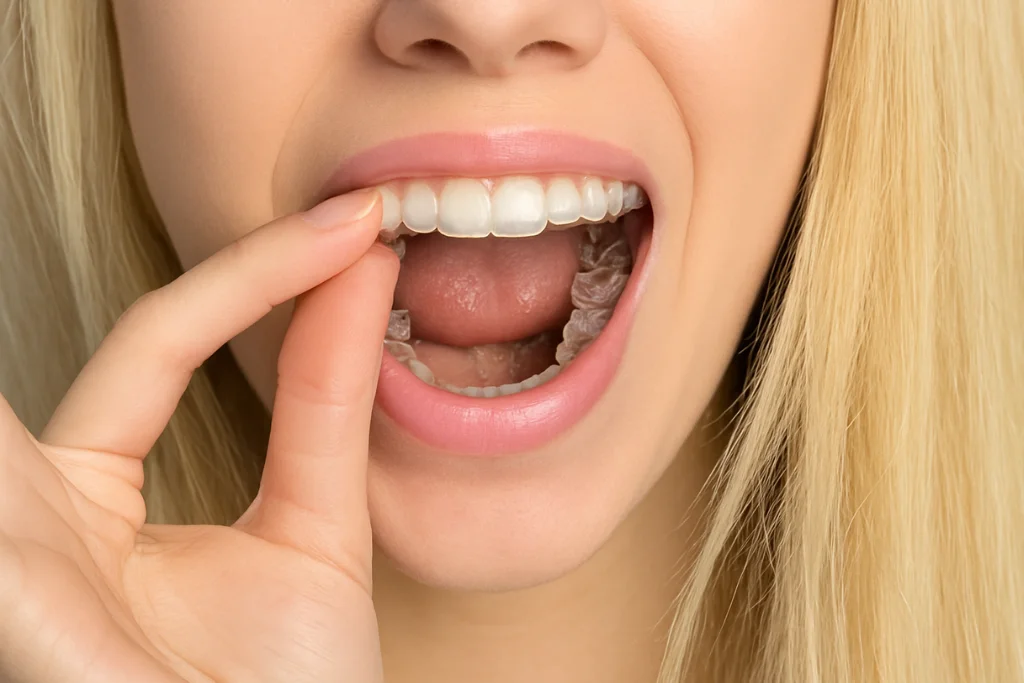
Seeing your guard look a little more yellow than you remember can feel surprising at first—even if you’ve been rinsing it and storing it the “usual” way—but it’s a very normal part of regular use. The good news is that Night Guard Turning Yellow is ubiquitous, and in most cases, it’s simply a sign that your guard is being used regularly and doing what it was made to do: protecting your teeth. A Night Guard sits in a warm, moist environment for hours, night after night. It meets saliva and natural minerals, and it can also pick up tiny traces of everyday habits like coffee, tea, and certain foods—so a slight color change is simply part of real-life use. Over time, that combination can gently change the way the surface looks, and a few easy care upgrades usually bring it back toward a fresher look. The best part is that yellowing is often preventable, and it’s frequently reversible with a few easy improvements in your night guard maintenance routine.
In this guide, you’ll learn why discoloration happens, what it means (and what it doesn’t), how to clean and store your guard safely, and how to keep your night guard for teeth feeling fresh and comfortable long-term. You’ll also see how a well-cared-for bruxism night guard supports real, day-to-day night guard benefits—because a clean guard is easier to wear consistently.
What your Night Guard is doing every night
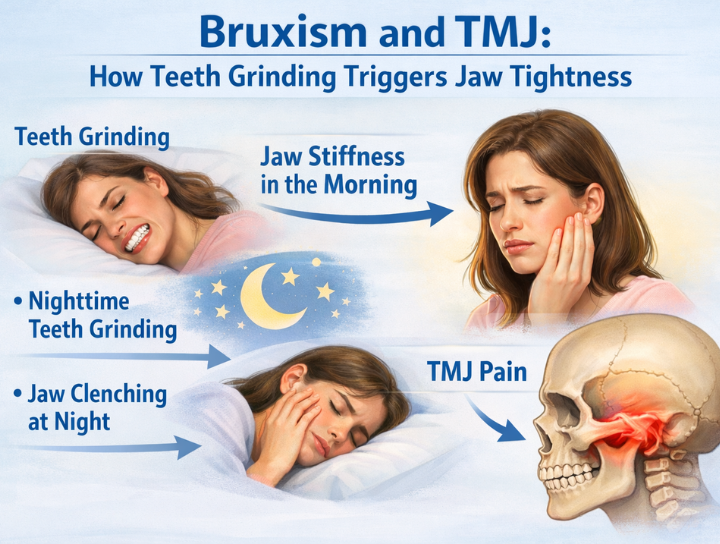
Before we get into stains and color changes, it helps to appreciate the “job” your guard is performing. A Night Guard creates a protective barrier between your upper and lower teeth. That barrier helps reduce direct tooth-on-tooth contact while you sleep. If you clench or grind, the guard becomes a buffer that absorbs friction and spreads pressure more evenly across the bite.
For many people, that protection is the difference between gradual enamel wear and a calmer, more supported morning. That’s why a bruxism night guard can feel like a quiet kind of relief: you’re protecting enamel, supporting dental work, and giving jaw muscles a more stable bite surface. Because the guard is taking on nightly force and sitting in saliva for hours, it’s normal to see some changes over time. Think of it like a protective tool that needs simple care—similar to how your toothbrush or retainer needs routine cleaning. When you treat it like a small daily habit, clarity and comfort usually improve quickly.
Why your Night Guard is turning yellow
Yellowing is usually caused by a gentle buildup process. It’s rarely one dramatic event. It’s more like a slow layering of thin films that collect on the surface when the guard is used, stored, and reused. Here are the most common reasons Night Guard Turning Yellow happens—shared in a simple, comfort-first way so you can fix it quickly.
Saliva minerals create a film
Saliva contains natural minerals. When a guard stays moist after you take it out, those minerals can dry on the surface and form a faint layer. Over time, that layer may show some color changes, providing helpful cues to guide cleaning and care.
Plaque and biofilm
Your mouth naturally contains bacteria and plaque-forming biofilm. Even if you brush well, biofilm can cling to surfaces. If a Night Guard is rinsed quickly, a very thin layer may remain, giving a helpful reminder to keep it extra clean for comfort and care. That layer can capture minerals and surface marks, providing helpful clues to guide cleaning and keep the appliance looking its best.
Storing the guard while it’s still wet
This is one of the biggest causes, and it’s also one of the easiest fixes. When a wet guard goes into a closed case, it sits in warm humidity. Humidity may bring subtle changes over time, providing helpful cues to refresh and care for the guard for continued comfort. If your case has limited airflow, the moisture takes longer to evaporate, and the buildup has more time to settle.
Coffee, tea, spice, and everyday staining
Just like teeth, guards can pick up stains from pigmented foods and drinks. Coffee and tea are ubiquitous. Curry, turmeric, berries, and colored sauces can also contribute. Smoking or vaping may influence staining, highlighting the benefits of extra care to keep your teeth and guard looking their best. The bright side is that you don’t need to give up your favorite drink to keep your guard looking better—you need a slightly more vigorous, more consistent cleaning routine.
Using abrasive toothpaste or harsh cleaning methods
A lot of people try toothpaste because it feels familiar. Many toothpastes have a gentle abrasiveness, which can help provide effective cleaning when used thoughtfully. Abrasive cleaning can leave tiny marks, which can help highlight areas to focus on for extra care and keep surfaces looking their best.Hot water may subtly change some materials, providing helpful cues to care for the surface and maintain its appearance over time.
Natural material aging
Even with excellent care, some guards slowly shift color as they age. This can happen because plastics and laminates change slightly with repeated exposure to moisture, temperature, and nightly forces. This is normal. What matters most is fit, comfort, and smoothness. When you put these together, yellowing usually becomes very easy to understand: it’s often a mix of moisture + film + time. The beauty of that explanation is that it’s also very fixable.
Is a yellow tint on a Night Guard a problem?
In many cases, a yellow tint is primarily cosmetic, and your guard can still be doing an excellent job. If your guard still fits well, feels smooth, and smells fresh or neutral, it’s usually safe to keep using especially once you refresh your cleaning routine. A more helpful way to think about it is this: yellowing is information. It tells you your guard is staying moist too long, collecting mineral film, or picking up stains from daily life. None of that reflects anything you’re doing “wrong.” It’s simply what happens when a protective device lives in a warm environment.
If your guard ever feels less fresh, rough, or shows minor changes, it’s a helpful reminder to refresh your routine or consider a replacement for continued comfort and care. But for typical yellowing, a few small habits often make a big difference.
Night guard maintenance that keeps your guard clear and fresh
Excellent night guard maintenance is less about special products and more about consistency. When you clean gently and dry thoroughly, you reduce the two things that cause most discoloration: film buildup and trapped moisture. Here’s a routine that works well for most people, written in a simple “do this, then that” flow.
When you take your Night Guard out in the morning, rinse it right away with cool or lukewarm water. This removes saliva before it dries. After rinsing, gently brush the guard with a soft toothbrush using mild, non-abrasive soap. The goal is to remove the invisible film that rinsing alone may miss. You don’t need to scrub hard. Gentle, thorough brushing is more effective than aggressive scrubbing. Rinse again until the soap is entirely removed. Then give your guard the step that prevents most yellowing: let it dry completely. You can pat it dry with a clean towel and then allow it to air-dry in a clean spot. Once it’s scorched, store it in a case that has ventilation.
Finally, clean the case regularly.If the case retains some moisture or residue, it offers a helpful cue to refresh it, keeping the guard feeling clean and comfortable. Wash the case with mild soap, rinse it, and let it dry thoroughly as well. This routine is simple, and it pays off quickly. Many people notice that their guard looks clearer, smells fresher, and feels more comfortable when these steps become automatic.
Why drying is the “secret” step
If you do nothing else, drying more completely is the highest-impact change. A wet guard stored in a closed case stays humid. Humidity makes mineral film stick more easily. It also makes it easier for surface film to linger. When you allow complete drying, you interrupt that cycle. If your case doesn’t have ventilation holes, consider using a ventilated case. If you travel often, you can still use the same principle: rinse, brush gently, and then allow drying time before closing the case. Drying isn’t about perfection. It’s about giving your guard a fresh start each day.
How to remove yellow stains safely
If your guard is already yellow, it’s often possible to improve it without doing anything harsh. Start with the basics: rinse, gentle brushing with mild soap, and complete drying. If discoloration remains, a short soak can help. Many people get good results with non-abrasive retainers or denture cleaning tablets designed for oral appliances. Use them according to the instructions, keep soaking times reasonable, and rinse thoroughly afterward. After soaking, brush gently again, rinse, and dry thoroughly.
If you’re using a custom night guard for teeth, it’s always wise to follow the care instructions that came with it, because materials vary. Some custom guards are layered (like hybrid designs), and gentle care protects the smooth finish. Skip bleach, alcohol, or strong household disinfectants unless your dental provider recommends them explicitly for your guard material.These strong chemicals may subtly change the surface, offering helpful cues to maintain the guard’s appearance and keep it looking its best. If your yellowing is mostly mineral film, the combination of gentle brushing, occasional tablet soaking, and better drying usually produces the best improvement.
What to avoid
A few everyday habits can make discoloration return quickly. The nice part is that once you avoid them, your routine becomes easier. Try not to use hot water. Heat can warp some guards and can make the surface texture more stain-friendly. Try not to use abrasive toothpaste.It can create tiny marks that serve as helpful cues to guide extra care and keep surfaces looking their best. Try not to store the guard while it’s still wet in a tightly closed case. If you need to close the case quickly, crack it open later to allow airflow. Try not to leave the guard in direct sunlight or near high heat sources. Warmth can affect shape and surface texture. These are small changes, but they have a significant effect on clarity.
How your habits affect discoloration
It’s completely normal to drink coffee or tea, enjoy spicy foods, or use mouthwash. The goal isn’t to remove joy from your routine. The goal is to adjust cleaning so your Night Guard stays comfortable. If you drink coffee or tea, a quick rinse and gentle brush in the morning becomes even more valuable. If you use mouthwash, check whether it’s intensely colored. Some colored rinses may gently tint appliances over time, offering a helpful cue to maintain a cleaning routine for a fresh, bright appearance. If you notice staining increases after switching to a rinse, you can consider a clear alternative.
If you smoke or vape, surfaces may change more quickly, offering a helpful reminder to keep up with extra care for a fresh, bright look. In that situation, an occasional tablet soak and a strong drying habit often help a lot. The main point is positive: your guard can still look and feel good, even with regular habits, when your care routine is consistent.
How to tell if yellowing is normal or a sign to replace
Color alone doesn’t decide whether you need a new guard. Fit and comfort matter more. A guard is usually still in a healthy, usable stage when it fits snugly, feels smooth, and doesn’t have a persistent odor—even if the color is slightly off. Replacement is a helpful step when the guard no longer fits comfortably, shows minor cracks or rough spots, or has wear patterns that signal it’s time for a refresh to maintain comfort and protection. A bruxism night guard takes nightly force, especially for strong clenchers, so wear is expected. Replacing at the right time is a positive step because it keeps protection reliable and comfort high. If your guard feels warped or your bite feels different when you wear it, that’s also a good moment to evaluate fit.
Night guard benefits are more substantial when the guard is clean
A Night Guard isn’t just a device. It’s a comfort and protection tool that supports your long-term oral health. When your guard is clean and smooth, it typically feels better in your mouth. It tends to smell fresher, feel less bulky, and seat more predictably. That comfort supports consistent wear, and consistent wear is where night guard benefits become real. Many people notice the most significant benefits when they can wear their guard without thinking about it. Cleanliness makes that easier.
If you’ve ever skipped your guard because it didn’t feel as fresh as you wanted, you already understand the value of simple maintenance. A fresh guard is simply more pleasant—and that’s a big win.
Custom guards and discoloration: what to know
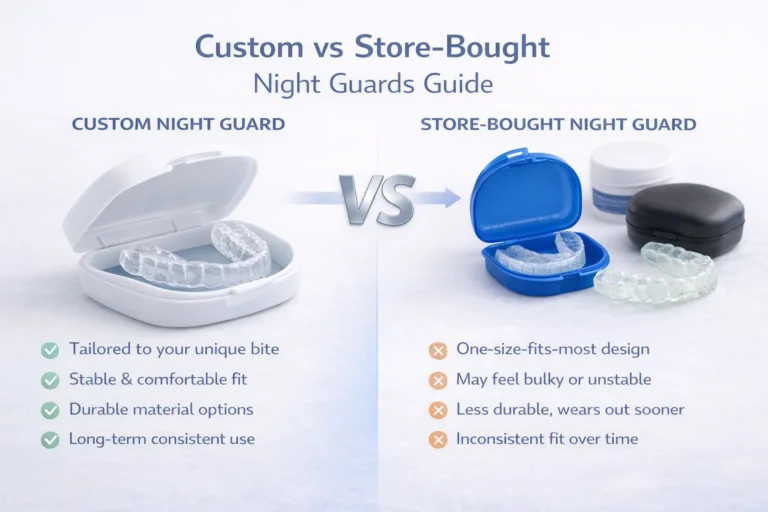
Custom guards are often smoother and more comfortable because they’re made to fit your bite precisely. Many people choose a custom night guard for teeth because the fit can feel more secure, and the edges can be polished for comfort. Even with custom guards, slight color changes can occur, offering helpful cues to maintain cleaning and keep them looking their best. The advantage of a custom guard is that when you maintain it well, it often stays comfortable and wearable for longer.
If you’re using a bruxism night guard from a custom provider, following their cleaning and storage recommendations helps protect the finish and keep the surface smooth. For example, OKI Guards emphasizes easy at-home use and comfort-focused design for bruxism protection. A custom-fit device is an investment in comfort, and night guard maintenance helps you protect that investment.
A weekly “reset” routine that keeps yellowing away
Daily cleaning is the foundation. A weekly reset can keep the buildup from becoming visible. Once a week, consider using a gentle retainer/denture cleaning tablet soak (following product instructions), then rinse well, brush gently, and dry thoroughly. This helps lift mineral film and keeps the surface feeling fresh.
If you build mineral film quickly, you may benefit from two light resets per week. If your guard stays clear easily, once a week is usually enough. The best schedule is the one that keeps your guard feeling pleasant.
Travel and busy mornings: keeping care simple
If you travel, your routine doesn’t need to fall apart. On busy mornings, the simplest version of care is still effective: rinse, gentle brush with mild soap, rinse again, then dry as well as you can before storing. If you must close the case quickly, open it later to let moisture escape. A small travel toothbrush and a tiny soap container make it easy to keep the habit going. This is another positive point: consistency is easier than perfection. Even a “good enough” routine is protective.
Frequently Asked Questions
Why is my night guard turning yellow even though I clean it?
Often, the guard is slightly moist when it’s stored, or mineral deposits are building up from saliva. Improving drying time, cleaning the case, and adding an occasional gentle soak can help prevent Night Guard Turning Yellow.
Can I use toothpaste to clean my night guard for teeth?
It’s better to avoid abrasive toothpaste because it can scratch the surface and make staining easier. Mild soap and a soft toothbrush are usually safer for night guard maintenance.
Does a yellow night guard mean bacteria?
Not always. Yellowing can come from minerals in saliva, a thin surface film, or staining from coffee or tea. If the guard isn’t staying as fresh as you’d like, improving cleaning and drying usually solves it quickly. Lives it quickly.
How often should I deep-clean a bruxism night guard?
Many people do well with gentle daily cleaning and a deeper clean about once a week. The best schedule depends on how quickly your guard collects mineral film and how clear you want it to stay.
What are the most significant night guard benefits?
Night guard benefits commonly include enamel protection, reduced tooth-on-tooth wear, and more comfortable mornings for many clenchers and grinders. Keeping the guard clean supports comfort, freshness, and consistent wear.
If my Night Guard Turning Yellow keeps happening, what should I change first?
Start with drying. Rinse and gently brush, then make sure the guard and case are dry thoroughly before storage. This one upgrade often creates the most significant improvement.

Final note
Night Guard Turning Yellow is common, and it’s usually a simple, solvable issue. Your guard hasn’t failed it’s been working for you. With a consistent night guard maintenance routine, complete drying, and occasional gentle deep cleaning, most guards stay clearer, fresher, and more comfortable. A clean Night Guard is easier to wear, and that means you’ll get more of the long-term night guard benefits protection, comfort, and confidence night after night. If your guard ever becomes rough, the fit changes, or it no longer feels pleasant to wear, replacing it is a positive step toward keeping your bruxism protection strong and your routine easy.