TMJ VS Bruxism: What’s the Difference, and How Can You Find Relief?
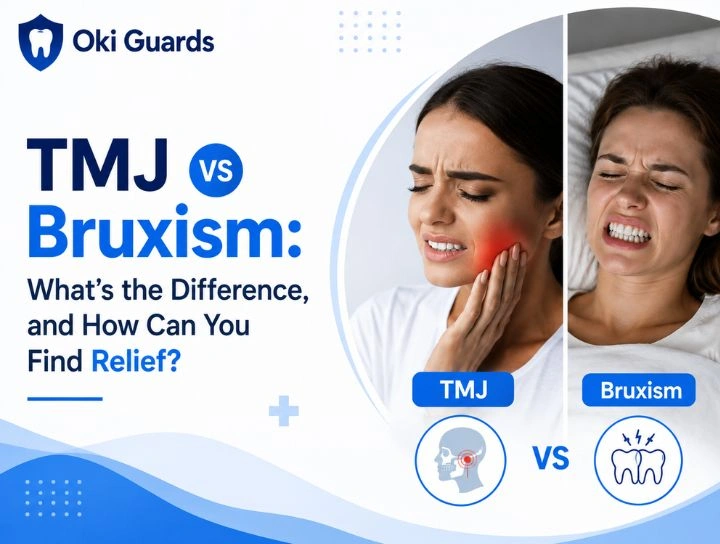
TMJ and bruxism are different but related. TMJ refers to the jaw joints, while TMD describes conditions affecting these joints and surrounding muscles. Bruxism involves grinding or clenching the teeth during sleep or waking hours. TMD may affect jaw movement and comfort, while bruxism can contribute to enamel wear, tooth sensitivity, morning jaw fatigue, and changes in compatible dental work. A custom night guard provides a practical solution for protecting teeth from grinding contact. Relaxed jaw habits and professional dental guidance can support wider jaw comfort.
Explore OkiGuards Custom Night Guards to compare Soft, Hybrid, and Hard options for different grinding levels.
What Is TMJ?
TMJ stands for temporomandibular joint. One joint sits on each side of the face and connects the lower jaw to the skull. Together, these joints support smooth movement during speaking, chewing, swallowing, smiling, and yawning. The joint itself is a normal part of the body. Conditions affecting the joint, chewing muscles, or surrounding tissues are more accurately called temporomandibular disorders (TMDs). Possible symptoms include jaw tenderness, limited movement, clicking accompanied by discomfort, facial pain, or sensitivity while chewing.
Personalized care may include gentle exercises, warm compresses, supportive food choices, relaxed jaw habits, physical therapy, or professional dental guidance. When bruxism also contributes to tooth wear, a custom night guard can add focused protection for the teeth.
What Is Bruxism?
Bruxism is the habit of grinding, clenching, or pressing the teeth together during sleep or waking hours. Common signs include morning jaw fatigue, tooth sensitivity, flattened tooth edges, facial tension, and visible wear on dental surfaces. A custom night guard provides focused nighttime protection by creating a barrier between the upper and lower teeth. Its personalized fit helps protect enamel and compatible dental work from grinding contact while supporting comfortable, consistent wear.
TMJ vs Bruxism: The Main Difference
TMJ refers to the temporomandibular joints that connect the lower jaw to the skull. TMD describes conditions affecting these joints and surrounding muscles. Bruxism is the repeated grinding, clenching, or pressing of the teeth during sleep or waking hours.
The conditions may share symptoms because the jaw joints, chewing muscles, and teeth work together. Bruxism can contribute to muscle fatigue or jaw discomfort in some people, while TMD can occur independently of grinding. Identifying whether the main concern involves joint function, muscle comfort, or tooth wear helps guide suitable care.
| Feature | TMD/TMJ-related concern | Bruxism |
|---|---|---|
| Main area | Jaw joints and surrounding muscles | Teeth and chewing-muscle activity |
| Common signs | Jaw tenderness, stiffness, limited movement, or uncomfortable clicking | Tooth wear, sensitivity, clenching, or morning jaw fatigue |
| When it occurs | During jaw movement or throughout the day | During sleep or waking hours |
| Primary care goal | Support comfortable jaw movement and function | Protect teeth and manage grinding or clenching |
| Night guard role | May be considered after professional evaluation | Creates a barrier that protects teeth from grinding contact |
| Professional support | Dentist, physician, or physical therapist | Dentist and custom night guard provider |
A personalized care plan may combine relaxed jaw habits, professional evaluation, and tooth protection.
TMJ and Teeth Grinding
TMJ and teeth grinding can influence each other because both involve jaw movement and muscle activity. Teeth grinding can add pressure to the jaw muscles. Jaw tension can make clenching feel more natural during the day or night. A supportive care plan looks at the full picture. It considers jaw posture, sleep habits, stress levels, bite pressure, and dental appliance use. The right plan can help your jaw feel more relaxed, and your teeth feel better protected. People who wake up with jaw tightness may benefit from a custom night guard. People who feel daytime jaw tension may benefit from gentle jaw awareness, breathing exercises, and relaxed tongue posture. Together, these steps create a more comfortable routine.
Can Bruxism Cause TMJ?
Bruxism can contribute to TMJ-related discomfort because repeated clenching and grinding can increase pressure on the jaw joints and surrounding muscles. This connection is common, and it can be managed with the right support.A helpful way to think about it is this: bruxism creates extra jaw activity, and the TMJ system responds to that activity. When the teeth and jaw receive better support, the mouth can feel calmer.A custom night guard from OkiGuards can help protect teeth during sleep and support a more comfortable jaw routine. Soft, hybrid, and hard night guard options can match different grinding levels and comfort needs.
Common TMJ Symptoms
Temporomandibular disorder symptoms commonly affect jaw movement and the surrounding muscles. Possible signs include jaw tenderness, stiffness, limited opening, facial discomfort, chewing sensitivity, or clicking accompanied by pain.
Warm compresses, gentle clinician-recommended exercises, supportive food choices, and professional evaluation can promote jaw comfort. A dentist can assess the joints, chewing muscles, bite, teeth, and possible signs of bruxism.
Common Bruxism Symptoms
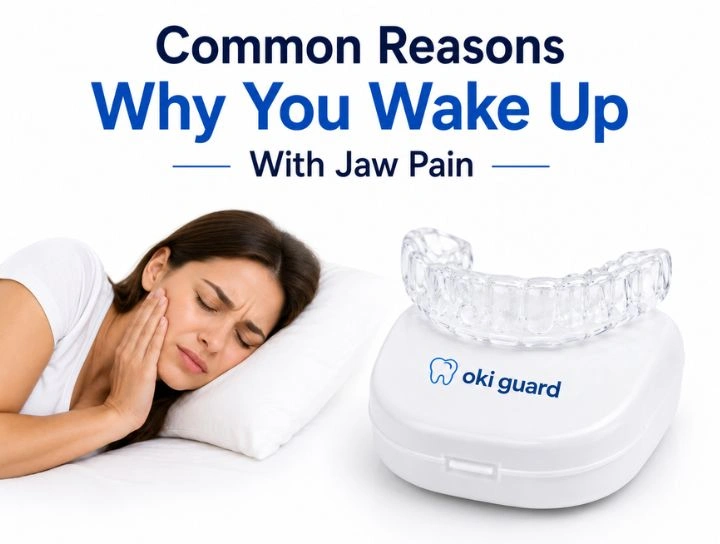
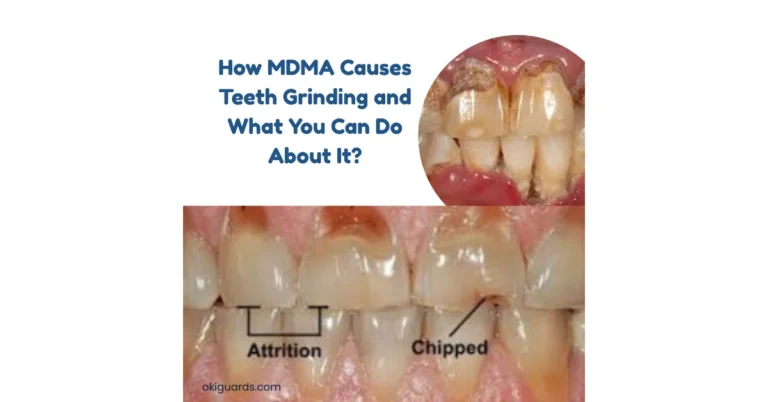
Bruxism symptoms often reflect repeated tooth contact and chewing-muscle activity. Common signs include morning jaw fatigue, tooth sensitivity, flattened edges, small chips, facial tension, headaches, and wear on compatible dental restorations.
Daytime bruxism may occur during work, driving, studying, or focused screen use. Keeping the lips gently together and the teeth slightly apart can support relaxed daytime jaw posture. Sleep bruxism happens unconsciously, making personalized nighttime tooth protection especially valuable.
TMJ Treatment Options
TMJ treatment options usually focus on jaw comfort, muscle relaxation, and smoother movement. A dentist can check your bite and guide you toward the right care plan.Warm compresses can support relaxed jaw muscles. Gentle stretching can help the jaw move smoothly. Soft foods can make chewing easier while the jaw feels sensitive. Good posture can support the neck, shoulders, and jaw. Stress-management routines can help the muscles stay calmer during the day.Some people also benefit from a dental appliance when clenching or grinding is part of their routine. A customized approach works best because every jaw pattern is unique.
Bruxism Treatment Options
Bruxism treatment options focus on tooth protection, jaw relaxation, and better sleep comfort. A custom night guard is one of the most common support tools for nighttime grinding and clenching. A night guard creates a comfortable barrier between the teeth. It helps spread bite pressure more evenly and supports tooth protection while you sleep. OkiGuards offers custom night guards made for different grinding needs, including soft, hybrid, and hard options. Daytime habits can also help. Practice relaxed jaw posture, take small breathing breaks, and notice when your teeth touch during focus time. A calmer jaw position can support comfort throughout the day.
How to Find Relief
Relief begins by identifying whether your symptoms relate to TMD, bruxism, or both. Track morning jaw comfort, daytime clenching, tooth sensitivity, and changes in chewing or jaw movement. Warm compresses, supportive food choices, relaxed posture, adequate hydration, and clinician-recommended jaw exercises can promote everyday comfort. A dentist can evaluate the joints, chewing muscles, bite, tooth wear, and compatible dental work. When grinding or clenching affects the teeth, a personalized night guard can add dependable protection. Compare OkiGuards Custom Night Guards to choose a Soft, Hybrid, or Hard option suited to your grinding intensity.
Frequently Asked Questions
What is the difference between TMJ and bruxism?
TMJ refers to the jaw joint system, while bruxism refers to teeth grinding or clenching. TMJ affects jaw movement, and bruxism affects bite pressure.
Are TMJ and teeth grinding connected?
Yes, TMJ and teeth grinding can work together because the jaw joints, muscles, and teeth all share the same movement system.
What are common TMJ symptoms?
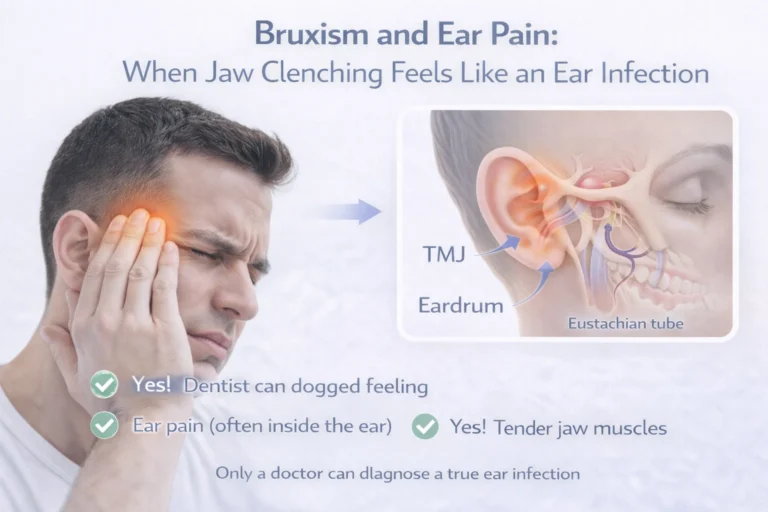
Common TMJ symptoms include jaw tightness, clicking, facial tenderness, ear-area pressure, and chewing sensitivity.
What are common bruxism symptoms?
Common bruxism symptoms include morning jaw tightness, tooth sensitivity, facial tension, and clenching during sleep or focus time.
What are helpful TMJ treatment options?
Helpful TMJ treatment options include warm compresses, gentle jaw stretches, soft food choices, posture support, stress relaxation, and dental guidance.
What are helpful bruxism treatment options?
Helpful bruxism treatment options include a custom night guard, relaxed jaw posture, breathing breaks, bedtime relaxation, and dental support.

Final note
TMJ and bruxism are different, yet they often work closely together. TMJ refers to the jaw joint system, while bruxism refers to grinding and clenching activity. Understanding the difference helps you choose better relief steps.A positive care routine can support jaw comfort, tooth protection, and better daily wellness. Gentle stretches, warm compresses, relaxed jaw posture, soft meal choices, and a custom night guard can all support comfort. With the right routine and dental guidance, your jaw and smile can feel more relaxed, protected, and balanced.