Teeth Grinding Pain: What to Do When It Feels Like Nerve Pain

A comfortable smile can make eating, speaking, resting, and starting the day feel easier. When teeth grinding pain feels sharp, deep, or close to the tooth nerve area, your mouth is giving you a helpful signal to add more protection and care to your daily routine. With the right steps, you can support your teeth, calm your jaw muscles, and create a more comfortable path forward.Teeth grinding, also called bruxism, often happens during sleep or focused moments during the day.
The jaw muscles are strong, and they can press the teeth together with noticeable force. This pressure can increase awareness of the teeth and gums, causing sensitivity, tenderness, or sensations that remind you to give your smile a little extra care and attention. A dentist can help identify the exact reason, while a custom night guard can help protect your teeth during sleep.This guide explains why grinding can feel intense, how to support tooth comfort, and how a custom guard can become a helpful part of your nighttime care.
A Quick Comfort Checklist
When your teeth feel extra sensitive after grinding, a calm routine can help you feel more in control. Start with these gentle steps:
- Wear a custom night guard during sleep.
- Brush with a soft-bristled toothbrush.
- Use toothpaste made for sensitive teeth.
- Keep your jaw relaxed during the day.
- Drink water often.
- Choose softer foods while your teeth feel tender.
- Schedule a dental visit for personalized guidance.
These steps create a supportive foundation for tooth comfort and jaw balance.
Why Teeth Grinding Can Feel Like Nerve Pain
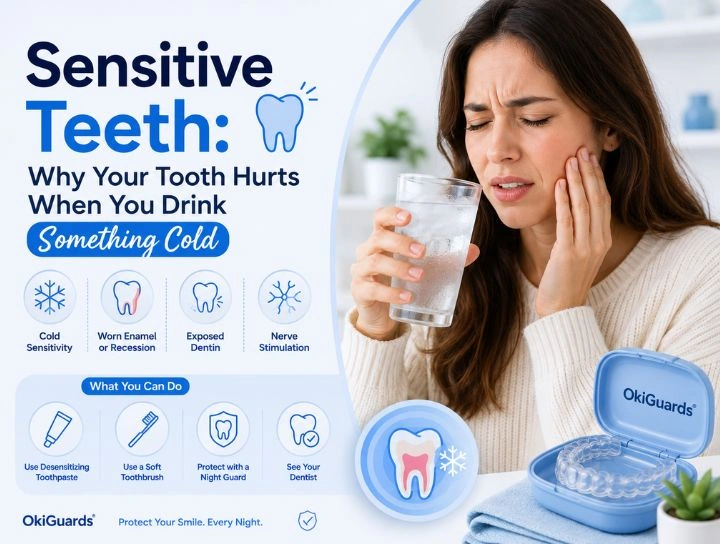
The teeth have several layers. The outside layer, called enamel, helps protect the inner tooth. Under the enamel is dentin, which can feel more sensitive when the tooth experiences extra pressure. Inside the tooth is the nerve area, which responds to temperature, pressure, and changes in the tooth.When grinding happens often, the teeth may feel more aware because the bite surfaces receive repeated pressure. This is why teeth grinding discomfort can sometimes feel deep or sharp, encouraging timely care and attention for better oral comfort. The feeling may seem similar to nerve pain in teeth because tooth nerves respond quickly to pressure and sensitivity.A positive care plan can help protect the teeth and create a calmer routine. A dentist can check your enamel, bite, gums, and jaw movement. A custom night guard can create a smooth layer between your upper and lower teeth during sleep.
How Jaw Clenching Adds Pressure
Jaw clenching pain often comes from strong muscle activity. Clenching means the teeth press together firmly, while grinding means the teeth move against each other. Some people experience both patterns.The jaw muscles can stay active during sleep, busy work, studying, driving, or emotional moments.This activity can place pressure on the teeth and surrounding tissues, highlighting the importance of gentle care and protection for your smile. A relaxed jaw position during the day can help the muscles feel lighter.
Try this resting position:
- Keep your lips gently closed.
- Let your teeth stay slightly apart.
- Place your tongue softly near the roof of your mouth.
- Take a slow breath and let your shoulders relax.
- This small reset can support jaw comfort throughout the day.
Teeth Sensitivity and Grinding
Teeth sensitivity can feel noticeable when drinking cold water, enjoying warm tea, chewing, or brushing. Grinding can make the teeth more responsive because the biting surfaces and surrounding tissues are receiving extra force.Teeth grinding sensitivity may also appear in one tooth, a group of teeth, or along the gumline. This pattern can help your dentist understand where the bite pressure is strongest. Your dentist may check for enamel wear, small cracks, gum recession, dental work, or bite balance.A night guard can support sensitivity care by reducing direct tooth-to-tooth contact. This protective layer gives the teeth a smoother surface during sleep and helps the jaw settle into a steadier position.
What to Do First When Teeth Feel Tender
A gentle plan can help your smile feel more supported while you arrange dental guidance.
Use a Sensitive-Tooth Toothpaste
Toothpaste made for sensitivity can support daily comfort. Use it consistently and brush with a soft touch.
Choose Soft Foods for a Short Time
Soft foods can make meals feel easier while the teeth feel tender. Smooth soups, yogurt, eggs, oatmeal, soft rice, and cooked vegetables can support comfort.
Keep Drinks Mild in Temperature
Room-temperature drinks can feel pleasant when teeth are sensitive. This simple choice can help your mouth feel calm.
Wear a Custom Night Guard
A custom guard helps protect the teeth from grinding pressure during sleep. It also supports a more stable nighttime routine.
Book a Dental Checkup
A dentist can review your symptoms, check the tooth nerve area, and guide the best next step. Professional care adds clarity and confidence to your routine.
Tooth Nerve Pain Relief: Comfort-Focused Support
When people search for tooth nerve pain relief, they often want fast comfort and a clear plan. A dentist is the best person to evaluate nerve-related tooth sensations, because deep sensitivity can come from several dental factors.At home, the goal is to support the tooth gently until your appointment. A comfort-focused approach may include:
- Using a sensitive-toothpaste
- Avoid firm chewing on the tender side
- Wearing a custom night guard at night
- Brushing with a soft toothbrush
- Keeping the jaw relaxed during the day
- Drinking water regularly
- Following your dentist’s recommendations
These steps can help protect your teeth and support a calmer mouth.
How a Custom Night Guard Helps
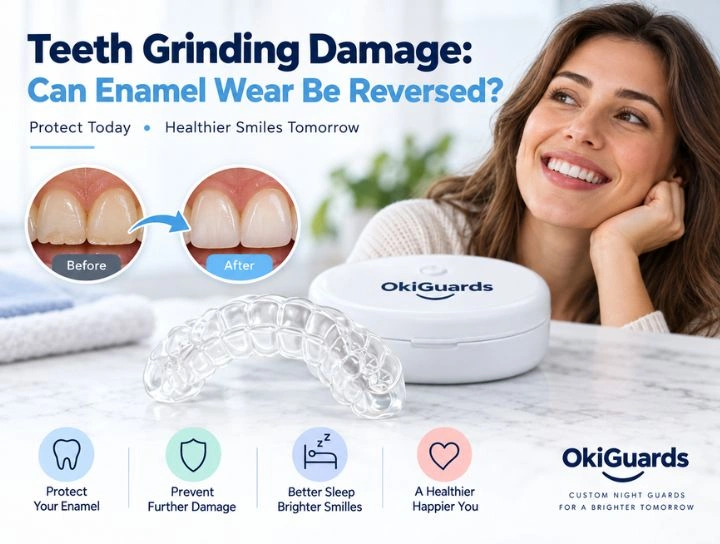
A custom night guard is made from an impression of your teeth. This creates a personalized fit that feels more secure and natural than a general one-size appliance. The guard sits over the teeth and creates a smooth barrier between the upper and lower arches.OkiGuards offers custom night guards designed for different grinding and clenching patterns. Their soft, hard, and hybrid options help users choose a guard style that matches their comfort preference and grinding level.
A custom night guard can support:
- Tooth protection during sleep
- A smoother bite surface
- Less direct grinding contact
- A more comfortable jaw position
- Better protection for enamel
- A consistent bedtime routine
- A personalized fit for daily use
This support can be especially helpful when teeth feel sensitive from grinding or clenching.
Choosing a Guard Style for Your Grinding Pattern
Different people grind in different ways. The right guard style can make bedtime feel easier and more comfortable.
Soft Night Guard
A soft night guard has a cushioned feel. It can be a comfortable option for light grinding or for people who prefer a flexible appliance. The soft texture can feel gentle in the mouth and easy to adapt to.
Hard Night Guard
A hard night guard gives the teeth a firm protective surface. It can be a helpful option for stronger clenching or heavier grinding. The durable design supports long-term tooth protection.
Hybrid Night Guard
A hybrid night guard combines a soft inner layer with a hard outer layer. The inner layer supports comfort, while the outer layer supports strength. This option can work well for people who want both cushioning and durability.
A dentist can also help you choose the best thickness and guard style for your teeth.
Daytime Jaw Habits That Support Tooth Comfort
Nighttime protection works well with daytime awareness. Many people clench during focused activities, and gentle reminders can guide the jaw into a relaxed position.
Try these habits during the day:
- Keep your teeth apart when resting.
- Let your tongue rest softly near the roof of your mouth.
- Take slow breaths during busy moments.
- Stretch your shoulders gently.
- Keep your screen at eye level.
- Sip water throughout the day.
- Notice when your jaw feels active.
- Use a phone reminder that says, “Relax your jaw.”
These habits help reduce extra pressure on the teeth and support a calmer jaw rhythm.
A Fresh Bedtime Routine for Grinding Support
A bedtime routine can turn tooth protection into an easy habit. The goal is to help the mouth feel clean, relaxed, and ready for rest.
Here is a simple evening flow:
- Brush gently with a soft toothbrush.
- Floss carefully between the teeth.
- Rinse your custom guard with cool water.
- Place the guard securely over your teeth.
- Let your shoulders settle.
- Take three slow breaths.
- Rest with your jaw feeling calm.
This routine gives your teeth protection and gives your body a peaceful transition into sleep.
When to See a Dentist
A dental visit can help you understand exactly why the tooth feels sensitive. Your dentist can check whether the feeling comes from grinding pressure, enamel wear, bite balance, gumline changes, dental work, or another tooth condition.
It is helpful to tell your dentist:
- When the sensitivity started
- Which teeth feel most active
- Whether mornings feel different
- Whether chewing changes the sensation
- Whether cold or warm drinks feel noticeable
- Whether you clench during the day
- Whether you already use a night guard
This information helps your dentist create a clear and personal plan.
How to Clean Your Night Guard
A clean night guard supports a fresh mouth and a pleasant routine. Daily care only takes a few minutes.
Use this easy method:
- Rinse the guard after wearing it.
- Brush it gently with a soft toothbrush.
- Let it air-dry fully.
- Store it in a ventilated case.
- Keep it away from heat.
- Bring it to dental visits for fit checks.
Frequently Asked Questions
What helps with teeth grinding sensitivity?
Sensitive-tooth toothpaste, gentle brushing, soft foods, hydration, dental guidance, and a custom night guard can all support teeth grinding sensitivity.
Can jaw clenching pain affect my teeth?
Yes, jaw clenching can place strong pressure on the teeth and surrounding tissues. A relaxed jaw posture and a custom night guard can support tooth comfort.
What is a good option for tooth nerve pain relief?
A dental visit is the best step for tooth nerve pain relief guidance. At home, gentle brushing, sensitive-tooth toothpaste, and nighttime tooth protection can support comfort.
Can a custom night guard help with teeth sensitivity?
Yes, a custom night guard can reduce direct tooth-to-tooth contact during sleep. This support can help protect enamel and encourage a more comfortable nighttime routine.

Final note
Teeth grinding pain can guide you toward better protection, better jaw awareness, and better daily habits. When sensitivity feels deep or close to the nerve area, a dentist can help you understand the exact source and choose the best care. A custom night guard can support your teeth while you sleep and help reduce direct grinding pressure.With gentle brushing, a relaxed jaw posture, sensitive-tooth toothpaste, hydration, and professional guidance, your smile can feel more protected and comfortable. A custom night guard from OkiGuards can also support your nighttime routine with a fit made for your own teeth.Your smile deserves steady care, and small daily steps can make that care feel simple.