Do You Need a Night Guard for Worn Down Teeth If You Have No Jaw Pain?
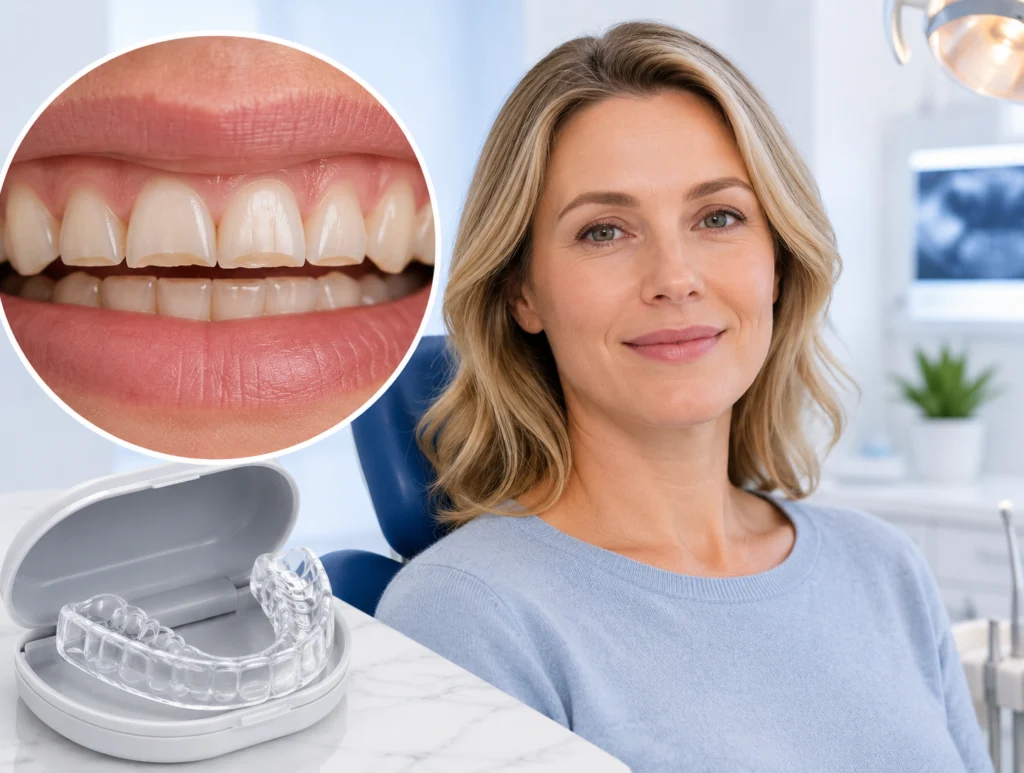
Yes you may still need a night guard even if you have no jaw pain. Worn-down teeth can be a sign of nighttime grinding or clenching, which may damage enamel without causing noticeable discomfort. However, tooth wear can also result from acid erosion, an uneven bite, or other dental conditions. A dentist should first identify the cause. If grinding is responsible, a custom night guard can reduce direct tooth-to-tooth contact and help protect against further wear, cracks, and fractures. It protects the teeth but does not necessarily stop the grinding habit itself.
Why Can Teeth Wear Down Without Jaw Pain?
Each person experiences teeth grinding in a different way. Some people notice jaw tightness or morning headaches, while others mainly see changes in tooth shape. Sleep grinding can happen outside conscious awareness so that tooth surfaces may show the clearest evidence. Bruxism can create flattened edges, polished areas, enamel wear, sensitivity, or small changes in tooth length. Comfortable jaw muscles represent one positive part of the full picture. Your teeth, enamel, bite, and night guard wear pattern can also provide useful information. Some jaw muscles adapt well to repeated activity, while some grinding patterns place more force on the teeth. A dentist can compare tooth edges, bite contacts, enamel thickness, and earlier records to identify the pattern.
What Do Worn Down Teeth Look Like?
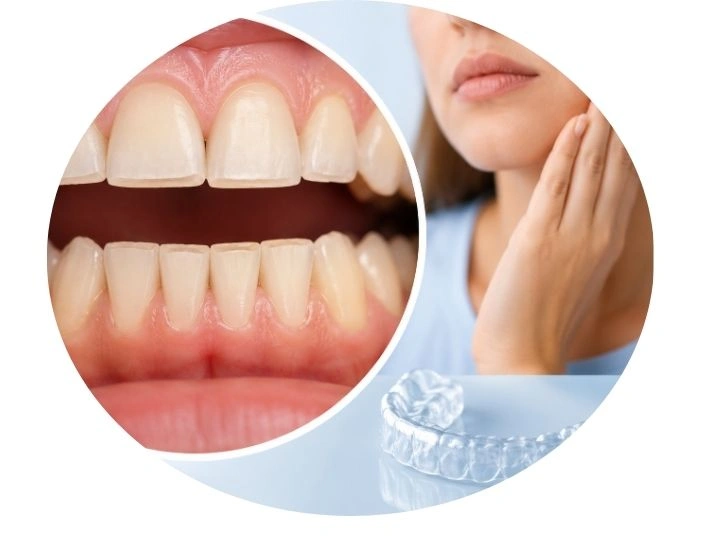
Worn down teeth often show small, gradual changes. Front teeth may appear shorter or more even across the edges. Back teeth may develop smooth chewing surfaces or polished contact points. Some teeth may look flatter, rounder, or slightly more yellow as the lighter outer enamel becomes thinner.
Common signs include:
- Flat teeth from grinding
- Smooth or shiny tooth surfaces
- Front teeth worn down along the biting edges
- Small chips or fine lines
- A more even tooth line
- Changes in tooth length
- Increased awareness of hot or cold foods
- Matching wear areas on upper and lower teeth
These signs create a useful opportunity for early care..
Can Grinding Affect Only the Front Teeth?
Front teeth worn down can reflect repeated sliding contact during sleep or daytime concentration. The upper and lower front teeth may meet as the jaw moves forward or from side to side. Over time, the edges may become flatter, shorter, or more even. Your front teeth support biting, speech, smile shape, and jaw guidance. Early protection supports comfort and appearance, while a custom night guard creates a controlled contact area during sleep.
What Is Tooth Enamel Wear?
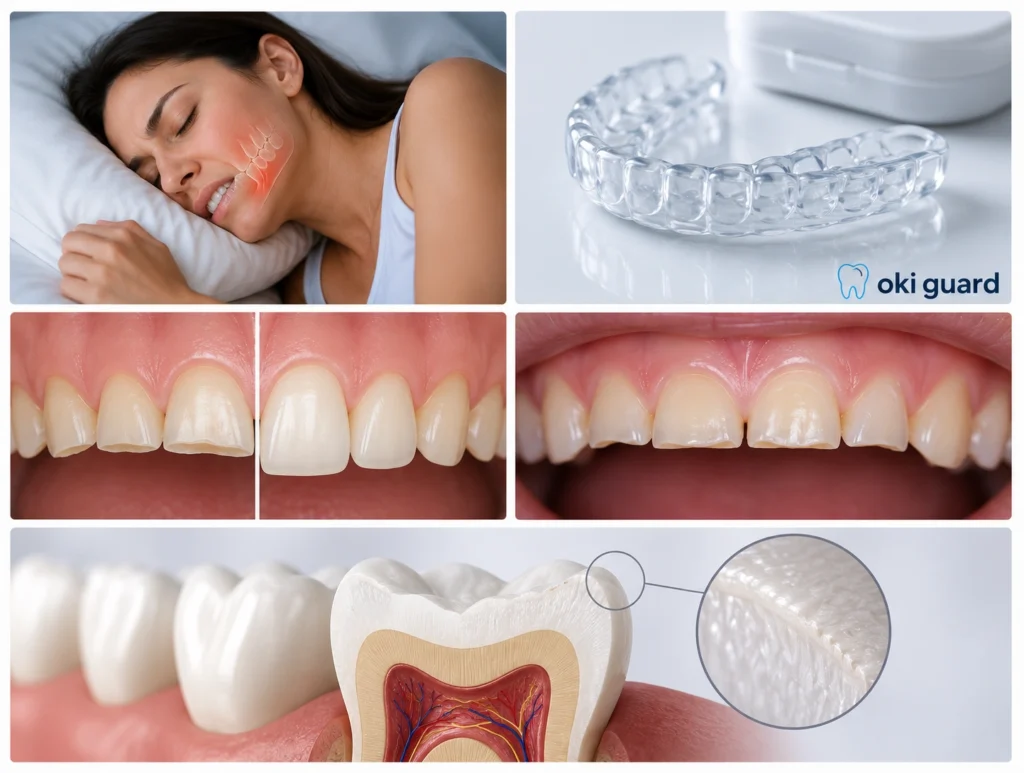
Tooth enamel is the strong outer covering of each tooth. It supports everyday biting and helps protect the inner tooth layers. Tooth enamel wear means this outer surface has gradually become thinner or smoother. Enamel has impressive strength, and it benefits from consistent care. Once a dentist identifies wear, protective habits can help preserve the enamel that remains. A night guard can reduce direct tooth contact, while regular brushing, fluoride care, hydration, and dental guidance can support the wider oral environment. Tooth enamel wear may appear as smoother edges, greater transparency near the tips, a warmer shade, small shape changes, sensitivity, or shiny contact areas. Each sign can guide a constructive dental conversation and support comfortable treatment choices.
Do You Need a Night Guard When Your Jaw Feels Fine?
A comfortable jaw does not remove the value of tooth protection. The need for a night guard depends more on the cause and pattern of wear than on pain alone. Dentists often consider visible wear, grinding sounds, tooth sensitivity, small chips, bite marks, morning tooth pressure, and changes seen across dental visits.
A night guard may offer strong value when:
- Your dentist sees worn teeth from grinding.
- Upper and lower teeth have matching flat areas.
- A partner may notice nighttime grinding.
- You may notice morning tooth sensitivity.
- An added protective layer can help support and preserve your dental work.
- Tooth edges continue to change over time.
- You have a history of clenching teeth during focus or stress.
- Your current tooth shape benefits from preservation.
A professional assessment provides a calm, practical plan that matches your teeth and daily life.
How Does a Night Guard Help Worn Teeth?
A night guard fits over one arch of teeth and creates a protective surface between the upper and lower bite. This barrier reduces direct tooth-to-tooth contact and helps spread pressure across the guard. The American Dental Association explains that a dentist may recommend a night guard to protect teeth during sleep, with a custom fit offering close and comfortable coverage.
A night guard supports worn teeth in several ways:
It Preserves Existing Tooth Structure
The guard gives the teeth a separate surface to contact. This design supports the enamel and tooth shape that remain.
It Distributes Bite Pressure
A custom surface can spread contact across a wider area. Balanced contact supports comfort and reduces focused pressure on individual tooth edges.
It Protects Dental Work
Crowns, bonding, and other restorations can benefit from a protective nighttime layer. Your dentist can guide the timing and design around your dental work.
It Supports a Consistent Night Routine
A comfortable custom fit makes nightly use simple and provides dependable protection during sleep. A night guard focuses on protection rather than rebuilding enamel. Your dentist may discuss separate restorative care when tooth shape, bite function, or appearance would benefit from additional support.
Which Night Guard May Suit Worn Teeth?
The suitable material depends on your grinding level, comfort preference, existing tooth wear, bite, and dental history. OkiGuards offers three custom options designed around different levels of clenching and grinding.
Soft Night Guard
The Soft Night Guard uses a flexible, cushioned material. It can suit lighter clenching and people who enjoy a gentle feel. The soft surface supports easy adaptation and comfortable nightly wear.
Hybrid Night Guard
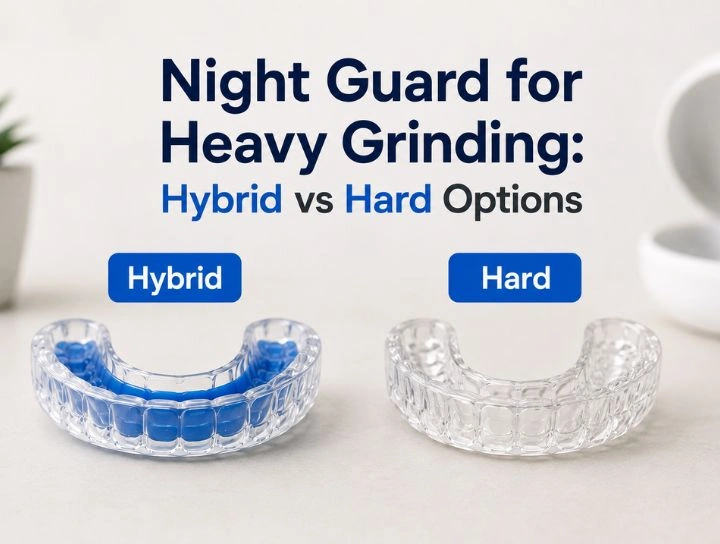
The Hybrid Night Guard combines a soft inner layer with a firm outer layer. This design provides a comfortable fit around the teeth and a durable contact surface. It can offer a balanced choice for moderate grinding and people who value both cushioning and strength.
Hard Night Guard
The Hard Night Guard uses a firm, durable material designed for moderate to heavy grinding. Its stable surface supports even contact and long-lasting protection. It may suit people with clear wear patterns or stronger bite forces.
A dentist can help select a suitable material and thickness, while custom impressions support a secure fit.
How Can You Tell Whether Tooth Wear Is Still Active?
Active wear often becomes clear through comparison. A dentist can compare current tooth surfaces with earlier photographs, scans, impressions, or examination notes. Small changes over time help show whether the pattern continues.
You can support this process at home by observing:
- Changes in the length of front teeth
- New smooth areas
- Fresh chips or edge changes
- Morning tooth sensitivity
- Grinding sounds reported during sleep
- Wear marks on an existing guard
- Changes in how the teeth meet
Monthly photos in the same lighting and angle can provide a visual record. Professional reviews offer the clearest measurement and guidance.
What Happens During a Dental Check?
A dental check for worn-down teeth is usually clear and straightforward. Your dentist may review your health history, sleep habits, daily clenching, tooth sensitivity, and any changes you have noticed. The examination may include the tooth surfaces, bite relationship, jaw movement, muscles, gums, and existing restorations. Dental photographs, digital scans, or X-rays may add helpful detail. Your dentist may also ask about sleep quality and daily habits because bruxism can connect with personal factors. The visit can lead to a focused plan that matches your comfort and priorities.
Can a Night Guard Restore Worn Teeth?
A night guard protects the tooth structure that remains and supports a stable environment for future care. Restoring lost shape belongs to a separate dental process. A dentist may suggest bonding, reshaping, crowns, or another personalized option when function or appearance would benefit. A custom night guard can also support restored tooth surfaces during sleep, bringing preservation and smile improvement together.
Positive Daily Habits for Worn Teeth
Simple habits can work alongside a night guard and strengthen your oral care routine.
Keep a Relaxed Resting Position
Let your lips rest gently together while your teeth remain slightly apart. Place your tongue comfortably near the roof of your mouth. This position supports relaxed jaw muscles during the day.
Build a Calm Evening Routine
A steady bedtime, gentle breathing, stretching, and quiet activities help the body prepare for restful sleep. A peaceful routine can also support greater awareness of clenching habits.
Choose Enamel-Friendly Care
Use a soft toothbrush and gentle pressure. Follow your dentist’s guidance for fluoride toothpaste and sensitivity care. Water also supports a comfortable mouth throughout the day.
Attend Regular Dental Reviews
Routine visits allow your dentist to track small changes and adjust your plan. Early comparisons support confident decisions.
Care for Your Night Guard
Rinse the guard after use, clean it gently, let it dry, and store it in a ventilated case. Regular checks keep the fit and surface working well.
Frequently Asked Questions
Can you grind your teeth without jaw pain?
Yes. Many people experience tooth wear as their main sign of grinding. Jaw comfort can remain steady while the tooth surfaces show repeated contact.
Is a night guard useful for front teeth worn down?
Yes, a custom night guard can reduce direct contact between the upper and lower teeth. This barrier helps preserve the remaining front tooth structure during sleep.
Will a night guard make worn teeth longer?
A night guard protects existing tooth shape. A dentist can discuss restorative options when additional length or shape would support your smile.
How do I know whether I need a soft, hybrid, or hard guard?
Your grinding level, tooth wear, comfort preference, bite, and dental history guide the choice. Soft designs support lighter clenching, hybrid designs balance comfort and durability, and hard designs support stronger grinding.
Should I wait for jaw pain before protecting my teeth?
Early protection can begin when visible wear or professional findings show a clear need. This proactive approach supports enamel preservation and long-term comfort.
Can worn teeth stay comfortable?
Yes. Many worn teeth continue to feel comfortable, especially with early care, regular monitoring, and a suitable protective plan.

Final note
You may need a night guard for worn-down teeth even when your jaw feels comfortable. Worn teeth from grinding, flat teeth from grinding, tooth enamel wear, and front teeth worn down can each provide helpful evidence of repeated contact. A dental examination can identify the wear pattern and confirm whether a custom night guard fits your needs. The right guard can protect remaining tooth structure, distribute bite pressure, and support dental work. OkiGuards provides Soft, Hybrid, and Hard Night Guard options for different levels of comfort and grinding strength. Jaw comfort is a positive part of your current oral health picture. Early protection adds another positive step by helping your teeth keep their strength, shape, and function. With professional guidance and consistent care, you can move forward with a clear plan and a confident smile.