How to Spot Signs of Teeth Clenching at Night Before Bigger Problems Start
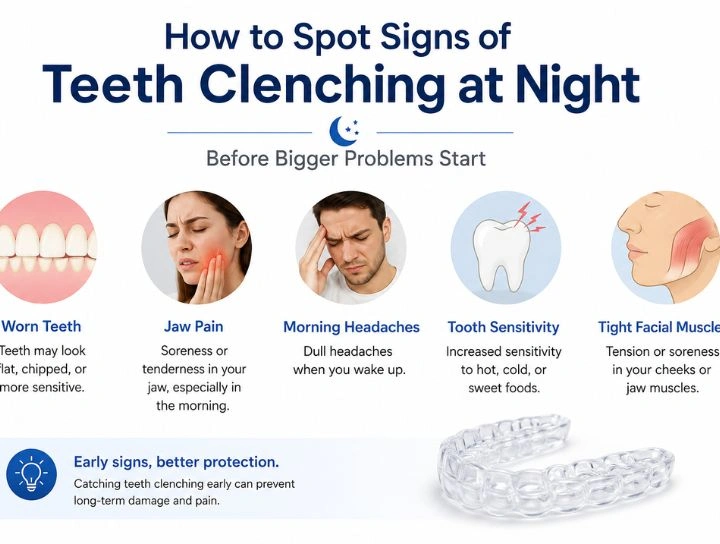
Teeth clenching at night can happen quietly while you sleep, so early awareness gives you a valuable chance to care for your smile. Recognizing these clues early supports relaxed mornings, stronger oral habits, and confident dental care.The clearest signs of teeth clenching at night include morning jaw tightness, sensitive teeth, dull temple headaches, facial tension, tired chewing muscles, changes along tooth edges, tongue or cheek marks, and sounds noticed by a sleeping partner. A dentist can review these signs, examine your bite, and guide you toward the most suitable care.
What Is Teeth Clenching at Night?
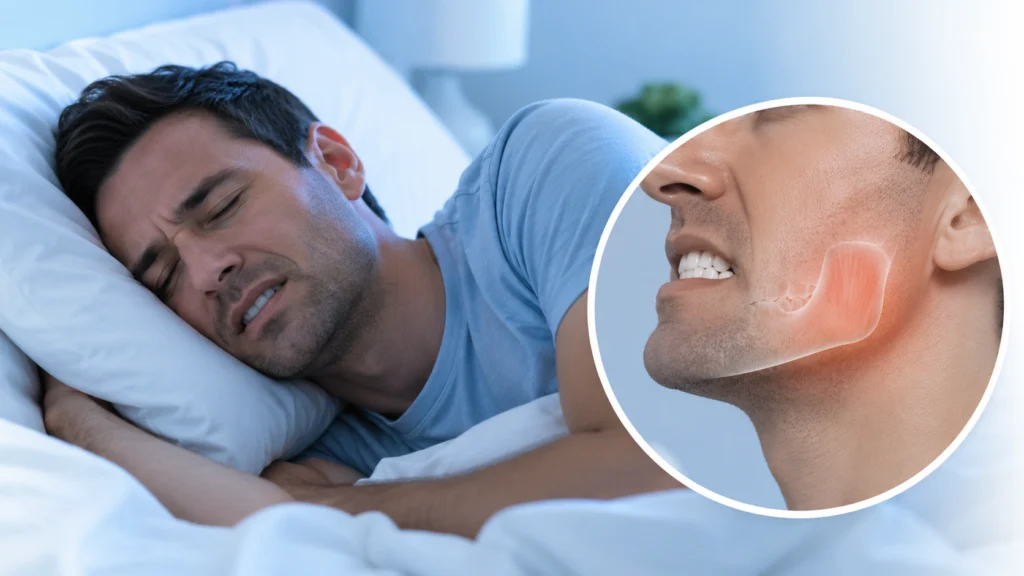
Teeth clenching at night means pressing the upper and lower teeth together during sleep. This habit belongs to bruxism, which includes clenching, grinding, and repeated jaw movement. Nighttime teeth clenching often happens outside conscious awareness, which makes morning clues mostly helpful. Clenching mainly involves firm pressure between the teeth, while grinding adds a sliding movement. Both actions give the chewing muscles extra work and place repeated pressure on tooth surfaces.
Why Early Clues Matter
Early clues act like helpful messages from your body. They show where extra pressure may be building and encourage you to support your jaw, teeth, and sleep routine. Early attention also helps preserve the natural shape and strength of your teeth. It supports smoother chewing, relaxed speaking, and a more comfortable start to the day. A dental check also brings clarity because your dentist can separate clenching-related signs from other oral health needs.
9 Signs of Teeth Clenching at Night
Morning Jaw Tightness
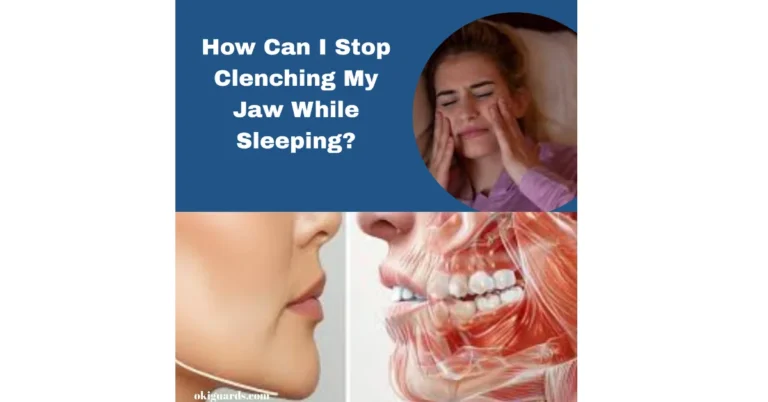
A tight or tired jaw after waking is one of the most common signs of nighttime teeth clenching. Your jaw muscles may feel as though they completed a workout during sleep. Track your morning jaw comfort for seven days using a simple scale from one to five. A repeated pattern gives you useful information to share during a dental visit. Jaw tightness, soreness, and muscle tiredness are widely recognized signs of bruxism.
Tooth Sensitivity After Waking
Teeth that feel sensitive in the morning may be responding to pressure from clenching teeth while sleeping. You may notice a quick feeling while drinking cool water, enjoying a warm drink, brushing, or taking the first bite of breakfast. A dentist can check the enamel, gums, tooth surfaces, and bite, then offer guidance that matches your smile. Tooth sensitivity is a recognized sign linked with regular clenching and grinding.
Tooth Pain From Clenching
Tooth pain from clenching may feel like dull pressure around one tooth, several teeth, or one side of the mouth. The feeling may be strongest in the morning and become gentler as the day continues. This timing creates a useful clue because nighttime pressure often follows a morning pattern. A dental examination brings clear answers and personalized support. Your dentist can identify the source of the feeling and recommend a practical next step.
Dull Morning Headaches
A dull feeling around the temples may reflect active jaw muscles during sleep. The chewing muscles connect closely with the sides of the head, so repeated muscle activity can create a noticeable morning sensation. Record the time, jaw comfort, sleep quality, and your evening routine. Headaches and facial discomfort are recognized signs associated with bruxism.
Facial or Ear-Area Tension
Nighttime teeth clenching can create a feeling of fullness, warmth, or tension around the cheeks, temples, or area near the ears. Notice whether the feeling appears mainly after waking or during busy days. A professional evaluation can confirm the source and support a comfortable care plan. Jaw, face, and ear-area discomfort are commonly included among signs that benefit from a dental conversation.
Changes Along the Tooth Edges
Repeated clenching pressure may make some tooth edges look flatter, smoother, or more polished. Fine lines, small chips, or uneven areas can also serve as useful signs during a dental check. A photo from the same angle can create a simple record of changes. A dentist provides the most reliable assessment because professional lighting and dental tools reveal small details clearly.
Tooth Marks on the Tongue or Cheeks
Small ridges inside the cheeks or tooth-shaped marks along the tongue can appear when the mouth experiences repeated pressure. These marks offer another easy clue that the jaw may stay active during sleep. Their repeated appearance over several days gives your dentist helpful information. Cheek ridges and tooth prints along the tongue are observed signs of clenching and grinding.
Tired Chewing Muscles at Breakfast
Breakfast can reveal how your jaw feels after nighttime activity. Chewing may feel more demanding, or your jaw may prefer softer food during the first part of the morning. A group of signs often gives a fuller picture than one sign alone. Dental professionals commonly assess jaw muscle tiredness and tenderness while checking for bruxism.
Visible Wear on a Night Guard
A night guard can provide a useful record of clenching pressure. Polished spots, bite marks, or areas of wear show where the teeth make contact during sleep. A dentist can review its fit and wear pattern during a routine visit. A properly fitted guard separates the teeth and supports protection from repeated contact.
A Simple Seven-Day Clenching Check
A seven-day check can help you spot signs of teeth clenching at night with greater confidence. Each morning, take one minute to record:
- Jaw comfort
- Tooth sensitivity
- Tooth pressure
- Head and temple comfort
- Tongue or cheek marks
- Sleep quality
- Sounds reported by a sleeping partner
Use simple descriptions such as comfortable, slightly active, moderately active, or strongly active. Add a short note about your evening routine, caffeine timing, workload, and relaxation time. You can also check your daytime resting position. A relaxed mouth usually includes soft lips, loose jaw muscles, and a small space between the upper and lower teeth. Phone reminders or desk notes can support this comfortable habit throughout the day.
How to Stop Clenching Teeth at Night Through Supportive Care
People often search for how to stop clenching teeth at night because they want calmer sleep and more comfortable mornings. A positive plan focuses on reducing pressure, supporting relaxation, protecting the teeth, and identifying personal triggers.
Create a Calm Bedtime Routine
A steady bedtime routine supports the body’s natural relaxation process. Choose a regular sleep time, lower the room lights, enjoy quiet music, read something calming, or practice slow breathing. A dark, quiet, and comfortable bedroom also supports restful sleep. Try breathing in gently for four counts and breathing out for six counts. Repeat this rhythm for a few minutes while allowing your shoulders, cheeks, and jaw to soften.
Relax Your Jaw During the Day
Daytime awareness helps build a comfortable jaw habit. Place the tip of your tongue lightly behind your upper front teeth, keep your lips soft, and allow a little space between your teeth. This position encourages the jaw muscles to rest. Good posture with relaxed shoulders and a comfortable neck position also supports jaw comfort.
Make Balanced Evening Choices
A calm evening routine gives your body an easier path toward sleep. Water, a balanced meal, and peaceful wind-down time can support comfort. Earlier timing for caffeine and alcohol may also help people who notice a connection with nighttime teeth clenching.
Give Your Jaw a Gentle Morning
Soft, nourishing foods can give active jaw muscles a comfortable start. Oatmeal, eggs, yogurt, soft fruit, rice, soup, and tender vegetables are easy options. Smaller bites and slow chewing also support a smooth morning rhythm. Gentle warmth along the jaw can create a soothing feeling. Light massage around the cheeks and temples may support relaxation. A dental or health professional can also show you safe movements that match your personal needs.
How a Custom Night Guard Supports Your Smile
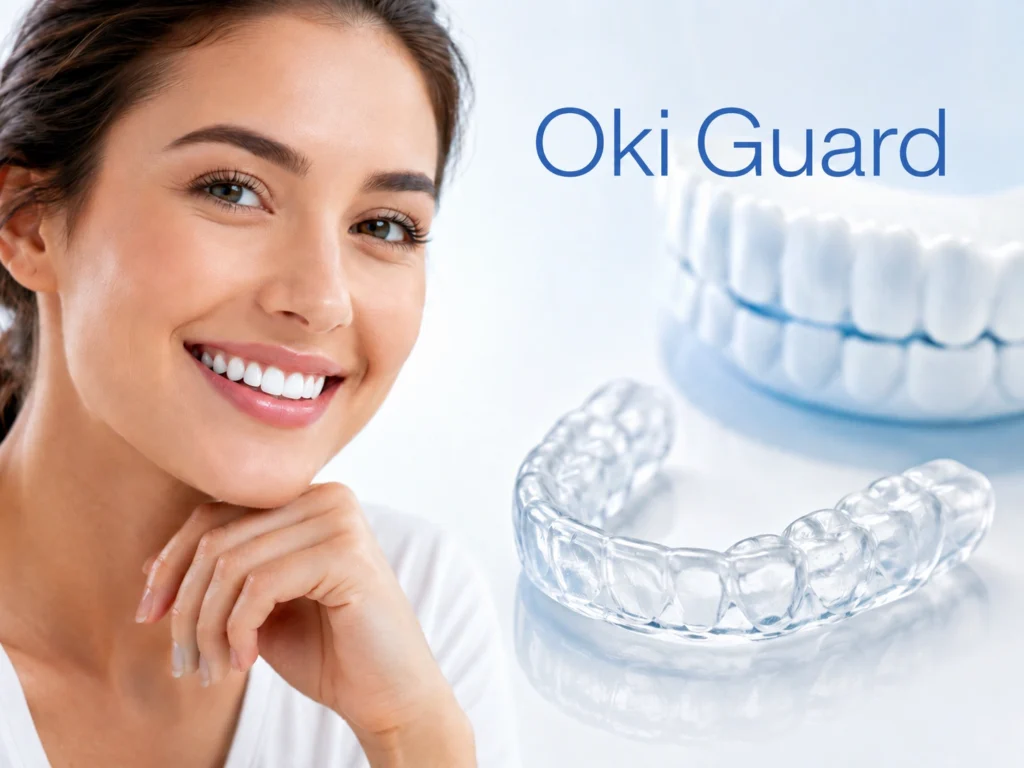
A custom night guard creates a protective layer between the upper and lower teeth. This layer reduces direct tooth-to-tooth contact and supports the natural surfaces of your teeth during sleep. A close fit can also make regular wear feel simple and comfortable. OkiGuards offers the Soft Night Guard, Hybrid Night Guard, and Hard Night Guard for different comfort and pressure needs. The Soft Night Guard provides a cushioned feel for lighter clenching. Its flexible material supports comfort and makes it easy to include in a bedtime routine. The Hybrid Night Guard combines a soft inner layer with a stronger outer layer. This balanced design supports comfort, stability, and durability for moderate clenching or grinding. The Hard Night Guard provides a firm and durable surface for stronger clenching patterns. Its custom shape supports a secure fit and steady protection throughout the night. A night guard supports tooth protection while relaxation, sleep habits, and dental care support the wider picture. This balanced approach creates a practical routine that feels clear and manageable.
When a Dental Visit Brings the Most Value
A dental visit is especially valuable when morning jaw tightness, tooth sensitivity, tooth pain from clenching, headaches, visible tooth changes, or sleep sounds appear regularly. A dentist can review your symptoms, examine tooth surfaces, check jaw muscles, and discuss the timing of each sign. Regular checkups also create a useful record of small changes over time. Your dentist may suggest a custom guard, relaxation habits, sleep support, or an additional evaluation when your sleep pattern deserves a closer look. This complete approach supports comfortable sleep and long-term oral wellness.
Frequently Asked Questions
What is the earliest sign of teeth clenching at night?
Morning jaw tightness is usually one of the earliest clues. Tooth sensitivity, temple pressure, tired chewing muscles, and marks along the tongue or cheeks can also provide helpful information. A repeated pattern gives the clearest reason to arrange a dental check.
How can I tell whether I clench or grind?
Clenching mainly creates firm pressure, while grinding adds a sliding movement. Jaw tightness may appear with either habit, and grinding may also create sound or visible wear. A dentist can examine your teeth and jaw muscles for clear guidance.
Can stress affect nighttime teeth clenching?
Stress can influence muscle tension and sleep habits for many people. Relaxation, regular movement, breathing exercises, and a steady sleep schedule can support a calmer response.
Does a night guard stop clenching completely?
Yes, a night guard stops clenching completely. A night guard mainly supports protection by separating the teeth and reducing direct contact. Relaxation habits, healthy sleep routines, and professional care work alongside the guard to create a complete plan.
Which night guard is suitable for nighttime teeth clenching?
The most suitable choice depends on clenching strength, comfort preference, tooth condition, and professional guidance. Soft, hybrid, and hard designs provide different levels of flexibility and support. OkiGuards provides these custom options to help users choose a guard that matches their needs.

Final note
The signs of teeth clenching at night become easier to spot when you know what to observe. Morning jaw tightness, tooth sensitivity, tooth pain from clenching, temple pressure, cheek or tongue marks, tooth-edge changes, and sounds during sleep all provide useful information. A simple morning check, a calm bedtime routine, relaxed daytime jaw posture, and regular dental care can create meaningful support. A custom night guard can add a protective layer when it suits your personal care plan. Early awareness gives you confidence and a clear path forward. By responding to small signs with positive care, you can support comfortable mornings, stronger oral habits, and a healthier smile.