Night Guard for People Who Clench Their Teeth: What Makes a Guard More Supportive

Teeth clenching can place steady pressure on the smile, especially during sleep when the jaw stays active for hours at a time. For many people, this pressure shows up as a strong bite, morning jaw awareness, or a feeling that the teeth worked hard overnight. The good news is that the right night guard for clenching can make a meaningful difference by supporting the bite, protecting the teeth, and helping the whole nighttime routine feel more comfortable.A supportive guard does more than sit over the teeth. It works with the bite, cushions pressure in a helpful way, and gives the jaw a more stable surface during sleep. For people who clench their teeth, that kind of support can feel very valuable because it adds both protection and comfort to a habit that often happens automatically.
Why Teeth Clenching Needs the Right Kind of Support
Teeth clenching is different from a lighter, more occasional bite pattern. Clenching often involves steady force rather than only movement, which means the teeth and jaw can receive firm pressure for long periods. This is why choosing the right guard matters so much.
A supportive guard helps by:
- creating a barrier between the upper and lower teeth
- spreading force more evenly across the bite
- supporting a steadier jaw position
- protecting the tooth surfaces during sleep
- making nighttime wear feel smoother and easier
These features are especially useful for people who notice clenching teeth at night and want a solution that feels practical, comfortable, and dependable.
What Makes a Guard More Supportive?
A supportive guard matches the pressure level of the bite and feels comfortable enough for regular use. It should protect the teeth while also helping the jaw feel balanced. True support comes from several things working together, including fit, material, thickness, and overall design.
The most important qualities usually include:
- a secure fit
- balanced pressure distribution
- a material suited to clenching
- comfortable edges and shape
- a feeling that encourages consistent use
When these factors come together, the guard becomes much more effective and much more pleasant to wear.
Fit Is the First Thing That Matters
Fit is one of the biggest reasons one guard feels supportive while another feels distracted. A good fit allows the guard to sit securely on the teeth and follow the true shape of the bite. For people who clench their teeth, this matters even more because the guard needs to stay stable under stronger pressure.
A well-fitted guard often feels:
- secure during sleep
- smooth on the teeth
- balanced when the bite closes
- supportive for the jaw
- easy to trust night after night
This is why custom night guards often stand out. A design made from your actual bite usually feels more natural and more supportive than a one-size option.
Material Makes a Big Difference
The material of a guard shapes how it feels and how it performs. Some people who clench lightly enjoy a softer feel, while people with stronger jaw clenching often benefit from something more durable and structured. The best material is the one that matches the kind of pressure happening during sleep.A softer guard can feel more cushioned and comfortable. A firmer guard can feel more stable and protective under a stronger force. A hybrid-style design can bring together comfort and durability in a balanced way. This is why the most supportive choice often depends on how intense the clenching is.
Why Thickness Changes the Experience
Thickness is another important part of what makes a guard feel supportive. A thinner guard may feel lighter in the mouth, while a thicker one often offers more durability and stronger bite support. For people who clench their teeth, finding the right thickness can improve both comfort and protection.
A helpful way to think about it is this:
- lighter clenching often pairs well with a slimmer feel
- Moderate clenching often benefits from balanced thickness
- Stronger clenching often does best with more substantial support
The goal is not simply to choose the thickest option. The goal is to find the one that feels most appropriate for your bite and easiest to wear consistently.
A Night Guard for Clenching Should Support the Jaw Too
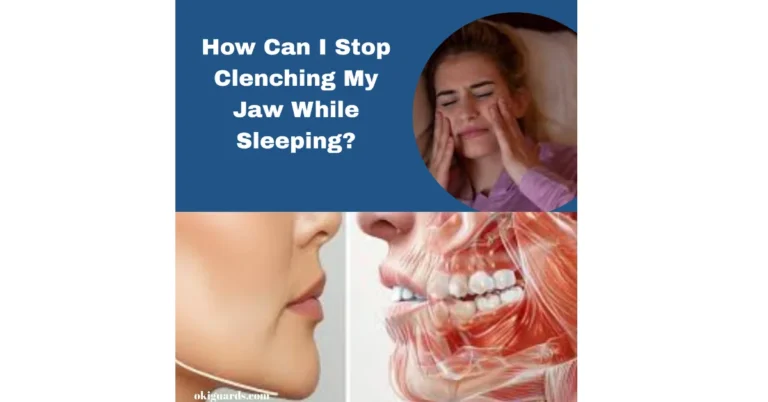
A great night guard for clenching protects the teeth, and it also supports the jaw. This matters because clenching is not only about tooth contact. It also involves the muscles and joints that control the bite. When the jaw receives better support at night, mornings often feel more comfortable, and the whole face can feel more settled.
Support for the jaw can include:
- a smoother contact surface for the bite
- a more even distribution of pressure
- less concentrated force on certain teeth
- a more balanced feeling in the mouth
- better overall sleep comfort
This is one reason people often look for a guard that feels “supportive” rather than simply “protective.” They want something that helps the whole bite feel better.
Comfort Is Part of Support
A guard only becomes truly supportive when it is comfortable enough to wear regularly. A great design should feel easy to place, smooth on the teeth, and natural enough to fit into the bedtime routine without effort. Comfort supports consistency, and consistency is what makes protection work over time.
A comfortable guard often offers:
- polished, smooth edges
- a stable feel in the mouth
- the right balance of thickness and softness
- easy placement before bed
- confidence that it will stay in place during sleep
This comfort matters because a guard who feels good is much more likely to become part of a lasting routine.
Clenching Teeth at Night Can Call for More Durable Protection
Clenching teeth at night can be steady and powerful, which is why durability is often part of the conversation. A more supportive guard should feel capable of handling repeated overnight pressure. It should hold its shape well, support the bite effectively, and continue feeling reliable with regular use.Durability and comfort work best together. A guard does not need to feel bulky to be supportive. It simply needs to match the level of force your bite creates while staying comfortable enough for nightly wear.
Signs You May Need a More Supportive Guard
Many people start looking for a better guard when they notice the bite, asking for more support. Helpful signs can include:
- waking up with a firm or tired jaw
- feeling strong bite pressure in the morning
- noticing regular jaw clenching
- feeling that a lighter guard is not enough
- wanting better comfort during sleep
These signs are useful because they point toward what kind of solution may feel better. A more supportive design often becomes the next positive step.
How Jaw Clenching Shapes Guard Choice
Jaw clenching tends to involve steady force, which means the best guard often needs to feel stable and balanced rather than overly soft or loose. A supportive guard for clenching should help the bite feel controlled and supported under pressure.
This is why people who clench often appreciate features such as:
- a custom fit
- stronger material options
- a more balanced occlusal surface
- reliable nighttime stability
- a design matched to the level of force
Each of these features helps transform the guard into something that works with the bite rather than simply covering it.
The Difference Between a Basic Guard and a Supportive Guard
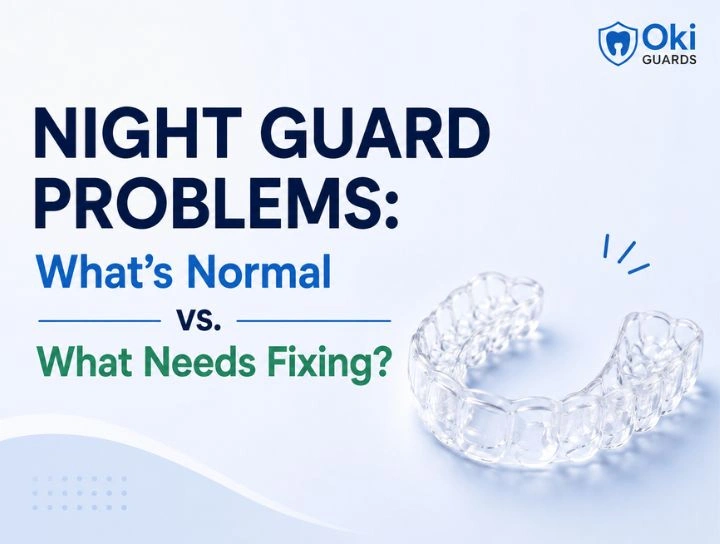
A basic guard may offer a layer between the teeth, while a supportive guard offers a more complete solution. The difference often comes down to how well it matches the person wearing it. A more supportive guard feels like it belongs to the bite. It supports the teeth, helps the jaw feel steadier, and makes the bedtime routine easier to maintain.
A supportive guard usually stands out because it:
- feels more secure
- fits the bite more precisely
- matches the level of clenching
- supports both comfort and protection
- encourages more confident nightly use
This fuller experience is what many people are really looking for when they search for a night guard for clenching.
Why Custom Design Often Feels Better
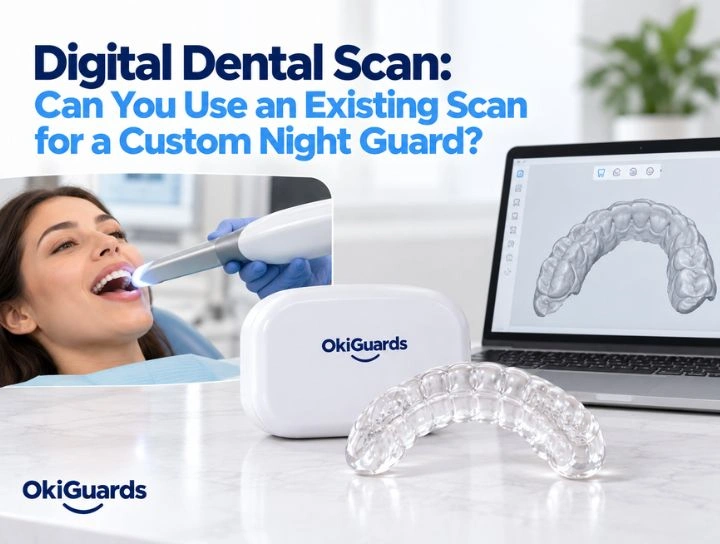
Custom design usually feels better because it reflects the exact position of the teeth and the real shape of the bite. This helps create a more accurate fit and a smoother wearing experience. For people who clench their teeth, this precision often feels especially valuable because the bite carries more force.
A custom guard can support:
- better stability of the teeth
- a more natural feel in the mouth
- improved pressure distribution
- more consistent use
- better long-term protection for the smile
This kind of Fit is often what makes the difference between a guard that feels acceptable and a guard that feels truly supportive.
A Supportive Routine Makes the Guard Work Even Better
The guard is the center of the solution, and a few good habits can make it work even better. Small routine choices can support the jaw, improve comfort, and help the whole process feel easier.
Helpful habits include:
- wearing the guard consistently
- keeping it clean and well stored
- paying attention to daytime clenching
- letting the lips rest together, and the teeth stay slightly apart during the day
- building a calming bedtime rhythm
These habits support the bite in a positive way and make the guard feel like part of a complete routine rather than a stand-alone tool.
What People Often Want Most From a Supportive Guard
When people look for support, they often want more than one result. They want the teeth protected, the jaw more comfortable, and the bedtime routine easier to manage. A supportive guard can help with all three by bringing together fit, comfort, and durability.
Most people want a guard that:
- Feels easy to wear
- handles clenching well
- stays in place during sleep
- supports the whole bite
- protects the smile for the long term
This is why thoughtful guard selection matters. The right choice can influence not only protection, but also how sleep feels and how mornings begin.
How to Choose the Best Night Guard for Clenching
Choosing the best night guard for clenching becomes easier when you focus on the features that matter most:
Start With Your Clenching Level
Think about whether your clenching feels light, moderate, or strong. The answer helps guide material and thickness.
Prioritize Fit
A guard that fits well is much more likely to feel supportive and stable.
Look for Balanced Comfort
Comfort and protection should work together. The best guard feels good while still supporting the bite.
Think About Long-Term Use
A supportive guard should feel like something you can wear regularly and trust over time.
Choose a Design That Matches Your Real Needs
The right guard is the one that supports your actual bite pattern, not just a general category.
A Positive Way to Think About Clenching Protection
Clenching can be seen as a signal that the bite deserves more support. That is a positive way to approach it, because it turns awareness into action. Once you understand what your teeth and jaw need, it becomes much easier to choose a solution that feels supportive, practical, and comforting.A well-chosen guard gives the teeth a more protected environment and gives the jaw a more stable resting surface. This is why many people find that the right guard changes the whole feel of their nighttime routine.
Frequently Asked Questions
What makes a night guard more supportive for clenching?
A more supportive night guard for clenching usually has a secure fit, the right material for the level of pressure, balanced thickness, and a design that helps the bite feel stable and comfortable.
Is a custom night guard better for people who clench their teeth?
Yes, custom guards often feel more supportive for people who clench their teeth because they fit more accurately and stay more stable during sleep.
Why is jaw support important in a night guard?
Jaw clenching involves more than the teeth, so a supportive guard should also help the bite feel more balanced and comfortable for the jaw muscles.
Does thickness matter in a night guard for clenching?
Yes, thickness matters because it affects both comfort and protection. The best choice depends on how much pressure is put on teeth at night.
Can a supportive guard improve comfort as well as protection?
Yes, a well-designed guard can support both comfort and protection by cushioning the bite, fitting well, and helping the whole nighttime routine feel smoother.

Final note
A supportive night guard for clenching protects the teeth, supports the jaw, and feels comfortable enough for regular use. For people who clench their teeth, the best guard usually combines secure Fit, appropriate material, balanced thickness, and a smooth, stable feel in the mouth. These qualities help turn nighttime protection into a routine that feels easy and effective.
Whether the main issue is teeth clenching, clenching teeth at night, or steady jaw clenching, the right guard can make a very meaningful difference. With a more supportive design, the bite feels better cared for, the teeth stay better protected, and the whole sleep routine becomes more comfortable and dependable.