How to Stop Drooling in Sleep When Wearing a Night Guard
Waking up with a fresh mouth and a comfortable night guard routine can make mornings feel easier. Many people who wear a night guard notice extra saliva during the first few nights, and this can be a normal part of the mouth adjusting to a new dental appliance. If you are searching for how to stop drooling in sleep, a few simple habits can help your mouth feel more balanced while you enjoy the protection of a custom night guard.
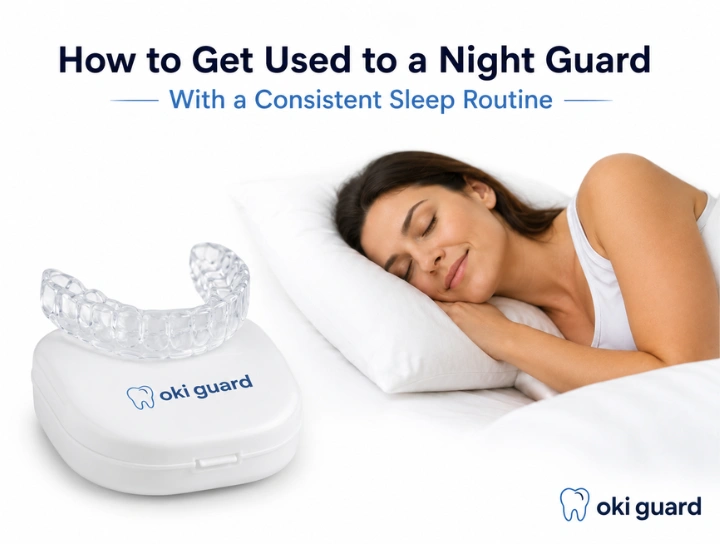
A night guard sits over the teeth and creates a smooth protective layer during sleep. Since the mouth naturally produces saliva to keep oral tissues comfortable, it may respond to a new appliance by creating more moisture at first. With consistent use, a good fit, and a calm bedtime routine, the mouth can adapt beautifully.OkiGuards custom night guards are designed to fit your teeth closely, which can support comfort, stability, and a smoother nighttime experience.
Why Do I Drool in My Sleep?
Many people ask, why do I drool in my sleep, especially after starting a night guard routine. Drooling during sleep often happens when saliva gathers in the mouth and naturally moves out while the body rests. Sleep position, mouth posture, breathing patterns, and a new oral appliance can all play a role.When you begin wearing a night guard, your mouth recognizes it as something new. Saliva helps the appliance feel smoother and supports oral comfort.This extra moisture can feel more noticeable during the adjustment period, showing that your mouth is naturally adapting and adjusting. . As the mouth becomes familiar with the guard, the routine often feels more natural.A relaxed jaw, steady breathing, and a well-fitted guard can help create a more comfortable sleep experience.
Common Causes of Drooling While Sleeping
Understanding the causes of drooling while sleeping can make it easier to create a helpful routine. Drooling at night may be connected with sleep position, oral posture, hydration, nasal breathing, or appliance adjustment.
Helpful factors to consider include:
- Sleeping on the side or stomach
- Mouth opening during sleep
- A new night guard routine
- Extra saliva during appliance adjustment
- Relaxed facial muscles during deep sleep
- Breathing patterns during rest
- Guard fit and comfort
- Evening oral care habits
These factors can be managed with simple changes. A custom night guard that fits securely can support a more stable feeling in the mouth and help the bedtime routine feel easier.
Night Guard Drooling: Why It Happens
Night guard drooling can happen because the mouth is adapting to the appliance. A night guard covers the teeth, giving the tongue and cheeks a little time to comfortably adjust and adapt. Saliva naturally supports this adjustment by keeping the mouth moist and comfortable.
The first few nights are often the main adjustment period. Consistent use can help the mouth become familiar with the guard. Cleaning the guard daily, placing it correctly, and wearing it as part of the same bedtime routine can help the appliance feel more natural.A custom fit is especially helpful because it supports comfort and stability. When the guard fits well, the mouth can settle into the routine more easily.
How to Reduce Drooling With a Night Guard
Learning how to reduce drooling while wearing a night guard can be simple. The goal is to support a relaxed mouth position, improve appliance comfort, and create steady bedtime habits.
Wear the Guard Consistently
Consistent use helps the mouth adjust to the night guard. Wearing it nightly allows the tongue, cheeks, and saliva flow to become familiar with the appliance.
Check the Fit
A custom night guard should feel secure and comfortable. A balanced fit helps the guard stay in place and supports a smoother sleep routine. If the guard feels unusual, a dental professional can review the fit.
Practice Nasal Breathing Before Bed
A few calm breaths through the nose can help the lips close naturally. This can support a more balanced mouth position during sleep.
Sleep With Gentle Head Support
A supportive pillow can help keep the head and jaw in a comfortable position. Some people feel more balanced when the head is slightly elevated.
Relax the Jaw Before Sleep
Let the lips close softly, keep the teeth apart before inserting the guard, and allow the jaw to feel calm. This simple habit can support a more settled nighttime routine.
Custom Night Guard Benefits for a Comfortable Routine
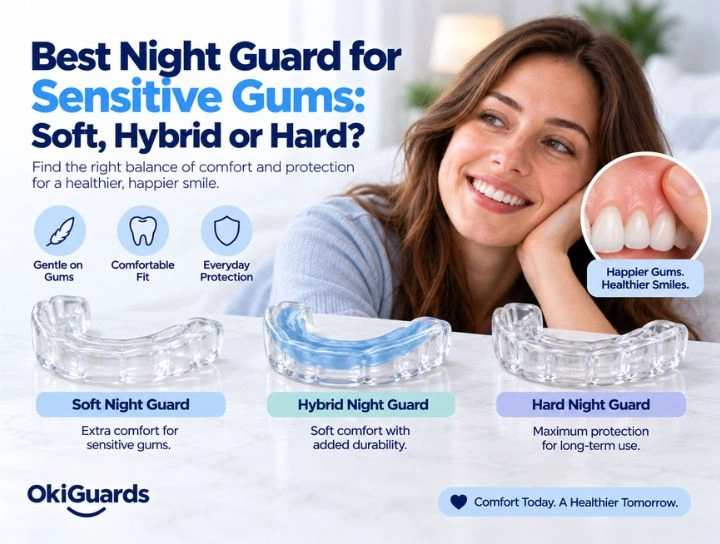
A custom night guard is made from impressions of your teeth, which helps it fit the shape of your mouth. This personalized fit can help reduce movement, support comfort, and make the appliance easier to wear consistently.Custom guards also offer a smoother experience because they are designed for your bite. A secure guard can help protect the teeth during grinding or clenching while supporting a more natural feel during sleep.OkiGuards offers custom night guards for different comfort preferences and grinding levels, including soft, hard, and hybrid styles. Choosing the right style can help your mouth feel more supported during the night.
Choosing the Right Night Guard Style
Different night guard styles can support different needs. The right choice depends on your grinding level, comfort preference, and dental guidance.
Soft Night Guard
A soft night guard has a flexible and cushioned feel. It can be a comfortable choice for light grinding and people who prefer a gentle appliance.
Hard Night Guard
A hard night guard provides a firm protective surface. It can support stronger grinding or clenching and offers durable nighttime protection.
Hybrid Night Guard
A hybrid night guard combines a soft inner layer with a hard outer layer. The inner layer supports comfort, while the outer layer supports strength.
A guard that matches your mouth and habits can help your nighttime routine feel more natural.
Bedtime Habits That Support Less Drooling
Simple bedtime habits can support a fresher and more comfortable night guard experience. These steps can help the mouth feel calm and ready for sleep.
Try this routine:
- Brush and floss before bed.
- Rinse your night guard with cool or lukewarm water.
- Place the guard securely over your teeth.
- Take a few slow nasal breaths.
- Let your lips close gently.
- Rest your head comfortably on your pillow.
- Clean and dry the guard in the morning.
This routine supports oral freshness, appliance comfort, and a steady sleep pattern.
How to Stop Drooling in Sleep With Better Mouth Posture
Good mouth posture can help support a balanced nighttime routine. Before sleeping, let your tongue rest gently near the roof of your mouth. Keep the lips closed softly and allow the jaw to feel relaxed.This position can encourage comfortable nasal breathing and help the mouth feel more settled. Practicing it for a minute before bed can make the habit feel more natural over time.
You can also use a simple reminder:
“Lips relaxed, tongue resting, jaw calm.”
This phrase can help guide the mouth into a comfortable position before sleep.
Cleaning Your Night Guard for a Fresh Feel
A clean guard supports a fresh mouth and a pleasant nighttime routine. Daily cleaning also helps the guard feel smooth and ready for use.
Use these steps:
- Rinse the guard after wearing it.
- Brush it gently with a soft toothbrush.
- Let it air-dry fully.
- Store it in a ventilated case.
- Keep it away from heat.
- Bring it to dental visits for fit checks.
A fresh guard can make each night feel more comfortable and support consistent use.
When to Ask a Dentist for Guidance
A dentist can help review your night guard fit, bite pattern, and oral comfort. Professional guidance is helpful when you want a more personalized routine or when your mouth is taking extra time to adjust.
Your dentist may check:
- Guard fit
- Bite balance
- Tooth protection
- Jaw movement
- Saliva patterns
- Mouth posture
- Appliance style
This guidance can help you enjoy a more comfortable custom night guard experience.
Frequently Asked Questions
Why do I drool in my sleep while wearing a night guard?
Your mouth may create extra saliva as it adjusts to the night guard. This is a natural response, and consistent use can help the mouth become more familiar with the appliance.
How can I reduce night guard drooling?
You can reduce night guard drooling by wearing the guard consistently, checking the fit, practicing nasal breathing, relaxing the jaw, and keeping the guard clean.
Can a custom night guard help with drooling at night?
A custom night guard can support a more secure and comfortable fit, which may help the mouth settle into the routine more easily.
What sleep position supports less drooling?
A comfortable head position with gentle support can help the mouth feel more balanced. Some people find that slight head elevation supports a fresher sleep routine.
How do I keep my night guard fresh?
Rinse it after use, brush it gently, let it dry fully, and store it in a ventilated case. A clean guard supports a fresh and comfortable bedtime routine.

Final note
Drooling at night while wearing a night guard can be part of the mouth’s natural adjustment process. With a custom fit, consistent use, relaxed mouth posture, and a simple bedtime routine, your mouth can feel more comfortable and balanced.A custom night guard can protect your teeth while supporting a smooth nighttime routine. With the right habits, your guard can become an easy part of sleep, helping your smile feel protected, fresh, and cared for.