Why Does TMJ Cause Neck Pain? And What to Do About It

A comfortable jaw and a relaxed neck can work together to support easier movement, better posture, and a smoother daily routine. Many people search for TMJ Cause Neck Pain because the jaw and neck often feel connected during speaking, chewing, working, and resting. When the jaw muscles become more active, nearby muscles in the face, neck, shoulders, and upper back may also become involved.The TMJ, or temporomandibular joint, helps the jaw open, close, and move side to side. This joint works closely with the muscles around the cheeks, temples, neck, and shoulders.
When the jaw carries extra tension, the neck may also ask for more support. A gentle care routine, relaxed posture, and nighttime tooth protection can help the jaw and neck feel more balanced.For people who clench or grind their teeth at night, a custom night guard can be a helpful part of a comfort-focused routine. OkiGuards offers custom night guards designed to support teeth grinding and clenching protection with soft, hard, and hybrid options.
The Jaw and Neck Connection
The jaw and neck share muscles, posture patterns, and daily movement habits. When you talk, chew, yawn, or focus at a desk, your jaw and neck both participate in the movement. This is why jaw and neck pain can feel connected for many people.A forward head position during screen time can make the neck muscles work harder. The jaw may also become more active when the head and shoulders are held in one position for a long time. When this pattern happens often, the jaw and neck may benefit from posture breaks, gentle stretching, and a relaxed jaw position.
A helpful jaw-resting position is simple. Keep your lips softly closed, your teeth slightly apart, and your tongue resting gently near the roof of your mouth. This position can help the jaw feel lighter and can also support the neck and shoulders.
Why TMJ Neck Pain May Happen
TMJ neck pain can happen because the jaw muscles and neck muscles work as a team. The muscles around the jaw connect with the head and neck through shared movement patterns. When the jaw feels tight, the neck may naturally become more active too.Teeth grinding and clenching can also add more pressure to the jaw muscles. This can make the jaw, cheeks, temples, and neck feel more aware in the morning. A custom night guard can help protect the teeth during sleep and support a smoother bite surface.The goal is to create more balance. When the jaw receives support, the neck may also feel more relaxed. When the neck and shoulders receive gentle care, the jaw may feel easier, too.
TMJ Muscle Tension and Daily Habits
TMJ muscle tension often appears during focused moments. People may clench their teeth while working, studying, driving, exercising, or concentrating. The jaw muscles may stay active without much notice, and this can influence the neck muscles as well.Small reminders can help the jaw return to a relaxed position. A sticky note, phone alarm, or desk reminder can say: “Teeth apart, jaw relaxed.” This phrase can help you check your jaw throughout the day.
Supportive daytime habits include:
- Letting the teeth stay slightly apart while resting
- Relaxing the shoulders during screen time
- Keeping the screen close to eye level
- Taking short movement breaks
- Drinking water throughout the day
- Using slow breathing during busy moments
- Stretching the neck gently
- Noticing when the jaw feels active
These habits can help the jaw and neck feel more comfortable as part of a steady routine.
Common TMJ Neck Pain Symptoms
TMJ neck pain symptoms can appear in different ways. These signs can help you understand when the jaw and neck may need extra support.
You may notice:
- Neck tightness after clenching
- Jaw soreness in the morning
- Tenderness near the cheeks
- Tension near the temples
- Shoulder tightness during focused work
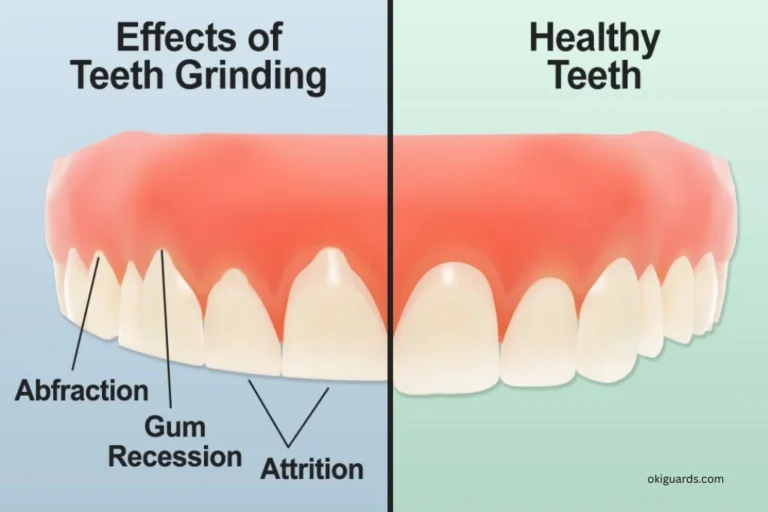
- Tooth sensitivity from grinding
- A tired feeling around the jaw
- Clicking or popping during jaw movement
- Head and neck pressure after long screen time
These signs can guide a more personal care plan. A dentist can check tooth wear, bite pressure, and night guard needs. A healthcare professional can also guide neck posture and muscle support.
How Teeth Grinding Can Add to Jaw and Neck Tension
Teeth grinding can make the jaw muscles work while the body is resting. The jaw may press the teeth together during sleep, and this pressure can affect the muscles around the face and neck. A night guard can help by creating a smooth layer between the teeth.
A custom night guard supports the smile in several ways:
- It helps protect tooth enamel.
- It creates a smoother bite surface.
- It supports nighttime clenching care.
- It helps reduce direct tooth-to-tooth contact.
- It gives the jaw a more stable surface during sleep.
- It can become part of a calming bedtime routine.
A custom-fit guard can feel more natural because it is made from impressions of your own teeth. This personalized fit can make nightly use easier and more consistent.
TMJ Pain Relief With Gentle At-Home Steps
TMJ pain relief can begin with soft, steady habits that support both the jaw and neck. The best routine is easy to repeat and comfortable to maintain.
Try these gentle steps:
1. Practice Jaw Rest Position
Keep your lips together, teeth apart, and tongue resting softly near the roof of your mouth. This position can help reduce extra jaw activity during the day.
2. Add Neck and Shoulder Breaks
Short posture breaks can help the neck feel refreshed. Roll your shoulders gently, sit tall, and let the head balance comfortably over the spine.
3. Use Warmth for Comfort
A warm compress along the jawline or neck can feel soothing. This can be part of an evening wind-down routine.
4. Choose Softer Foods During Tender Days
Soft meals can make chewing feel easier when the jaw needs extra care. Smooth soups, eggs, oatmeal, yogurt, rice, and cooked vegetables can support comfort.
5. Wear a Custom Night Guard
A night guard can help protect the teeth during clenching or grinding. This can support the jaw while you sleep and help your morning routine feel smoother.
TMJ Treatment and Professional Guidance
TMJ treatment works best when it matches your personal jaw pattern, bite, posture, and comfort needs. A dentist can review your teeth, jaw movement, bite pressure, and signs of grinding. This guidance can help you choose the best night guard style and comfort routine.
A professional may discuss:
- Bite evaluation
- Tooth wear review
- Night guard options
- Jaw movement checks
- Muscle relaxation habits
- Posture support
- Daily clenching awareness
- Dental appliance fit
This kind of guidance helps create a clear and supportive plan. It also helps you feel more confident about each step.
Choosing a Night Guard for TMJ Muscle Support
A custom night guard can support people who grind or clench while sleeping. OkiGuards provides custom options that help users match their appliance to their grinding level and comfort preference.
Soft Night Guard
A soft night guard has a cushioned feel. It can suit lighter grinding and people who prefer a flexible appliance.
Hard Night Guard
A hard night guard provides a firm protective surface. It can support stronger clenching and heavier grinding.
Hybrid Night Guard
A hybrid night guard combines a soft inner layer with a firmer outer layer. It can offer comfort against the teeth and strength on the bite surface.
The best choice can depend on your bite, clenching level, and dentist’s guidance.
A Daily Jaw-Neck Comfort Routine
A Daily Jaw-Neck Comfort Routine
A simple routine can help connect daytime awareness with nighttime protection.
Morning:
Rinse and clean your night guard after use. Notice how your jaw and neck feel as the day begins.
Midday:
Take a posture break, relax your shoulders, and keep your teeth slightly apart while working.
Evening:
Use warmth around the jaw or neck, choose gentle chewing habits, and practice slow breathing.
Bedtime:
Brush, floss, rinse your guard, place it securely, and let your jaw settle into rest.
This rhythm can help the jaw and neck feel supported throughout the day.
Frequently Asked Questions
Why does TMJ cause neck pain?
TMJ can cause neck pain because the jaw and neck muscles work together during movement, posture, clenching, and daily activities.
What are common TMJ neck pain symptoms?
Common TMJ neck pain symptoms include jaw tightness, neck tension, shoulder tightness, facial muscle tenderness, tooth sensitivity, and morning jaw soreness.
Can jaw and neck pain be connected with teeth grinding?
Yes, jaw and neck pain can be connected with teeth grinding because grinding can make the jaw muscles more active during sleep.
What helps with TMJ pain relief at home?
Warm compresses, relaxed jaw posture, neck and shoulder breaks, soft foods, slow breathing, and a custom night guard can support TMJ pain relief.
What TMJ treatment may help with clenching?
A dentist may recommend bite evaluation, custom night guard use, jaw relaxation habits, posture support, and regular appliance fit checks.

Final note
TMJ can cause neck pain because the jaw, neck, shoulders, and posture work closely together. When the jaw muscles become more active, the neck may also benefit from extra support. Gentle stretching, posture breaks, warm compresses, relaxed jaw habits, and a custom night guard can all support a more comfortable routine.A custom night guard can be especially helpful when clenching or grinding adds pressure during sleep. With the right care plan, your jaw and neck can feel more balanced, your smile can feel protected, and your daily routine can feel easier.