Callus on Tongue: Can Teeth Grinding or Clenching Cause It?
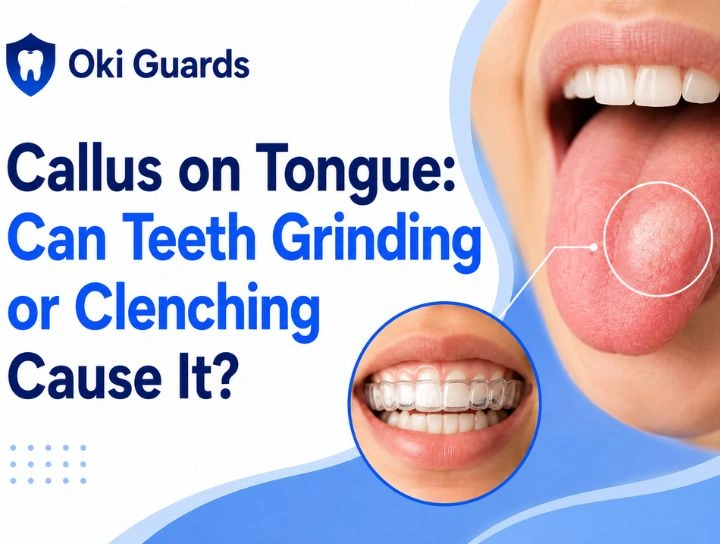
A healthy tongue helps with speaking, chewing, swallowing, and enjoying food every day. When a small thickened area appears on the tongue, many people describe it as a callus on the tongue tissue. This change can feel smooth, firm, or slightly raised, and it often gives helpful clues about how the tongue rests against the teeth. A callus on the tongue from teeth can appear when the tongue repeatedly touches the edges of the teeth. Teeth grinding and clenching can add extra contact between the tongue, teeth, and jaw during sleep or focus time. This repeated contact can encourage the tongue surface to become thicker in one area, much like skin becomes firmer when it receives steady pressure. The encouraging part is that tongue comfort can improve with gentle awareness, better jaw posture, dental guidance, and nighttime tooth protection. When the mouth gets the right support, the tongue can rest more comfortably, and your daily routine can feel easier.
What is a Callus on the tongue?
A callus on the tongue is a small area where the surface tissue feels thicker or firmer. It may appear along the side of the tongue, near the tip, or in an area that often touches the teeth. Many people notice it while brushing, eating, or checking their mouth in the mirror. A white callus on the tongue tissue can look like a pale patch or a smooth, raised area. This appearance can happen when the tongue surface responds to regular contact. The tongue is flexible and active so that it can noticeably respond to daily pressure patterns. A dental professional can look at the area and help confirm what type of care fits best. This guidance can give you confidence and help your mouth feel supported.
Can Teeth Grinding or Clenching Cause a Tongue Callus?
Teeth grinding and clenching can contribute to a tongue callus because they increase pressure inside the mouth. During grinding or clenching, the jaw muscles become active, and the tongue may press against the teeth. This pressure can create repeated contact along the tongue edges. People who clench during sleep may notice a stronger bite feeling, jaw tightness, or gentle impressions on the tongue edges when waking. These signs can help connect tongue changes with nighttime oral habits. A custom night guard can help create a smoother barrier between the teeth and support a more comfortable sleep routine. OkiGuards custom night guards are designed for different grinding and clenching levels, including soft, hybrid, and hard options. This support can help protect the teeth and encourage a calmer mouth position during rest.
Teeth Marks on Tongue
Teeth marks on the tongue edges can appear when the tongue rests closely against the teeth. These marks may look like small waves or scalloped edges along the sides of the tongue. They can give a helpful sign that the tongue and teeth spend extra time in contact. Teeth marks can connect with clenching, jaw posture, tongue posture, or a narrow resting space in the mouth. A relaxed mouth posture can support tongue comfort during the day. Keep your lips gently together, your teeth slightly apart, and your tongue resting softly on the roof of your mouth.
This calm position can help reduce extra contact and support a more balanced oral routine.
Why a White Callus on the Tongue May Appear
A white callus on the tongue tissue often appears where the tongue meets the teeth. The surface may look lighter because the tissue becomes thicker in that area. This response can be the tongue’s way of adapting to repeated contact. A smooth white area along the side of the tongue may also connect with cheek or tongue rubbing during chewing, speaking, or sleeping. Observing the location can help you understand the pattern. A spot that lines up with a tooth edge can point toward tongue-to-tooth contact. A dental check can help review tooth edges, bite pressure, and oral appliance needs. This step can make your care plan more personal and effective.
Tongue Callus Treatment
Tongue callus treatment usually focuses on reducing repeated pressure and supporting a comfortable mouth environment. A dentist can smooth a sharp tooth edge, review your bite, or suggest a night guard when grinding or clenching is part of the pattern. Daily habits can also help. Practice relaxed jaw posture during work, driving, studying, or screen time. Place your tongue gently on the roof of your mouth and let your teeth stay slightly apart. This simple habit can give the tongue more space and support. A warm saltwater rinse can help the mouth feel fresh and comfortable. Gentle brushing of the tongue can also support a clean surface. Soft foods can feel pleasant while the area settles into a smoother routine.
How a Night Guard Can Help
A night guard can help when the tongue callus connects with grinding or clenching. The guard creates a custom layer over the teeth and helps guide nighttime bite pressure. This barrier can support tooth protection and help the mouth feel more balanced during sleep. A custom fit matters because the appliance follows the shape of your teeth. A close fit helps the guard stay stable and comfortable. Consistent use can support a calmer nighttime routine and reduce repeated tooth-to-tongue contact patterns. OkiGuards offers custom night guards that match different grinding needs. A soft guard can feel gentle, a hybrid guard can balance comfort and strength, and a hard guard can support stronger clenching patterns.
Helpful Daily Habits for Tongue Comfort
Tongue comfort often improves with simple daily awareness. Notice when your teeth touch during the day. Let your jaw relax and keep your teeth slightly apart. This small adjustment can support the tongue, jaw, and teeth together. Drink water throughout the day to keep your mouth feeling fresh. Clean your teeth and tongue gently each morning and night. Use a soft toothbrush and light pressure for a comfortable routine. Choose smooth foods when your tongue feels sensitive. Yogurt, eggs, soup, oatmeal, soft rice, and smoothies can make meals feel easy. A calm food routine can support oral comfort while you improve your habits.
When to Get Dental Guidance
Dental guidance can help when a tongue callus stays noticeable, feels raised, changes in shape, or lines up with a tooth edge. A dentist can review the area, check your bite, and suggest supportive next steps. A professional visit can also help identify clenching or grinding patterns. This makes it easier to choose the right appliance and daily routine. Early guidance can help your mouth feel more comfortable and supported.
Frequently Asked Questions
What causes a callus on the tongue?
A callus on the tongue tissue can develop from repeated contact with teeth, tongue posture, clenching, grinding, or a tooth edge that touches the same area often.
Can teeth grinding create a tongue callus?
Teeth grinding can contribute to a tongue callus because it increases contact between the tongue, teeth, and jaw during sleep.
What do teeth marks on the tongue mean?
Teeth marks on tongue edges can show that the tongue rests closely against the teeth or that clenching creates extra contact.
How can I support tongue callus treatment at home?
You can support tongue callus treatment with relaxed jaw posture, gentle oral cleaning, hydration, soft foods, and dental guidance.
Can a night guard help a tongue callus?
A night guard can help when grinding or clenching contributes to repeated tongue-to-teeth contact during sleep.

Final note
A callus on the tongue tissue can connect with teeth grinding, clenching, tongue posture, and repeated contact with the teeth. Teeth marks on tongue edges, and a white callus on tongue surfaces can guide you toward better awareness and supportive care. A positive routine can include relaxed jaw posture, gentle cleaning, hydration, soft foods, dental guidance, and a custom night guard when nighttime clenching plays a role. With steady habits and the right support, your tongue can feel more comfortable, your jaw can feel more relaxed, and your smile can feel well-protected.