Does Bruxism Go Away? Can Teeth Grinding Heal on Its Own?
A calm jaw, comfortable teeth, and a relaxed sleep routine can support a healthier smile every day. Bruxism, also called teeth grinding or clenching, is a common oral habit that can improve with the right awareness, daily care, and dental support. Many people ask, “Does bruxism go away?” because they want to understand how long teeth grinding may last and what steps can help the mouth feel more balanced. Bruxism can become easier to manage when you understand your triggers, support your jaw muscles, and protect your teeth during sleep. Some people experience teeth grinding during a busy season of life. Some people notice clenching during focus time, sleep, or moments of stress. A steady care routine can help the jaw feel calmer, and the teeth feel better supported. The goal is to create a positive plan that supports comfort. A custom night guard, relaxed jaw posture, better sleep habits, and regular dental guidance can all help reduce grinding pressure and support long-term oral wellness.
What Is Bruxism?
Bruxism is the habit of grinding, pressing, or clenching the teeth. It can happen during sleep or while awake. Sleep bruxism often shows up through morning jaw tightness, tooth sensitivity, or facial tension. Awake bruxism often appears during work, studying, driving, screen time, or deep concentration. Bruxism is connected with jaw muscle activity. The jaw muscles can become more active when the body is focused, alert, or adjusting to daily pressure. Understanding this pattern helps you choose calming habits that support your teeth and jaw. A supportive bruxism routine can include a custom night guard, gentle jaw stretches, slower breathing, and dental checkups. These steps can help your mouth feel more comfortable and protected.
Does Bruxism Go Away?
Bruxism can improve over time, especially when the cause is connected with stress, sleep changes, lifestyle habits, or temporary routines. Many people notice that teeth grinding becomes easier to manage when they create a calmer bedtime rhythm and pay attention to jaw posture during the day. The answer depends on your personal pattern. Some people experience bruxism for a short season. Some people manage it as an ongoing oral habit. Both situations can be supported with the right care. A positive approach works well. Instead of waiting and wondering, you can build a routine that supports your smile now. This routine can include tooth protection at night, jaw relaxation during the day, and dental guidance that fits your mouth.
Can Bruxism Be Cured?
Many people ask, “Can bruxism be cured?” because they want a clear and hopeful answer. Bruxism can improve greatly with the right care plan. Some people experience a full shift in their grinding pattern when daily habits, stress support, sleep quality, and dental care work together.
A helpful way to think about bruxism is through management and protection. Your jaw can learn more relaxed patterns. Your teeth can receive better protection. Your bedtime routine can become calmer. Your dental team can help guide the best treatment path. Teeth grinding treatment works best when it matches your lifestyle. A custom night guard can protect your teeth during sleep. Relaxed jaw posture can support daytime comfort. Calming habits can support your nervous system before bed.
How Long Does Bruxism Last?
The length of bruxism can vary from person to person. Some people may notice increased grinding during periods of stress or life changes. Some people have a longer pattern that improves with consistent support. Your timeline depends on sleep habits, stress patterns, bite comfort, jaw posture, and dental guidance. A consistent routine can help create progress. When you protect your teeth every night and relax your jaw during the day, your mouth receives steady support. This steady support can help your bruxism pattern become easier to manage. Tracking your symptoms can also help. Notice how your jaw feels in the morning. Notice when your teeth touch during the day. Notice how your sleep routine affects your comfort. These small observations can guide your next steps.
Can Teeth Grinding Heal on Its Own?
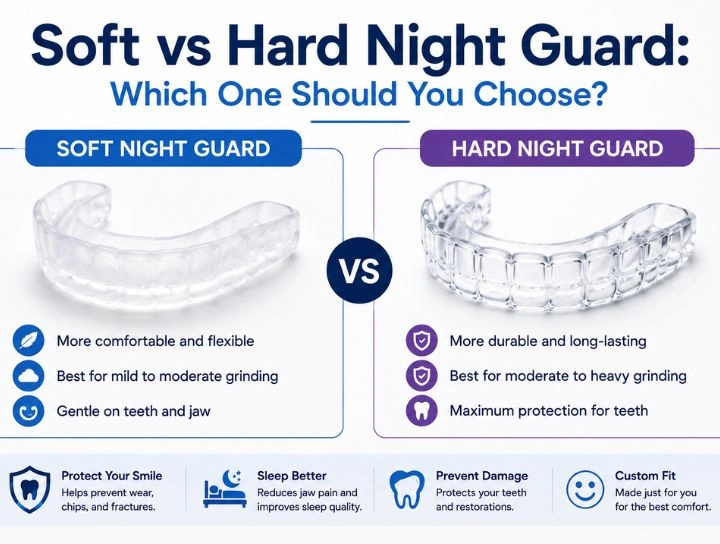
Teeth grinding can improve naturally when the reason behind it becomes lighter. A calmer schedule, better sleep, less jaw tension, and improved daily awareness can all help the mouth feel more relaxed. Some people notice a positive change when they improve their bedtime routine and manage daytime clenching. Even when bruxism improves on its own, tooth protection can still be helpful during the process. A night guard can support your smile while your habits improve. It gives your teeth a smooth layer of protection and helps your jaw feel more supported during sleep. A custom night guard from OkiGuards can support people who want a simple and comfortable way to protect their teeth at night. Soft, hybrid, and hard options can match different grinding levels and comfort needs.
Teeth Grinding Treatment Options
Teeth grinding treatment can include several supportive steps. A custom night guard is one of the most common options for sleep bruxism. It helps create a protective barrier between the upper and lower teeth. Daytime awareness is another helpful step. Keep your lips gently together, your teeth slightly apart, and your tongue resting softly on the roof of your mouth. This relaxed position can help your jaw feel calm during work, study, or screen time. A calming bedtime routine can also support bruxism treatment. Soft lighting, quiet activities, gentle stretching, and slow breathing can help your body move into rest. A steady sleep schedule can make this routine feel natural. Dental guidance can help you understand your bite, tooth surfaces, and jaw movement. A dentist can help you choose the best plan for your smile.
How to Stop Teeth Grinding With Daily Habits
Learning how to stop teeth grinding starts with small habits that support relaxation. Jaw awareness during the day can help reduce clenching patterns. A simple reminder on your phone can help you check your jaw position. Breathing exercises can help your face and jaw feel softer. Try slow breathing for a few minutes before bed. Relax your shoulders, loosen your jaw, and let your tongue rest gently. Hydration can also support a fresh mouth and comfortable muscles. Drinking water throughout the day helps your body feel balanced. Gentle neck and shoulder stretches can also support jaw comfort because the jaw works closely with nearby muscles. A custom night guard can support your routine every night. OkiGuards custom night guards are made to fit your teeth closely, which can help make protection feel comfortable and consistent.
When to Get Dental Guidance
Dental guidance can help when you notice morning jaw tightness, tooth sensitivity, facial tension, or a strong clenching habit. A dentist can check your teeth, bite, jaw movement, and appliance needs. This support can help you choose a treatment plan with confidence.
Professional care can also help you understand your progress. Your dentist can compare changes over time and help adjust your plan as your needs change. This makes bruxism care more personal and effective.
Frequently Asked Questions
Does bruxism go away with time?
Bruxism can improve with time, especially when daily habits, sleep routine, and stress support become more balanced.
Can bruxism be cured?
Bruxism can be improved greatly with a supportive plan that includes dental guidance, jaw relaxation, and tooth protection.
How long does bruxism last?
Bruxism can last for a short season or continue as an oral habit, and consistent care can help support comfort at every stage.
What is the best teeth grinding treatment?
The best teeth grinding treatment often includes a custom night guard, relaxed jaw posture, bedtime relaxation, and dental guidance.
How to stop teeth grinding at night?
A calm bedtime routine, a custom night guard, gentle breathing, and consistent sleep habits can help support nighttime comfort.

Final note
Bruxism can improve with awareness, steady care, and the right support. Some people notice teeth grinding becomes lighter over time, and others manage it with a consistent routine that protects the teeth and relaxes the jaw. A positive bruxism care plan can include a custom night guard, daytime jaw awareness, calming bedtime habits, and regular dental guidance. With these steps, your teeth can feel protected, your jaw can feel supported, and your smile can stay comfortable every day.