Vitamin D and Teeth Grinding: A Smile-Friendly Wellness Guide
A healthy smile works best when the teeth, jaw muscles, daily habits, and overall wellness routine all receive steady care. Many people search for vitamin D and teeth grinding because they want to understand how nutrients, muscle comfort, and nighttime jaw habits may connect. This topic is helpful for anyone who wants stronger tooth support, better jaw awareness, and a more balanced bedtime routine.Vitamin D supports the body in many important ways. It is often discussed for bone strength, tooth wellness, muscle function, and overall body balance. Since the jaw includes teeth, bones, joints, and muscles, many people naturally wonder whether vitamin D levels may influence grinding, clenching, or jaw comfort.
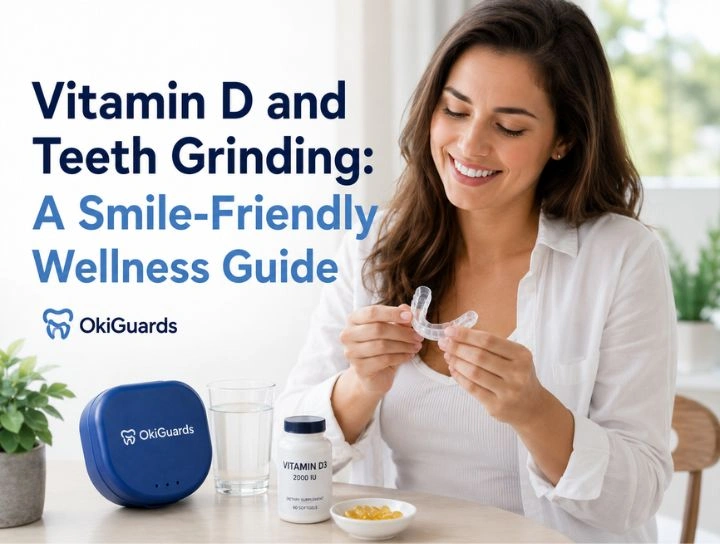
Teeth grinding, also called bruxism, can happen during sleep or during focused daytime moments. A custom night guard can help protect the teeth by creating a smooth layer between the upper and lower teeth. OkiGuards custom night guards are designed to support people who want comfortable tooth protection for grinding and clenching.
The Link Between Vitamin D and Teeth Health
Vitamin D and teeth health is an important topic because teeth and bones benefit from strong mineral support. Vitamin D helps the body use calcium and phosphorus, which are important for strong teeth and healthy bone structure. A wellness routine that includes nutrient awareness, dental care, and night guard protection can help the smile feel well-supported.
A balanced smile routine may include regular brushing, daily flossing, hydration, nutritious meals, dental checkups, and a custom guard when grinding happens at night. Each habit brings value to the mouth. Together, these habits can support cleaner teeth, stronger enamel care, and a more comfortable jaw routine.When people explore vitamin D and oral wellness, they often want a complete plan. That plan can include both body support and smile protection.
Vitamin D and Teeth Grinding: A Balanced View
The phrase vitamin D and teeth grinding often appears when people notice jaw tightness, tooth sensitivity, or grinding during sleep. A balanced view is helpful because teeth grinding can have many influences. Sleep habits, stress patterns, bite pressure, jaw muscle activity, posture, and overall wellness can all be part of the picture.Vitamin D may be one wellness factor to discuss when someone is thinking about muscle comfort, bone support, and tooth health. A healthcare professional can guide vitamin D questions through proper testing and personal advice. A dentist can review tooth wear, jaw movement, and night guard needs.This combined approach supports both body awareness and smile protection. It also helps people take clear, practical steps.
Vitamin D Deficiency Teeth Grinding: What People Want to Know
Many people search for vitamin D deficiency and teeth grinding because they want to understand whether low nutrient levels may be connected with nighttime jaw activity. This question can be approached calmly and practically. Vitamin D levels can influence overall wellness, while multiple daily and nighttime factors can shape teeth grinding.A supportive plan can include checking wellness levels with a healthcare professional and protecting the teeth with a custom night guard. This plan helps a person care for the body and smile at the same time.If grinding happens often, a custom night guard can provide immediate tooth protection during sleep. It creates a barrier between the teeth and helps reduce direct tooth contact. This can support enamel care while the person explores possible body-related factors.
Vitamin D Bruxism and Jaw Muscle Awareness
Vitamin D bruxism is a search phrase people use when they want to understand nutrition and jaw habits together. Bruxism involves clenching, grinding, or pressing the teeth together. Since jaw muscles play a major role in this habit, people often think about muscle support and nutrient balance.Jaw muscles can become active during sleep, focused work, screen time, or emotional moments. A relaxed jaw position during the day can help the muscles feel lighter. A custom night guard at night can help protect the teeth when grinding or clenching happens during sleep.
A good daytime resting position is simple. Keep the lips softly closed. Let the teeth stay slightly apart. Rest the tongue gently near the roof of the mouth. Let the shoulders feel relaxed. This position supports jaw comfort and helps reduce extra tooth contact during the day.
Vitamin D Deficiency Jaw Pain and Comfort Support
The phrase vitamin D deficiency jaw pain is often searched by people who want to understand muscle and jaw comfort more clearly. Jaw comfort can be influenced by sleep, posture, clenching, tooth pressure, daily stress habits, and overall wellness. Vitamin D awareness can be part of a broader comfort plan.A gentle jaw care routine can help the face and jaw feel more relaxed. Warmth, soft chewing, slow breathing, and posture breaks can support daily comfort. A custom night guard can support nighttime protection when clenching or grinding is part of the routine.Professional guidance can make this plan more personal. A healthcare professional can help with vitamin D questions. A dentist can help with grinding, bite pressure, and night guard selection.
Low Vitamin D Muscle Pain and Jaw Support
Low vitamin D muscle pain is another phrase people use when exploring nutrient levels and muscle comfort. The jaw includes powerful muscles, and these muscles benefit from a calm daily routine. When people think about muscle comfort, they can also think about posture, hydration, relaxation, sleep habits, and dental protection.
Simple jaw support habits can make the day feel easier:
- Take slow breathing breaks during focused work.
- Keep the teeth slightly apart when resting.
- Relax the shoulders during screen time.
- Keep the screen near eye level.
- Drink water throughout the day.
- Choose softer foods when the jaw wants extra care.
- Wear a custom night guard during sleep grinding.
These habits can support the jaw and help the mouth feel more balanced.
How a Custom Night Guard Supports Teeth Grinding
A custom night guard is made from impressions of your teeth. This helps the appliance fit closely and comfortably. A secure fit can make nightly use feel easier and more natural.A night guard supports teeth grinding care by creating a smooth layer between the upper and lower teeth. This layer helps protect enamel, reduce direct tooth contact, and support a more comfortable bite surface during sleep.OkiGuards offers custom night guards for different grinding and clenching levels. The main options include soft, hard, and hybrid guards, which makes it easier to choose a style that matches your comfort needs.
A Wellness Plan for Vitamin D and Jaw Habits
A positive plan can bring together nutrient awareness, jaw relaxation, and tooth protection. This type of routine can support both daily comfort and nighttime care.
Try this simple plan:
- Track grinding patterns and morning jaw comfort.
- Ask a healthcare professional about vitamin D testing when wellness questions come up.
- Schedule a dental visit for a bite and tooth review.
- Wear a custom night guard during sleep grinding.
- Practice relaxed jaw posture during the day.
- Build a calm bedtime routine.
- Keep the night guard clean and fresh.
This plan helps organize your next steps and keeps the focus on complete smile support.
Bedtime Routine for Grinding Support
A calm bedtime routine can help the jaw feel ready for rest. Brush gently, floss carefully, rinse your guard, and place it securely over your teeth. Take a few slow breaths and let your shoulders relax.
A simple reminder can help guide the jaw:
Lips relaxed, teeth protected, jaw calm.
This phrase can make your bedtime routine feel intentional and comfortable. The night guard then supports your teeth while you sleep.
Cleaning Your Night Guard
A clean guard supports a fresh mouth and a pleasant routine. Daily care also helps the appliance feel smooth and ready for use.
Use these easy steps:
- Rinse the guard after wearing it.
- Brush it gently with a soft toothbrush.
- Let it air-dry fully.
- Store it in a ventilated case.
- Keep it away from heat.
- Check the fit regularly.
This routine supports freshness and helps the guard stay comfortable.
Frequently Asked Questions
Can vitamin D and teeth grinding be connected?
Vitamin D and teeth grinding can be considered together when someone is looking at tooth health, muscle comfort, sleep patterns, and overall wellness.
What does vitamin D deficiency mean in terms of teeth grinding?
Vitamin D deficiency, teeth grinding is a search phrase people use when exploring whether nutrient levels may relate to nighttime jaw activity and grinding habits.
How does vitamin D support teeth’s health?
Vitamin D supports teeth’s health by helping the body use minerals that support strong teeth and bone structure.
Can a night guard help with bruxism?
Yes, a custom night guard can help protect the teeth during bruxism by creating a smooth layer between the upper and lower teeth.
What is a helpful routine for vitamin D bruxism concerns?
A helpful routine can include professional vitamin D guidance, dental checkups, relaxed jaw posture, a calm bedtime routine, and a custom OkiGuards night guard.

Final note
Vitamin D and teeth grinding can be explored together as part of a complete wellness and oral care routine. Vitamin D supports tooth and bone health, while a custom night guard supports tooth protection during grinding or clenching. A balanced plan can include nutrient awareness, professional guidance, relaxed jaw habits, and consistent nighttime protection.OkiGuards custom night guards can help protect the teeth while you continue building a healthy smile routine. With soft, hard, and hybrid options, you can choose a guard style that supports your grinding level and comfort preference.A steady routine can help your teeth feel protected, your jaw feel cared for, and your smile feel confident every day.