Managing Teeth Grinding in People With Ehlers-Danlos Syndrome

Living with Ehlers-Danlos Syndrome often means paying closer attention to the body’s joints, tissues, muscles, and daily comfort. Because EDS affects connective tissue, many people focus on flexibility, skin, posture, and joint support. Oral health deserves the same thoughtful attention. The mouth, jaw, gums, teeth, and temporomandibular joints all rely on connective tissue, which makes dental care an important part of an EDS-friendly wellness routine. The Ehlers-Danlos Society notes that mouth and jaw structures can be affected differently across EDS types, and oral health support can play a helpful role in daily comfort.
One concern that many people with EDS pay attention to is teeth grinding, also known as bruxism. Teeth grinding can happen during sleep or during the day, often as a response to stress, jaw tension, bite changes, sleep patterns, or muscle activity. For someone with EDS, jaw comfort may already be a priority, so managing grinding with a gentle, consistent approach can support better mornings, smoother dental routines, and a more relaxed jaw.
A custom teeth grinding night guard can be part of that supportive routine. When made to fit the mouth properly, a night guard creates a protective layer between the upper and lower teeth. For people who clench or grind, this layer helps reduce direct tooth-to-tooth contact while supporting a more comfortable nighttime experience.
Understanding Ehlers-Danlos Syndrome and Oral Health
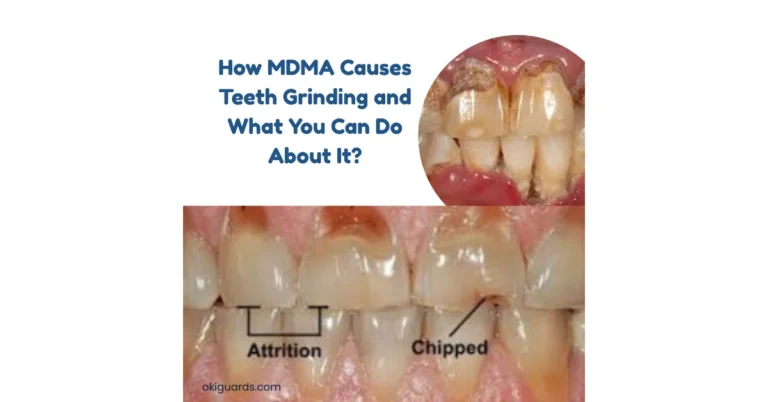
Ehlers-Danlos Syndrome is a group of connective tissue conditions. Connective tissue supports the body’s joints, skin, blood vessels, gums, ligaments, and other structures. Because the mouth contains soft tissue, ligaments, bone support, and jaw joints, oral care can become an important part of EDS management.Common Ehlers-Danlos syndrome symptoms may include joint hypermobility, stretchy or delicate skin, muscle discomfort, fatigue, and joint-related sensitivity.In the dental area, people may notice gum sensitivity, jaw clicking, jaw tension, tooth wear from grinding, or increased awareness during dental visits—highlighting the importance of gentle care and regular checkups for a healthier smile.
The Ehlers-Danlos Society highlights that people with EDS benefit from high-quality oral hygiene and regular dental care. At the same time, the TMJ Association notes that EDS is associated with a higher risk of TMJ-related concerns.This makes a personalized dental care plan especially valuable. A dentist who understands EDS can help review tooth wear, jaw movement, bite balance, gum health, and night guard suitability. With the right guidance, people with EDS can build a routine that feels steady, comfortable, and practical.
How EDS Dental Problems May Connect With Teeth Grinding
The phrase EDS dental problems can include several oral health concerns. Some people focus on gum health, enamel wear, jaw movement, or comfort during dental procedures. Others notice that their jaw muscles work harder during the day or feel tight after sleep.
Teeth grinding may add extra pressure to the teeth and jaw muscles. For people with EDS, the jaw joint may already need supportive care because of joint mobility and connective tissue differences. TMJ-related pain has been reported in people with EDS, and joint hypermobility can contribute to mandibular instability and muscle guarding.
A helpful way to understand the connection is to look at the jaw as a teamwork system:
- Teeth guide chewing and bite contact.
- Jaw joints support opening and closing.
- Muscles control movement and clenching force.
- Ligaments and connective tissues support stability.
- A night guard provides a protective layer during sleep.
When each part receives the right support, daily comfort can feel more balanced. That is why people with EDS often benefit from an oral care routine that includes professional dental checkups, gentle hygiene habits, jaw relaxation practices, and a well-fitted night guard when grinding is present.
EDS Jaw Pain and Nighttime Grinding
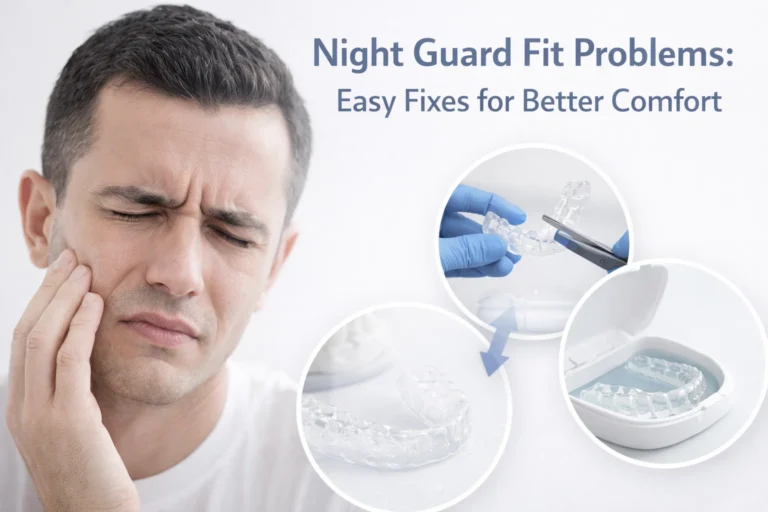
EDS jaw pain can show up in different ways. Some people feel morning tightness.Some people may notice clicking or popping, which can encourage better jaw care and attention. Others may feel muscle fatigue near the cheeks, temples, or around the jawline, reminding them to focus on relaxation and gentle jaw care. Because the jaw joint is used all day for speaking, chewing, smiling, and swallowing, even small changes in nighttime muscle activity can be noticeable in the morning.Teeth grinding during sleep can make the jaw muscles work while the body is resting. A teeth-grinding night guard helps create a smooth barrier between the teeth.
This can be especially useful for people who wake up with tooth sensitivity, visible wear, or a sense that their jaw worked overnight.A night guard is a supportive dental appliance rather than a cure for EDS or jaw disorders. It works best as part of a broader routine that may include dental care, medical guidance, posture awareness, hydration, stress management, and gentle jaw relaxation.
Why a Custom Teeth Grinding Night Guard Can Help
A custom night guard is made from impressions of the person’s teeth. This gives it a fit that matches the shape of the mouth. Compared with one-size options, a custom appliance can feel more natural because it is designed around the user’s own bite.For people with EDS, comfort and fit matter. A guard who feels secure can support a steady nighttime routine. A custom-fit guard can also help protect dental work, enamel surfaces, and the bite area from direct grinding pressure.
OkiGuards offers custom night guards designed for different grinding needs, including soft, hard, and hybrid options. These choices allow users to select a style based on comfort preference, grinding level, and dentist guidance.
Choosing the Right Type of Night Guard
Different people experience teeth grinding in different ways. Some grind lightly. Some clench firmly. Some want a softer feel. Others prefer stronger durability. Matching the guard type to the person’s needs can make the routine feel easier and more effective.
Soft Night Guards
Soft night guards are often chosen by people who prefer a flexible, cushion-like feel. They can be a good match for light to light-moderate grinding. The softer material can feel gentle in the mouth, which may appeal to users who prioritize comfort.
A soft guard may suit someone who:
- Wants a comfortable first night guard experience
- Experiences mild grinding
- Prefers a gentler feel against the teeth
- Wants a simple protective layer during sleep
Hard Night Guards
Hard night guards are designed for people who experience stronger clenching or grinding. They provide a durable surface between the teeth and can support people who need a firmer appliance.
A hard guard may suit someone who:
- Grinds or clenches with more force
- Wants a durable option
- Has visible wear patterns from grinding
- Receives a dentist’s recommendation for a firmer guard
Hybrid Night Guards
Hybrid night guards combine a softer inner layer with a harder outer layer. This style offers comfort on the inside and strength on the outside. For many users, this balance feels practical because it provides cushioning and durability in one appliance.
A hybrid guard may suit someone who:
- Wants comfort and strength together
- Experiences moderate grinding
- Likes a softer feel against the teeth
- Wants a guard built for everyday nighttime use
Retainers
Retainers are designed to help maintain tooth position after orthodontic treatment. They are different from night guards. For someone with EDS who has completed braces or aligners, retainers may be part of a dental plan for keeping the teeth aligned. A dentist can help decide whether a retainer, night guard, or another appliance is the right choice based on grinding, bite, and tooth movement.
Building an EDS-Friendly Night Routine
A calming nighttime routine can support the jaw, the nervous system, and the teeth. For people with EDS, gentle consistency often feels better than intense changes. Small habits can create a smoother transition into sleep and help the mouth feel more supported.
Here is a simple routine to consider:
- Brush and floss gently using dentist-approved techniques.
- Rinse the night guard before placing it in the mouth.
- Place the guard carefully and check that it feels seated.
- Relax the tongue on the roof of the mouth.
- Let the lips close softly.
- Breathe calmly through the nose when comfortable.
- Store the guard in its case after morning cleaning.
This routine supports both oral hygiene and appliance care. It also creates a clear habit loop, which makes wearing the guard feel natural over time.
Gentle Jaw Care Habits During the Day
Nighttime grinding support becomes even better when paired with daytime jaw awareness. Many people hold tension in the jaw while focusing, driving, working, or using a phone. A few mindful habits can help the jaw feel more relaxed throughout the day.
Try these jaw-friendly reminders:
- Keep the teeth slightly apart when resting.
- Let the tongue rest gently near the roof of the mouth.
- Take soft breaths during busy moments.
- Choose relaxed chewing patterns.
- Support posture during screen time.
- Mention jaw symptoms during dental appointments.
For people with EDS, body awareness can be a powerful tool. Since joints and tissues may respond strongly to daily habits, gentle jaw positioning and supportive routines can make oral care feel more comfortable.
When to Talk With a Dentist
A dentist can help check tooth wear, gum health, bite patterns, and jaw movement. For people with EDS, it can also be helpful to tell the dental team about hypermobility, jaw clicking, easy tissue sensitivity, medication use, and previous experiences with dental impressions. The Canadian Dental Hygienists Association notes that consultation with a patient’s EDS specialist or physician may be advisable before dental hygiene treatment in some cases, including mouth guard fitting and impressions.
Helpful topics to discuss include:
- Morning jaw tightness
- Tooth wear or enamel changes
- Clicking, popping, or jaw fatigue
- Gum sensitivity
- Orthodontic history
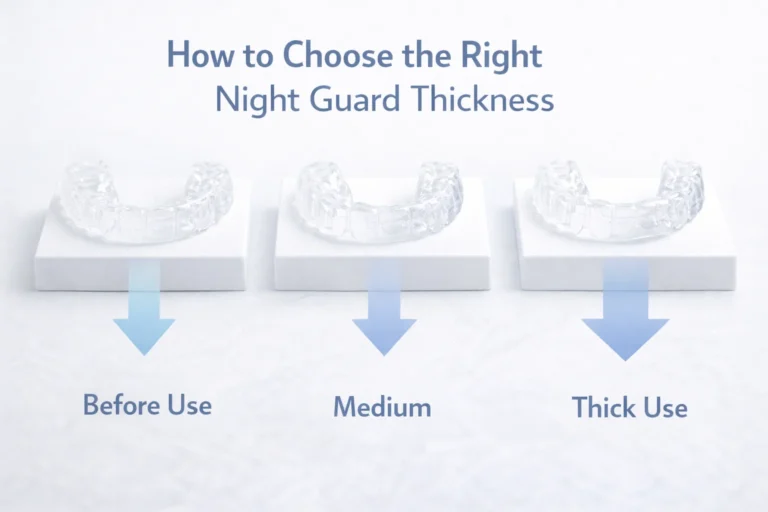
- Best night guard thickness
- Soft, hard, or hybrid guard preference
- Retainer needs after braces or aligners
A dentist can also help decide whether symptoms are related to grinding, TMJ function, bite alignment, sleep quality, or another factor. This makes the care plan more personal and more useful.
Caring for a Teeth Grinding Night Guard
A night guard works best when it is kept clean and stored properly. Daily care also helps the appliance feel fresh and comfortable.
A simple care routine includes:
- Rinse the guard after use.
- Brush it gently with a soft toothbrush.
- Let it dry before storing.
- Keep it in a ventilated case.
- Bring it to dental visits for fit checks.
- Replace it when your dentist or wear patterns suggest it is time.
A clean appliance supports a clean mouth. It also helps the guard stay comfortable for regular use.
Frequently Asked Questions
Can Ehlers-Danlos Syndrome affect dental health?
Yes, Ehlers-Danlos Syndrome can affect oral health because connective tissue plays a role in the gums, jaw joints, ligaments, and supporting structures of the mouth. Many people with EDS choose regular dental care and personalized oral routines to support their teeth and gums.
What Ehlers-Danlos syndrome symptoms may relate to the jaw?
Some Ehlers-Danlos syndrome symptoms that may relate to the jaw include joint hypermobility, muscle tension, jaw clicking, facial discomfort, and sensitivity during dental care. A dentist or healthcare professional can help connect these symptoms with the right care plan.
Can a teeth-grinding night guard help people with EDS?
A teeth-grinding night guard can help protect the teeth from direct grinding contact during sleep. For people with EDS, a custom fit can be especially helpful because comfort, stability, and gentle support are important.
Which night guard is best for EDS jaw pain?
The best night guard depends on grinding level, comfort preference, bite pattern, and dentist guidance. Soft guards can feel cushioned, hard guards offer strong durability, and hybrid guards combine a soft inner layer with a hard outer layer.
Are retainers and night guards the same?
Retainers and night guards serve different purposes. Retainers help maintain tooth position after orthodontic treatment, while night guards help protect the teeth from grinding and clenching. A dentist can help decide which appliance fits your needs.

Final note
Managing teeth grinding with Ehlers-Danlos Syndrome is about creating support that fits real life. A custom night guard can help protect the teeth while a calm routine supports the jaw. Dental checkups, daily awareness, gentle cleaning, and the right appliance can work together in a practical way.For people who want a custom at-home option, OkiGuards provides night guards made for different grinding needs, including soft, hard, and hybrid styles. With the right product choice and professional guidance, people with EDS can take a thoughtful step toward protecting their smile and supporting nighttime comfort.