Nicotine Side Effects: Can Smoking Cause Teeth Grinding?
Smoking is associated with a higher likelihood of teeth grinding, and understanding nicotine side effects can help you make informed choices for your smile and sleep. Nicotine’s stimulating effects may contribute to the connection, while stress, sleep patterns, medications, and other individual factors also deserve consideration. The encouraging starting point is a personalized plan: review tobacco use with a healthcare professional, discuss grinding with your dentist, and build consistent sleep and oral care habits. For people who need nighttime tooth protection, OkiGuards custom night guards provide impression-based options to explore with a dentist. A suitable appliance helps protect teeth from grinding contact while your healthcare team addresses contributing factors.
How Are Smoking and Teeth Grinding Connected?
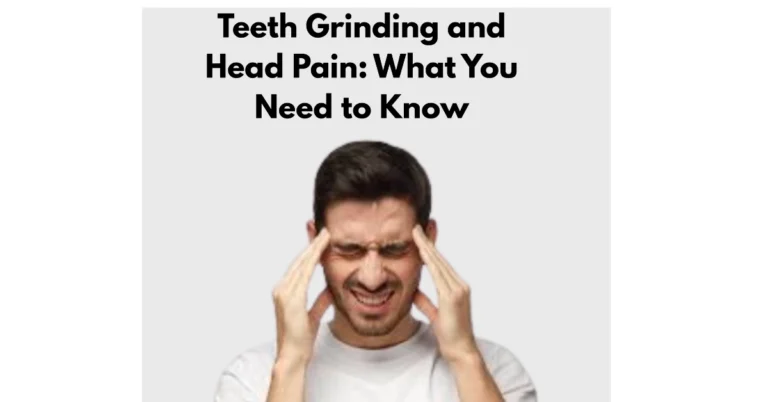
Teeth grinding, also called bruxism, involves grinding the teeth or clenching the jaw. It can occur during waking hours, during sleep, or in both situations. Research has identified an association between smoking and reported bruxism. This makes tobacco use a useful topic to include in a dental assessment. An association describes a pattern across groups of people. Establishing why a particular person grinds requires a broader assessment of their health, habits, and sleep.
Your dentist can consider several factors together:
- Tobacco and nicotine use.
- Caffeine and alcohol consumption.
- Stress and concentration habits.
- Sleep quality and breathing.
- Prescription medications.
- Existing tooth wear and jaw symptoms.
This approach creates a more useful picture than focusing on one habit alone. It also helps your dentist recommend appropriate tooth protection and follow-up.
Understanding Nicotine Side Effects
Nicotine stimulates the nervous system and can affect alertness, heart rate, and the body’s response to stimulation. These effects help explain why nicotine use belongs in conversations about sleep and jaw activity. A useful distinction is between nicotine and the complete product delivering it. Cigarette smoke contains many substances, and vaping aerosols have their own ingredients and exposures. Discussing the product, frequency, nicotine strength, and timing gives your healthcare professional clearer information. Include cigarettes, vapes, pouches, and any prescribed or recommended nicotine replacement products. Accurate information supports an individualized plan. Your clinician can also explain how medically supervised cessation treatment fits your health needs.
Daytime Jaw Awareness
During the day, some people notice their teeth pressing together while working, driving, or concentrating. Brief reminders can help you recognize that pattern. Let your jaw relax and allow a comfortable space between the teeth when resting. A dentist can demonstrate an appropriate resting position and assess any discomfort. Gentle awareness gives you a practical habit to use alongside professional care.
Nighttime Jaw Activity
Sleep bruxism involves jaw muscle activity during sleep and often occurs around brief changes in sleep state. Understanding this relationship supports a review of sleep habits and overall health. A dentist may ask about morning symptoms, reported grinding sounds, and sleep quality. Your answers help guide the next assessment. Some people benefit from additional sleep evaluation as part of their care.
Nicotine and Sleep: Supporting a Calmer Evening
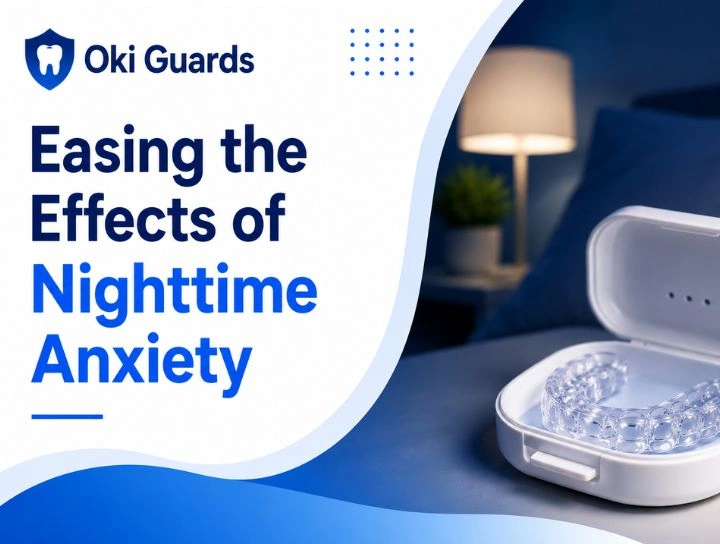
The relationship between nicotine and sleep matters because nicotine is a stimulant. Evening use can promote alertness and make settling into sleep more challenging. A consistent bedtime routine provides a constructive place to begin. Discuss nicotine timing and cessation options with your healthcare professional while establishing supportive sleep habits.
Keep a Consistent Schedule
Choose a regular waking time and a realistic bedtime. A predictable schedule gives you a useful framework for noticing how rested you feel. Keep your routine reasonably consistent across workdays and days off. Record changes in morning jaw comfort alongside your sleep observations. These notes can help your dentist understand your experience.
Prepare a Restful Bedroom
A quiet, dark, comfortably cool bedroom supports sleep. Use the final part of your evening for relaxing activities such as reading, gentle stretching, or listening to calm music. Choose activities that feel manageable and enjoyable. A repeatable routine is often easier to maintain than a complicated checklist.
Review Other Stimulants
Include coffee, tea, energy drinks, and other caffeine sources in your sleep discussion. The combined timing of nicotine and caffeine may be relevant to your evening alertness. Your clinician can help you decide which changes suit your routine. Keep medication decisions with your prescriber. This allows your sleep plan to remain coordinated with your wider healthcare.
Vaping Effects and Jaw Clenching
When considering vaping side effects, nicotine exposure is an important starting point. Many vaping products deliver nicotine, with exposure varying by device, liquid, and use pattern. Because nicotine has stimulating effects, vaping belongs in a discussion about sleep and daytime clenching. Evidence about vaping specifically causing bruxism is still developing. The most useful approach is to assess your actual habits and symptoms with a professional.
Track Your Pattern
Write down when you vape and when you notice jaw tension. Include nicotine strength, approximate frequency, caffeine intake, and the activity you were doing. This record can reveal patterns worth discussing. Treat it as information for assessment rather than proof of a particular cause.
Discuss Mouth Comfort
Tell your dentist about dry mouth, irritation, or changes in oral comfort. An examination helps identify appropriate care and whether other factors contribute. Your dentist can recommend suitable hygiene products and follow-up. Choosing a plan to stop vaping also provides an opportunity to discuss evidence-based support with a healthcare professional.
Smoking and Teeth: Looking Beyond Grinding
The connection between smoking and teeth extends beyond jaw activity. A complete dental plan includes gums, tooth surfaces, oral tissues, and healing. Smoking increases the risk of gum disease and oral cancer, making cessation and regular dental examinations valuable preventive steps. Quitting supports oral health and improves the response to gum treatment. These benefits give you meaningful reasons to pursue support at any stage.
Maintain Everyday Cleaning
Brush twice daily with fluoride toothpaste and clean between your teeth using the method your dental team recommends. A consistent routine supports plaque control and helps you become familiar with your mouth. Ask your dentist to demonstrate cleaning around crowns, bridges, retainers, or other dental work. Personalized technique makes daily care more useful.
Arrange Regular Examinations
Your dentist can assess gum health, tooth wear, restorations, and oral tissues. Share your smoking or vaping history openly so the examination and advice reflect your needs. Professional cleaning and follow-up can then be planned around your findings. Early assessment creates more opportunities for appropriate care.
Support Mouth Comfort
Drink plain water regularly and discuss persistent dryness with your dentist. They can review possible contributors and recommend suitable products where needed. For an ulcer, lump, or red or white patch lasting more than two weeks, arrange prompt dental assessment. Clear evaluation provides the right next step.
Recognizing When to Ask About Bruxism
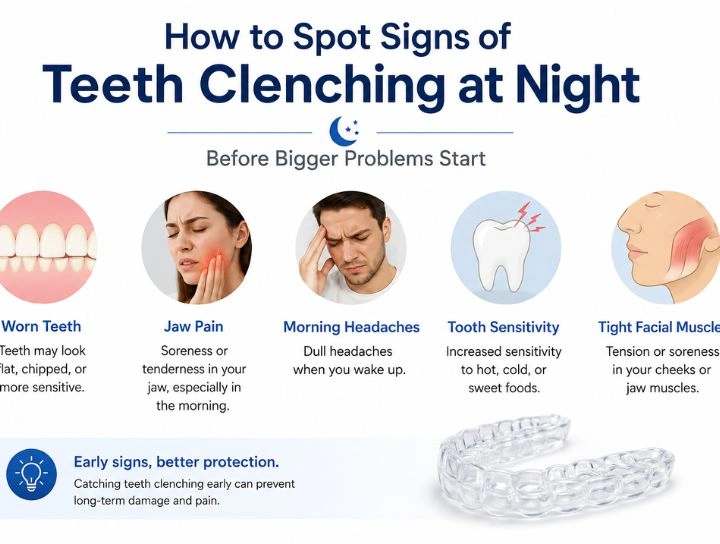
Several observations can help you start a useful dental conversation. You might notice morning jaw fatigue, tooth sensitivity, or a partner noticing grinding sounds during sleep. Your dentist may identify wear during an examination. These findings can have different explanations, so professional assessment helps establish what they mean.
Prepare a short description covering:
| Observation | Useful details to share |
| Morning jaw discomfort | Location, frequency, and duration |
| Daytime clenching | Activities and times when you notice it |
| Sleep quality | Waking frequency and daytime alertness |
| Tooth sensitivity | Triggers and affected areas |
| Nicotine use | Product, strength, frequency, and timing |
If you experience loud snoring, gasping during sleep, or pronounced daytime sleepiness, discuss a sleep assessment with your healthcare professional.
How a Custom Night Guard Fits Your Plan
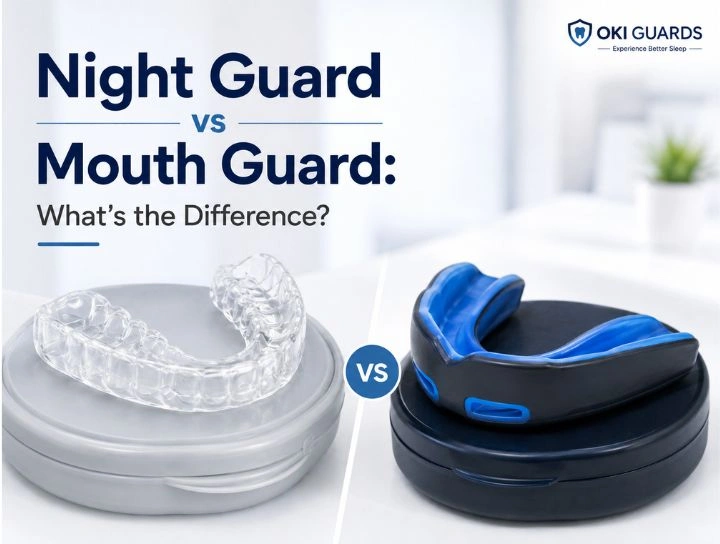
A custom night guard creates a protective surface between opposing teeth. It can help limit tooth wear from grinding when appropriately selected and fitted. Its role is mechanical tooth protection. Smoking cessation, nicotine dependence, and sleep conditions require their own professional care. Combining these approaches gives each concern appropriate attention. Your dentist can assess whether a guard suits your teeth, restorations, jaw symptoms, and bite. They can also recommend upper or lower placement and review the finished appliance. For product comparisons, explore OkiGuards night guard options and bring your preferences to that discussion.
Choosing an OkiGuards
OkiGuards offers three main designs, allowing you to compare cushioning, layered construction, and a rigid feel.
| Product | Listed package price | Thickness options | Brand positioning |
| Soft Night Guard | $149 for two | 2.0 mm | Mild grinding and a cushioned feel |
| Hybrid Night Guard | $149 for two | 1.0, 2.0, 3.0 mm | Soft interior and rigid exterior |
| Hard Night Guard | $169 for two | 1.5, 3.0 mm | Heavy grinding and clenching |
Soft Night Guard
The Soft option offers a flexible construction for people considering a cushioned appliance. Discuss its suitability with your dentist based on your grinding pattern and dental findings.
Hybrid Night Guard
The Hybrid option combines different inner and outer surfaces. Its thickness choices provide several profiles to consider during selection.
Hard Night Guard
The Hard option offers rigid construction in two thicknesses. Professional guidance helps connect that choice with your bite, retention, and wear needs.
Building a Practical Care Plan
A helpful plan connects professional assessment with manageable everyday actions.
Start With One Appointment
Book a dental examination and explain your questions about nicotine, grinding, and sleep. Bring a medication list and a brief record of your habits. This preparation helps make the discussion specific and productive. Your dentist can explain which findings need treatment, monitoring, or referral.
Add Cessation Support
Ask a healthcare professional about counseling and suitable cessation medications. Nicotine dependence responds to evidence-based support. Combining behavioral guidance with appropriate treatment can strengthen your quit plan. Discuss any sleep changes during the process so your clinician can adjust support when needed.
Keep Expectations Individual
Changes in nicotine use may form one part of bruxism management. Your response depends on the other factors involved. Track comfort, sleep, and appliance use over time. Review progress with your healthcare team and let the findings guide adjustments. This keeps your plan responsive to your experience.
Why Consider OkiGuards?
OkiGuards provides an at-home impression process and clear product choices for people exploring custom tooth protection. Its main guard packages include two appliances, impression supplies, instructions, and a prepaid impression return mailer. The website lists free standard shipping within the continental United States. Review the ordering process to understand preparation and impression submission. For assistance with specifications or ordering, contact OkiGuards support. Discuss clinical suitability and fit with your dentist. You can also review the 60-night policy and applicable terms before purchasing.
Caring for Your Night Guard
Follow the care instructions supplied with your appliance.
Rinse after use, clean gently as directed, and let it dry before ventilated storage. Cool water and suitable cleaning products help preserve its intended shape.
Keep smoking, vaping, food, and drinks separate from appliance wear, and follow your dentist’s instructions for reinsertion.
Inspect the guard regularly and arrange assessment for cracks, thinning, separating layers, or a changed fit. Bring it to dental visits so your dentist can review retention, bite contacts, and condition.
Frequently Asked Questions
Can smoking cause teeth grinding?
Smoking is associated with a higher likelihood of bruxism. A dental assessment helps establish how tobacco use, sleep, stress, and other factors relate to your individual grinding pattern.
Can nicotine affect sleep?
Yes, nicotine’s stimulating effects can influence alertness and sleep. A healthcare professional can help you plan cessation support and discuss sleep changes throughout the process.
Can vaping contribute to jaw clenching?
Nicotine-containing vaping products are relevant to an assessment of clenching and sleep. Evidence about vaping specifically causing bruxism is developing, so individualized evaluation provides the clearest guidance.
Will quitting smoking stop grinding?
Quitting supports overall and oral health. Grinding may involve several contributing factors, and your dentist can help you assess progress and choose additional care where appropriate.
How does a night guard help?
A suitable night guard provides a protective contact surface that helps limit tooth wear. It works alongside care for nicotine use, sleep, and other contributors.
Which OkiGuards product should I consider?
Compare Soft, Hybrid, and Hard options with your dentist. Use grinding pattern, bite, dental work, comfort, and retention to guide selection.

Final note
Understanding nicotine side effects creates an opportunity to care for your teeth, review sleep habits, and seek effective cessation support. A personalized plan can combine professional assessment, everyday hygiene, and appropriate nighttime tooth protection. Explore OkiGuards custom night guards and discuss the options with your dentist. Consistent care and informed choices provide a constructive path toward protecting your smile.