Night Guard Allergy: Symptoms and Causes
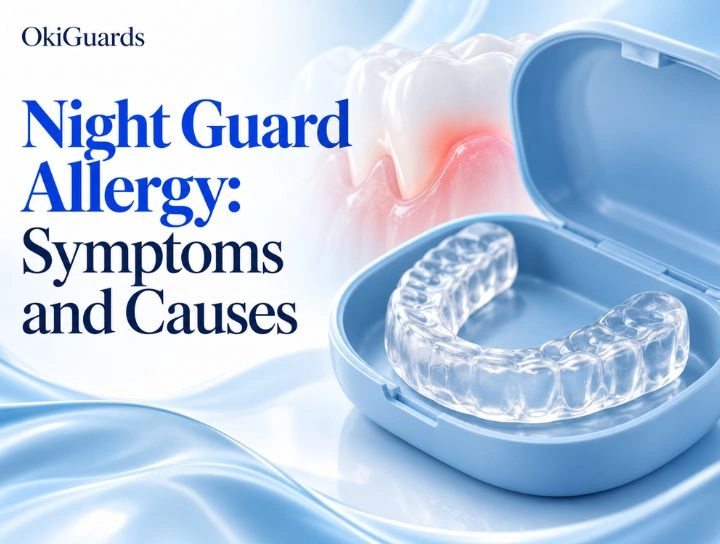
A night guard allergy can involve redness, itching, swelling, or a burning sensation, and a professional assessment helps identify the cause and guide you toward comfortable protection. Similar sensations can also come from appliance fit, cleaning products, or existing gum conditions, so understanding the source supports the right solution. A comfortable night guard should complement your oral care routine and suit your individual dental needs. When your mouth needs extra attention, clear material information and personalized guidance can help you make an informed decision. This guide explains night guard allergy symptoms, possible causes, practical next steps, and useful questions to ask before choosing a custom appliance.
What Is a Night Guard Allergy?
A night guard allergy is an immune response to a substance associated with the appliance or something used alongside it. The relevant substance might be a material component, an additive, or an ingredient in an oral care product. A dentist can assess the tissues, review your history, and consider the timing of symptoms. An oral medicine specialist, dermatologist, or allergist may contribute when further evaluation would help. Identifying the specific trigger allows treatment and product selection to become more targeted. This approach supports a comfortable routine based on your actual sensitivity rather than assumptions about broad material categories.
Night Guard Allergy Symptoms Worth Discussing
Recognizing changes helps you describe your experience clearly. Your clinician can use the location, timing, and appearance of symptoms to guide the assessment.
Redness Around Contact Areas
Redness along the gums, cheeks, lips, or tongue provides useful information about where your mouth needs attention. Photographs taken in consistent lighting can help document the change. Your dentist can compare these areas with the appliance’s edges and contact surfaces during an examination.
Itching or Tingling
An itching or tingling sensation may prompt a review of materials and products introduced around the same time. Include toothpaste, mouthwash, cleaning tablets, and any newly prescribed medicine in your history. A complete picture helps your clinician assess potential explanations.
Burning or Tenderness
A burning sensation or tenderness can have several causes, including contact reactions, friction, dryness, and other oral conditions. Professional assessment helps distinguish these possibilities. Once the cause is understood, your clinician can recommend care suited to the affected tissue and your overall dental needs.
Swelling
Swelling deserves prompt attention so you can receive appropriate guidance. Describe when it began, which areas are involved, and whether other symptoms appeared. For sudden swelling of the lips, tongue, or throat, or any difficulty breathing or swallowing, seek emergency medical care immediately. If prescribed an adrenaline auto-injector, use it according to your emergency plan while arranging help.
Changes in Mouth Tissue
Areas of peeling, altered texture, or mouth sores provide another reason for a dental review. Bring the appliance and your cleaning products to the appointment. Examining both your mouth and the items contacting it helps your clinician build a focused care plan.
Allergy and Fit-Related Irritation: Understanding the Difference
An allergic reaction to night guard materials involves an immune response. Mechanical irritation develops when pressure or rubbing affects tissue. Both can produce redness or tenderness, and their appearance can overlap. A clinical examination helps establish which explanation best fits your experience.
Localized gum irritation near a particular edge may guide your dentist toward checking appliance contact. A broader reaction may encourage a review of materials, cleaning products, and other exposures. Timing offers useful clues, although timing alone establishes only an association. Your clinician combines your history with examination findings and, where appropriate, specialist testing before recommending material changes.
What Can Cause a Reaction Around a Night Guard?
Several factors deserve consideration when evaluating comfort. Understanding them helps you ask useful questions and share relevant information.
Individual Sensitivity to Material Components
Dental appliances contain specific polymers and may include additional components used during manufacturing. Someone with a confirmed sensitivity can benefit from precise information about those ingredients. Ask your provider for the exact material name and available manufacturer documentation. Your clinician can compare this information with your allergy history or testing results. Specific ingredient matching provides a more useful basis for selection than choosing solely by softness, thickness, or marketing descriptions.
Cleaning Product Ingredients
Cleaning tablets, solutions, fragrances, flavorings, and other ingredients may influence contact sensitivity in susceptible individuals. Your dentist can review the product and how you use it. Following the recommended concentration, contact time, and rinsing instructions supports appropriate appliance care. Keep the original packaging available so the ingredients can be checked accurately.
Toothpaste or Mouthwash
A newly introduced toothpaste or mouthwash may coincide with starting a guard. Flavorings and other ingredients can be relevant to some oral contact reactions. Include every recent product change in your history. Your clinician can advise whether a simpler product would suit your mouth while the cause is assessed.
Pressure and Edge Contact
The shape of an appliance influences how it meets your gums, cheeks, and tongue. A fit assessment can identify contact points that would benefit from professional refinement. Your dentist or provider can determine whether adjustment or replacement is appropriate. Maintaining the appliance’s original shape before assessment helps preserve useful information about the fit.
Dryness and Existing Oral Conditions
Dry mouth, gum inflammation, and other oral conditions can affect comfort during appliance wear. Your clinician can assess these factors alongside possible allergy. Addressing the underlying condition supports a healthier environment for whichever appliance is recommended.
What to Do When You Suspect a Night Guard Allergy
A clear response helps you obtain useful care and maintain accurate information for assessment.
Pause Wear and Contact Your Clinician
Remove the appliance and contact your dentist for guidance if a reaction appears related to wearing it. Ask for instructions about further use while awaiting assessment. Store the guard safely and bring it to your appointment. This allows your clinician to inspect the surfaces, edges, and material information.
Record the Timing
Write down when you started using the guard and when symptoms appeared. Note whether the sensations developed during wear, after removal, or following cleaning. Include changes in foods, medicines, and oral care products. These details help your clinician consider the full pattern.
Gather Product Information
Collect the appliance name, material details, order information, and cleaning instructions. Photographs of ingredient labels can make the appointment more efficient. Ask the provider for additional documentation when your dentist needs it. Clear communication supports a more informed assessment and any subsequent replacement decision.
Follow an Individual Care Plan
Your clinician may recommend measures for comfort, treatment for a diagnosed condition, or referral for specialist assessment. Follow the agreed plan and arrange the recommended review. Professional guidance also establishes when to resume appliance wear or consider a suitable alternative.
How Is a Dental Allergy Evaluated?
A dental allergy assessment begins with your medical and dental history. Your clinician examines the affected tissues and reviews possible exposures. They may ask about previous reactions to dental work, cosmetics, adhesives, gloves, or personal care products. Details about timing and recovery can help identify patterns. When appropriate, a specialist may consider patch testing or another test suited to the suspected reaction. Test selection and interpretation depend on the clinical situation. A meaningful diagnosis connects your history, examination findings, and relevant testing. This helps ensure that any proposed material substitution addresses a supported cause.
Choosing a Night Guard With Material Confidence
A confirmed sensitivity makes ingredient transparency particularly valuable. Begin with your clinician’s recommendation and request the information needed to evaluate a specific product.
Ask for the Exact Material
Terms such as “soft,” “hybrid,” and “hard” describe construction or feel. The manufacturer’s material name provides more specific information for allergy assessment. Ask about each layer and any other relevant components. Your clinician can determine which details matter for your history.
Understand Product Claims
A BPA-free claim addresses BPA content, while an allergy assessment considers the particular substance relevant to you. Likewise, biocompatibility or regulatory claims need to be understood in their specific context. Individual suitability is best assessed using accurate documentation and professional advice.
Confirm Support Before Ordering
Ask how the provider handles material questions, impression guidance, and fit reviews. Clear answers help you understand the service before making a purchase. Review written replacement and refund terms alongside the product description. This gives you a practical understanding of the support available.
Comparing OkiGuards Options
OkiGuards offers Soft, Hybrid, and Hard Night Guards. These options provide different constructions, and your dentist can advise which design fits your grinding needs. For suspected or confirmed allergy, request exact material documentation before choosing among them. A change in firmness alone provides limited information about ingredient suitability.
Soft Night Guard
The OkiGuards Soft Night Guard offers flexible cushioning in a listed 2 mm thickness. The website positions it for mild grinding and lists two custom guards for $149. Ask your clinician to review the material information alongside your sensitivity history.
Hybrid Night Guard
The OkiGuards Hybrid Night Guard combines a soft interior with a firmer exterior. Listed thicknesses include 1 mm, 2 mm, and 3 mm, with two guards priced at $149. For allergy assessment, information about both layers helps your clinician evaluate suitability.
Hard Night Guard
The OkiGuards Hard Night Guard product page describes rigid thermoplastic construction. It lists 1.5 mm and 3 mm options, with two guards priced at $169. Request the specific polymer details when your clinician needs them for material selection.
A Gentle Cleaning Routine for Your Appliance
Appropriate cleaning supports freshness and helps maintain the appliance’s surface. Use instructions matched to the particular guard and its material. Rinse after use, clean gently with the recommended method, and rinse thoroughly before wearing it again. Ask your provider which cleaners are compatible. Allow the guard to dry as directed and store it in a clean, ventilated case. Regular case cleaning supports the routine. Keep the appliance away from heat and inspect it periodically for surface changes. Share any concerns with your provider and seek dental advice for new tissue symptoms.
Preparing for a Comfortable Restart
Resume wear according to your clinician’s guidance after the reaction has been assessed. Confirm which appliance and cleaning products are appropriate. Ask whether a fit review or updated impression is needed before ordering a replacement. The OkiGuards How It Works page explains the general impression process. Share relevant clinical recommendations with OkiGuards support and request confirmation of material details. A coordinated restart allows your dentist to review comfort, tissue recovery, and appliance function. Follow-up provides an opportunity to refine care and support consistent protection.
Questions to Ask Before Buying
An informed purchase begins with questions that connect your clinical needs to the product. Ask for the exact material in every layer, the recommended cleaning method, and the documentation available for your dentist. Confirm how impression quality is reviewed and how fit concerns are assessed after delivery. Discuss any confirmed allergy before placing an order. These conversations help establish whether a product suits your care plan. They also give you clear expectations about support, replacement procedures, and the steps involved in achieving a comfortable custom fit.
Frequently Asked Questions
Can Night Guard Allergy Symptoms Resemble Gum Irritation?
Yes. Redness and tenderness can occur with several conditions. A dental examination helps distinguish material sensitivity, pressure, cleaning product reactions, and other causes.
Can a Cleaner Cause an Allergic Reaction?
A cleaner may contain an ingredient relevant to an individual sensitivity. Your clinician can review its ingredients, your cleaning method, and the timing of symptoms.
Will a Softer Guard Feel Better?
A softer design may suit some fit preferences. For confirmed allergy, ingredient suitability remains the deciding consideration, guided by your clinician.
Can I Try the Appliance Again Myself?
Arrange a clinician-guided plan before further exposure when allergy is suspected. This provides an appropriate approach to evaluation and helps you choose suitable ongoing protection.
Can I Find a Suitable Replacement?
A suitable replacement may be possible once the cause is understood. Your clinician can guide material selection and coordinate the information needed from the provider.

Final note
Understanding a night guard allergy begins with careful assessment, clear material information, and personalized care. Identifying the cause helps you choose a targeted solution. Work with your dentist to confirm the appropriate appliance, cleaning routine, and wearing plan. With professional guidance, you can make an informed choice that supports comfort and ongoing tooth protection.