Understanding the Causes and Solutions for Grinding Teeth After Wisdom Teeth Removal
Going through Wisdom Teeth Removal is a big step toward a healthier, more comfortable smile. For most people, healing goes smoothly. If you’ve felt extra jaw tension or heard from someone that you grind your teeth after surgery, you’re not alone and you’re not stuck that way.The good news is that post‑extraction grinding is often temporary and very manageable.
By understanding the causes of Wisdom Teeth Removal may trigger grinding and exploring gentle, practical options like a custom Night Guard or bruxism night guard you can protect your teeth, relax your jaw, and support a calmer recovery.This guide offers a clear, positive look at why grinding sometimes appears after surgery and what solution Wisdom Teeth Removal patients can use to feel better. It’s for education only and doesn’t replace personal advice from your own dentist or surgeon
Wisdom Teeth Explanation: What’s Really Going On Back There?
Before talking about grinding, it helps to start with a simple wisdom teeth explanation. Wisdom teeth are your third molars, usually appearing in the late teens or early twenties. For many people, the jaw doesn’t have enough room for these last teeth, so they may stay trapped under the gums (impacted), grow at an angle, or crowd the neighboring molars.That’s where Wisdom Teeth Removal comes in. Dentists and oral surgeons often recommend removing wisdom teeth to prevent or relieve problems like pain, swelling, infections, and pressure on nearby teeth.
Once these molars are out, your mouth can feel lighter and easier to clean, and you may avoid bigger complications later.Sometimes, though, your jaw and muscles need time to adjust to the “new normal” once those teeth are gone. This adjustment period can temporarily change the way your bite feels, how your muscles move, and even how your body responds during sleep, for some people, that shows up as clenching or grinding.
Why Can Grinding Start After Wisdom Teeth Removal?
Not everyone grinds their teeth after surgery, but when it does happen, there are usually a few understandable reasons behind it. Thinking about the causes Wisdom Teeth Removal patients experience grinding can make the situation feel much less mysterious—and much more manageable.
1. Healing, Sensitivity, and Muscle Tension
After your wisdom teeth are removed, the area around your jaw needs time to heal. Muscles, joints, and ligaments have all been involved, whether the procedure was simple or more complex. While your body recovers, you may hold your jaw in slightly different positions to stay comfortable or protect the healing sites.
This change in position can make some muscles work more than usual. When you fall asleep, those same muscles may continue to be a little “on guard,” leading to jaw clenching or light grinding. The habit isn’t intentional—it’s just your body’s way of responding to change and sensitivity.
2. Temporary Changes in Your Bite
When wisdom teeth are removed, especially if they are crowded or pushing against other teeth, your bite can feel different for a while. Even small changes in how your upper and lower teeth meet can make your jaw explore new positions. As your mouth settles, your muscles may experiment without you realizing it, especially at night.
During this adjustment period, your teeth might make slightly different contact points. In response, your jaw muscles may become more active as they try to “test” and understand the new pattern, which can show up as grinding or clenching.
3. Stress, Recovery, and Body Response
Any surgery, even a routine Wisdom Teeth Removal, can bring a mix of emotions—relief, nervousness, or simple tension about healing. Your body sometimes expresses that stress through physical habits, and one of the most common is jaw clenching.
If you were already prone to light grinding, the recovery period can temporarily increase it. It’s your body’s way of processing change. The reassuring part: as your comfort returns and your routine stabilizes, this kind of stress‑related grinding often softens.
4. Sleep Patterns and Bruxism
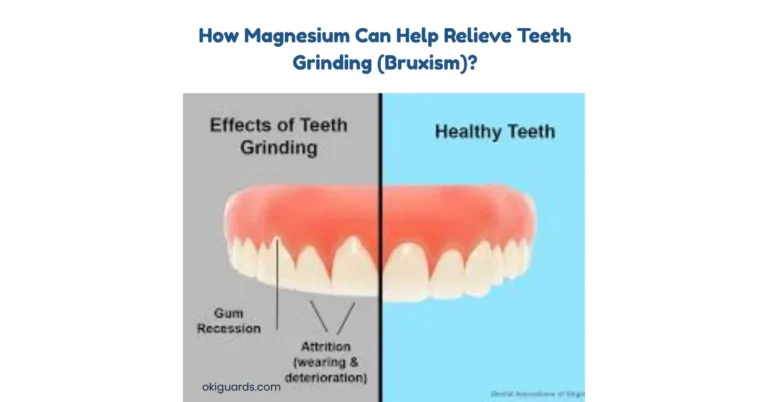
Bruxism is the term for teeth grinding or clenching, especially during sleep. If you had mild bruxism before surgery, changes in sleep position, medications, or healing discomfort may briefly bring it into sharper focus.In other words, Wisdom Teeth Removal doesn’t “create” bruxism from nothing, but it can sometimes make an existing tendency more noticeable. This is actually an opportunity: once you’re aware of it, you can explore supportive tools like a bruxism night guard and develop healthier, more protective habits.
Gentle Solutions: How to Manage Grinding After Wisdom Teeth Removal
The goal after surgery is simple: protect your teeth, relax your jaw, and support comfortable, confident healing. The right solution Wisdom Teeth Removal patients choose depends on their symptoms and their dentist’s guidance, but some common, gentle strategies often help.
1. Follow Your Surgeon’s Post‑Op Instructions Carefully
Good recovery habits lay the foundation for everything else. Keeping the area clean, taking any prescribed or approved pain relief as directed, and attending follow‑up visits all help reduce irritation, swelling, and muscle tension.As pain and sensitivity decrease, your body has less reason to hold onto protective habits like clenching. Simply feeling more comfortable can naturally reduce grinding episodes.
2. Notice Your Jaw During the Day
Daytime awareness is a powerful tool. Throughout the day, take small pauses to check in with your jaw. Is it relaxed, or is it pressed tightly together? Many people discover that they gently clench even when they aren’t aware of feeling stressed.When you notice tension, invite your jaw to soften. Let your teeth separate slightly, rest your tongue lightly on the roof of your mouth, and allow the muscles in your face to relax. These small resets train your body to choose relaxation more often—something that can carry into your nighttime patterns as well.
3. Add Simple Relaxation Habits
Because stress can influence clenching and grinding, calming your mind and body supports your jaw, too. Deep breathing, short stretching sessions, listening to relaxing music, or a light bedtime routine can all send a signal to your nervous system that it’s safe to unwind.Creating a gentle pre‑sleep ritual—like washing your face, placing your Night Guard, and taking a few slow breaths—can help you look forward to resting, rather than worrying about symptoms.
4. Consider a Night Guard for Extra Protection
One of the most effective and comfortable tools for post‑extraction grinding is a Night Guard. A hybrid Night Guard is a thin, smooth appliance worn over your teeth while you sleep. It acts as a protective cushion, so instead of tooth enamel grinding directly against tooth enamel, your teeth meet the gentle surface of the guard.A custom night guard for teeth, like the guards associated with OKi Guards, is made from a model of your own teeth. That precise fit means it feels secure, slim, and natural. You can breathe and swallow normally, and most people adapt to the sensation very quickly.
When you wear a bruxism night guard during recovery, you give your jaw and teeth several benefits at once. The guard:
- Softens the force of any clenching or grinding.
- Helps keep your bite in a more comfortable, balanced position.
- Protects your teeth and recent dental work from unnecessary pressure.
This kind of gentle barrier is especially reassuring after Wisdom Teeth Removal, when your mouth is healing, and you want to avoid extra strain.
5. Talk with Your Dentist or Surgeon
If you notice ongoing grinding, jaw discomfort, or changes in how your bite feels after surgery, it’s always a good idea to mention it at your follow‑up visit. Your dental professional can check your healing, look at how your teeth are meeting, and recommend the best next steps.
Sometimes, that might mean a short period of observation and simple self‑care. In other cases, your provider may suggest a custom night guard for teeth, relaxation exercises, or a referral to a TMJ or sleep specialist. Having a professional partner in your recovery makes the process feel more guided and less stressful.
Why a Custom Night Guard Is a Smart, Supportive Choice
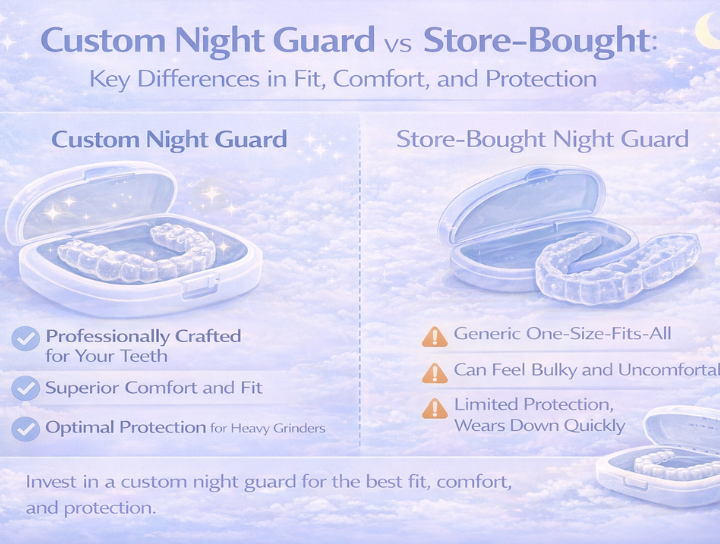
There are many mouthguards available, including ready‑made versions you can buy off the shelf. While these can offer basic cushioning, they are often bulkier and less precise than a custom appliance. For something as personal and important as your bite, a tailored fit usually feels better—and works better.
A custom Night Guard or bruxism night guard is crafted from your own dental impressions or scans. This allows the guard to follow the natural shape of your teeth and sit securely without extra bulk. A comfortable fit means you’re more likely to wear it every night, which is where the real benefit comes in.When you pair a well‑made guard with the expert guidance of your dentist or surgeon, you create a strong, conservative solution that Wisdom Teeth Removal patients can rely on. You’re not just protecting your teeth—you’re giving your jaw a chance to relax and reset.
Frequently Asked Questions
Is it normal to grind teeth after Wisdom Teeth Removal?
Some people do notice new or increased grinding after surgery, especially while everything is healing and adjusting. In many cases, it is a temporary response as your muscles and bite find a new balance. Paying attention to your symptoms and talking with your dentist can help you choose a supportive plan.
Will grinding after surgery damage my teeth?
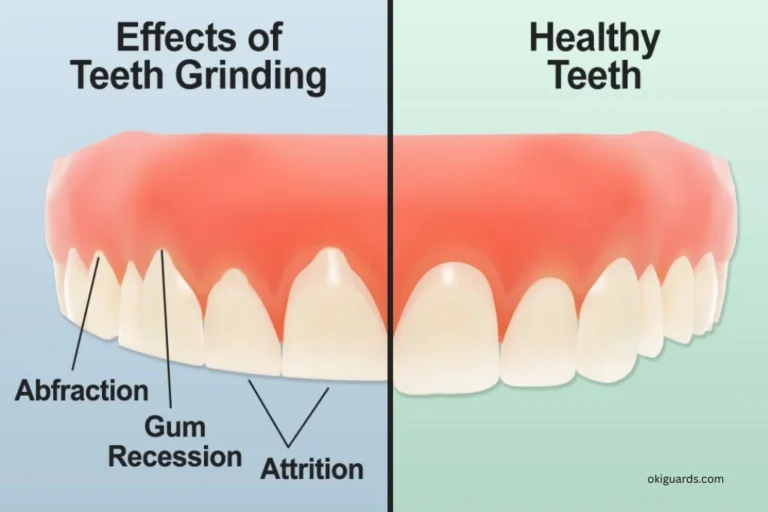
Mild, short‑term grinding is unlikely to cause major damage, especially if you catch it early and take simple steps to protect your teeth. Using a Night Guard or night guard for teeth, managing discomfort, and following your provider’s advice all help lower the risk of wear. If you’re concerned, your dentist can examine your teeth and reassure you.
How long does post‑extraction grinding usually last?
Every person’s healing timeline is unique. For some, grinding fades as soon as the jaw feels comfortable again. For others, especially if they had bruxism before surgery, a bruxism night guard and relaxation strategies may be helpful long‑term. Your dentist can give more personalized guidance based on your situation.
Should I get a Night Guard right away?
If you’re noticing frequent clenching, jaw fatigue, or chip marks on your teeth after Wisdom Teeth Removal, asking about a Night Guard is a positive step. Your provider can let you know when it’s appropriate to be fitted for a guard based on how your healing is progressing.

Final note
Experiencing grinding after Wisdom Teeth Removal can feel surprising at first, but it’s often just your body’s way of adjusting to change. With awareness, a bit of daily care, and supportive tools like a custom night guard for teeth, you can protect your smile and help your jaw feel calmer and more at ease.
If you’re curious about whether a Night Guard is right for you, consider talking with your dentist and exploring options like those connected with OKi Guards. Together, you can choose a gentle, effective solution that Wisdom Teeth Removal patients can feel good about—a solution that supports healing now and promotes comfortable, confident sleep and chewing well into the future.