Teeth Tapping vs Teeth Grinding: What’s the Difference?

A comfortable smile often starts with understanding small oral habits. Many people notice their teeth tapping, chattering, pressing together, or grinding during the day, helping them become more aware of their jaw habits. Each habit has its own pattern, and learning the difference can help you choose the right support for your teeth, jaw, and daily routine.Some habits happen during Focus. Some appear during sleep. Some come from jaw muscle activity. Some feel like a quick tapping motion, while others feel like steady pressure or side-to-side movement. Once you understand the pattern, it becomes easier to protect your smile and build healthier jaw habits.
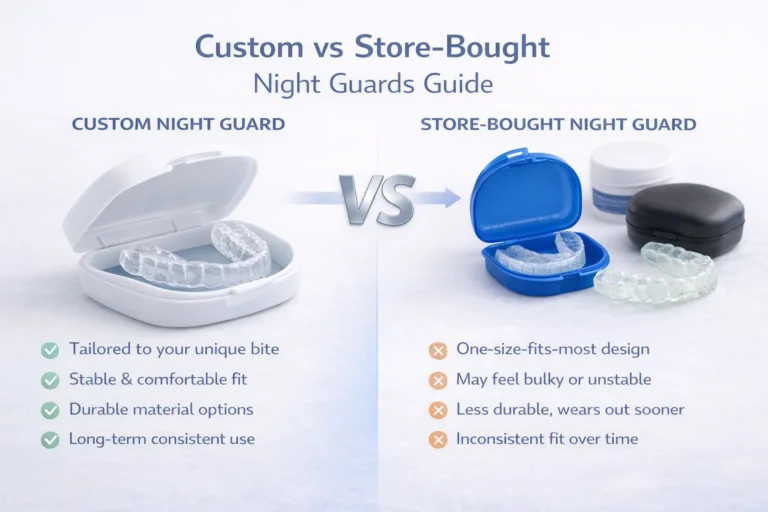
A custom night guard can be helpful when grinding or clenching happens during sleep. OkiGuards offers custom night guards designed to support people who want a better way to protect their teeth from grinding and clenching.
Quick Comparison: Teeth Tapping, Chattering, Pressing, and Grinding
| Habit | What It Feels Like | When It May Happen | Smile Support |
|---|---|---|---|
| Teeth tapping | Light repeated contact between teeth | Focus, habit, or awareness moments | Jaw reminders and relaxation habits |
| Teeth chattering | Fast tooth movement or vibration | Cold, excitement, or body response | Warmth, calm breathing, and awareness |
| Teeth pressing together | Steady tooth contact or clenching | Stress, focus, sleep, or posture habits | Relaxed jaw position and guard support |
| Teeth grinding | Rubbing or sliding tooth movement | Sleep or daytime concentration | Custom night guard and dental guidance |
What Is Teeth Tapping?
Teeth tapping is a repeated light contact between the upper and lower teeth. It may feel like a small clicking or tapping motion. Some people notice it while thinking, working, waiting, or concentrating.A teeth-tapping habit can become easier to manage once you notice when it appears. Since tapping often happens while awake, awareness can be very helpful. You can pause, relax your jaw, and guide your teeth into a softer resting position.
A good resting position is simple:
- Keep your lips gently closed.
- Let your teeth stay slightly apart.
- Place your tongue softly near the roof of your mouth.
- Allow your shoulders to relax.
This position can help the jaw feel lighter and more comfortable.
What Is Teeth Chattering?
Teeth chattering usually feels faster than tapping. The teeth may move quickly against each other, and the motion may feel like a vibration. Many people connect chattering with cold temperatures, excitement, nervous energy, or a natural body response.Teeth chattering is often short-term and noticeable. A warm drink, cozy environment, slow breathing, or jaw relaxation can help the body settle. When chattering appears often, a dentist can help review the bite and jaw muscles.A calm response can make the jaw feel more supported. Warmth, breathing, and gentle posture can guide the teeth back into a restful position.
What Is Teeth Pressing Together?
Teeth pressing together means the upper and lower teeth are touching with steady pressure. This is often called clenching. Many people clench during work, studying, driving, exercising, or sleeping.Clenching can feel different from tapping because it usually involves a firm hold rather than repeated light contact. The jaw muscles may stay active for longer periods.This can make the jaw feel tired or tight, reminding you to give it some rest and relaxation.
A helpful daily reminder is:
Lips together, teeth apart, jaw relaxed.
This phrase can help you reset your mouth position during the day. If pressing happens during sleep, a custom night guard can help protect the teeth while you rest.
What Is Teeth Grinding?
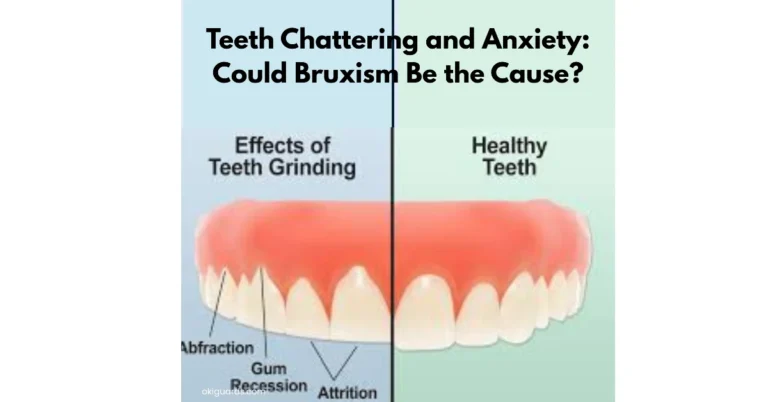
Teeth grinding happens when the teeth rub or slide against each other. It may happen while awake, though many people notice it more during sleep. A teeth-grinding habit can involve side-to-side movement, back-and-forth motion, or strong clenching pressure.Grinding can cause extra tooth wear, making early care important. A night guard can help by placing a smooth protective layer between the upper and lower teeth. This layer supports enamel care, tooth protection, and a more comfortable nighttime routine.A custom night guard is shaped from dental impressions, which helps it fit the teeth more securely. This personalized fit can make regular use feel easier.
Teeth Tapping vs Teeth Grinding
Teeth tapping and teeth grinding can sound similar, yet they are different habits.
Teeth tapping usually feels lighter and more rhythmic. Teeth grinding usually feels stronger and may involve rubbing or sliding. Tapping may happen during daytime awareness, while grinding often appears during sleep or deep concentration.
Here is a simple way to tell the difference:
- Tapping feels like quick, light contact.
- Grinding feels like rubbing or sliding pressure, reminding you to care for your jaw
- Tapping is often easier to notice while awake.
- Grinding may be noticed through tooth sensitivity or morning jaw tightness.
- Tapping may respond well to awareness reminders.
- Grinding often benefits from night guard protection.
Both habits can be managed with the right support. The goal is to protect the teeth and help the jaw feel more relaxed.
Why These Habits Happen
Oral habits can connect with daily routines, focus patterns, posture, sleep, and jaw muscle activity. Many people notice tooth contact when they are concentrating or moving through a busy day. Others discover nighttime grinding through changes in tooth comfort or a dental checkup.
Common influences may include:
- Focused work
- Screen time
- Stress habits
- Sleep patterns
- Jaw muscle activity
- Bite pressure
- Posture habits
- Caffeine habits
- Daily routines
These influences can be supported with awareness, relaxation, and consistent dental care.
How to Notice Your Pattern
A few simple questions can help you understand whether you are tapping, chattering, pressing, or grinding.
Ask yourself:
- Do my teeth touch while I work?
- Do I hear a light tapping sound?
- Do my teeth move quickly when I feel cold?
- Do I press my teeth together during Focus?
- Do I wake with jaw tightness?
- Do I notice tooth sensitivity in the morning?
- Has my dentist mentioned tooth wear?
These answers can help you choose the next step. They can also help your dentist understand your bite and jaw pattern.
Daytime Support for Teeth Tapping and Pressing
Daytime habits often respond well to reminders. Since you are awake, you can notice tooth contact and guide the jaw into a better position.
Try these supportive habits:
- Keep your teeth slightly apart while resting.
- Place your tongue gently near the roof of your mouth.
- Relax your shoulders during screen time.
- Take a slow breath during focused work.
- Keep your screen near eye level.
- Sip water throughout the day.
- Use a reminder that says, “Relax your jaw.”
These habits can help reduce unnecessary tooth contact and support a calmer jaw rhythm.
Nighttime Support for Teeth Grinding
Nighttime grinding can be supported with a custom night guard. A guard helps protect the teeth while you sleep and creates a smoother bite surface. This can be especially helpful when grinding or clenching happens without awareness.OkiGuards custom night guards are made for different grinding levels and comfort needs. The available options include soft, hard, and hybrid night guards.
Soft Night Guard
A soft night guard has a cushioned feel. It can be a comfortable choice for light grinding and gentle nighttime protection.
Hard Night Guard
A hard night guard provides a firm protective surface. It can support stronger grinding and clenching patterns.
Hybrid Night Guard
A hybrid night guard combines a soft inner layer with a firm outer layer. It can offer comfort against the teeth and strength on the biting surface.
The best choice depends on your grinding level, comfort preference, and dental guidance.
A Simple Jaw Reset Routine
A quick jaw reset can help with tapping, pressing, and clenching awareness. This routine takes less than one minute and can be used several times a day.
- Start by sitting comfortably.
- Relax your shoulders.
- Let your lips close softly.
- Keep your teeth slightly apart.
- Place your tongue near the roof of your mouth.
- Take three slow breaths.
- Let your jaw feel light and calm.
This reset can help your mouth return to a healthier resting pattern.
How a Custom Night Guard Fits Into the Routine
A custom night guard is most useful when grinding or clenching happens during sleep. It does not need to be part of every daytime habit, yet it can be helpful when your dentist recommends daytime wear for clenching support.The guard creates a protective barrier. It helps reduce direct tooth contact. It supports enamel care. It can also help you feel more confident about your nighttime tooth protection.A custom fit is important because it helps the appliance stay secure and comfortable. A guard made from your own dental impressions can feel smoother and more natural.
Cleaning Your Guard for Daily Freshness
A clean guard supports a fresh mouth and a pleasant routine. Daily cleaning also helps the appliance feel smooth and ready for each night.
Use this easy care routine:
- Rinse the guard after wearing it.
- Brush it gently with a soft toothbrush.
- Let it air-dry fully.
- Store it in a ventilated case.
- Keep it away from heat.
- Check the fit regularly.
This routine helps your guard stay fresh and comfortable.
Frequently Asked Questions
What is teeth tapping?
Teeth tapping is a light, repeated contact between the upper and lower teeth. It often appears during focus or habit moments and can improve with jaw awareness.
Is teeth tapping the same as teeth grinding?
Teeth tapping and teeth grinding are different habits. Tapping is usually light contact, while grinding involves rubbing or sliding pressure between the teeth.
What does teeth pressing together mean?
Teeth pressing together means the teeth are touching with steady pressure. This habit is often called clenching and can happen during the day or night.
Can teeth chattering affect the jaw?
Teeth chattering can make the jaw muscles feel active for a short time. Warmth, slow breathing, and relaxed posture can help the jaw feel calm again.
Can a night guard help a teeth-grinding habit?
Yes, a custom night guard can help protect the teeth from grinding during sleep by creating a smooth protective layer between the upper and lower teeth.

Final note
Teeth tapping, teeth chattering, teeth pressing together, and teeth grinding each have their own pattern. Tapping is usually light and repeated. Chattering is usually quick and vibration-like. Pressing is a steady contact. Grinding involves rubbing or sliding pressure.Understanding the difference helps you choose the right support. Daytime awareness can help with tapping and pressing. Warmth and relaxation can support chattering. A custom night guard can help protect teeth from grinding and clenching during sleep.With simple reminders, relaxed jaw habits, and the right OkiGuards night guard, your smile can feel protected, comfortable, and well supported.