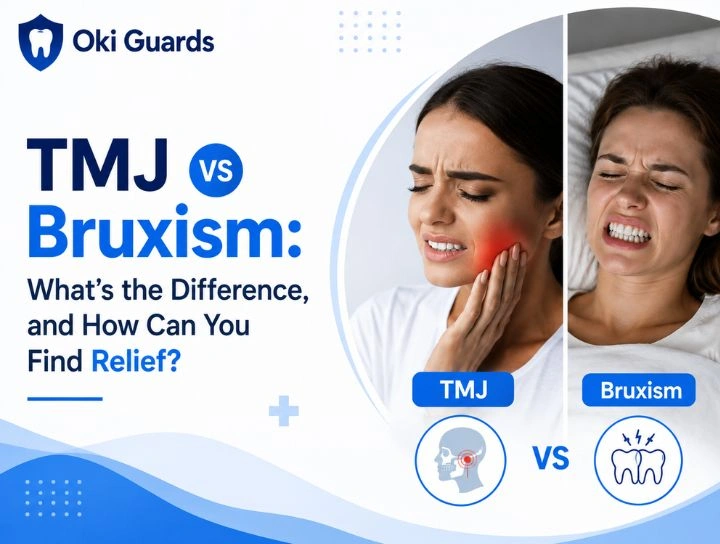
TMJ VS Bruxism: What’s the Difference, and How Can You Find Relief?
A comfortable jaw and a healthy smile work together every day. When your jaw feels tight, your teeth feel sensitive, or your mouth feels tired in the morning, two common terms may come up: TMJ and bruxism. These terms are often used together because they all connect with jaw comfort, bite pressure, and daily oral wellness. Understanding TMJ vs Bruxism can help you choose better care steps for your mouth. TMJ refers to the jaw joints that help your mouth open, close, chew, speak, and move smoothly. Bruxism refers to teeth grinding or clenching, which can happen during sleep or during the day. Both can affect how your jaw and teeth feel, and both can improve with the right care routine. The goal is simple: support your jaw, protect your teeth, and create a more relaxed daily routine. With gentle awareness, better habits, and the right dental support, you can find relief and feel more confident about your oral health.
What Is TMJ?
TMJ stands for temporomandibular joint. These joints sit on both sides of your face and connect your jawbone to your skull. They help your jaw move when you talk, chew, yawn, smile, and swallow. When people say “TMJ,” they often mean jaw joint discomfort or jaw tension. The joint itself is a normal and important part of your body. It works with muscles, ligaments, teeth, and your bite pattern to keep jaw movement smooth.
TMJ symptoms may include jaw tightness, facial tenderness, clicking sounds, ear-area pressure, chewing sensitivity, or a tired feeling around the jaw. These signs can guide you toward better jaw care and healthy daily habits. A balanced jaw routine can include gentle stretching, warm compresses, calm breathing, soft meal choices, and guidance from a dental professional. These steps can help the jaw feel more relaxed and supported.
What Is Bruxism?
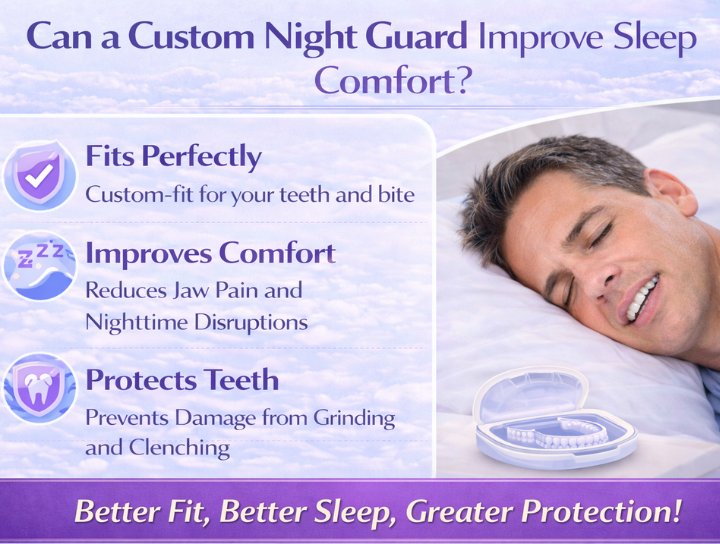
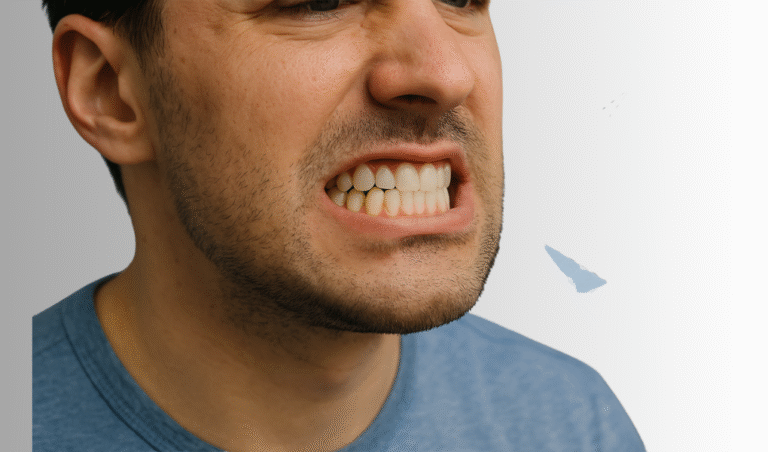
Bruxism means teeth grinding or teeth clenching. It can happen during sleep, while concentrating, during busy work hours, or during stressful moments. Many people notice bruxism through morning jaw tightness, tooth sensitivity, facial tension, or a worn feeling in the mouth. Bruxism symptoms can vary from person to person. Some people clench their teeth quietly, while others grind with more noticeable movement. Some feel jaw fatigue in the morning, while others notice tightness during the day. Bruxism often connects with muscle activity, bite pressure, sleep habits, stress patterns, and daily jaw posture. A calm routine and a protective dental appliance can help support better comfort. A custom night guard can create a smooth layer between the upper and lower teeth. This layer helps support tooth protection and can make sleep feel more comfortable for people who grind or clench.
TMJ vs Bruxism: The Main Difference
The main difference between TMJ and bruxism is simple. TMJ relates to the jaw joint, while bruxism relates to grinding or clenching activity.TMJ is the joint system that helps your jaw move. Bruxism is a habit or muscle pattern that places pressure on teeth and jaw muscles. TMJ symptoms often involve joint movement, jaw tightness, or facial tenderness. Bruxism symptoms often involve grinding pressure, clenching, morning tightness, and tooth sensitivity. These two conditions can feel connected because the jaw joint, jaw muscles, and teeth work together. When the teeth are clenched often, the jaw muscles may stay active for longer periods. When the jaw feels tense, the bite may feel different. This connection is why TMJ and teeth grinding are often discussed together. Learning this difference helps you choose the right relief steps. Jaw-focused care can support TMJ comfort. Tooth-protection care can support bruxism relief. Many people benefit from a combined routine that supports both areas.
TMJ and Teeth Grinding
TMJ and teeth grinding can influence each other because both involve jaw movement and muscle activity. Teeth grinding can add pressure to the jaw muscles. Jaw tension can make clenching feel more natural during the day or night. A supportive care plan looks at the full picture. It considers jaw posture, sleep habits, stress levels, bite pressure, and dental appliance use. The right plan can help your jaw feel more relaxed, and your teeth feel better protected. People who wake up with jaw tightness may benefit from a custom night guard. People who feel daytime jaw tension may benefit from gentle jaw awareness, breathing exercises, and relaxed tongue posture. Together, these steps create a more comfortable routine.
Can Bruxism Cause TMJ?
Bruxism can contribute to TMJ-related discomfort because repeated clenching and grinding can increase pressure on the jaw joints and surrounding muscles. This connection is common, and it can be managed with the right support.A helpful way to think about it is this: bruxism creates extra jaw activity, and the TMJ system responds to that activity. When the teeth and jaw receive better support, the mouth can feel calmer.A custom night guard from OkiGuards can help protect teeth during sleep and support a more comfortable jaw routine. Soft, hybrid, and hard night guard options can match different grinding levels and comfort needs.
Common TMJ Symptoms
TMJ symptoms often relate to jaw movement and facial comfort. Paying attention to signs such as jaw tightness when waking up, a tired feeling while chewing, clicking when opening the mouth, tenderness near the cheeks, or pressure around the ear area can help you identify changes in jaw comfort early. Some people feel their jaw needs a little stretching in the morning. Others feel that softer foods make chewing more comfortable. These signs can help you understand your jaw’s daily needs. Gentle care can support TMJ comfort. Warm compresses can help the jaw area feel relaxed. Slow jaw stretches can support smooth movement. A dental visit can help check your bite, teeth, and jaw alignment.
Common Bruxism Symptoms
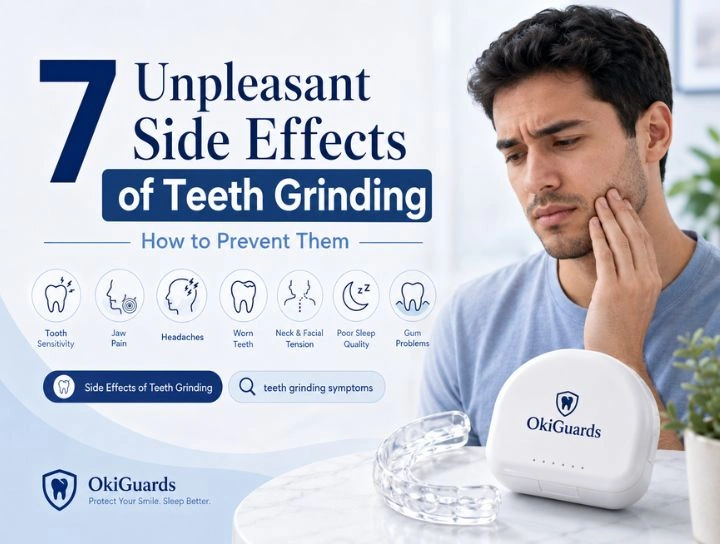
Bruxism symptoms often connect with tooth pressure and muscle activity. Paying attention to signs such as morning jaw tightness, tooth sensitivity, a tired bite, facial tension, or clenching during focused activities can help you support your oral health and comfort. Daytime bruxism may appear during work, driving, studying, or screen time. Sleep bruxism may appear through morning signs, such as jaw tightness or a heavy feeling in the mouth. Awareness is helpful. Keep your lips together, teeth slightly apart, and tongue resting gently on the roof of the mouth. This relaxed position can support daytime jaw comfort.
TMJ Treatment Options
TMJ treatment options usually focus on jaw comfort, muscle relaxation, and smoother movement. A dentist can check your bite and guide you toward the right care plan.Warm compresses can support relaxed jaw muscles. Gentle stretching can help the jaw move smoothly. Soft foods can make chewing easier while the jaw feels sensitive. Good posture can support the neck, shoulders, and jaw. Stress-management routines can help the muscles stay calmer during the day.Some people also benefit from a dental appliance when clenching or grinding is part of their routine. A customized approach works best because every jaw pattern is unique.
Bruxism Treatment Options
Bruxism treatment options focus on tooth protection, jaw relaxation, and better sleep comfort. A custom night guard is one of the most common support tools for nighttime grinding and clenching. A night guard creates a comfortable barrier between the teeth. It helps spread bite pressure more evenly and supports tooth protection while you sleep. OkiGuards offers custom night guards made for different grinding needs, including soft, hybrid, and hard options. Daytime habits can also help. Practice relaxed jaw posture, take small breathing breaks, and notice when your teeth touch during focus time. A calmer jaw position can support comfort throughout the day.
How to Find Relief
Relief starts with awareness. Notice when your jaw feels tight, when your teeth touch, and how your mouth feels in the morning. These small observations can guide your next steps. Use a soft and supportive routine. Apply warmth to the jaw area when it feels tense. Choose softer meals when chewing comfort matters. Stretch your jaw gently. Keep your shoulders relaxed. Drink water throughout the day. Create a calming bedtime routine. A dental professional can help you understand whether your symptoms connect more with TMJ, bruxism, or both. The right guidance can help you choose a night guard, adjust your habits, and support long-term comfort.
Frequently Asked Questions
What is the difference between TMJ and bruxism?
TMJ refers to the jaw joint system, while bruxism refers to teeth grinding or clenching. TMJ affects jaw movement, and bruxism affects bite pressure.
Are TMJ and teeth grinding connected?
Yes, TMJ and teeth grinding can work together because the jaw joints, muscles, and teeth all share the same movement system.
What are common TMJ symptoms?
Common TMJ symptoms include jaw tightness, clicking, facial tenderness, ear-area pressure, and chewing sensitivity.
What are common bruxism symptoms?
Common bruxism symptoms include morning jaw tightness, tooth sensitivity, facial tension, and clenching during sleep or focus time.
What are helpful TMJ treatment options?
Helpful TMJ treatment options include warm compresses, gentle jaw stretches, soft food choices, posture support, stress relaxation, and dental guidance.
What are helpful bruxism treatment options?
Helpful bruxism treatment options include a custom night guard, relaxed jaw posture, breathing breaks, bedtime relaxation, and dental support.
Final note
TMJ and bruxism are different, yet they often work closely together. TMJ refers to the jaw joint system, while bruxism refers to grinding and clenching activity. Understanding the difference helps you choose better relief steps.A positive care routine can support jaw comfort, tooth protection, and better daily wellness. Gentle stretches, warm compresses, relaxed jaw posture, soft meal choices, and a custom night guard can all support comfort. With the right routine and dental guidance, your jaw and smile can feel more relaxed, protected, and balanced.